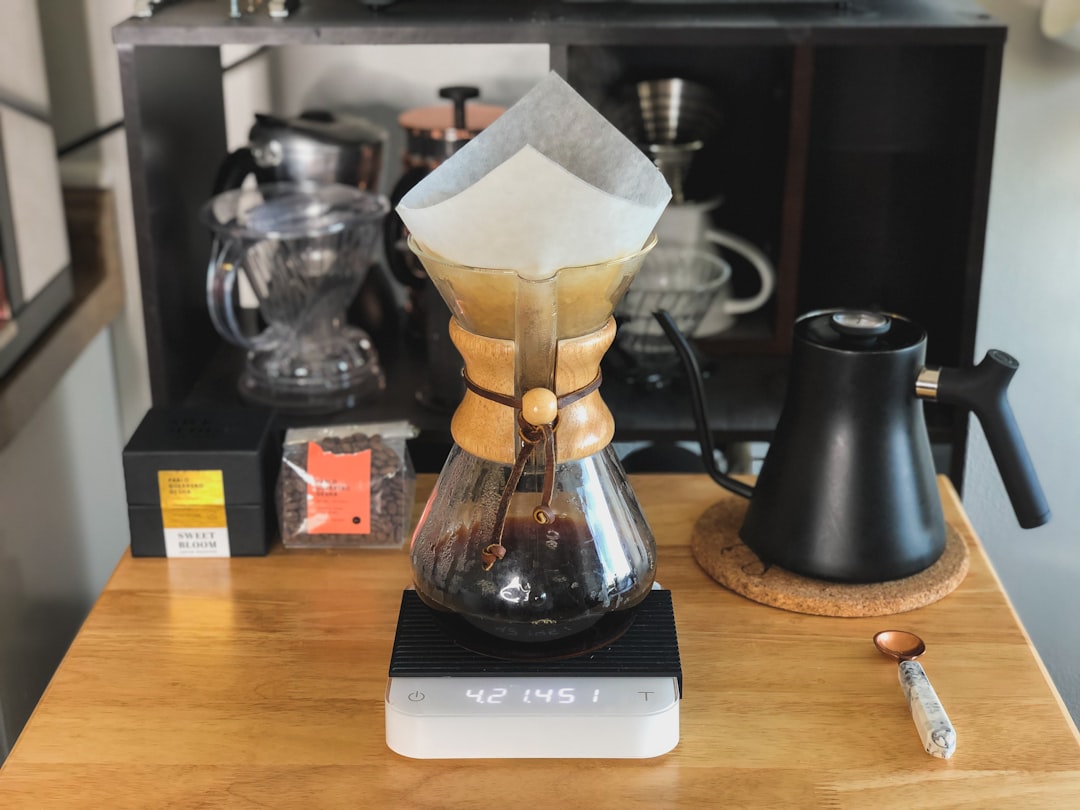
The world of coffee is rich and diverse, with a myriad of choices available to enthusiasts and casual drinkers alike. Among these choices, the debate between whole bean and ground coffee stands out as a significant topic of discussion. Whole bean coffee refers to coffee that has not been ground, allowing for maximum freshness and flavor retention until the moment it is brewed.
In contrast, ground coffee is pre-ground and ready for brewing, offering convenience but often at the expense of some flavor nuances.
Understanding the differences between whole bean and ground coffee is essential for anyone looking to elevate their coffee experience.
The choice between these two forms can significantly impact the flavor profile, aroma, and overall quality of the brew. As we explore various aspects such as freshness, flavor, grind size, convenience, storage, and environmental considerations, it becomes clear that the decision is not merely about preference but also about how one wishes to engage with the coffee-making process.
Key Takeaways
- Whole bean coffee retains its freshness and flavor longer than ground coffee
- Freshness is crucial in specialty coffee as it directly impacts the taste and aroma
- The grind size plays a significant role in the extraction process and the final flavor of the coffee
- Ground coffee offers convenience, while whole bean coffee requires grinding before brewing
- Proper storage is essential for maintaining the quality of both whole bean and ground coffee
The Importance of Freshness in Specialty Coffee
Freshness is a cornerstone of specialty coffee, influencing both flavor and aroma. Coffee beans are at their peak shortly after roasting, typically within a few days to a couple of weeks. During this time, they release carbon dioxide, a process known as degassing.
Whole bean coffee retains this freshness longer than its ground counterpart because the surface area exposed to air is minimized. When beans are ground, they undergo oxidation more rapidly due to the increased surface area, leading to a decline in flavor quality over time. For coffee aficionados, the importance of freshness cannot be overstated.
A freshly ground cup of coffee can reveal complex flavors and aromas that are often lost in pre-ground options. For instance, a single-origin Ethiopian coffee may exhibit bright floral notes and fruity undertones when brewed from freshly ground beans, while the same coffee pre-ground may taste flat or muted. This difference highlights why many specialty coffee drinkers prioritize whole beans and invest in grinders to ensure they enjoy the full spectrum of flavors that high-quality coffee can offer.
The Flavor and Aroma Differences Between Whole Bean and Ground Coffee

The flavor and aroma profiles of whole bean versus ground coffee can be strikingly different. Whole beans preserve essential oils and volatile compounds that contribute to the rich sensory experience of coffee. When ground, these oils are released more quickly into the air, leading to a loss of aromatic compounds that are crucial for a vibrant cup.
For example, a freshly ground Guatemalan coffee may present notes of chocolate and caramel when brewed immediately after grinding, while pre-ground versions may lack these intricate flavors. Moreover, the freshness of whole beans allows for a more pronounced aroma during brewing. The act of grinding releases aromatic compounds that can fill a room with enticing scents, enhancing the overall experience of making coffee.
In contrast, ground coffee may have already lost some of its aromatic qualities by the time it reaches the consumer. This difference in aroma can significantly affect one’s perception of taste; our sense of smell plays a vital role in how we experience flavors. Thus, for those who appreciate the full sensory experience of coffee, whole beans are often the preferred choice.
The Role of Grind Size in Specialty Coffee Brewing
| Grind Size | Brewing Method | Extraction Time | Flavor Profile |
|---|---|---|---|
| Coarse | French Press | 4 minutes | Full-bodied, heavy |
| Medium | Drip Coffee Maker | 3-4 minutes | Balanced, medium acidity |
| Medium-Fine | Aeropress | 1-2 minutes | Bright, fruity |
| Fine | Espresso Machine | 20-30 seconds | Intense, rich |
Grind size is a critical factor in brewing specialty coffee, influencing extraction rates and ultimately determining the flavor profile of the final cup. Different brewing methods require specific grind sizes to achieve optimal extraction. For instance, espresso requires a fine grind to create sufficient pressure during brewing, while French press calls for a coarse grind to prevent over-extraction and bitterness.
The relationship between grind size and extraction is complex; too fine a grind can lead to over-extraction, resulting in bitter flavors, while too coarse a grind may result in under-extraction, yielding a weak or sour cup. Whole bean coffee allows for precise control over grind size since it can be adjusted according to the brewing method being used. This flexibility is particularly beneficial for those who experiment with various brewing techniques or wish to fine-tune their coffee-making process.
The Convenience Factor: Whole Bean vs Ground Coffee
Convenience is often cited as a significant advantage of ground coffee. Pre-ground options are readily available and require no additional equipment beyond a brewing device. For busy individuals or those who prefer a quick morning routine, ground coffee offers an immediate solution without the need for grinding.
This ease of use can be appealing, especially for those who may not have access to a grinder or who do not wish to invest in one. However, this convenience comes at a cost—namely, flavor quality. While ground coffee may save time in preparation, it sacrifices some of the freshness and complexity that whole beans provide.
For many coffee enthusiasts, the ritual of grinding beans serves as an integral part of the brewing process, enhancing their connection to the beverage. The act of grinding can be meditative and allows for customization based on personal taste preferences. Thus, while convenience is an important factor to consider, it must be weighed against the desire for quality and flavor.
Storage Considerations for Whole Bean and Ground Coffee
Storing Whole Beans
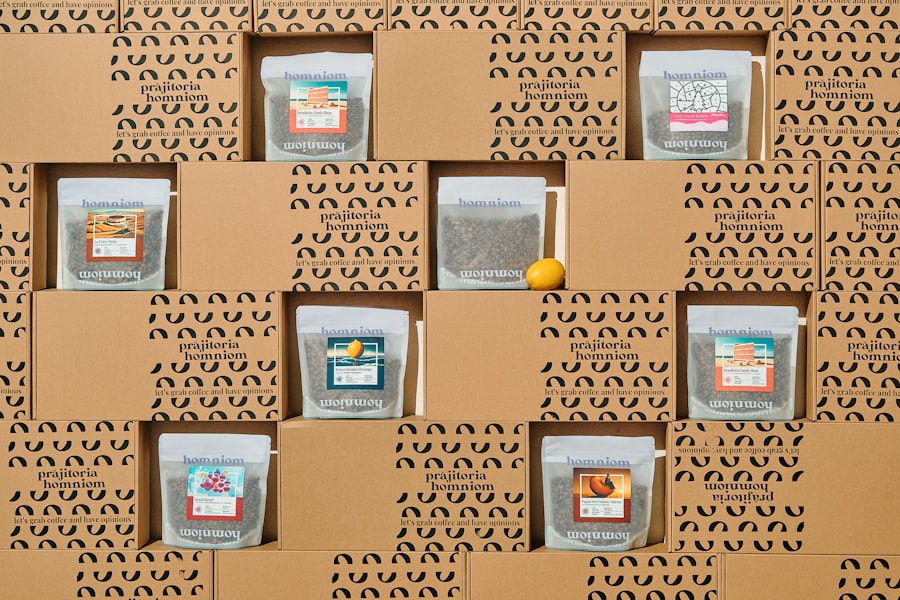
Whole beans should be stored in an airtight container in a cool, dark place to minimize exposure to light, heat, and moisture—factors that can accelerate degradation. Many enthusiasts opt for vacuum-sealed containers or specialized coffee storage canisters designed to keep air out while allowing gases from degassing to escape.
Storing Ground Coffee
Ground coffee presents additional challenges when it comes to storage. Once opened, ground coffee is more susceptible to oxidation due to its increased surface area. It is advisable to transfer opened bags into airtight containers immediately after use to preserve freshness as much as possible.
Prioritizing Freshness
However, even with optimal storage conditions, ground coffee will generally lose its flavor more quickly than whole beans. Therefore, those who prioritize freshness should consider purchasing whole beans and grinding them just before brewing.
The Impact of Grinding on Coffee Extraction
Grinding plays a pivotal role in the extraction process during brewing. The size of the grind affects how quickly water interacts with the coffee particles; finer grinds expose more surface area to water, leading to faster extraction rates. Conversely, coarser grinds slow down extraction due to reduced surface area contact with water.
This dynamic is crucial for achieving balance in flavor; improper grind size can lead to undesirable results. For example, when brewing with a pour-over method using a medium grind size, water flows through the grounds at an optimal rate, extracting desirable flavors without over-extracting bitter compounds. In contrast, using a fine grind in this method may result in over-extraction and an unpleasantly bitter cup.
Understanding how grind size impacts extraction allows coffee drinkers to tailor their brewing methods effectively and achieve their desired flavor profiles.
The Environmental Impact of Whole Bean vs Ground Coffee
The environmental impact of whole bean versus ground coffee extends beyond individual preferences; it encompasses broader considerations related to packaging, waste generation, and sustainability practices within the coffee industry. Whole bean coffee often comes in bulk packaging or recyclable bags that minimize waste compared to single-serve pods or pre-ground options that may use non-recyclable materials. Additionally, purchasing whole beans encourages consumers to invest in reusable grinders and brewing equipment rather than relying on single-use products that contribute to landfill waste.
Many specialty coffee roasters are also committed to sustainable sourcing practices that prioritize environmentally friendly farming methods and fair trade principles. By choosing whole bean coffee from reputable sources, consumers can support these initiatives while enjoying high-quality brews.
Specialty Coffee Brewing Methods: Whole Bean vs Ground
Different brewing methods highlight the advantages of both whole bean and ground coffee in unique ways. For instance, espresso machines require finely ground coffee for optimal extraction under pressure; thus, pre-ground options may suffice for those who primarily enjoy espresso-based drinks.
In contrast, cold brew enthusiasts often prefer coarsely ground whole beans due to their extended steeping time in cold water; this method extracts flavors slowly and results in a smooth cup with low acidity. Each brewing method presents opportunities for experimentation with grind size and freshness levels—factors that can dramatically alter the final product’s taste profile.
The Cost Comparison Between Whole Bean and Ground Coffee
When considering cost, whole bean coffee often presents a more economical option over time compared to pre-ground varieties. While initial investments in grinders may seem daunting for some consumers, purchasing whole beans typically yields better value per cup due to their superior freshness and flavor retention capabilities. Additionally, many specialty roasters offer bulk purchasing options that further reduce costs.
On the other hand, pre-ground coffee may appear cheaper upfront but can lead to increased spending over time due to diminished quality and flavor satisfaction. Consumers may find themselves purchasing more bags of ground coffee in search of an enjoyable brew compared to investing once in high-quality whole beans that deliver consistent results.
Choosing the Best Option for Your Specialty Coffee Experience
In navigating the choice between whole bean and ground coffee, individuals must weigh various factors including freshness, flavor profiles, convenience, storage considerations, environmental impact, brewing methods, and cost implications. While whole bean coffee offers unparalleled freshness and flavor potential through precise control over grind size and extraction techniques, ground coffee provides convenience for those with limited time or equipment. Ultimately, the decision hinges on personal preferences and lifestyle considerations—whether one values the ritualistic aspects of grinding fresh beans or prioritizes quick preparation methods without sacrificing too much on quality.
By understanding these nuances within specialty coffee culture, consumers can make informed choices that enhance their overall experience with this beloved beverage.
FAQs
What is the difference between whole bean and ground specialty coffee?
Whole bean specialty coffee is coffee that has been roasted and then packaged as whole beans, while ground specialty coffee is coffee that has been roasted and then ground into a fine powder.
What are the advantages of buying whole bean specialty coffee?
Buying whole bean specialty coffee allows for the coffee to retain its freshness for a longer period of time, as the beans are not exposed to air until they are ground. Additionally, grinding the beans just before brewing allows for a fresher and more flavorful cup of coffee.
What are the advantages of buying ground specialty coffee?
Ground specialty coffee is convenient and ready to use, making it a time-saving option for those who do not have a coffee grinder. It is also a good option for those who may not have access to a grinder, such as when traveling.
How should whole bean specialty coffee be stored?
Whole bean specialty coffee should be stored in an airtight container in a cool, dark place to maintain its freshness and flavor. It is best to use the coffee within a few weeks of opening the package.
How should ground specialty coffee be stored?
Ground specialty coffee should also be stored in an airtight container in a cool, dark place to maintain its freshness and flavor. It is best to use the coffee within a few weeks of opening the package, as ground coffee tends to lose its flavor more quickly than whole beans.