

As we delve into the world of organic coffee, we find ourselves at the intersection of agriculture, sustainability, and consumer choice. Organic coffee certification serves as a beacon for those who seek to enjoy their daily brew while supporting environmentally friendly practices. This certification process ensures that coffee is grown without synthetic fertilizers, pesticides, or genetically modified organisms, allowing us to savor our favorite beverage with a clear conscience.
The journey of organic coffee begins with the understanding of what it means to be “organic” and the rigorous standards that must be met to achieve this designation. In recent years, the demand for organic products has surged, reflecting a growing awareness of health and environmental issues. As consumers, we are increasingly inclined to choose products that align with our values, and organic coffee is no exception.
The certification process not only guarantees that the coffee we consume is produced sustainably but also supports farmers who are committed to environmentally friendly practices. By exploring the intricacies of organic coffee certification, we can better appreciate the efforts behind our morning cup and the broader implications for the planet.
Key Takeaways
- Organic coffee certification ensures that coffee is grown and processed without synthetic pesticides or fertilizers
- The USDA National Organic Program sets the standards for organic coffee certification in the United States
- Other certifying agencies such as Fair Trade USA and Rainforest Alliance also provide organic coffee certifications
- International certifications like EU Organic and JAS Organic ensure that coffee meets organic standards globally
- Organic coffee certification is important for environmental sustainability, farmer livelihoods, and consumer health
The Role of the USDA National Organic Program
At the heart of organic coffee certification in the United States lies the USDA National Organic Program (NOP). Established in 2000, the NOP sets forth the standards that govern organic agriculture, including coffee production. This program plays a crucial role in ensuring that products labeled as organic meet strict guidelines designed to protect both consumers and the environment.
As we navigate through these regulations, we can see how they create a framework for sustainable farming practices. The NOP outlines specific requirements for organic coffee growers, including soil management, pest control, and the prohibition of synthetic substances. These standards are not merely bureaucratic red tape; they represent a commitment to fostering biodiversity and promoting ecological balance.
By adhering to these guidelines, farmers can cultivate coffee in a way that enhances soil health and reduces pollution. As consumers, we can take comfort in knowing that our organic coffee is produced under these stringent regulations, which ultimately contribute to a healthier planet.
Other Organic Coffee Certifying Agencies
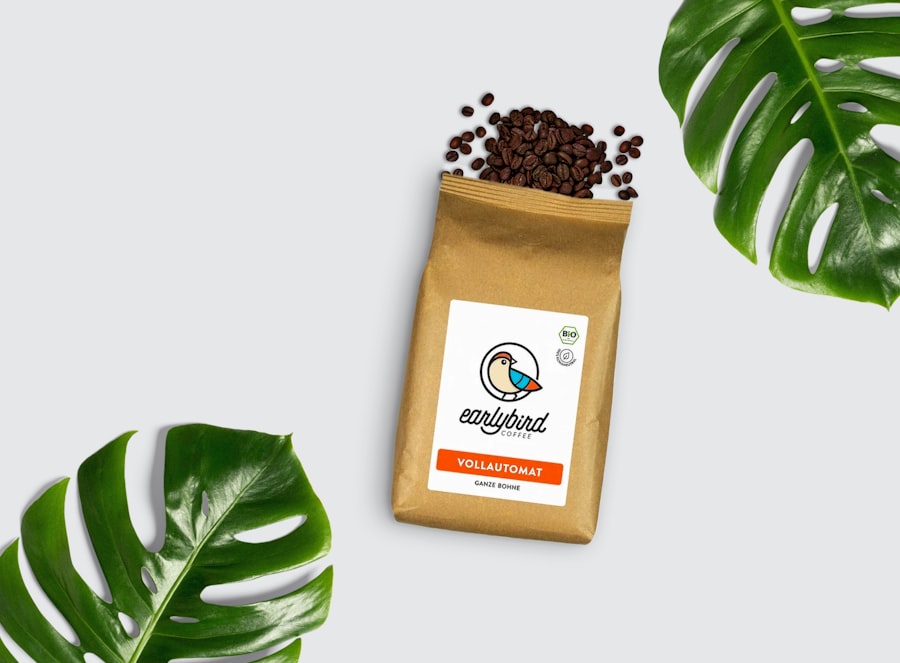
While the USDA NOP is a prominent certifying body in the United States, it is not the only player in the field of organic coffee certification. Various organizations around the world also provide certification services, each with its own set of standards and practices. For instance, we encounter agencies like Oregon Tilth and CCOF (California Certified Organic Farmers), which offer certification tailored to specific regional needs and agricultural practices.
These organizations work diligently to ensure that coffee producers meet organic standards while also considering local environmental conditions.
These agencies provide certification for coffee grown outside the United States, ensuring that international producers adhere to organic principles.
By recognizing multiple certifying agencies, we can appreciate the diverse approaches to organic farming and the shared commitment to sustainability across borders. This variety enriches our understanding of organic coffee and highlights the global nature of this industry.
International Organic Coffee Certifications
As we expand our perspective beyond national borders, we discover a rich tapestry of international organic coffee certifications that reflect diverse agricultural practices and cultural values. The Fair Trade certification is one such example that resonates with many consumers. It not only emphasizes organic farming methods but also advocates for fair wages and ethical treatment of farmers.
By choosing Fair Trade certified coffee, we support not just sustainable agriculture but also social justice within the coffee supply chain. Another noteworthy certification is Rainforest Alliance, which focuses on environmental conservation alongside social equity. This certification ensures that coffee is grown in a way that protects ecosystems and promotes biodiversity.
As we sip our organic coffee, we can feel good knowing that our choices contribute to preserving vital habitats and supporting communities around the world. The interplay between these certifications illustrates how our purchasing decisions can have far-reaching impacts on both people and the planet.
The Importance of Organic Coffee Certification
The significance of organic coffee certification extends far beyond mere labels on packaging; it embodies a commitment to sustainable agriculture and ethical consumerism. For us as consumers, choosing certified organic coffee means supporting farming practices that prioritize environmental health and social responsibility. This choice fosters a market that values transparency and accountability, encouraging producers to adopt sustainable methods that benefit both their communities and the planet.
Furthermore, organic coffee certification plays a vital role in promoting biodiversity and soil health. By avoiding synthetic chemicals and embracing natural farming techniques, certified growers contribute to healthier ecosystems. This not only benefits the immediate environment but also enhances the quality of the coffee itself.
As we enjoy our organic brew, we can appreciate the intricate relationship between sustainable farming practices and the rich flavors that emerge from well-cared-for coffee plants.
Challenges in Organic Coffee Certification

Despite its many benefits, organic coffee certification is not without challenges. One significant hurdle lies in the cost associated with obtaining and maintaining certification. For many small-scale farmers, especially in developing countries, the financial burden of meeting stringent organic standards can be overwhelming.
As we consider our role as consumers, it becomes essential to recognize these challenges and support initiatives that help farmers navigate the certification process. Additionally, there are concerns about fraudulent labeling in the organic coffee market. Instances of mislabeling or greenwashing can undermine consumer trust and dilute the integrity of genuine organic products.
As informed consumers, we must remain vigilant and seek out reputable brands that prioritize transparency in their sourcing practices. By doing so, we can help ensure that our choices genuinely support sustainable agriculture rather than inadvertently contributing to misleading practices.
Consumer Awareness and Organic Coffee Certifications
In an age where information is readily available at our fingertips, consumer awareness plays a pivotal role in shaping the organic coffee market. As we educate ourselves about organic certifications and their implications, we empower ourselves to make informed choices that align with our values. Understanding the differences between various certifications allows us to appreciate the nuances of sustainable farming practices and their impact on both local communities and global ecosystems.
Moreover, increased consumer awareness has led to a growing demand for transparency within the coffee industry. Many brands are now taking proactive steps to communicate their sourcing practices and certification statuses clearly. This shift not only benefits consumers but also encourages producers to adopt more sustainable methods as they respond to market demands for ethical products.
As we engage with brands that prioritize transparency, we contribute to a culture of accountability within the coffee industry.
The Future of Organic Coffee Certification
As we look ahead to the future of organic coffee certification, it is clear that this movement is poised for growth and evolution. With increasing consumer demand for sustainable products, we can expect more farmers to embrace organic practices and seek certification as a means of accessing new markets. This shift will not only benefit individual farmers but also contribute to broader environmental goals as more land is cultivated using sustainable methods.
However, challenges remain on this journey toward a more sustainable future. Continued efforts are needed to support small-scale farmers in navigating the complexities of certification while ensuring that consumers remain informed about their choices. By fostering collaboration between certifying agencies, producers, and consumers, we can create a robust ecosystem that champions organic coffee as a symbol of sustainability and ethical consumption.
As we continue to explore this vibrant landscape of certifications and their implications, we can take pride in knowing that our choices contribute to a healthier planet for generations to come.
FAQs
What is organic coffee certification?
Organic coffee certification is a process by which coffee producers demonstrate that their coffee has been grown and processed according to organic standards, which typically include the avoidance of synthetic pesticides and fertilizers.
Who certifies organic coffee?
Organic coffee can be certified by various organizations, including the USDA National Organic Program (NOP), the European Union Organic Certification, and various private certification bodies such as Fair Trade USA and Rainforest Alliance.
What is the role of the USDA National Organic Program in certifying organic coffee?
The USDA National Organic Program (NOP) is responsible for setting the standards for organic agricultural products in the United States, including coffee. Coffee producers can apply for organic certification through USDA-accredited certifying agents.
What are the requirements for organic coffee certification?
The requirements for organic coffee certification typically include using organic farming practices, maintaining detailed records of farming activities, and undergoing periodic inspections by a certifying agent to ensure compliance with organic standards.
How can consumers identify organic coffee?
Consumers can identify organic coffee by looking for the USDA organic seal or the certification logos of other organic certification bodies on the coffee packaging. These seals indicate that the coffee has been certified as organic according to the respective standards.


