
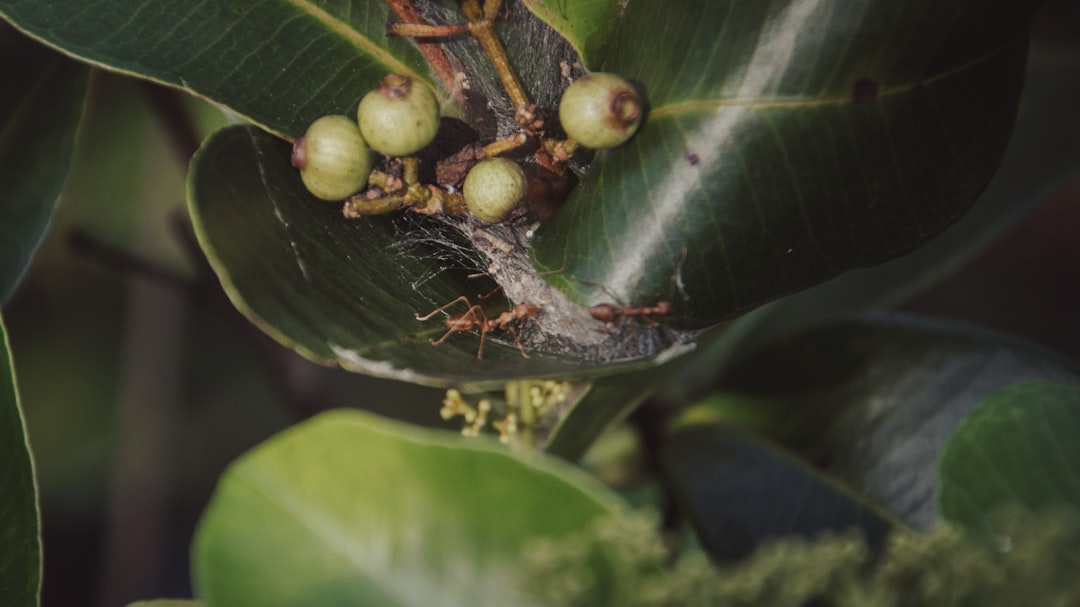
As we delve into the world of coffee, we find ourselves surrounded by a rich tapestry of flavors, aromas, and cultural significance. However, beneath this enticing surface lies a complex issue that affects not only the quality of our beloved brew but also our health and the environment. Pesticides, widely used in conventional coffee farming, play a pivotal role in this narrative.
These chemical substances are employed to combat pests and diseases that threaten coffee crops, ensuring higher yields and more robust production. Yet, the very same pesticides that help farmers protect their livelihoods can also pose significant risks to consumers and ecosystems alike. In recent years, the conversation surrounding pesticides in coffee has gained momentum, prompting us to consider the implications of our choices as consumers.
As we sip our morning cup, we may not be fully aware of the journey our coffee has taken from farm to cup, nor the potential residues that may linger within. This article aims to explore the multifaceted relationship between pesticides and coffee, examining the differences between organic and conventional coffee, the levels of pesticide residues found in various types, and the health implications associated with these chemicals. By understanding these factors, we can make informed decisions about our coffee consumption and its impact on our health and the environment.
When we compare organic coffee to its conventional counterpart, we uncover a fundamental difference in farming practices that extends beyond mere labels. Organic coffee is cultivated without synthetic pesticides or fertilizers, relying instead on natural methods to manage pests and enrich the soil. This approach not only promotes biodiversity but also fosters healthier ecosystems.
Farmers who grow organic coffee often employ techniques such as crop rotation, intercropping, and the use of organic compost to maintain soil fertility and control pests. As a result, organic coffee tends to be more environmentally sustainable and can contribute positively to local communities. Conversely, conventional coffee farming heavily relies on synthetic pesticides and fertilizers to maximize yields and combat pests.
While this method can lead to higher production rates in the short term, it raises concerns about environmental degradation and health risks associated with chemical exposure. The use of these substances can lead to soil depletion, water contamination, and harm to non-target species, including beneficial insects and wildlife. As we weigh the pros and cons of each approach, it becomes clear that choosing organic coffee not only supports sustainable farming practices but also aligns with a growing awareness of our responsibility toward the planet.
Key Takeaways
- Pesticides are commonly used in coffee production to control pests and diseases, but they can have negative impacts on human health and the environment.
- Organic coffee is grown without synthetic pesticides, while conventional coffee may contain pesticide residues that can pose health risks.
- Pesticide residue levels vary in different types of coffee, with some showing higher levels than others.
- Pesticides have been linked to various health issues, including cancer, reproductive problems, and neurological disorders.
- Regulations and monitoring of pesticide use in coffee production vary by country, and consumers can look for certifications like USDA Organic or Fair Trade when choosing low-pesticide coffee.
Pesticide Residue Levels in Different Coffee Types
As we explore the levels of pesticide residues found in various types of coffee, we begin to understand the implications of our choices more clearly. Studies have shown that conventional coffee often contains higher levels of pesticide residues compared to organic varieties. This discrepancy can be attributed to the extensive use of chemical treatments in conventional farming practices.
In fact, some analyses have detected multiple pesticide residues in a single cup of conventional coffee, raising concerns about cumulative exposure over time. On the other hand, organic coffee typically exhibits significantly lower pesticide residue levels, with many samples showing no detectable residues at all. This stark contrast highlights the effectiveness of organic farming practices in minimizing chemical exposure for consumers.
However, it is essential to note that not all organic coffees are created equal; some may still contain trace amounts of pesticides due to environmental factors or cross-contamination during processing. Therefore, as we navigate our coffee choices, it is crucial to seek out reputable brands that prioritize transparency and adhere to strict organic certification standards.
Impact of Pesticides on Health

The potential health impacts of pesticide exposure are a pressing concern for us as consumers. Research has linked certain pesticides to a range of adverse health effects, including hormonal disruption, neurological issues, and even cancer. While the levels of pesticide residues found in coffee may be within regulatory limits, cumulative exposure from multiple sources—such as food, water, and air—can pose significant risks over time.
For those who consume coffee daily, this raises important questions about long-term health implications. Moreover, vulnerable populations such as children and pregnant women may be particularly susceptible to the harmful effects of pesticides. As we consider our own health and that of our loved ones, it becomes increasingly important to be mindful of the choices we make regarding coffee consumption.
By opting for organic or low-pesticide options, we can reduce our exposure to potentially harmful chemicals while still enjoying our favorite beverage.
Regulations and Monitoring of Pesticide Use in Coffee Production
The regulatory landscape surrounding pesticide use in coffee production is complex and varies significantly from one country to another. In many regions, governments have established guidelines and maximum residue limits (MRLs) for pesticides used in agricultural products, including coffee. These regulations are designed to protect consumers from harmful levels of chemical exposure while allowing farmers to utilize necessary pest control measures.
However, enforcement of these regulations can be inconsistent, leading to concerns about compliance among producers. In some cases, inadequate monitoring may result in higher-than-expected pesticide residues in coffee products reaching consumers’ hands. As we navigate this landscape, it is essential for us to advocate for stricter regulations and better enforcement mechanisms that prioritize consumer safety and environmental health.
By supporting brands that adhere to rigorous testing and transparency standards, we can contribute to a more accountable coffee industry.
Tips for Choosing Low-Pesticide Coffee
As we strive to make informed choices about our coffee consumption, there are several practical tips we can follow to select low-pesticide options. First and foremost, seeking out certified organic coffee is one of the most effective ways to minimize pesticide exposure. Organic certification ensures that the coffee has been grown without synthetic pesticides or fertilizers, providing us with greater peace of mind.
Additionally, we can look for brands that prioritize transparency in their sourcing practices. Many companies now provide information about their farming methods and pesticide testing results on their websites or packaging. By choosing brands that are committed to sustainability and ethical practices, we can support farmers who prioritize environmental health over short-term profits.
Another strategy is to consider purchasing whole beans rather than pre-ground coffee. Whole beans tend to retain their freshness longer and may have lower pesticide residues compared to processed products. Finally, exploring local roasters or farmers’ markets can connect us with producers who prioritize sustainable practices and offer high-quality coffee options.
Alternatives to Coffee with Pesticide Concerns
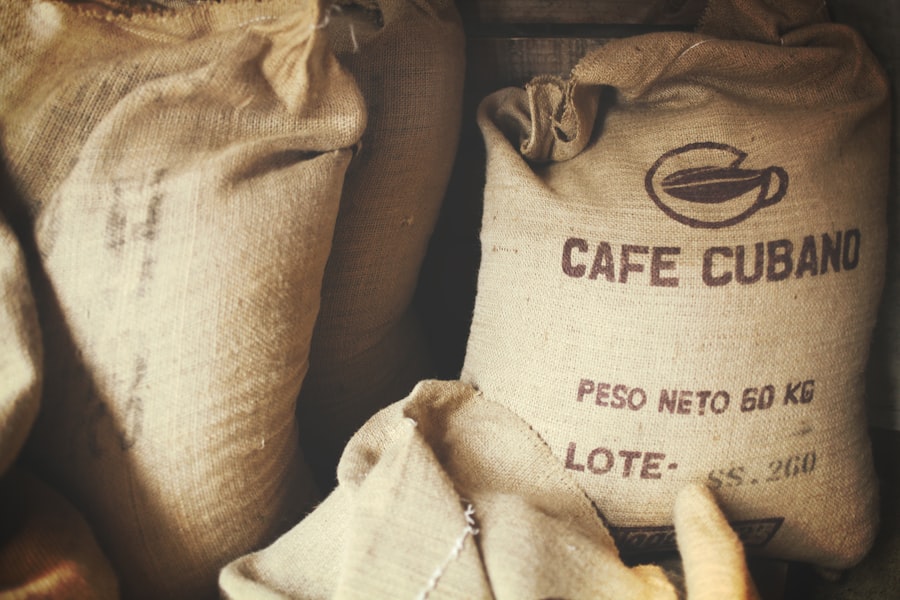
For those who are particularly concerned about pesticide exposure but still crave a warm beverage in the morning, there are several alternatives worth exploring. Herbal teas offer a diverse range of flavors and health benefits without the caffeine content found in traditional coffee. Options such as rooibos or chamomile can provide a soothing experience while avoiding pesticide concerns altogether.
Additionally, we might consider exploring alternative caffeinated beverages such as matcha or yerba mate. These options not only provide a caffeine boost but also come with unique flavor profiles and potential health benefits. As we expand our horizons beyond traditional coffee, we open ourselves up to new experiences while still prioritizing our health and well-being.
Conclusion and Final Recommendations
In conclusion, our exploration of pesticides in coffee has illuminated the complexities surrounding this beloved beverage. As consumers, we hold the power to influence the industry through our choices.
As we savor each cup of coffee, let us remain mindful of its journey from farm to cup and the impact our choices have on our health and the planet. By advocating for stricter regulations on pesticide use and supporting brands committed to transparency and sustainability, we can contribute to a healthier future for ourselves and generations to come. Ultimately, our decisions matter—let’s make them count as we enjoy our daily ritual of coffee consumption.
FAQs
What is the significance of pesticides in coffee production?
Pesticides are used in coffee production to control pests and diseases that can damage the coffee plants. However, excessive use of pesticides can have negative effects on the environment and human health.
Which type of coffee has the least amount of pesticides?
Organic coffee is generally considered to have the least amount of pesticides, as it is grown without the use of synthetic pesticides or fertilizers.
How can consumers identify coffee with low pesticide levels?
Consumers can look for organic certification labels on coffee packaging to ensure that the coffee has been produced without the use of synthetic pesticides. Additionally, some coffee brands may specifically advertise their low pesticide levels.
What are the potential health risks associated with consuming coffee with high pesticide levels?
Consuming coffee with high pesticide levels can potentially lead to negative health effects, including increased risk of certain diseases and adverse effects on the nervous system. It is important to choose coffee with low pesticide levels to minimize these risks.
Are there any regulations in place to limit pesticide use in coffee production?
Different countries have varying regulations regarding pesticide use in coffee production. For example, the United States has regulations in place to limit pesticide residues in coffee imports. Additionally, organic certification standards also regulate pesticide use in coffee production.


