

When we think about the journey of our food from farm to table, the methods used in growing crops play a pivotal role in determining not only the quality of the produce but also its sustainability. Traditional farming techniques, which have been passed down through generations, often emphasize the importance of crop rotation, organic fertilizers, and natural pest control. These methods not only help maintain soil health but also promote biodiversity.
As we explore these practices, we find that they are increasingly being complemented by modern agricultural innovations. Techniques such as hydroponics and vertical farming are gaining traction, allowing us to grow food in urban environments and reduce the distance it travels to reach our plates. In contrast, conventional farming methods often rely heavily on monoculture and synthetic inputs.
While these practices can lead to higher yields in the short term, they can also deplete soil nutrients and increase vulnerability to pests and diseases. As we delve deeper into the implications of these growing methods, we recognize that the choice of cultivation techniques can significantly impact not only the environment but also the nutritional value of the food we consume. By embracing a diverse array of growing methods, we can work towards a more sustainable food system that prioritizes both quality and ecological balance.
Key Takeaways
- Growing methods:
- Organic and sustainable farming practices are becoming increasingly popular.
- Hydroponic and vertical farming are also gaining traction for their efficiency and space-saving benefits.
- Pesticide and chemical use:
- Consumers are demanding transparency and reduced use of pesticides and chemicals in food production.
- Integrated pest management and natural alternatives are being embraced by growers.
- Environmental impact:
- Sustainable packaging and reduced carbon footprint are becoming important factors for consumers.
- Biodiversity and soil health are being prioritized in agricultural practices.
- Taste and flavor:
- Consumers are seeking out heirloom and heritage varieties for their superior taste and unique flavors.
- The demand for locally grown produce is on the rise due to its freshness and flavor.
- Health benefits:
- Nutrient-dense and functional foods are gaining popularity among health-conscious consumers.
- Clean labels and minimal processing are key factors for consumers seeking healthy options.
- Fair trade and ethical practices:
- Consumers are increasingly supporting fair trade and ethical certifications for their food purchases.
- Social responsibility and ethical treatment of workers are important considerations for consumers.
- Price and availability:
- The affordability and accessibility of organic and sustainable products are becoming more widespread.
- Seasonal and locally sourced products are gaining traction for their freshness and lower environmental impact.
- Consumer preferences:
- Transparency in food production and supply chain is a top priority for consumers.
- Convenience and versatility in food products are important factors influencing consumer choices.
Pesticide and chemical use
The use of pesticides and chemicals in agriculture is a contentious topic that evokes strong opinions among consumers and farmers alike. On one hand, these substances are often seen as necessary tools for protecting crops from pests and diseases, ensuring that we have a reliable food supply. However, as we examine the long-term effects of pesticide use, we begin to uncover a complex web of consequences that extend beyond the farm.
The potential for chemical runoff to contaminate water sources and harm local ecosystems raises significant concerns about the sustainability of our agricultural practices. Moreover, the impact of pesticides on human health cannot be overlooked. Studies have linked certain chemicals to a range of health issues, from respiratory problems to more severe conditions like cancer.
As we become more aware of these risks, many of us are seeking out organic produce that is grown without synthetic pesticides. This shift in consumer preference is prompting farmers to adopt more sustainable practices, such as integrated pest management (IPM), which focuses on using natural predators and other non-chemical methods to control pests. By making informed choices about the food we buy, we can encourage a reduction in harmful pesticide use and support a healthier environment.
Environmental impact

The environmental impact of agriculture is a pressing issue that affects us all. As we consider the various ways in which farming practices influence our planet, it becomes clear that our choices have far-reaching consequences. Conventional agriculture often leads to deforestation, soil degradation, and loss of biodiversity.
As stewards of the Earth, we must recognize our role in mitigating these impacts through sustainable agricultural practices. Conversely, regenerative agriculture offers a promising alternative that seeks to restore ecosystems while producing food.
By focusing on practices such as cover cropping, reduced tillage, and agroforestry, we can enhance soil health and sequester carbon, helping to combat climate change. As we explore these innovative approaches, we find that they not only benefit the environment but also improve the resilience of our food systems. By supporting farmers who prioritize sustainability, we can contribute to a healthier planet for future generations.
Taste and flavor
When it comes to food, taste and flavor are paramount considerations for many of us. The methods used in growing crops can significantly influence the sensory qualities of our meals. For instance, fruits and vegetables grown organically often boast richer flavors compared to their conventionally grown counterparts.
This difference can be attributed to the diverse range of nutrients present in organically cultivated produce, which is often nurtured in healthier soils. As we savor the taste of fresh produce, we may find ourselves drawn to local farmers’ markets where we can experience the vibrant flavors of seasonal fruits and vegetables. Additionally, the way food is grown can affect its freshness and overall quality.
When we choose locally sourced produce, we often enjoy items that have been harvested at their peak ripeness, resulting in superior taste. The connection between flavor and freshness is undeniable; when food travels long distances, it may lose some of its essential qualities during transportation and storage. By prioritizing local and sustainably grown options, we not only enhance our culinary experiences but also support our local economies and reduce our carbon footprint.
Health benefits
The health benefits associated with consuming fresh produce are well-documented and widely recognized. As we incorporate more fruits and vegetables into our diets, we provide our bodies with essential vitamins, minerals, and antioxidants that promote overall well-being. Organic produce, in particular, has been shown to contain higher levels of certain nutrients compared to conventionally grown options.
This difference can be attributed to the absence of synthetic fertilizers and pesticides in organic farming practices, which allows plants to develop naturally and thrive in healthier soils. Moreover, the consumption of organic foods has been linked to a reduced risk of chronic diseases such as heart disease and diabetes. As we become more conscious of our dietary choices, many of us are opting for organic options not only for their taste but also for their potential health benefits.
By choosing foods that are free from harmful chemicals and additives, we can nourish our bodies while supporting sustainable agricultural practices that benefit both farmers and the environment.
Fair trade and ethical practices
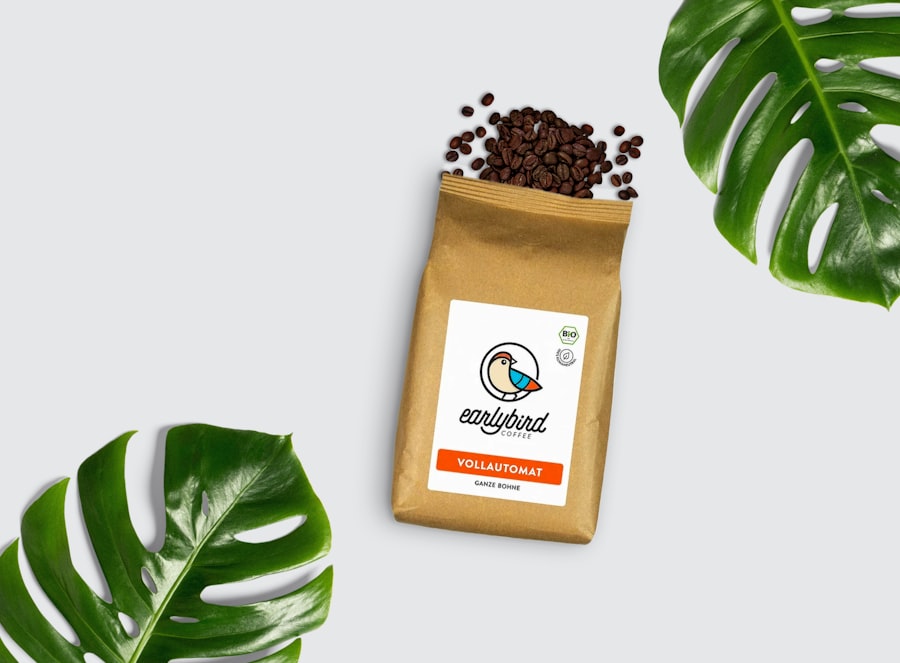
In an increasingly globalized world, fair trade and ethical practices have emerged as crucial considerations for consumers who want to make responsible choices about their food purchases. Fair trade certification ensures that farmers receive fair compensation for their labor while adhering to environmentally sustainable practices. As we explore this movement, we recognize that supporting fair trade products empowers marginalized communities and promotes social justice within the agricultural sector.
By choosing fair trade products, we contribute to a system that values ethical labor practices and environmental stewardship. This commitment extends beyond just coffee or chocolate; it encompasses a wide range of products including fruits, vegetables, and grains. As consumers become more aware of the impact their choices have on global communities, many of us are actively seeking out fair trade options that align with our values.
Price and availability
Price and availability are significant factors that influence our food choices on a daily basis. While organic and sustainably grown produce may often come with a higher price tag compared to conventional options, many of us are willing to invest in quality food that aligns with our values. The growing demand for organic products has led to increased availability in grocery stores and farmers’ markets alike, making it easier for us to access fresh produce without compromising on our principles.
However, it is essential to recognize that price disparities can create barriers for some consumers. As advocates for sustainable agriculture, we must work towards making organic and ethically produced foods more accessible to all individuals regardless of their economic status. Initiatives such as community-supported agriculture (CSA) programs or local co-ops can help bridge this gap by providing affordable options while supporting local farmers.
By fostering a culture of inclusivity around sustainable food choices, we can ensure that everyone has the opportunity to enjoy healthy and ethically produced meals.
Consumer preferences
As consumers become increasingly aware of the impact their choices have on health, the environment, and social justice issues, our preferences are evolving rapidly. Many of us are now prioritizing transparency in food sourcing and production methods when making purchasing decisions. This shift has led to a growing interest in organic foods, local produce, and products with clear ethical certifications such as fair trade or non-GMO labels.
Moreover, social media has played a significant role in shaping consumer preferences by providing platforms for sharing information about sustainable practices and highlighting local farmers’ stories. As we engage with these narratives online, we find ourselves more connected to the origins of our food and motivated to support those who prioritize ethical practices. This collective consciousness around food choices is driving change within the industry as producers adapt to meet our evolving demands for quality, sustainability, and ethical responsibility.
In conclusion, as we navigate the complexities of modern agriculture together, it becomes evident that our choices matter significantly. From growing methods to consumer preferences, each aspect plays a vital role in shaping a sustainable food system that benefits both people and the planet. By making informed decisions about what we eat and supporting practices that align with our values, we can contribute to a healthier future for ourselves and generations to come.
FAQs
What is organic coffee?
Organic coffee is grown without the use of synthetic pesticides, herbicides, or fertilizers. It is produced using sustainable farming practices that prioritize the health of the soil, ecosystems, and people.
How is organic coffee different from regular coffee?
Organic coffee is grown and processed without the use of synthetic chemicals, whereas regular coffee may be treated with synthetic pesticides and fertilizers. Organic coffee also tends to be grown in a more environmentally sustainable manner.
Is organic coffee better for the environment?
Yes, organic coffee is better for the environment because it is grown using sustainable farming practices that minimize the use of synthetic chemicals and promote biodiversity. This helps to protect ecosystems, soil health, and water quality.
Does organic coffee taste different from regular coffee?
The taste of organic coffee can vary depending on factors such as the specific variety of coffee bean, growing conditions, and roasting process. Some people believe that organic coffee has a cleaner, more natural flavor compared to regular coffee.
Is organic coffee healthier than regular coffee?
Organic coffee is not necessarily healthier in terms of its nutritional content, but it may be healthier in terms of reducing exposure to synthetic chemicals. Organic coffee is also often produced using shade-grown methods, which can result in higher levels of antioxidants.


