
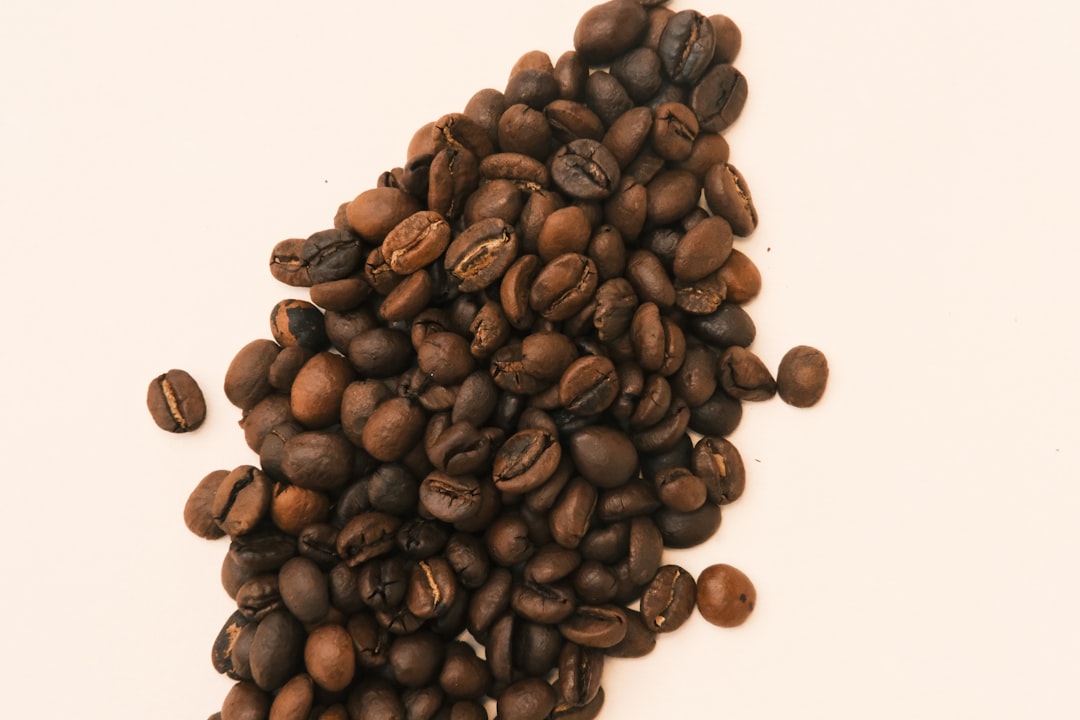
When we delve into the world of coffee, we quickly realize that it is not just a simple beverage; it is an intricate tapestry of flavors, aromas, and experiences. Coffee blends are crafted by combining different types of coffee beans, each contributing its unique characteristics to the final cup. This blending process allows us to create a harmonious balance of flavors, acidity, and body, resulting in a brew that can be tailored to suit our individual preferences.
By understanding the nuances of coffee blends, we can appreciate the artistry behind each cup we enjoy. As we explore coffee blends, we discover that they can be categorized into two main types: single-origin and blended coffees. Single-origin coffees come from a specific region or farm, showcasing the unique terroir and growing conditions of that area.
In contrast, blended coffees combine beans from various origins to achieve a desired flavor profile. This blending not only enhances complexity but also allows for consistency in taste, which is particularly important for commercial brands. By experimenting with different blends, we can embark on a flavorful journey that reflects our personal tastes and preferences.
Key Takeaways
- Coffee blends are a combination of different coffee beans, each contributing to the overall flavor and strength of the blend.
- Factors such as bean origin, roast level, and brewing method all contribute to the strength of a cup of coffee.
- Some of the strongest coffee blends on the market include Death Wish Coffee, Black Insomnia, and Biohazard Coffee.
- The roasting process plays a significant role in determining the strength and flavor profile of coffee, with darker roasts generally producing stronger flavors.
- Different coffee bean varieties, such as Arabica and Robusta, have distinct characteristics that contribute to the strength and flavor of the coffee they produce.
- To brew a strong cup of coffee, use a higher coffee to water ratio, grind the beans to a finer consistency, and consider using a French press or espresso machine.
- The size of the coffee grounds can impact the strength of the brew, with finer grinds extracting more flavor and strength from the beans.
- The debate between Robusta and Arabica coffee beans continues, with Robusta known for its higher caffeine content and stronger, more bitter flavor, while Arabica is prized for its smoother, more nuanced taste.
Factors that Contribute to Coffee Strength
When we talk about coffee strength, we often think of its boldness and intensity. However, strength is a multifaceted concept influenced by several factors. One of the primary contributors is the type of coffee bean used.
Robusta beans, for instance, are known for their higher caffeine content and bolder flavor compared to their Arabica counterparts. This difference in bean type can significantly impact the perceived strength of our brew. Additionally, the roast level plays a crucial role; darker roasts tend to have a more robust flavor profile, while lighter roasts may offer brighter acidity and nuanced flavors.
Another important factor is the brewing method we choose. Different methods extract flavors and compounds from the coffee grounds at varying rates. For example, espresso brewing extracts flavors quickly under high pressure, resulting in a concentrated shot that packs a punch.
On the other hand, methods like cold brew take longer to extract flavors, often resulting in a smoother and less intense cup. By understanding these factors, we can make informed choices about how to achieve the strength we desire in our coffee.
The Strongest Coffee Blends on the Market
As we navigate the vast landscape of coffee blends available today, we encounter some contenders for the title of the strongest coffee. Brands like Death Wish Coffee and Black Insomnia have gained notoriety for their high caffeine content and bold flavors. Death Wish Coffee, for instance, boasts a blend of Arabica and Robusta beans that delivers an impressive caffeine kick while maintaining a smooth taste.
This blend has garnered a loyal following among those seeking an extra boost to start their day. Another noteworthy contender is Black Insomnia Coffee, which claims to be one of the strongest coffees in the world. With its unique blend of beans sourced from various regions, it promises an intense flavor experience alongside its high caffeine content.
As we explore these strong coffee blends, we find that they not only cater to our need for caffeine but also offer a rich tapestry of flavors that can elevate our coffee-drinking experience.
The Role of Roasting in Coffee Strength
Roasting is a critical step in the coffee-making process that significantly influences the strength and flavor profile of our brew. During roasting, the green coffee beans undergo chemical changes that develop their flavors and aromas. The degree of roast—light, medium, or dark—determines how much of the bean’s natural sugars are caramelized and how many oils are released.
Darker roasts tend to have a bolder flavor and a fuller body, which can contribute to a perception of strength. Moreover, roasting affects caffeine levels as well. Contrary to popular belief, darker roasts do not necessarily contain more caffeine than lighter roasts; in fact, light roasts often retain slightly more caffeine due to the shorter roasting time.
However, the robust flavors associated with dark roasts can create an impression of strength that may overshadow the actual caffeine content. By understanding the intricacies of roasting, we can better appreciate how it shapes our coffee experience and influences our perception of strength.
Exploring Different Coffee Bean Varieties
The world of coffee beans is incredibly diverse, with numerous varieties each offering distinct flavors and characteristics. Among the most well-known are Arabica and Robusta beans, but there are many other varieties worth exploring.
Each variety brings its own story and flavor profile to our cups. As we venture into different coffee bean varieties, we also encounter various growing conditions that affect their taste. Factors such as altitude, climate, and soil composition play a significant role in shaping the flavor profiles of coffee beans.
By exploring these diverse varieties and their origins, we can expand our palate and discover new favorites that resonate with our taste preferences.
Tips for Brewing a Strong Cup of Coffee
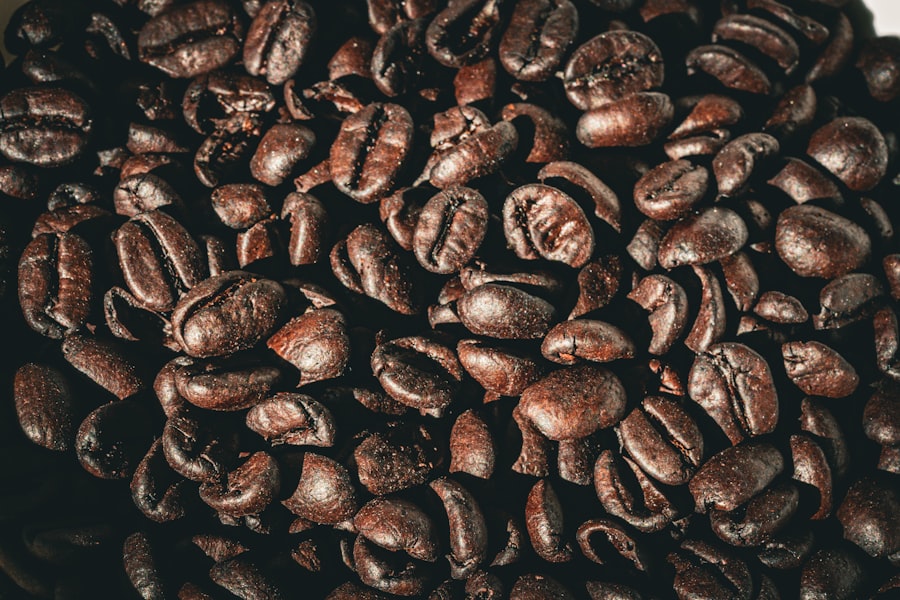
Brewing a strong cup of coffee is an art that requires attention to detail and an understanding of our equipment. One essential tip is to use freshly ground coffee beans; grinding just before brewing ensures maximum flavor extraction. We should also pay attention to the coffee-to-water ratio; using more coffee grounds relative to water will yield a stronger brew.
Experimenting with different ratios can help us find the perfect balance for our taste. Additionally, water temperature plays a crucial role in extraction.
If the water is too hot, it can lead to over-extraction and bitterness; if it’s too cool, under-extraction may result in a weak cup. By fine-tuning these variables—grind size, coffee-to-water ratio, and water temperature—we can elevate our brewing game and enjoy a robust cup of coffee that satisfies our cravings.
The Impact of Grind Size on Coffee Strength
Grind size is another critical factor that influences the strength and flavor of our coffee. The surface area exposed during brewing directly affects how quickly flavors are extracted from the coffee grounds. Finer grinds have more surface area and extract flavors more rapidly than coarser grinds.
This means that if we use a fine grind for a short brewing time, we may end up with an overly bitter cup due to over-extraction. Conversely, coarser grinds require longer brewing times to achieve optimal extraction. For methods like French press or cold brew, coarser grinds are ideal as they allow for a smoother extraction process without bitterness.
By understanding how grind size impacts extraction rates, we can tailor our brewing methods to achieve the desired strength and flavor profile in our coffee.
The Debate on the Strongest Coffee Blend: Robusta vs Arabica
The debate between Robusta and Arabica beans has long been a topic of discussion among coffee enthusiasts. Robusta beans are often touted for their higher caffeine content and bolder flavor profile, making them a popular choice for those seeking strength in their coffee. On the other hand, Arabica beans are celebrated for their nuanced flavors and aromatic qualities but typically contain less caffeine.
While Robusta may deliver a stronger punch in terms of caffeine content, many argue that Arabica offers a more complex flavor experience that should not be overlooked. The choice between these two varieties ultimately comes down to personal preference; some may prefer the boldness of Robusta while others may lean towards the subtleties of Arabica. As we navigate this debate, it becomes clear that both bean types have their merits and can contribute to our overall enjoyment of coffee.
In conclusion, our exploration of coffee blends reveals a rich world filled with diverse flavors and experiences waiting to be discovered. By understanding factors such as bean variety, roasting techniques, brewing methods, and grind size, we can enhance our appreciation for this beloved beverage. Whether we seek out the strongest blends on the market or experiment with different brewing techniques at home, our journey through the world of coffee is sure to be rewarding and flavorful.
FAQs
What is the strongest blend of coffee?
The strongest blend of coffee typically refers to a coffee with a high caffeine content and bold flavor profile.
What factors contribute to the strength of a coffee blend?
The strength of a coffee blend is influenced by the type of coffee beans used, the roast level, and the brewing method.
Which coffee beans are known for their strength?
Robusta coffee beans are known for their high caffeine content and bold, intense flavor, making them a popular choice for creating strong coffee blends.
What roast level is best for a strong coffee blend?
A dark roast is often preferred for creating a strong coffee blend, as it brings out the bold flavors and enhances the caffeine content of the beans.
How can I brew a strong cup of coffee using a coffee blend?
To brew a strong cup of coffee, use a higher coffee to water ratio, grind the beans to a finer consistency, and consider using a brewing method that extracts more flavor and caffeine from the beans, such as an espresso machine or a French press.


