
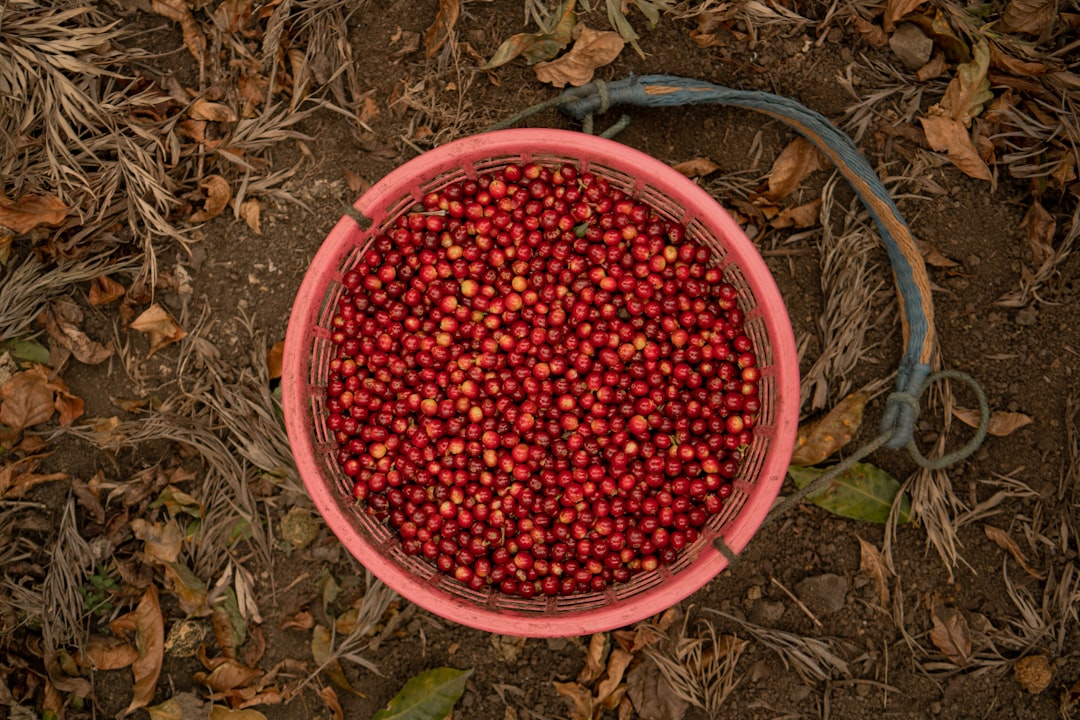
In recent years, the conversation surrounding coffee has evolved significantly, with fair-trade coffee emerging as a pivotal topic. As we delve into the world of coffee, we find ourselves confronted with the realities faced by farmers who cultivate this beloved beverage. Fair-trade coffee represents more than just a label; it embodies a commitment to ethical practices that prioritize the welfare of farmers and their communities.
By choosing fair-trade coffee, we align ourselves with a movement that seeks to rectify the imbalances in the global coffee market, ensuring that those who grow our coffee receive a fair share of the profits. The fair-trade movement began as a response to the exploitation of farmers in developing countries, where they often receive meager compensation for their labor. As we explore the principles of fair trade, we recognize that it is not merely about economic transactions; it is about fostering relationships built on respect and equity.
By supporting fair-trade coffee, we contribute to a system that values human dignity and environmental sustainability, paving the way for a more just and equitable world.
Key Takeaways
- Fair-Trade coffee ensures that farmers receive fair wages for their labor and are not exploited by middlemen or corporations.
- Sustainable farming practices promoted by Fair-Trade organizations help protect the environment and ensure the long-term viability of coffee farming.
- Fair-Trade empowers coffee farming communities by providing them with resources, training, and support to improve their livelihoods.
- Living and working conditions for coffee farmers are improved through Fair-Trade initiatives, leading to better quality of life for these communities.
- Supporting small-scale coffee producers through Fair-Trade helps them compete in the global market and maintain their independence.
Ensuring Fair Wages for Coffee Farmers
One of the cornerstones of fair-trade coffee is the assurance of fair wages for coffee farmers. In many regions where coffee is grown, farmers struggle to make ends meet due to fluctuating market prices and exploitative practices by middlemen. By participating in fair-trade certification, farmers are guaranteed a minimum price for their coffee, which helps shield them from the volatility of the global market.
This financial security allows them to invest in their farms and families, ultimately leading to improved livelihoods. Moreover, fair-trade practices often include additional premiums that can be used for community development projects. These funds empower farmers to make choices that benefit not only their families but also their entire communities.
As we support fair-trade coffee, we are not just purchasing a product; we are investing in the future of these farmers and their ability to thrive in an increasingly challenging economic landscape.
Promoting Sustainable Farming Practices
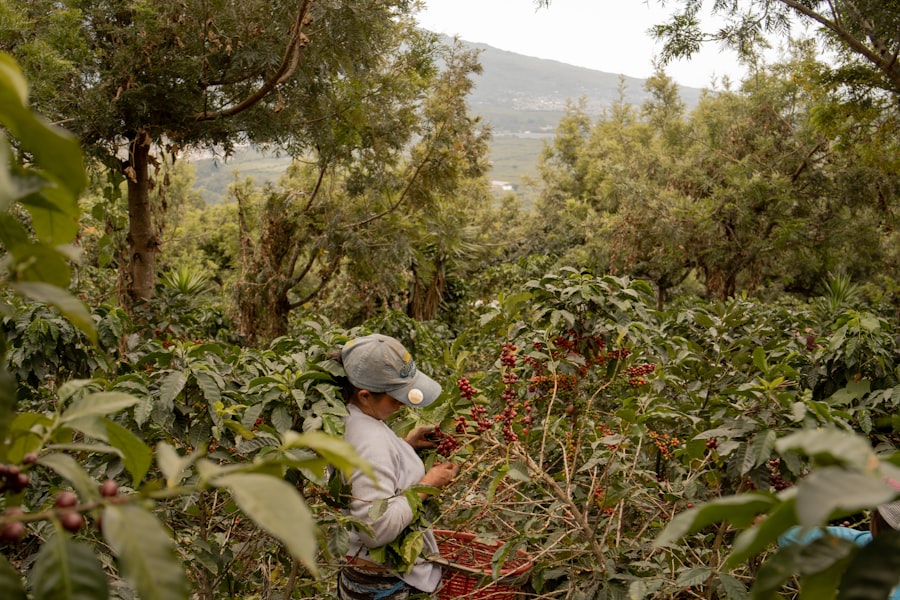
Sustainability is another vital aspect of the fair-trade movement. As we become more aware of the environmental challenges facing our planet, it is crucial to consider how our coffee is produced. Fair-trade certification encourages farmers to adopt sustainable farming practices that protect biodiversity and promote ecological balance.
This includes methods such as organic farming, agroforestry, and integrated pest management, which not only enhance the quality of the coffee but also contribute to the health of the surrounding ecosystems. By promoting sustainable farming practices, fair-trade coffee helps mitigate the impact of climate change on coffee production. As temperatures rise and weather patterns shift, traditional farming methods may no longer be viable.
Through education and support, fair-trade organizations equip farmers with the tools they need to adapt to these changes while maintaining their livelihoods. In this way, we can enjoy our daily cup of coffee with the knowledge that we are supporting practices that protect our planet for future generations.
Empowering Coffee Farming Communities
Empowerment is at the heart of the fair-trade movement. When we choose fair-trade coffee, we are not just supporting individual farmers; we are investing in entire communities. Fair-trade organizations work to strengthen local cooperatives, providing farmers with a collective voice in negotiations and decision-making processes.
This sense of solidarity fosters a culture of collaboration and mutual support, enabling farmers to advocate for their rights and interests more effectively. Additionally, fair-trade initiatives often include educational programs that equip farmers with essential skills in business management, marketing, and sustainable agriculture. By empowering these communities with knowledge and resources, we help them break free from cycles of poverty and dependency.
As we sip our fair-trade coffee, we can take pride in knowing that we are contributing to a movement that uplifts entire communities and fosters resilience in the face of adversity.
Improving Living and Working Conditions for Coffee Farmers
The impact of fair-trade coffee extends beyond economic benefits; it also encompasses significant improvements in living and working conditions for farmers. Many coffee-growing regions lack access to basic services such as healthcare, education, and clean water. Fair-trade certification often requires producers to meet specific social standards that address these issues.
By ensuring that farmers receive fair wages and additional support, we contribute to enhancing their overall quality of life. Furthermore, fair-trade organizations often facilitate access to healthcare services and educational opportunities for farmers and their families. This holistic approach not only improves individual well-being but also strengthens communities as a whole.
As we enjoy our cup of coffee, we can feel good knowing that our choice supports initiatives aimed at creating healthier and more equitable living conditions for those who dedicate their lives to producing this cherished beverage.
Supporting Small-Scale Coffee Producers
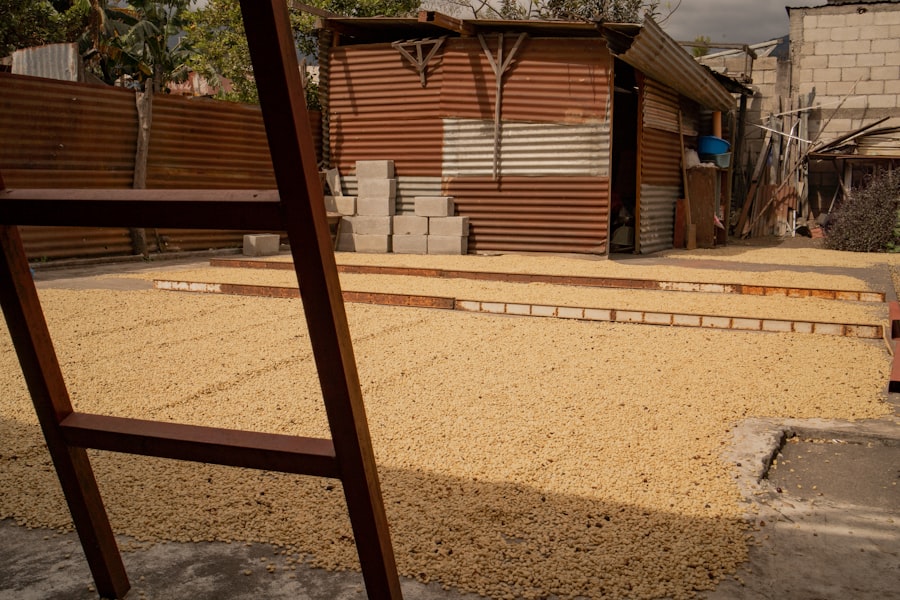
In a world dominated by large corporations, small-scale coffee producers often struggle to compete in the marketplace. Fair-trade coffee provides a vital lifeline for these farmers by offering them access to international markets and fair prices for their products. By supporting small-scale producers through fair trade, we help preserve traditional farming practices and promote biodiversity in coffee cultivation.
Small-scale farmers play a crucial role in maintaining the unique flavors and characteristics of different coffee varieties. Their intimate knowledge of local ecosystems allows them to cultivate high-quality beans that reflect the terroir of their region. When we choose fair-trade coffee from small producers, we not only support their livelihoods but also contribute to the preservation of cultural heritage and agricultural diversity.
In this way, our coffee choices can have far-reaching implications beyond our morning routine.
Fostering Transparency and Accountability in the Coffee Supply Chain
Transparency and accountability are essential components of a fair-trade system. As consumers, we often have little insight into the journey our coffee takes from farm to cup. Fair-trade certification provides a framework for ensuring that all stakeholders in the supply chain adhere to ethical practices.
By supporting fair-trade coffee, we encourage companies to prioritize ethical sourcing and responsible business practices. This shift towards transparency not only benefits farmers but also empowers consumers to demand accountability from brands they support.
Educating Consumers About the Impact of Their Coffee Purchases
Ultimately, one of the most powerful aspects of the fair-trade movement lies in its ability to educate consumers about the impact of their choices. Many people are unaware of the challenges faced by coffee farmers or the implications of their purchasing decisions on global trade dynamics. By raising awareness about fair trade and its benefits, we can inspire others to make more informed choices when it comes to their coffee consumption.
As we engage in conversations about fair-trade coffee, we have an opportunity to share stories of resilience and empowerment from farming communities around the world. By highlighting the positive impact of our purchases on farmers’ lives, we can encourage others to join us in supporting ethical practices within the coffee industry. Together, we can create a ripple effect that extends far beyond our individual choices, fostering a culture of conscious consumption that prioritizes fairness and sustainability.
In conclusion, our journey into the world of fair-trade coffee reveals a complex tapestry woven with threads of justice, sustainability, and empowerment. By choosing fair-trade coffee, we align ourselves with a movement dedicated to ensuring fair wages for farmers, promoting sustainable practices, and improving living conditions for communities around the globe. As consumers, we hold immense power in shaping the future of the coffee industry through our choices.
Let us embrace this responsibility and continue advocating for a more equitable world—one cup at a time.
FAQs
What is Fair-Trade coffee?
Fair-Trade coffee is coffee that is certified to have been produced and traded in a way that ensures fair prices and labor conditions for the farmers and workers involved in its production.
What is the main goal of Fair-Trade coffee?
The main goal of Fair-Trade coffee is to create a more equitable and sustainable coffee industry by ensuring that coffee farmers and workers receive fair prices for their products, have access to better working conditions, and are able to invest in their communities and the environment.
How does Fair-Trade coffee benefit coffee farmers and workers?
Fair-Trade coffee benefits coffee farmers and workers by providing them with stable and fair prices for their products, enabling them to invest in their communities, improving working conditions, and promoting sustainable farming practices.
How does Fair-Trade certification work?
Fair-Trade certification is awarded to coffee producers and cooperatives that meet specific social, economic, and environmental standards. These standards include fair prices, safe working conditions, environmental sustainability, and community development.
Is Fair-Trade coffee more expensive?
Fair-Trade coffee may be slightly more expensive than conventional coffee due to the fair prices paid to farmers and the additional costs associated with meeting Fair-Trade certification standards. However, many consumers are willing to pay a premium for Fair-Trade coffee to support ethical and sustainable practices.


