
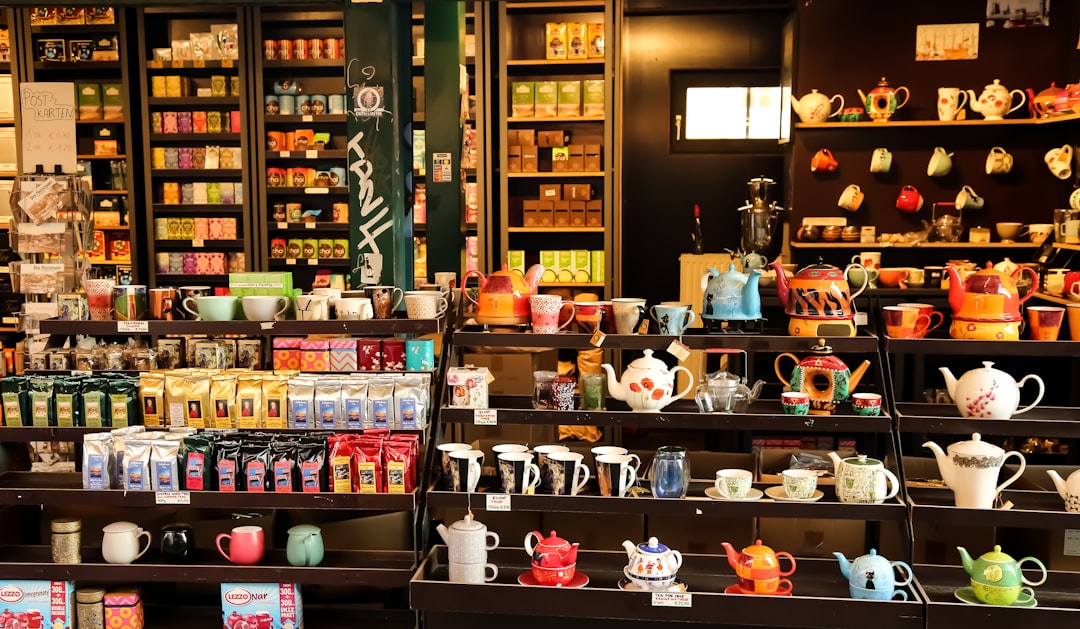
As coffee enthusiasts, we understand that the journey from bean to cup is a delicate one, and the way we store our coffee can significantly impact its flavor and aroma. Coffee is a complex product, rich in volatile compounds that contribute to its unique taste profile. When we brew a cup of coffee, we want to experience the full spectrum of flavors that the beans have to offer.
However, improper storage can lead to a loss of freshness, resulting in a dull and uninspiring brew. Therefore, it is essential for us to grasp the fundamentals of coffee storage to ensure that each cup we enjoy is as vibrant and flavorful as possible. In this article, we will explore the various factors that affect coffee storage and discuss best practices to maintain the quality of our beloved beverage.
From understanding the importance of air-tight containers to managing temperature and avoiding exposure to light and moisture, we will delve into the nuances of coffee preservation. By the end of this discussion, we will be equipped with the knowledge needed to keep our coffee fresh and enjoyable for longer periods.
Key Takeaways
- Proper coffee storage is essential for maintaining freshness and flavor.
- Factors such as air, temperature, light, and moisture can affect the quality of stored coffee.
- Air-tight containers are crucial for preserving the freshness of coffee beans.
- Temperature control is important to prevent the degradation of coffee flavor.
- It is important to avoid exposing coffee to light and moisture to maintain its quality.
Factors Affecting Coffee Storage
When it comes to storing coffee, several factors come into play that can influence its longevity and flavor. One of the most significant aspects is the environment in which we store our coffee. Temperature fluctuations, humidity levels, and exposure to light can all contribute to the degradation of coffee beans.
For instance, high temperatures can accelerate the staling process, while excessive moisture can lead to mold growth or clumping in ground coffee. Understanding these environmental factors is crucial for us as we seek to preserve the integrity of our coffee. Another important consideration is the packaging of the coffee itself.
Many of us may not realize that the type of bag or container used for storage can have a profound impact on freshness. Coffee beans are porous and can absorb odors from their surroundings, which means that storing them in non-ideal conditions can lead to unwanted flavors in our brew. Additionally, once coffee is ground, it becomes even more susceptible to oxidation and flavor loss.
Therefore, we must be mindful of how we store both whole beans and ground coffee to ensure that we are enjoying the best possible cup.
Air-Tight Containers: The Key to Freshness
One of the most effective ways to maintain the freshness of our coffee is by using air-tight containers. These containers create a barrier against oxygen, which is one of the primary culprits behind coffee staling.
By investing in high-quality air-tight containers, we can significantly extend the shelf life of our coffee and preserve its delightful characteristics. In addition to preventing oxidation, air-tight containers also help protect our coffee from external odors and moisture. As we mentioned earlier, coffee beans are highly absorbent, and they can easily take on unwanted flavors from their environment.
By sealing our coffee in an air-tight container, we create a controlled environment that minimizes these risks. Whether we choose glass jars with rubber seals or specialized vacuum-sealed bags, the key is to ensure that our coffee remains isolated from air and other contaminants.
The Importance of Temperature Control
Temperature control is another critical factor in maintaining the quality of our coffee. Ideally, we should store our coffee in a cool, dark place away from direct sunlight and heat sources. High temperatures can accelerate the degradation of flavor compounds, leading to stale-tasting coffee.
For many of us, this means avoiding storage locations like above the stove or near appliances that generate heat. Moreover, fluctuations in temperature can also be detrimental to our coffee’s freshness. When we frequently move our coffee between different temperature zones—such as taking it out of a cool pantry and then placing it in a warm kitchen—it can create condensation inside the container.
This moisture can lead to mold growth or clumping in ground coffee, further compromising its quality. By keeping our coffee in a stable environment with consistent temperatures, we can help preserve its delightful flavors for longer.
Avoiding Light and Moisture Exposure
Light exposure is another factor that can negatively impact our coffee’s freshness. Ultraviolet (UV) rays can break down the chemical compounds in coffee beans, leading to a loss of flavor and aroma over time. For this reason, it is essential for us to store our coffee in opaque containers or in dark cabinets where light cannot penetrate.
By shielding our coffee from light, we can help maintain its vibrant characteristics and ensure that each cup remains enjoyable. Moisture is equally important to consider when it comes to coffee storage. As we mentioned earlier, excessive humidity can lead to mold growth or clumping in ground coffee.
To avoid this issue, we should keep our coffee in a dry environment with low humidity levels. If we live in a particularly humid area, using silica gel packets or other moisture-absorbing materials inside our storage containers can help mitigate this risk. By taking these precautions against light and moisture exposure, we can further enhance the longevity and quality of our beloved brew.
Freezing can be an effective method for extending the shelf life of whole bean coffee, especially if we have purchased larger quantities that we cannot consume quickly. When done correctly, freezing can slow down the oxidation process significantly, allowing us to enjoy fresh-tasting coffee even months after purchase.
However, there are some caveats to consider when freezing our coffee. It is crucial for us to use air-tight containers or vacuum-sealed bags before placing them in the freezer to prevent moisture from entering and causing damage. Additionally, we should avoid repeatedly thawing and refreezing our coffee, as this can introduce moisture and negatively affect flavor.
For those who prefer room temperature storage, it is essential to follow best practices by keeping the coffee in a cool, dark place away from heat sources.
When it comes to storing ground versus whole bean coffee, there are distinct differences that we should be aware of. Whole bean coffee tends to retain its freshness longer than ground coffee due to its intact structure. The oils and volatile compounds responsible for flavor are better preserved when the beans remain whole.
Therefore, if we want to maximize freshness, it is advisable for us to invest in a good grinder and only grind what we need just before brewing. On the other hand, ground coffee has a much larger surface area exposed to air, making it more susceptible to oxidation and flavor loss. If we find ourselves with leftover ground coffee, it is essential for us to store it properly in an air-tight container away from light and moisture.
While ground coffee may not last as long as whole beans, following proper storage techniques can help us enjoy its flavors for a reasonable period before it begins to lose its appeal.
Best Practices for Coffee Storage
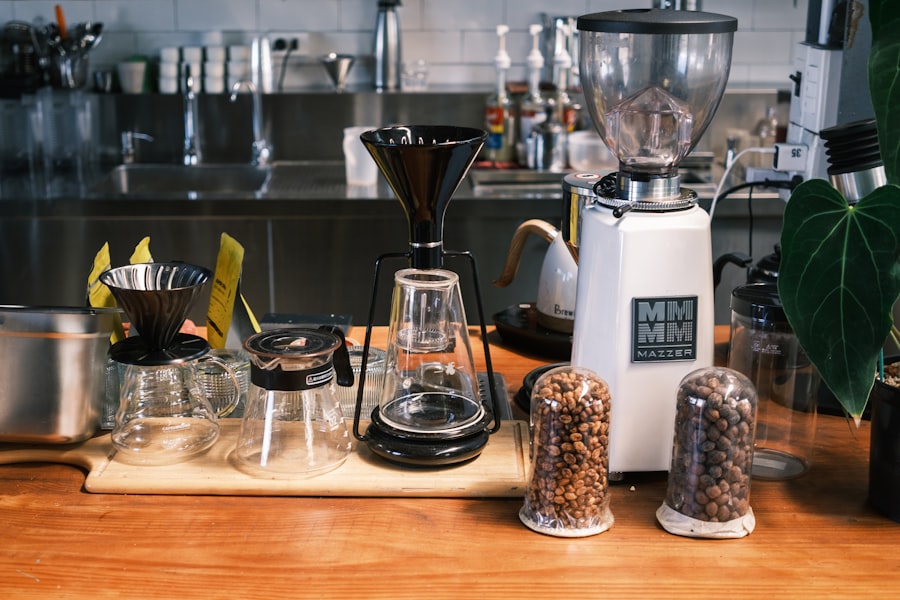
In conclusion, proper coffee storage is vital for preserving the quality and flavor of our favorite beverage. By understanding the factors that affect storage—such as air exposure, temperature control, light exposure, and moisture—we can take proactive steps to ensure that each cup we brew is as delightful as possible. Utilizing air-tight containers is essential for preventing oxidation and protecting our coffee from external odors.
Moreover, being mindful of temperature fluctuations and avoiding light and moisture exposure will further enhance our storage practices. Whether we choose freezing or room temperature storage depends on our consumption habits; however, it is crucial for us to follow best practices for both whole bean and ground coffee storage. By implementing these strategies into our daily routines, we can enjoy fresh-tasting coffee that truly reflects its rich flavors and aromas.
As passionate coffee lovers, let us commit ourselves to these best practices so that every cup brings us joy and satisfaction.
FAQs
What is the best way to store coffee?
The best way to store coffee is in an airtight container in a cool, dark place. It is important to keep coffee away from light, heat, moisture, and air to maintain its freshness and flavor.
Why is it important to store coffee properly?
Properly storing coffee is important to maintain its freshness and flavor. Exposure to light, heat, moisture, and air can cause coffee to degrade and lose its quality.
What type of container is best for storing coffee?
Airtight containers, such as glass or ceramic jars with airtight seals, are best for storing coffee. These containers help to keep out air, moisture, and light, which can degrade the quality of the coffee.
Should coffee be stored in the refrigerator or freezer?
It is not recommended to store coffee in the refrigerator or freezer. The moisture and odors in these environments can affect the flavor of the coffee. It is best to store coffee in a cool, dark place at room temperature.
How long can coffee be stored before it goes bad?
Whole coffee beans can be stored for up to 6 months, while ground coffee should be used within 2 weeks for the best flavor. It is best to buy coffee in small quantities and use it within a few weeks for optimal freshness.


