
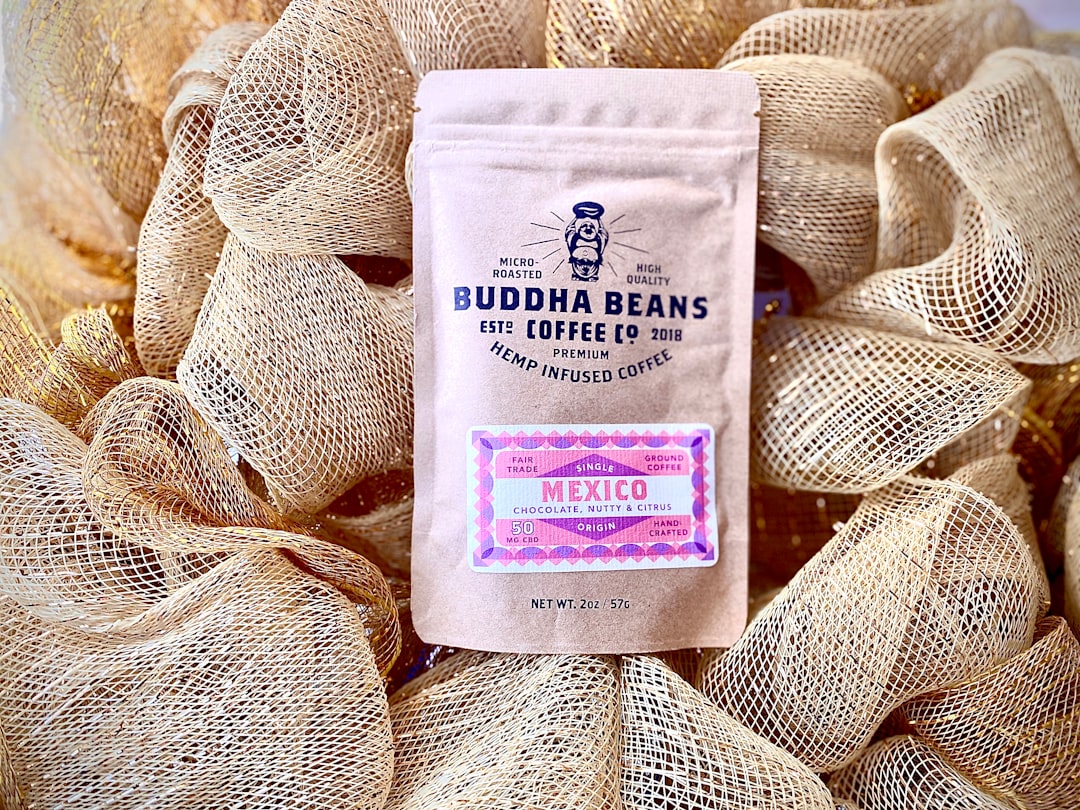
In recent years, organic coffee has gained significant traction among coffee enthusiasts and casual drinkers alike. At its core, organic coffee is produced without the use of synthetic fertilizers, pesticides, or herbicides. This method of cultivation not only promotes healthier soil and ecosystems but also results in a product that many believe tastes better.
As we delve into the world of organic coffee, we find that it embodies a commitment to sustainable farming practices and a respect for the environment. By choosing organic, we are not just making a choice about our beverage; we are also supporting a movement that prioritizes ecological balance and the well-being of farmers. Moreover, the journey of organic coffee begins long before it reaches our cups.
It starts with the careful selection of coffee beans grown in rich, biodiverse environments. These beans are often cultivated under the shade of trees, which helps maintain the natural habitat for various species and reduces the need for chemical interventions. As we explore the nuances of organic coffee, we discover that it is not merely a product but a reflection of a philosophy that values quality, sustainability, and ethical practices.
This understanding deepens our appreciation for each sip we take, knowing that it represents a larger commitment to our planet and its inhabitants.
Key Takeaways
- Organic coffee is grown without the use of synthetic pesticides or fertilizers, promoting environmental sustainability and biodiversity.
- When choosing organic coffee, consider factors such as certification, roast level, and flavor profile to find the best option for your preferences.
- Some top organic coffee brands include Kicking Horse, Jo Coffee, and Ethical Bean, known for their high-quality, ethically sourced beans.
- Fair trade and sustainability are important considerations in the organic coffee industry, ensuring that farmers are paid fair wages and environmental practices are upheld.
- Different tastes in organic coffee can be catered to with options such as light roast for a milder flavor or dark roast for a bolder, more robust taste.
Factors to Consider When Choosing Organic Coffee
When we set out to choose organic coffee, several factors come into play that can significantly influence our decision. First and foremost, we should consider the origin of the coffee beans. Different regions produce distinct flavor profiles due to variations in climate, soil composition, and altitude.
For instance, beans from Ethiopia are often fruity and floral, while those from Colombia tend to be smooth and nutty. By understanding these regional characteristics, we can select a coffee that aligns with our personal taste preferences. Another crucial factor is the certification process.
Not all organic coffees are created equal; therefore, it is essential to look for certifications from reputable organizations such as the USDA or the Rainforest Alliance. These certifications ensure that the coffee has been grown and processed according to strict organic standards. Additionally, we should pay attention to the roast level—light, medium, or dark—as this can dramatically affect the flavor and aroma of the coffee.
By taking these factors into account, we can make informed choices that enhance our coffee-drinking experience.
Top Organic Coffee Brands

As we navigate the vast landscape of organic coffee brands, several names stand out for their commitment to quality and sustainability. One such brand is Stumptown Coffee Roasters, known for its meticulous sourcing practices and dedication to direct trade relationships with farmers. Their organic offerings often feature unique flavor notes that reflect the terroir of their origins, making each cup a delightful exploration of taste.
Another noteworthy brand is Kicking Horse Coffee, which has garnered a loyal following for its bold flavors and eco-friendly practices. Their organic blends are not only delicious but also come with a promise of fair treatment for farmers and sustainable farming methods. Additionally, we cannot overlook brands like Equal Exchange and Peet’s Coffee, both of which prioritize ethical sourcing and offer a range of organic options that cater to diverse palates.
By exploring these brands, we can find organic coffees that resonate with our values while delivering exceptional flavor.
Fair Trade and Sustainability in Organic Coffee
The intersection of fair trade and sustainability in organic coffee is a vital aspect that we must consider as conscious consumers. Fair trade certification ensures that farmers receive a fair price for their crops, which helps improve their livelihoods and supports community development initiatives.
Sustainability goes hand in hand with fair trade principles. Organic farming practices promote biodiversity and soil health, reducing the environmental impact of coffee cultivation. Many organic coffee farms employ agroforestry techniques, which involve growing coffee alongside other crops and trees.
This approach not only enhances biodiversity but also provides shade for coffee plants, reducing the need for chemical inputs. As we sip our organic coffee, we can take pride in knowing that our choice supports both fair labor practices and sustainable agriculture.
The Best Organic Coffee for Different Tastes
When it comes to selecting the best organic coffee for our individual tastes, variety is key. For those who enjoy bright and fruity flavors, light roasts from regions like Kenya or Ethiopia may be the perfect fit. These coffees often exhibit vibrant acidity and complex flavor profiles that can be both refreshing and invigorating.
On the other hand, if we prefer a smoother, more balanced cup, medium roasts from Central America might be more appealing. These coffees typically offer notes of chocolate and nuts, making them versatile for various brewing methods. For those who crave boldness, dark roasts from South America or Indonesia can provide a rich, full-bodied experience with deep flavors that linger on the palate.
By exploring different roasts and origins, we can discover our personal favorites and expand our coffee horizons.
Organic Coffee vs Conventional Coffee: What’s the Difference?
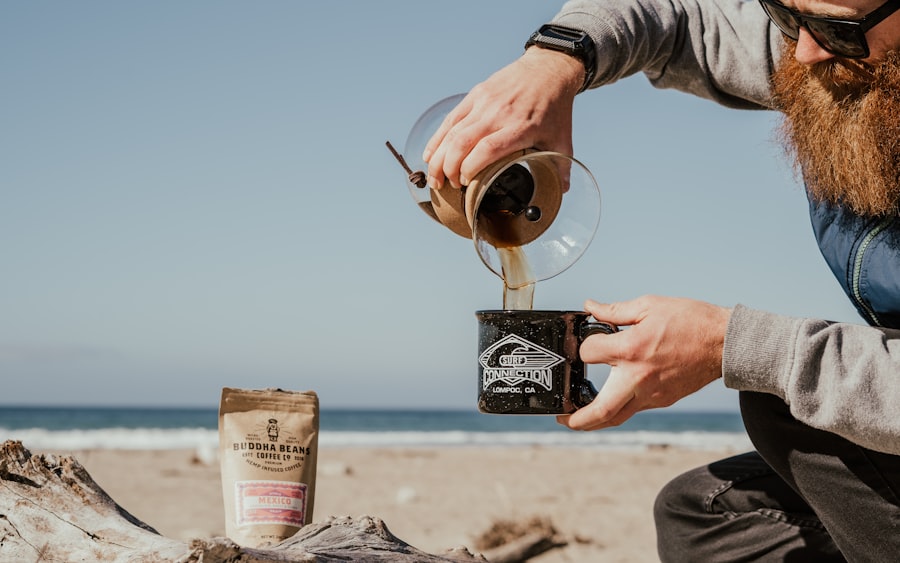
The differences between organic coffee and conventional coffee extend beyond farming practices; they also encompass flavor profiles, health benefits, and environmental impact. Organic coffee is cultivated without synthetic chemicals, which means it is less likely to contain pesticide residues that can affect our health. This aspect alone makes organic coffee an appealing choice for those who prioritize their well-being.
In terms of flavor, many aficionados argue that organic coffee tends to have a more complex taste due to the natural growing conditions and biodiversity associated with organic farming. Conventional coffee may be produced in monocultures that rely heavily on chemical inputs, potentially leading to less nuanced flavors. As we weigh these differences, it becomes clear that choosing organic coffee is not just about personal preference; it is also about making a conscious decision that aligns with our values regarding health and environmental stewardship.
Where to Buy the Best Organic Coffee
Finding high-quality organic coffee has never been easier thanks to the proliferation of online retailers and specialty coffee shops. Many local cafes now offer a selection of organic options sourced from reputable brands. Visiting these establishments allows us to engage with knowledgeable baristas who can guide us in selecting the perfect brew based on our taste preferences.
For those who prefer online shopping, numerous websites specialize in organic coffee delivery straight to our doors. Retailers like Amazon or dedicated coffee subscription services provide access to a wide range of brands and blends. Additionally, many roasters have their own online stores where we can purchase freshly roasted beans directly from the source.
By exploring these avenues, we can ensure that we are getting the best organic coffee available while supporting ethical businesses.
Making the Perfect Cup of Organic Coffee at Home
Once we’ve selected our favorite organic coffee beans, the next step is mastering the art of brewing at home. The brewing method we choose can significantly impact the final flavor of our cup. Whether we opt for a French press, pour-over, or espresso machine, each method offers unique advantages that can enhance our experience.
To make the perfect cup of organic coffee, we should start by using fresh beans ground just before brewing. The grind size will depend on our chosen method; for instance, coarser grinds work well for French presses while finer grinds are ideal for espresso machines. Additionally, paying attention to water temperature is crucial—ideally between 195°F to 205°F—to extract optimal flavors without bitterness.
By experimenting with different brewing techniques and ratios of coffee to water, we can fine-tune our approach until we achieve our ideal cup of organic coffee at home. In conclusion, embracing organic coffee opens up a world of flavors while supporting sustainable practices and fair trade principles.
Whether we’re sipping a light roast from Ethiopia or indulging in a bold blend from Colombia, each cup serves as a reminder of our connection to the land and the people who cultivate it.
FAQs
What is organic coffee?
Organic coffee is grown without the use of synthetic pesticides, herbicides, or fertilizers. It is produced using sustainable farming practices that promote the health of the soil and surrounding ecosystems.
What makes a coffee organic?
For coffee to be considered organic, it must be grown and processed according to specific standards set by organic certification organizations. These standards typically include requirements for soil health, biodiversity, and the exclusion of synthetic chemicals.
What are the benefits of organic coffee?
Organic coffee is often considered to be healthier for both the consumer and the environment. It is free from potentially harmful synthetic chemicals, and its production promotes sustainable farming practices and the preservation of natural ecosystems.
How can I identify organic coffee?
Look for the “USDA Organic” or similar certification label on the packaging of coffee products. This indicates that the coffee has been certified as organic by a recognized organic certification organization.
What is the best organic coffee?
The best organic coffee is subjective and can vary depending on individual preferences. Factors to consider when choosing the best organic coffee include flavor profile, roast level, and the specific growing region of the coffee beans. It’s recommended to try different organic coffee brands and varieties to find the one that best suits your taste.


