

When we think about organic coffee, we often envision a product that is not only delicious but also cultivated in a way that respects the environment and promotes sustainable farming practices. The term “organic” refers to the methods used in growing and processing the coffee beans. Specifically, organic coffee is produced without the use of synthetic fertilizers, pesticides, or herbicides.
Instead, it relies on natural processes and materials to nurture the plants and protect them from pests. This approach not only enhances the quality of the coffee but also contributes to a healthier ecosystem. Moreover, organic coffee is typically grown in harmony with its surrounding environment.
Farmers often use techniques such as crop rotation, composting, and intercropping to maintain soil fertility and biodiversity. This holistic approach not only benefits the coffee plants but also supports local wildlife and helps preserve the natural landscape. As we delve deeper into the world of organic coffee, we begin to appreciate not just the flavor profile of our favorite brew but also the ethical and environmental considerations that come with it.
Key Takeaways
- “Organic coffee” refers to coffee that is grown without the use of synthetic pesticides, herbicides, or fertilizers, and is often shade-grown and bird-friendly.
- The benefits of organic coffee include better taste, higher nutritional value, and reduced exposure to harmful chemicals for both farmers and consumers.
- Organic coffee is produced using sustainable farming practices such as crop rotation, composting, and natural pest control methods.
- The certification process for organic coffee involves strict standards and regular inspections to ensure compliance with organic farming practices.
- The difference between organic and conventional coffee lies in the farming methods, environmental impact, and potential health effects for consumers.
- Organic coffee farming has a positive environmental impact, including preserving biodiversity, conserving water and soil, and reducing carbon emissions.
- Supporting organic coffee farmers is important for promoting sustainable agriculture, fair labor practices, and protecting the environment.
- Tips for finding and enjoying organic coffee include looking for organic certification labels, exploring different flavor profiles, and brewing with sustainable methods such as French press or pour-over.
The benefits of organic coffee
The benefits of organic coffee extend beyond its rich flavor and aroma. One of the most significant advantages is its potential health benefits. Organic coffee is often free from harmful chemicals that can linger on conventionally grown beans.
By choosing organic, we reduce our exposure to these substances, which can have adverse effects on our health over time. Additionally, organic coffee is often richer in antioxidants, which are known to combat oxidative stress and may contribute to overall well-being. Beyond personal health, supporting organic coffee also has broader implications for the environment and local communities.
Organic farming practices promote biodiversity and soil health, which are crucial for sustainable agriculture. By choosing organic coffee, we are not only enjoying a superior product but also supporting farming methods that protect ecosystems and promote the welfare of farmers.
How is organic coffee produced?

The production of organic coffee involves a meticulous process that prioritizes sustainability at every stage. It begins with selecting high-quality seeds that are well-suited to the local climate and soil conditions. Farmers often grow their coffee plants in shaded areas, which helps maintain a balanced ecosystem and reduces the need for artificial fertilizers.
This shade-grown method not only protects the coffee plants from harsh sunlight but also provides habitat for various species of birds and insects. Once the coffee cherries are harvested, they undergo a careful processing method that adheres to organic standards. This typically involves washing the cherries to remove any impurities and then fermenting them naturally without chemical additives.
After fermentation, the beans are dried in the sun or using energy-efficient methods, ensuring that they retain their unique flavors and aromas. Throughout this process, farmers remain committed to organic practices, ensuring that every cup of coffee we enjoy is a product of their dedication to sustainability.
The certification process for organic coffee
The journey of organic coffee from farm to cup is not complete without a rigorous certification process that ensures compliance with organic standards. To be certified organic, farmers must adhere to specific guidelines set by regulatory bodies, which vary by country. This process typically involves a thorough inspection of farming practices, soil health, and pest management strategies.
Farmers must demonstrate that they have been using organic methods for a minimum period—often three years—before they can receive certification. Once certified, farmers must maintain their organic status through regular inspections and documentation of their practices. This ongoing commitment ensures that consumers can trust that the organic label reflects genuine adherence to sustainable farming methods.
For us as consumers, understanding this certification process adds another layer of appreciation for the organic coffee we choose to drink. It reassures us that our purchase supports ethical practices and contributes to a healthier planet.
The difference between organic and conventional coffee
The distinction between organic and conventional coffee lies primarily in the methods used during cultivation and processing. Conventional coffee farming often relies on synthetic chemicals to enhance growth and control pests, which can lead to soil degradation and water pollution over time. In contrast, organic coffee farming emphasizes natural methods that promote soil health and biodiversity.
This fundamental difference not only affects the environmental impact of coffee production but also influences the flavor profile of the final product. In terms of taste, many enthusiasts argue that organic coffee offers a more complex flavor experience compared to its conventional counterpart. The absence of chemical fertilizers allows the natural characteristics of the beans to shine through, resulting in a cup that reflects its unique terroir.
As we explore different varieties of organic coffee, we may find ourselves drawn to flavors that are more vibrant and nuanced than those found in conventionally grown beans.
The environmental impact of organic coffee farming
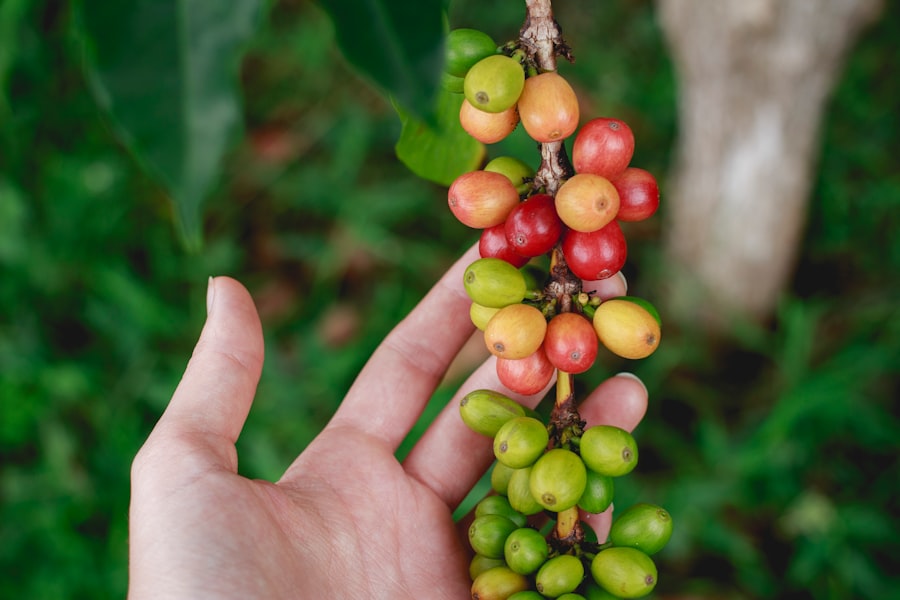
The environmental impact of organic coffee farming is a topic that resonates deeply with many of us who are concerned about sustainability. Organic practices contribute significantly to soil health by avoiding harmful chemicals that can leach into waterways and disrupt local ecosystems. By fostering biodiversity through shade-grown methods and intercropping, organic farms create habitats for various species, promoting a balanced ecosystem that benefits both wildlife and agriculture.
Additionally, organic coffee farming often requires less water than conventional methods due to improved soil structure and moisture retention. This is particularly important in regions where water scarcity is a pressing issue. By choosing organic coffee, we are not only supporting farmers who prioritize sustainable practices but also contributing to a more resilient agricultural system that can withstand climate change challenges.
The importance of supporting organic coffee farmers
Supporting organic coffee farmers goes beyond simply enjoying a great cup of coffee; it represents a commitment to ethical consumption and social responsibility. Many small-scale farmers rely on organic certification as a means to access premium markets and receive fair prices for their products. By choosing organic coffee, we help ensure that these farmers can sustain their livelihoods while adhering to environmentally friendly practices.
Moreover, supporting organic farmers fosters community development and empowerment. Many organic coffee cooperatives invest in local education, healthcare, and infrastructure projects, creating positive ripple effects within their communities. When we purchase organic coffee, we are not just buying a product; we are investing in people and their futures.
This connection between our choices and their impact on farmers’ lives adds depth to our appreciation for every sip we take.
Tips for finding and enjoying organic coffee
Finding and enjoying organic coffee can be an enriching experience if we know where to look and how to appreciate it fully. One of the best places to start is by exploring local roasters or specialty coffee shops that prioritize sourcing high-quality organic beans. Many of these establishments take pride in their relationships with farmers and can provide insights into the origins of their coffee.
When brewing our organic coffee at home, experimenting with different brewing methods can enhance our enjoyment even further. Whether we prefer pour-over, French press, or espresso, each method brings out unique flavors in the beans. Additionally, paying attention to grind size and water temperature can make a significant difference in our final cup.
As we savor our organic brew, taking time to appreciate its aroma and flavor notes allows us to connect more deeply with the journey from farm to cup.
By understanding what makes organic coffee unique and supporting those who produce it, we contribute to a more sustainable future while indulging in one of life’s simple pleasures.
FAQs
What is “organic coffee”?
Organic coffee refers to coffee that is grown and produced without the use of synthetic pesticides, herbicides, or fertilizers. It is typically grown using sustainable farming practices that promote soil health and biodiversity.
How is organic coffee different from conventional coffee?
Organic coffee is grown without the use of synthetic chemicals, whereas conventional coffee is often grown using synthetic pesticides, herbicides, and fertilizers. Organic coffee farming also emphasizes environmental sustainability and the well-being of farm workers.
What are the benefits of organic coffee?
Organic coffee is often considered to be healthier for both consumers and the environment. It is free from synthetic chemicals, which may reduce the risk of exposure to harmful residues. Additionally, organic coffee farming practices promote soil health and biodiversity.
How can I identify organic coffee?
Look for coffee that has been certified as organic by a reputable third-party organization, such as the USDA Organic or the European Union Organic certification. These certifications ensure that the coffee has been produced in accordance with organic standards.
Is organic coffee more expensive than conventional coffee?
Organic coffee is often priced higher than conventional coffee due to the additional labor and resources required for organic farming practices. However, the price difference may vary depending on factors such as location, demand, and availability.


