

In the world of commerce, the concept of fair pricing is paramount. We believe that fair prices for products are not merely a matter of ethics but a fundamental principle that drives sustainable economic growth. When producers receive fair compensation for their goods, it fosters a sense of dignity and respect for their labor.
This principle is especially crucial in developing regions where farmers and artisans often struggle to make ends meet. By ensuring that they receive a fair price, we can help lift communities out of poverty and create a more equitable marketplace. Moreover, fair pricing encourages quality over quantity.
When producers are assured that their hard work will be rewarded, they are more likely to invest time and resources into improving their products. This not only benefits the producers but also enhances the overall quality of goods available to consumers. As we advocate for fair prices, we also promote a culture of transparency and trust between buyers and sellers, which ultimately leads to stronger economic relationships and a healthier marketplace.
Key Takeaways
- Fair prices for products ensure that producers receive a just compensation for their hard work and dedication.
- Access to international markets opens up opportunities for producers to reach a wider customer base and increase their income.
- Long-term trading relationships provide stability and security for producers, allowing them to plan for the future and invest in their businesses.
- Environmental sustainability practices help protect the planet and ensure that resources are preserved for future generations.
- Safe and healthy working conditions are essential for the well-being of producers and contribute to a more sustainable and ethical supply chain.
Access to international markets
Access to international markets is a game-changer for many small-scale producers. We recognize that globalization has opened doors for countless entrepreneurs, allowing them to reach customers far beyond their local communities. By tapping into international markets, producers can diversify their income sources and reduce their vulnerability to local economic fluctuations.
This access not only provides them with greater financial stability but also exposes them to new ideas, technologies, and practices that can enhance their production methods. Furthermore, entering international markets can lead to increased demand for unique products that reflect local culture and craftsmanship. We see this as an opportunity to celebrate diversity while promoting fair trade practices.
By connecting local producers with global consumers, we can create a more inclusive economy that values the contributions of all participants. This not only benefits the producers but also enriches the global marketplace with unique offerings that tell the stories of their origins.
Long-term trading relationships
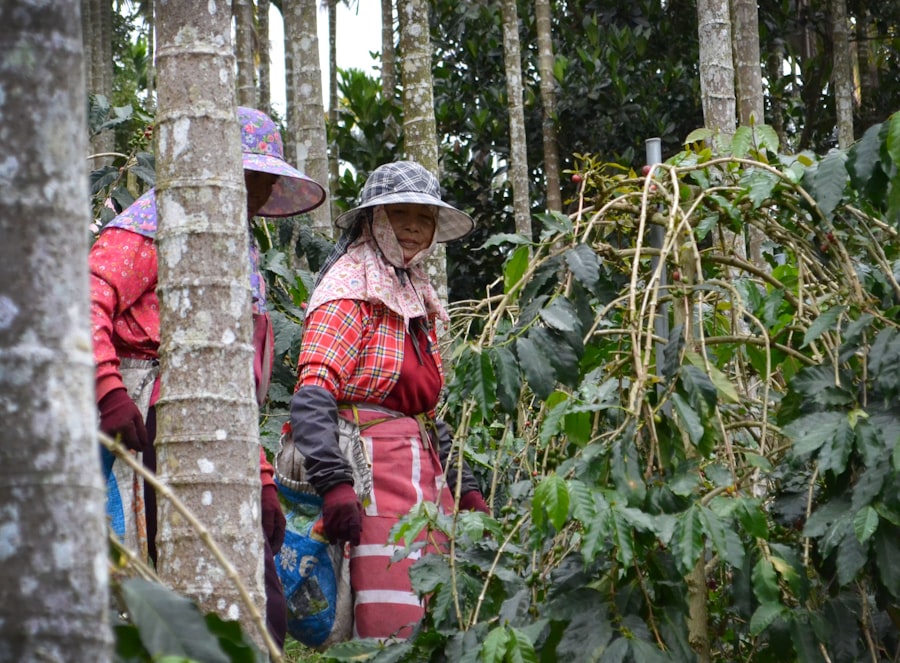
Building long-term trading relationships is essential for fostering trust and stability in the marketplace. We understand that these relationships are not just transactional; they are partnerships based on mutual respect and shared goals. When we engage in long-term trading, we create an environment where both parties can invest in each other’s success.
This commitment leads to better communication, collaboration, and ultimately, improved outcomes for everyone involved. Moreover, long-term relationships allow us to support producers in their growth journey. By providing consistent orders and feedback, we can help them refine their products and expand their capabilities.
This collaborative approach not only strengthens our business ties but also contributes to the overall development of the communities we work with. As we prioritize long-term relationships, we are investing in a sustainable future where everyone benefits from shared success.
Environmental sustainability
Environmental sustainability is a critical consideration in today’s business landscape. We recognize that our actions have far-reaching consequences on the planet, and it is our responsibility to minimize our ecological footprint. By prioritizing sustainable practices, we can ensure that future generations inherit a healthy environment.
This commitment involves sourcing materials responsibly, reducing waste, and supporting producers who prioritize eco-friendly methods. In addition to protecting the environment, sustainable practices can also enhance the resilience of communities. When we support producers who use sustainable farming techniques or eco-friendly materials, we contribute to the preservation of biodiversity and natural resources.
This not only benefits the environment but also strengthens local economies by promoting practices that are viable in the long term. As we champion environmental sustainability, we are paving the way for a more harmonious relationship between commerce and nature.
Safe and healthy working conditions
Creating safe and healthy working conditions is non-negotiable in our pursuit of ethical business practices. We believe that every worker deserves to operate in an environment that prioritizes their well-being. This includes ensuring proper safety measures, access to healthcare, and fair working hours.
By advocating for these standards, we can help prevent exploitation and promote a culture of respect within the workplace. Moreover, when workers feel safe and valued, their productivity and morale increase significantly. We understand that investing in the well-being of employees leads to better outcomes for businesses as well.
By fostering a positive work environment, we not only enhance the quality of products but also contribute to the overall success of our trading partners. As we strive for safe and healthy working conditions, we are building a foundation for sustainable growth that benefits everyone involved.
Community development projects

Community development projects play a vital role in enhancing the quality of life for individuals and families in underserved areas. We believe that businesses have a responsibility to give back to the communities from which they source their products. By investing in community development initiatives, we can address pressing social issues such as education, healthcare, and infrastructure.
These projects not only improve living conditions but also empower individuals to take charge of their futures. For instance, by supporting educational programs or vocational training, we can equip community members with the skills they need to thrive in a competitive job market. Additionally, community development projects foster a sense of belonging and pride among residents, creating a more cohesive society.
As we engage in these initiatives, we are not just fulfilling our corporate social responsibility; we are actively contributing to the betterment of society as a whole.
Empowerment and capacity building
Empowerment and capacity building are essential components of sustainable development. We believe that by equipping individuals with the skills and knowledge they need, we can help them break free from cycles of poverty and dependency. This involves providing training programs, access to resources, and opportunities for personal growth.
When we empower individuals, we enable them to take control of their lives and make informed decisions about their futures. This empowerment extends beyond economic independence; it fosters confidence and resilience within communities. As individuals gain skills and knowledge, they become agents of change who can contribute positively to their families and neighborhoods.
Transparency and accountability
Transparency and accountability are cornerstones of ethical business practices. We understand that consumers today demand more than just quality products; they seek assurance that their purchases align with their values. By being transparent about our sourcing practices, labor conditions, and environmental impact, we build trust with our customers.
Moreover, accountability ensures that we hold ourselves responsible for our actions and decisions. This commitment to ethical conduct not only enhances our reputation but also encourages others in the industry to follow suit. As we advocate for transparency and accountability, we are fostering a culture of integrity that benefits everyone involved in the supply chain.
Ultimately, this approach leads to stronger relationships with consumers who appreciate our dedication to ethical practices. In conclusion, as we navigate the complexities of global trade, it is essential that we remain committed to principles that promote fairness, sustainability, and community well-being. By prioritizing fair prices, access to international markets, long-term relationships, environmental sustainability, safe working conditions, community development projects, empowerment initiatives, and transparency, we can create a more equitable world where everyone has the opportunity to thrive.
Together, let us champion these values as we work towards a brighter future for all stakeholders involved in our global economy.
FAQs
What is Fair-Trade?
Fair-Trade is a social movement and market-based approach that aims to help producers in developing countries achieve better trading conditions and promote sustainability.
What does Fair-Trade ensure for farmers?
Fair-Trade ensures that farmers receive a fair price for their products, have access to better trading conditions, and are supported in implementing environmentally sustainable practices.
How does Fair-Trade benefit farmers?
Fair-Trade benefits farmers by providing them with stable and fair prices for their products, enabling them to invest in their communities, and supporting sustainable farming practices.
What are the criteria for Fair-Trade certification?
The criteria for Fair-Trade certification include fair prices, safe and healthy working conditions, environmental sustainability, and community development.
How does Fair-Trade certification impact consumers?
Fair-Trade certification allows consumers to support ethical and sustainable practices by choosing products that have been produced in a socially and environmentally responsible manner.


