Coffee is a complex beverage with a rich history, and at its core are the various types of coffee beans that contribute to its diverse flavors and aromas. The two most prominent varieties are Arabica and Robusta. Arabica beans, known for their smooth, mild flavor and aromatic qualities, account for about 60-70% of global coffee production.
They thrive in higher altitudes and cooler climates, which allows them to develop a more nuanced flavor profile. Common tasting notes for Arabica include hints of fruit, sugar, and floral undertones, making it a favorite among coffee connoisseurs. On the other hand, Robusta beans are hardier and more resilient, often grown at lower altitudes and in harsher conditions.
They contain higher caffeine levels and have a stronger, more bitter taste compared to Arabica.
Additionally, there are lesser-known varieties such as Liberica and Excelsa, which offer unique flavor profiles that can be intriguing for adventurous coffee drinkers.
Liberica has a distinct floral aroma and fruity taste, while Excelsa is known for its tartness and dark fruit notes.
Key Takeaways
- Different coffee bean varieties offer unique flavors and characteristics based on their origin and processing methods.
- When choosing coffee beans, consider factors such as roast level, flavor profile, and brewing method to find the best match for your preferences.
- Light roast coffee beans are more acidic and have a brighter flavor, while dark roast beans are richer and more full-bodied.
- Single-origin coffee beans showcase the distinct flavors of a specific region, while blends offer a balanced and complex flavor profile.
- Espresso lovers should look for coffee beans with a rich and bold flavor, a smooth and creamy texture, and a dark roast profile.
Factors to Consider When Choosing Coffee Beans
When selecting coffee beans, several factors come into play that can significantly influence your brewing experience. One of the primary considerations is the origin of the beans. Coffee is grown in various regions around the world, each imparting unique characteristics based on the local climate, soil conditions, and cultivation methods.
For instance, Ethiopian coffees are often celebrated for their bright acidity and fruity flavors, while Colombian coffees are known for their balanced profiles with nutty undertones. Understanding the geographical nuances can help you choose beans that align with your flavor preferences. Another critical factor is the processing method used to prepare the beans after harvesting.
The two main methods are washed (or wet) processing and natural (or dry) processing. Washed coffees tend to have a cleaner taste with pronounced acidity, as the fruit is removed from the bean before fermentation. In contrast, natural coffees retain the fruit during drying, resulting in a sweeter, more complex flavor profile.
Additionally, freshness is paramount; coffee beans begin to lose their flavor shortly after roasting. Therefore, sourcing beans from local roasters or purchasing them in small batches can ensure you enjoy the full spectrum of flavors that freshly roasted coffee has to offer.
The debate between light and dark roast coffee is one that often divides coffee enthusiasts. Light roasts are characterized by their bright acidity and pronounced flavors, often showcasing the unique characteristics of the bean’s origin. These roasts are typically roasted for a shorter time, allowing the natural flavors to shine through without being overshadowed by the roasting process itself.
Tasting notes can range from fruity and floral to herbal and spicy, making light roasts an excellent choice for those who appreciate complexity in their cup. Conversely, dark roasts are known for their boldness and rich body. The extended roasting time caramelizes the sugars in the beans, resulting in a deeper flavor profile that can include notes of chocolate, nuts, and even smokiness.
While some coffee drinkers prefer the robust flavors of dark roasts, others may find them too overpowering or bitter. Ultimately, the choice between light and dark roast comes down to personal preference; experimenting with both can help you discover which roast aligns best with your palate.
Single-origin coffee refers to beans sourced from a specific region or farm, allowing drinkers to experience the unique characteristics of that particular locale. These coffees often highlight the terroir—the environmental factors that affect the crop—resulting in distinct flavor profiles that reflect their origins. For example, a single-origin coffee from Guatemala may exhibit chocolatey notes with a hint of spice due to the volcanic soil in which it was grown.
This focus on origin can create a more intimate connection between the drinker and the coffee. In contrast, blended coffees combine beans from multiple origins to create a balanced flavor profile that appeals to a broader audience. Roasters often craft blends to achieve specific taste goals or to ensure consistency across batches.
For instance, a popular espresso blend might include beans from Brazil for sweetness, Colombia for balance, and Ethiopia for brightness. While blends can offer a harmonious cup, they may lack the distinctiveness found in single-origin coffees. Ultimately, whether you prefer single-origin or blends will depend on your desire for exploration versus consistency in your coffee experience.
The Best Coffee Beans for Espresso Lovers
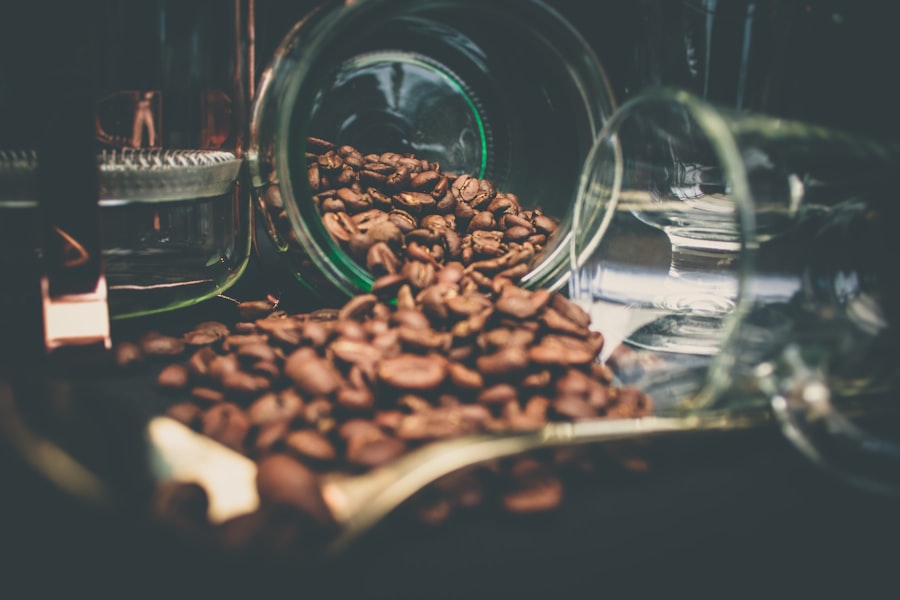
Espresso is a concentrated form of coffee brewed by forcing hot water through finely-ground coffee under pressure. The choice of beans plays a crucial role in achieving the perfect shot of espresso. Many espresso aficionados prefer blends that combine both Arabica and Robusta beans to create a rich crema and robust flavor profile.
A common approach is to use Arabica for its sweetness and complexity while incorporating Robusta for added body and crema stability. When selecting beans specifically for espresso, look for those labeled as “espresso roast,” which typically indicates a darker roast profile designed to enhance the bold flavors needed for espresso preparation. Popular choices include Italian-style blends that emphasize chocolatey notes and low acidity, making them ideal for milk-based drinks like lattes and cappuccinos. Additionally, experimenting with different origins can yield exciting results; for instance, an Ethiopian espresso may surprise you with its fruity acidity and floral notes when brewed correctly.
Fair Trade and Organic Coffee Bean Options
| Coffee Bean Option | Fair Trade | Organic |
|---|---|---|
| Option 1 | Yes | Yes |
| Option 2 | Yes | No |
| Option 3 | No | Yes |
In recent years, there has been a growing awareness of ethical sourcing practices within the coffee industry. Fair Trade certification ensures that farmers receive fair compensation for their labor while promoting sustainable farming practices. This certification often leads to improved living conditions for farmers and their communities.
When you choose Fair Trade coffee beans, you support not only ethical labor practices but also environmental sustainability. Organic coffee is another option that appeals to environmentally conscious consumers. Organic certification guarantees that no synthetic pesticides or fertilizers were used during cultivation, promoting biodiversity and soil health.
Many organic farms also employ sustainable practices such as shade-grown cultivation, which helps preserve natural habitats for wildlife. By opting for Fair Trade or organic coffee beans, you can enjoy your daily cup of joe while contributing positively to both social equity and environmental stewardship.
Specialty Coffee Beans: What Sets Them Apart?
Specialty coffee refers to high-quality beans that have been meticulously cultivated, harvested, processed, and roasted to highlight their unique characteristics. To qualify as specialty coffee, beans must score 80 points or higher on a 100-point scale established by the Specialty Coffee Association (SCA). This rigorous grading system evaluates factors such as aroma, flavor, acidity, body, balance, and aftertaste.
What truly sets specialty coffee apart is the attention to detail at every stage of production—from farm management practices to post-harvest processing techniques. Many specialty coffee producers focus on heirloom varieties or unique processing methods that enhance flavor complexity. For example, anaerobic fermentation—a technique where beans are fermented in sealed containers—can produce extraordinary flavor profiles that are not typically found in commercially produced coffees.
For those seeking an elevated coffee experience, exploring specialty beans can lead to delightful discoveries.
Popular Coffee Bean Picks from Around the World
Coffee culture varies significantly across different regions of the globe, leading to diverse preferences in bean selection. In Ethiopia, often considered the birthplace of coffee, Yirgacheffe beans are highly sought after for their bright acidity and floral notes. These beans are typically processed using the washed method, resulting in a clean cup that showcases their inherent qualities.
In Colombia, renowned for its smooth and well-balanced coffees, Supremo beans are favored for their rich flavor profile with nutty undertones and mild acidity. Meanwhile, Brazilian coffees are often characterized by their chocolatey sweetness and low acidity; they are frequently used in blends due to their versatility. Each region offers unique characteristics that reflect local growing conditions and processing methods—exploring these options can provide an enriching experience for any coffee lover.
Roasting Techniques and Their Impact on Coffee Flavor
Roasting is a critical step in transforming green coffee beans into the aromatic beverage we enjoy daily. The roasting process involves applying heat to green beans until they reach specific temperatures that unlock their flavors through chemical reactions known as Maillard reactions and caramelization. Different roasting techniques can yield vastly different flavor profiles; for instance, light roasts retain more of the bean’s original characteristics while dark roasts emphasize roasted flavors.
There are various roasting methods employed by professionals and home roasters alike—drum roasting is one of the most common techniques used by commercial roasters due to its ability to produce consistent results across large batches. In contrast, air roasting uses hot air to circulate around the beans during roasting; this method allows for greater control over temperature but requires more attention during the process. Understanding these techniques can help you appreciate how roasting impacts flavor development in your favorite brews.
How to Store Coffee Beans for Maximum Freshness
To maintain the freshness of your coffee beans after purchase, proper storage is essential. Coffee is highly sensitive to environmental factors such as light, heat, moisture, and air exposure—all of which can degrade its quality over time. Ideally, coffee should be stored in an airtight container made from opaque materials to protect it from light exposure while minimizing air contact.
A cool, dark place away from direct sunlight is optimal for storing your coffee beans; many enthusiasts recommend using a pantry or cupboard rather than keeping them near heat sources like stoves or ovens. Additionally, consider purchasing whole beans instead of pre-ground coffee; grinding releases oils that contribute to flavor loss over time. By following these storage guidelines, you can ensure that your coffee remains fresh and flavorful until you’re ready to brew.
Finding Your Perfect Coffee Bean Match: Tips for Tasting and Pairing
Discovering your ideal coffee bean match involves more than just selecting based on origin or roast level; it also requires an understanding of how different flavors interact with various foods and beverages. Tasting coffee is akin to wine tasting—taking note of aroma, flavor notes, acidity levels, body texture, and aftertaste can help you identify what you enjoy most about each cup. When pairing coffee with food, consider complementary flavors; for example, a fruity Ethiopian Yirgacheffe may pair beautifully with pastries or desserts featuring berries or citrus elements due to their shared acidity profiles.
Conversely, a rich dark roast might enhance chocolate desserts or savory dishes like grilled meats thanks to its boldness and depth of flavor. Experimenting with different combinations can lead to delightful discoveries that elevate both your coffee experience and culinary adventures. By delving into these various aspects of coffee bean selection—from understanding different varieties to exploring ethical sourcing options—you can cultivate a deeper appreciation for this beloved beverage while finding your perfect match along the way.
FAQs
What are coffee beans?
Coffee beans are the seeds of the coffee plant, which are roasted and ground to make coffee. There are two main types of coffee beans: Arabica and Robusta.
What are Arabica coffee beans?
Arabica coffee beans are known for their smooth, mild flavor and are often considered to be of higher quality than Robusta beans. They are grown at higher altitudes and are more susceptible to pests and diseases.
What are Robusta coffee beans?
Robusta coffee beans have a stronger, more bitter flavor and contain more caffeine than Arabica beans. They are grown at lower altitudes and are more resistant to pests and diseases.
What are some popular coffee bean varieties?
Some popular coffee bean varieties include Ethiopian Yirgacheffe, Colombian Supremo, Kenyan AA, and Sumatra Mandheling. Each variety has its own unique flavor profile and characteristics.
What factors should be considered when choosing coffee beans?
When choosing coffee beans, factors to consider include the roast level (light, medium, dark), the flavor profile (fruity, nutty, chocolatey, etc.), and the origin of the beans (single origin or blend).
What are some popular coffee bean brands?
Some popular coffee bean brands include Starbucks, Peet’s Coffee, Lavazza, Illy, and Blue Bottle Coffee. These brands offer a variety of coffee bean options to suit different preferences.