

When we think about coffee, the experience often transcends mere consumption; it becomes a ritual, a moment of indulgence that sets the tone for our day. Whole bean coffee has gained a devoted following among enthusiasts who appreciate not just the beverage itself but the entire process surrounding it. The allure of whole bean coffee lies in its promise of quality and authenticity.
Unlike pre-ground options, which can sometimes feel like a compromise, whole beans offer a direct connection to the source. We find ourselves drawn to the idea of grinding our own beans, allowing us to engage more intimately with the coffee-making process. Moreover, the visual appeal of whole beans cannot be understated.
The rich, glossy surface of freshly roasted beans invites us to explore their unique characteristics. Each variety tells a story, from the region it hails from to the specific roasting method employed. As we delve into the world of whole bean coffee, we discover a vast array of flavors and profiles that can elevate our coffee experience.
This exploration fosters a sense of adventure and curiosity, encouraging us to experiment with different beans and brewing methods. In this way, whole bean coffee becomes not just a drink but a journey, one that we embark on with every cup.
Key Takeaways
- Whole bean coffee offers a more appealing and authentic coffee experience for enthusiasts
- The flavor and aroma of whole bean coffee is richer and more complex compared to pre-ground coffee
- Freshness is a key factor in the quality of coffee, and whole bean coffee provides a fresher option
- Pre-ground coffee offers convenience for those with limited time or resources for grinding beans
- Whole bean coffee may be more cost-effective in the long run, despite the initial investment in a grinder
The Flavor and Aroma of Whole Bean Coffee
One of the most compelling reasons we gravitate toward whole bean coffee is the unparalleled flavor and aroma it offers. When we grind our own beans just before brewing, we unlock a symphony of flavors that pre-ground coffee simply cannot match. The essential oils and volatile compounds that contribute to coffee’s rich taste are preserved within the whole beans until we release them through grinding.
This process allows us to experience the full spectrum of flavors, from fruity and floral notes to deep, chocolatey undertones. The aroma of freshly ground coffee is an experience in itself. As we inhale the rich, intoxicating scent that wafts through the air, we are transported to distant coffee farms and sun-drenched plantations.
This sensory experience enhances our appreciation for the beverage, making each cup feel like a special occasion. We often find ourselves savoring not just the taste but also the fragrant bouquet that accompanies our morning ritual. The complexity of flavors and aromas in whole bean coffee invites us to slow down and truly enjoy each sip, transforming our coffee-drinking experience into a moment of mindfulness.
The Freshness Factor
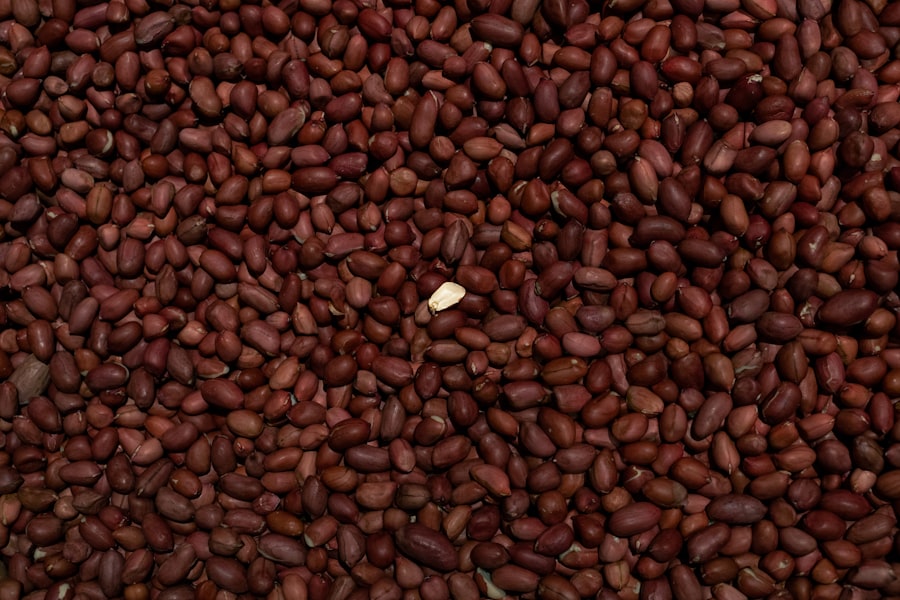
Freshness is a critical component in determining the quality of our coffee, and whole bean coffee excels in this regard. When we purchase whole beans, we have the opportunity to select freshly roasted options that retain their flavor and aroma for longer periods compared to pre-ground varieties. The moment coffee is ground, it begins to lose its freshness due to exposure to air, moisture, and light.
By choosing whole beans, we can ensure that we are enjoying our coffee at its peak. Additionally, the freshness factor extends beyond just the roasting date; it also encompasses how we store our beans. Whole beans can be kept in airtight containers away from light and heat, allowing us to maintain their quality for an extended period.
This level of control over freshness is something we often take for granted when opting for pre-ground coffee, which may have been sitting on store shelves for weeks or even months. By prioritizing whole bean coffee, we are making a conscious choice to elevate our daily brew and enjoy it in its most vibrant form.
The Convenience of Pre-Ground Coffee
While whole bean coffee offers numerous advantages, we cannot overlook the convenience that pre-ground coffee provides. For many of us with busy lifestyles, the quick and easy option of grabbing a bag of pre-ground coffee can be tempting. It eliminates the need for an additional step in our morning routine—grinding the beans—and allows us to brew our coffee almost instantly.
This convenience can be particularly appealing on hectic mornings when every minute counts. Moreover, pre-ground coffee is often more accessible in terms of availability and variety. We can find a wide range of blends and flavors at our local grocery store without having to seek out specialty shops or roasters.
For those who may not have access to high-quality whole bean options or who are new to the world of coffee, pre-ground varieties can serve as an introduction to different flavors and profiles without requiring extensive knowledge or equipment. In this sense, pre-ground coffee can be seen as a practical choice for those who prioritize ease over the nuances of flavor.
The Cost Comparison
When considering our options between whole bean and pre-ground coffee, cost is often a significant factor in our decision-making process. Generally speaking, whole bean coffee tends to be more expensive than its pre-ground counterparts. This price difference can be attributed to several factors, including sourcing high-quality beans and the roasting process involved in producing premium blends.
However, while we may initially perceive whole bean coffee as a more costly investment, it is essential to consider the value it brings. In many cases, purchasing whole beans can actually lead to cost savings in the long run. Since we have control over how much we grind at any given time, we can avoid waste by only preparing what we need for each brew.
Additionally, because whole beans retain their freshness longer than pre-ground options, we may find ourselves enjoying better-tasting coffee without needing to purchase new bags as frequently. Ultimately, while the upfront cost may be higher for whole bean coffee, the enhanced flavor experience and potential savings over time make it a worthwhile consideration for many of us.
The Brewing Process
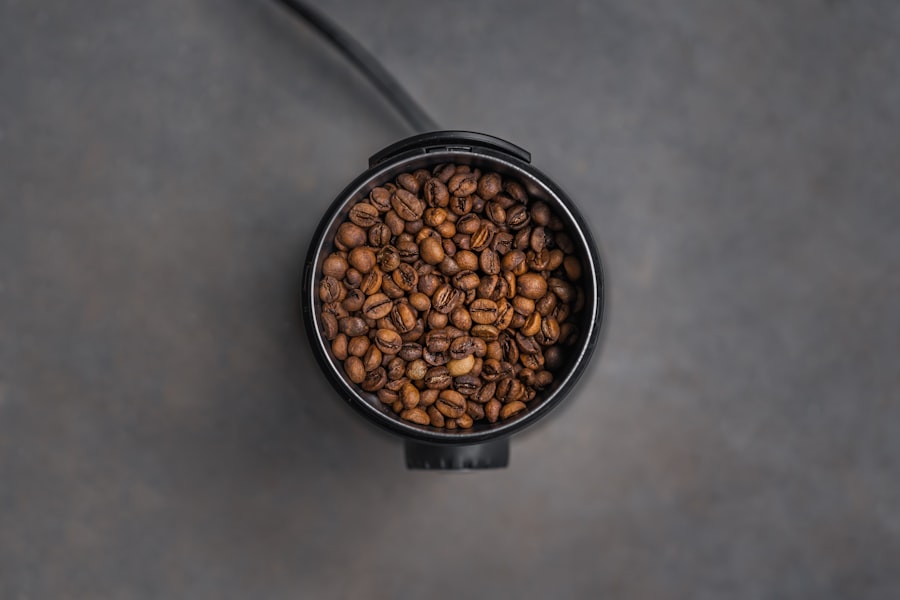
The brewing process is where our passion for coffee truly comes alive, and choosing between whole bean and pre-ground options can significantly impact this experience. When we opt for whole beans, we engage in a multi-step ritual that allows us to connect with our beverage on a deeper level. From selecting our preferred beans to grinding them just before brewing, each step becomes an opportunity for mindfulness and creativity.
Grinding our own beans allows us to experiment with different grind sizes based on our brewing method—coarse for French press, medium for drip coffee makers, or fine for espresso machines. This level of customization empowers us to tailor our brew to our specific tastes and preferences. In contrast, pre-ground coffee often comes with a one-size-fits-all grind that may not suit every brewing method as effectively.
By embracing whole bean coffee, we not only enhance our brewing skills but also cultivate a greater appreciation for the art of making coffee.
The Storage and Shelf Life
Proper storage is crucial for maintaining the quality of our coffee, regardless of whether we choose whole beans or pre-ground options. However, when it comes to whole bean coffee, we have more control over how long our beans will last before losing their flavor and aroma.
In contrast, pre-ground coffee has a shorter shelf life due to its increased exposure to air once it has been ground. Even when stored properly, ground coffee tends to lose its flavor more quickly than whole beans. This difference in shelf life can influence our purchasing decisions; if we are not regular coffee drinkers or if we prefer to buy in bulk, whole beans may be the better option for ensuring that we always have fresh coffee on hand.
Ultimately, the decision between whole bean and pre-ground coffee comes down to personal preference and lifestyle considerations. For those who value flavor and freshness above all else, whole bean coffee presents an enticing option that allows us to explore a world of diverse flavors while engaging in a fulfilling brewing ritual. The sensory experience of grinding fresh beans adds an element of excitement to our daily routine that many of us cherish.
On the other hand, pre-ground coffee offers undeniable convenience for those with busy schedules or limited access to specialty shops. It provides an accessible entry point into the world of coffee without requiring extensive knowledge or equipment. As we weigh these factors against one another, it becomes clear that both options have their merits.
In conclusion, whether we choose whole bean or pre-ground coffee ultimately reflects our individual preferences and priorities as coffee drinkers. By understanding the unique benefits and drawbacks of each option, we can make informed choices that enhance our overall coffee experience—one cup at a time.
FAQs
What is whole bean coffee?
Whole bean coffee refers to coffee that has been roasted and then left in its whole, unground form. This means that the coffee beans are not yet broken down into smaller pieces, and they retain their full flavor and aroma.
Is whole bean coffee always better than ground coffee?
Whether whole bean coffee is better than ground coffee depends on personal preference and how the coffee will be brewed. Whole bean coffee tends to retain its flavor and aroma better than ground coffee, but it requires grinding before brewing. Ground coffee, on the other hand, is more convenient but may lose some of its flavor and aroma over time.
What are the advantages of whole bean coffee?
Whole bean coffee retains its flavor and aroma better than ground coffee, as the beans are not exposed to as much air and moisture. It also allows for more control over the grind size, which can affect the flavor and strength of the coffee.
How should whole bean coffee be stored?
Whole bean coffee should be stored in an airtight container in a cool, dark place to preserve its flavor and aroma. It is best to use the coffee within a few weeks of roasting for the freshest taste.
Can whole bean coffee be used in any coffee maker?
Whole bean coffee can be used in any coffee maker, but it will need to be ground before brewing. Some coffee makers have built-in grinders, while others require a separate grinder to be used.


