

The Fair Trade Movement emerged as a response to the inequities of global trade, aiming to create a more just and equitable system for producers in developing countries. It seeks to empower farmers and artisans by ensuring they receive fair compensation for their labor and products.
By prioritizing social justice and economic equity, the Fair Trade Movement has become a beacon of hope for many marginalized communities around the world. As we delve deeper into the Fair Trade Movement, we recognize its multifaceted nature. It encompasses various sectors, including coffee, chocolate, textiles, and handicrafts.
Each sector faces unique challenges, yet they all share a common goal: to create a more equitable trading system. The movement encourages consumers to make informed choices, fostering a sense of responsibility towards the producers behind the products we enjoy. By supporting Fair Trade, we contribute to a global network that values human dignity and environmental sustainability.
Key Takeaways
- The Fair Trade Movement promotes fair wages and working conditions for farmers and workers in developing countries.
- Fair Trade coffee is important because it ensures that farmers receive fair compensation for their labor and helps to promote sustainable farming practices.
- Starbucks is committed to ethical sourcing and has made efforts to increase the amount of Fair Trade coffee in their stores.
- Fair Trade certification ensures that coffee is produced and traded in a way that is socially and environmentally responsible.
- Currently, only a small percentage of the coffee sold at Starbucks is Fair Trade certified, but the company is working to increase this amount.
The Importance of Fair Trade Coffee
The Impact on Farmers and Their Families
Coffee is more than just a beverage; it is a lifeline for millions of farmers and their families in developing countries. By purchasing Fair Trade coffee, consumers are not only enjoying a high-quality product but also supporting sustainable farming practices and fair wages for farmers.
Fostering a Sense of Community and Shared Responsibility
The connection between consumers and producers fosters a sense of community and shared responsibility. This goes beyond economic benefits, as Fair Trade coffee promotes environmental sustainability by encouraging organic farming practices and reducing the use of harmful pesticides.
A Commitment to Sustainable Agriculture
This commitment to sustainable agriculture helps protect biodiversity and ensures that future generations can continue to enjoy high-quality coffee. As consumers sip their morning brew, they can take pride in knowing that their choices contribute to a healthier planet and a more equitable world.
Starbucks’ Commitment to Ethical Sourcing
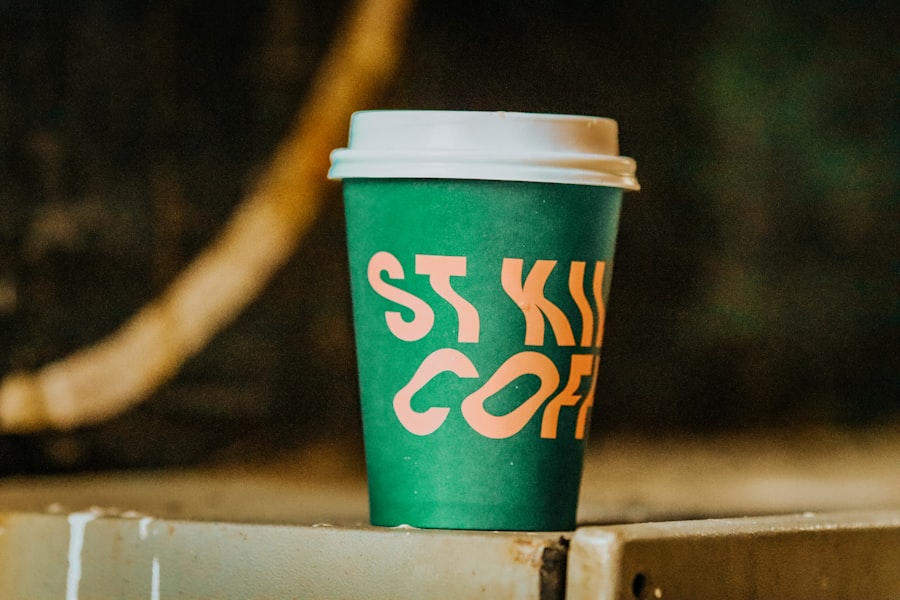
Starbucks has long been recognized for its commitment to ethical sourcing, particularly in its coffee supply chain. The company understands that its success is intertwined with the well-being of the farmers who grow its coffee beans. By prioritizing ethical sourcing practices, Starbucks aims to create a positive impact on the communities from which it sources its coffee.
This commitment is reflected in its Coffee and Farmer Equity (C.A.F.E.) Practices, which set rigorous standards for quality, social responsibility, and environmental stewardship. Through its C.A.F.E. Practices, Starbucks ensures that farmers receive fair compensation while also promoting sustainable farming methods.
The company collaborates with various organizations to provide training and resources to farmers, helping them improve their agricultural practices and increase their yields. This holistic approach not only benefits the farmers but also enhances the quality of the coffee that reaches our cups. As we enjoy our favorite Starbucks beverages, we can feel confident that our choices support ethical sourcing and contribute to positive change in the coffee industry.
Understanding Fair Trade Certification
| Metrics | Data |
|---|---|
| Number of Fair Trade Certified Products | Over 30,000 |
| Number of Fair Trade Certified Producers | Over 1.6 million |
| Percentage of Fair Trade Premium Going to Producers | 100% |
| Impact on Communities | Improved living conditions, access to education and healthcare |
Fair Trade certification serves as a crucial mechanism for ensuring that products meet specific social, economic, and environmental standards. It provides consumers with a reliable way to identify products that have been produced under fair conditions. The certification process involves rigorous assessments of farming practices, labor conditions, and environmental impact.
By choosing certified products, we can support businesses that prioritize ethical practices and contribute to sustainable development. The significance of Fair Trade certification extends beyond mere labels; it represents a commitment to transparency and accountability in the supply chain. For consumers like us, understanding what Fair Trade certification entails empowers us to make informed purchasing decisions.
It allows us to support brands that align with our values and contribute to a more equitable global economy. As we navigate the marketplace, we can take pride in knowing that our choices have the power to uplift communities and promote social justice.
The Percentage of Fair Trade Coffee at Starbucks
Starbucks has made significant strides in incorporating Fair Trade coffee into its offerings over the years. While the exact percentage of Fair Trade coffee may fluctuate based on sourcing decisions and market conditions, Starbucks has consistently aimed to increase its commitment to ethical sourcing.
As we explore Starbucks’ coffee menu, we may notice various options labeled as Fair Trade or ethically sourced. This reflects the company’s dedication to providing consumers with choices that align with their values. By increasing the availability of Fair Trade coffee, Starbucks not only supports farmers but also educates consumers about the importance of ethical sourcing.
As we enjoy our favorite brews, we can appreciate the role we play in supporting Fair Trade initiatives through our purchasing decisions.
Challenges in Sourcing Fair Trade Coffee

Market Volatility and Its Impact on Farmers
Despite the positive impact of Fair Trade coffee, challenges persist in sourcing these products consistently. One significant hurdle is the fluctuating market prices for coffee beans, which can affect farmers’ livelihoods and their ability to maintain sustainable practices. When global coffee prices drop, many farmers struggle to cover their costs, making it difficult for them to adhere to Fair Trade standards.
Logistical Challenges in the Supply Chain
This volatility can create uncertainty for both producers and consumers alike. Additionally, logistical challenges can arise in ensuring that Fair Trade coffee reaches consumers efficiently. The supply chain for Fair Trade products often involves multiple stakeholders, from farmers to exporters to retailers.
The Need for Ongoing Commitment
Coordinating these efforts while maintaining transparency and accountability can be complex. As we consider these challenges, it becomes clear that supporting Fair Trade coffee requires ongoing commitment from both consumers and businesses to create a more equitable trading system.
Starbucks’ Efforts to Increase Fair Trade Coffee
In response to the challenges associated with sourcing Fair Trade coffee, Starbucks has implemented various initiatives aimed at increasing its availability and accessibility. The company actively collaborates with farmers and cooperatives to enhance their capacity for producing high-quality coffee while adhering to Fair Trade standards. By investing in training programs and resources, Starbucks empowers farmers to improve their agricultural practices and achieve better yields.
Moreover, Starbucks has made efforts to raise consumer awareness about the importance of Fair Trade coffee through marketing campaigns and educational initiatives. By highlighting the stories of farmers behind their products, Starbucks fosters a deeper connection between consumers and producers. As we engage with these narratives, we become more informed about our choices and their impact on communities around the world.
Through these efforts, Starbucks demonstrates its commitment to increasing the presence of Fair Trade coffee in its offerings while promoting ethical sourcing practices.
Impact of Fair Trade Coffee on Farmers
The impact of Fair Trade coffee on farmers is profound and far-reaching. By participating in Fair Trade programs, farmers gain access to stable markets where they can sell their products at fair prices. This stability allows them to invest in their farms, improve their living conditions, and provide better education and healthcare for their families.
The financial security that comes from fair compensation empowers farmers to break free from cycles of poverty and build sustainable livelihoods. Furthermore, Fair Trade initiatives often include community development projects funded by premium payments received from buyers like Starbucks. These projects may focus on education, healthcare, or infrastructure improvements within farming communities.
As we support Fair Trade coffee, we contribute not only to individual farmers’ well-being but also to the overall development of their communities. This ripple effect underscores the transformative power of our purchasing decisions in creating positive change.
Consumer Awareness and Demand for Fair Trade Coffee
Consumer awareness plays a crucial role in driving demand for Fair Trade coffee. As more individuals become educated about the ethical implications of their purchasing choices, they increasingly seek out products that align with their values. This shift in consumer behavior has prompted companies like Starbucks to prioritize ethical sourcing practices and expand their offerings of Fair Trade products.
Social media and digital platforms have also contributed significantly to raising awareness about Fair Trade issues. Consumers are now more connected than ever before, sharing information about sustainable practices and advocating for ethical consumption. As we engage with these platforms, we can amplify our voices in support of Fair Trade initiatives and encourage others to make informed choices as well.
This collective effort fosters a culture of responsibility among consumers, ultimately leading to greater demand for Fair Trade coffee.
Other Options for Fair Trade Coffee
While Starbucks is a prominent player in the Fair Trade coffee market, there are numerous other options available for consumers seeking ethically sourced coffee. Many local roasters and specialty coffee shops prioritize Fair Trade or direct trade practices, offering unique blends that reflect their commitment to sustainability and social responsibility. Exploring these alternatives allows us to support smaller businesses while enjoying diverse flavors from around the world.
Additionally, online platforms have emerged that specialize in connecting consumers with Fair Trade coffee producers directly. These platforms often provide detailed information about sourcing practices and farmer stories, allowing us to make informed choices about our purchases. By exploring various options for Fair Trade coffee beyond mainstream brands like Starbucks, we can further contribute to building a more equitable global economy.
The Future of Fair Trade Coffee at Starbucks
As we look ahead to the future of Fair Trade coffee at Starbucks, it is clear that there is both promise and potential for growth within this sector. The company’s ongoing commitment to ethical sourcing aligns with evolving consumer preferences for transparency and sustainability in their purchasing decisions. By continuing to invest in relationships with farmers and cooperatives, Starbucks can further enhance its offerings while supporting communities around the world.
Ultimately, our role as consumers will be pivotal in shaping the future of Fair Trade coffee at Starbucks and beyond. By making conscious choices and advocating for ethical practices within the marketplace, we can contribute to a more just trading system that uplifts producers while providing us with high-quality products. Together, we can champion the values of fairness and sustainability that lie at the heart of the Fair Trade Movement, ensuring that future generations can enjoy not only great coffee but also a more equitable world.
FAQs
Is Starbucks coffee Fair Trade?
No, Starbucks does not exclusively sell Fair Trade coffee. While they do offer some Fair Trade options, the majority of their coffee is not Fair Trade certified.
What percentage of Starbucks coffee is Fair Trade?
As of 2021, it is estimated that less than 10% of Starbucks’ coffee is Fair Trade certified. The company has made efforts to increase their sourcing of ethically and sustainably produced coffee, but the majority of their beans are not Fair Trade certified.


