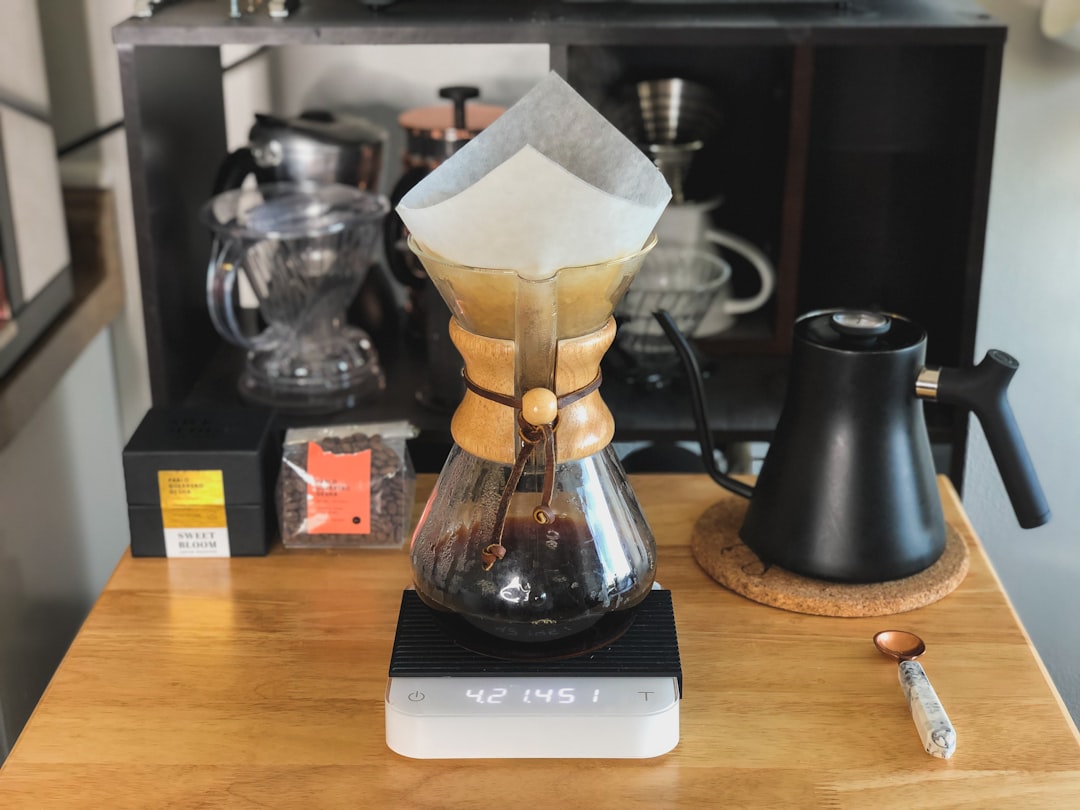
Specialty coffee has emerged as a significant segment within the broader coffee industry, characterized by its emphasis on quality, flavor, and unique sourcing practices. This term generally refers to coffee that has been graded at least 80 points on a 100-point scale by a certified coffee taster, known as a Q Grader. The journey of specialty coffee begins at the farm, where meticulous attention is paid to the cultivation and harvesting of coffee beans.
The processing methods employed post-harvest, including washing, drying, and fermentation, further influence the final flavor profile of the coffee. The specialty coffee movement has gained traction over the past few decades, driven by a growing consumer interest in artisanal products and a desire for transparency in sourcing.
This shift has led to an increased focus on single-origin coffees, which are sourced from specific regions or even individual farms. As consumers become more discerning about their coffee choices, the demand for high-quality, ethically sourced beans has surged, prompting roasters and cafes to elevate their offerings. Specialty coffee is not merely a product; it represents a culture that values craftsmanship, sustainability, and a deep appreciation for the nuances of flavor.
Key Takeaways
- Specialty coffee refers to high-quality coffee that is carefully sourced, roasted, and brewed to bring out its unique flavors and characteristics.
- The definition of specialty coffee is based on factors such as the coffee’s origin, quality, and flavor profile, as well as the expertise and care taken in its production.
- Characteristics of specialty coffee include distinct flavors, high quality, and a focus on sustainable and ethical practices throughout the supply chain.
- Starbucks has played a significant role in popularizing specialty coffee and has had a major impact on the industry’s growth and consumer perception.
- While Starbucks has been criticized for its mass production and standardization, it has also made efforts to improve coffee quality and support coffee producers, influencing the specialty coffee market.
The Definition of Specialty Coffee
The definition of specialty coffee is rooted in its quality and the standards set by organizations such as the Specialty Coffee Association (SCA). According to the SCA, specialty coffee must meet specific criteria that encompass not only the scoring system but also the entire supply chain from farm to cup. This includes factors such as the cultivation methods used, the processing techniques applied, and the overall care taken in handling the beans.
Only those that achieve a score of 80 or above are classified as specialty. Moreover, specialty coffee is often associated with sustainable practices and ethical sourcing.
Many producers engage in direct trade relationships with roasters and cafes, ensuring that farmers receive fair compensation for their labor. This commitment to ethical sourcing is integral to the identity of specialty coffee, as it fosters a connection between consumers and the origins of their beverage. The definition extends beyond mere quality; it encompasses a holistic approach to coffee production that prioritizes environmental stewardship and social responsibility.
Characteristics of Specialty Coffee

Specialty coffee is distinguished by several key characteristics that set it apart from commercial-grade coffee. One of the most notable features is its flavor complexity. Specialty coffees often exhibit a wide range of tasting notes, influenced by factors such as varietal differences, terroir, and processing methods.
For instance, a single-origin Ethiopian Yirgacheffe might present floral notes with hints of citrus and berry, while a Guatemalan coffee could showcase chocolatey undertones with a rich body. This complexity invites consumers to explore and appreciate the diverse flavor profiles available within the specialty coffee realm. Another defining characteristic is the meticulous attention to detail throughout the production process.
From selective harvesting—where only ripe cherries are picked—to precise roasting techniques that highlight specific flavor attributes, every step is executed with care. Roasters often experiment with different profiles to bring out unique characteristics in each batch, leading to an ever-evolving landscape of flavors. Additionally, specialty coffee is typically produced in smaller quantities compared to mass-market brands, allowing for greater quality control and innovation.
This artisanal approach not only enhances the sensory experience but also fosters a deeper connection between consumers and the craft of coffee-making.
The Role of Starbucks in the Specialty Coffee Industry
| Metrics | Data |
|---|---|
| Number of Starbucks stores worldwide | 33,833 (2020) |
| Market share of Starbucks in the specialty coffee industry | 40% (approx.) |
| Annual revenue of Starbucks from specialty coffee | 16.65 billion (2020) |
| Number of employees in Starbucks | 349,000 (2020) |
| Starbucks’ impact on fair trade and sustainability | Active participant in fair trade and sustainability initiatives |
Starbucks has played a pivotal role in popularizing specialty coffee on a global scale. Founded in 1971 in Seattle, Washington, Starbucks began as a retailer of high-quality whole bean coffees before evolving into a café chain that transformed how people consume coffee. The company’s commitment to sourcing high-quality beans and creating an inviting atmosphere for customers helped elevate coffee culture in many parts of the world.
By introducing consumers to various brewing methods and flavor profiles, Starbucks has contributed significantly to the mainstream acceptance of specialty coffee. However, Starbucks’ influence extends beyond mere consumer education; it has also shaped industry standards and practices. The company has invested heavily in its supply chain, establishing relationships with coffee farmers through programs like Coffee and Farmer Equity (C.A.F.E.) Practices.
This initiative emphasizes ethical sourcing and sustainability while ensuring that farmers receive fair compensation for their products. By prioritizing quality and ethical practices, Starbucks has set benchmarks that other companies in the specialty coffee sector often strive to meet.
Starbucks’ Approach to Coffee Quality
Starbucks’ approach to coffee quality is multifaceted, encompassing everything from sourcing to roasting and brewing techniques. The company employs a team of expert tasters who evaluate potential coffees based on strict quality criteria before they are selected for use in stores. This rigorous selection process ensures that only the highest-quality beans make it into their blends and single-origin offerings.
Furthermore, Starbucks has developed its own roasting profile that aims to enhance the inherent flavors of each bean while maintaining consistency across its vast network of locations. In addition to its sourcing and roasting practices, Starbucks places significant emphasis on brewing methods. The company has introduced various brewing techniques in its stores, including pour-over and cold brew options, allowing customers to experience different flavor profiles based on their preferences.
By educating baristas on these methods and encouraging them to engage with customers about flavor notes and brewing techniques, Starbucks fosters an environment where quality is paramount. This commitment to excellence not only enhances the customer experience but also reinforces Starbucks’ position within the specialty coffee landscape.
Starbucks’ Impact on the Perception of Specialty Coffee

Starbucks has undeniably influenced public perception of specialty coffee, often serving as a gateway for many consumers who may not have previously engaged with high-quality brews. The brand’s widespread presence has made specialty coffee more accessible to a broader audience, breaking down barriers that once separated casual drinkers from connoisseurs. As people flocked to Starbucks locations for their daily caffeine fix, they were introduced to concepts like single-origin coffees and artisanal brewing methods that they might not have encountered otherwise.
However, this impact is not without controversy. Critics argue that Starbucks’ commercialization of specialty coffee has led to a dilution of its essence. Some purists contend that the company’s standardized offerings do not fully represent the diversity and complexity inherent in true specialty coffee experiences.
Despite this criticism, it cannot be denied that Starbucks has played a crucial role in elevating awareness around specialty coffee and encouraging consumers to explore beyond traditional offerings.
The Debate Surrounding Starbucks and Specialty Coffee
The debate surrounding Starbucks’ classification within the specialty coffee realm is complex and multifaceted. On one hand, proponents argue that Starbucks has successfully brought specialty coffee into mainstream consciousness, making it more accessible to everyday consumers. They point to the company’s commitment to quality sourcing practices and its efforts to educate customers about different flavor profiles as evidence of its alignment with specialty coffee principles.
Conversely, detractors assert that Starbucks’ scale and commercial approach compromise its status as a true specialty coffee provider. Critics often highlight issues such as consistency across locations and the potential for over-roasting beans as factors that detract from the authenticity of their offerings. Additionally, some argue that Starbucks’ focus on profitability can overshadow its commitment to quality and sustainability.
This ongoing debate reflects broader tensions within the specialty coffee community regarding what constitutes “true” specialty coffee and who gets to define it.
Starbucks’ Relationship with Coffee Producers
Starbucks maintains a complex relationship with coffee producers around the world through initiatives designed to promote sustainability and fair trade practices. The company sources its beans from various regions, including Latin America, Africa, and Asia, often establishing direct trade relationships with farmers to ensure fair compensation for their labor. Through programs like C.A.F.E. Practices, Starbucks evaluates suppliers based on criteria related to economic transparency, social responsibility, and environmental stewardship. This relationship extends beyond mere transactions; Starbucks actively invests in communities where its coffee is sourced by supporting initiatives aimed at improving farmers’ livelihoods. For instance, through its Global Farmer Fund, Starbucks provides loans to farmers for sustainable agricultural practices or infrastructure improvements. By fostering these connections with producers, Starbucks not only enhances its supply chain but also contributes positively to the communities involved in coffee production.
Starbucks’ Influence on the Specialty Coffee Market
Starbucks’ influence on the specialty coffee market is profound and far-reaching. As one of the largest coffee retailers globally, its purchasing power allows it to set trends that smaller roasters often follow. For example, when Starbucks introduced cold brew or nitro cold brew options into its menu, many independent cafes began experimenting with similar offerings to meet consumer demand for innovative beverages.
This trend-setting ability underscores how Starbucks can shape consumer preferences within the specialty coffee sector. Moreover, Starbucks’ marketing strategies have played a significant role in promoting specialty coffee culture. By leveraging social media platforms and engaging with customers through storytelling about their sourcing practices or unique blends, Starbucks has created an aspirational image around specialty coffee consumption.
This branding strategy not only attracts new customers but also encourages existing ones to explore different types of coffees they may not have considered before.
The Future of Starbucks and Specialty Coffee
Looking ahead, Starbucks faces both opportunities and challenges within the evolving landscape of specialty coffee. As consumer preferences continue to shift towards sustainability and ethical sourcing practices, Starbucks will need to adapt its strategies accordingly while maintaining its commitment to quality. The company has already begun exploring innovative approaches such as expanding its range of plant-based beverages or investing in technology for more precise roasting techniques.
Additionally, competition from independent roasters who prioritize artisanal methods may push Starbucks to further refine its offerings in order to retain its relevance within this niche market segment. As consumers become increasingly knowledgeable about their choices—demanding transparency regarding sourcing practices—Starbucks will need to continue emphasizing its ethical initiatives while ensuring that quality remains at the forefront of its operations.
Is Starbucks Coffee Considered Specialty Coffee?
The question of whether Starbucks coffee can be classified as specialty coffee remains contentious within industry circles. While some argue that its scale and commercial nature detract from its status as a true representative of specialty offerings, others contend that its commitment to quality sourcing practices and consumer education aligns it closely with specialty principles. Ultimately, whether one views Starbucks as part of the specialty coffee movement may depend on individual perspectives regarding authenticity versus accessibility in this dynamic industry landscape.
FAQs
What is specialty coffee?
Specialty coffee refers to high-quality coffee that is sourced from specific regions, carefully grown and harvested, and meticulously roasted to bring out the unique flavors and characteristics of the coffee beans.
Is Starbucks coffee considered specialty coffee?
While Starbucks offers a wide range of coffee options, not all of their coffee can be considered specialty coffee. However, Starbucks does offer some specialty coffee options, such as single-origin coffees and small-batch roasts, which meet the criteria for specialty coffee.
What sets specialty coffee apart from regular coffee?
Specialty coffee is distinguished by its higher quality, unique flavors, and the attention to detail in its sourcing, growing, harvesting, and roasting processes. It is often more expensive than regular coffee due to its superior quality and the care taken in its production.
How can I identify specialty coffee at Starbucks?
Starbucks often labels their specialty coffee offerings as “single-origin” or “small-batch” roasts. These coffees are sourced from specific regions and are carefully roasted to highlight their unique flavors and characteristics. Additionally, Starbucks may provide information about the coffee’s origin and flavor profile on the packaging or in-store signage.