

When we think about organic coffee, we often envision a product that is not only better for our health but also more sustainable for the environment. Organic coffee is cultivated without the use of synthetic fertilizers, pesticides, or herbicides, which means that the beans are grown in a way that respects the natural ecosystem. This method of farming promotes biodiversity and helps maintain the health of the soil, making it a more sustainable choice for coffee lovers.
As we delve deeper into the world of organic coffee, we discover that it is not just a trend but a movement towards more responsible consumption. Moreover, organic coffee is often associated with higher quality and better flavor. The absence of chemical additives allows the natural characteristics of the coffee beans to shine through, resulting in a richer and more complex taste profile.
Many organic coffee producers prioritize quality over quantity, leading to smaller harvests that are carefully processed to preserve their unique flavors. As we explore various brands and blends, we can appreciate the nuances that organic coffee brings to our cups, making each sip a delightful experience.
Key Takeaways
- Organic coffee is grown without synthetic pesticides or fertilizers, promoting environmental sustainability and biodiversity.
- The caffeine content in coffee can vary depending on factors such as the type of bean, roast level, and brewing method.
- Factors affecting caffeine levels in coffee include the type of coffee bean, the roast level, and the brewing method.
- Organic coffee is often considered to have a cleaner, more natural taste compared to conventional coffee due to the absence of synthetic chemicals.
- Choosing organic coffee can support sustainable farming practices, protect the environment, and promote the well-being of coffee farmers.
Caffeine Content in Coffee
Caffeine is one of the most well-known components of coffee, and it plays a significant role in our daily routines. As we sip our morning brew, we often rely on caffeine to provide that much-needed boost of energy and alertness. The caffeine content in coffee can vary widely depending on several factors, including the type of coffee bean, the brewing method, and even the serving size.
On average, an 8-ounce cup of brewed coffee contains approximately 95 milligrams of caffeine, but this number can fluctuate significantly. Understanding caffeine content is essential for us as consumers, especially if we are sensitive to its effects or trying to limit our intake. While some may thrive on multiple cups a day, others may find that even a small amount can lead to jitters or sleepless nights.
By being aware of how much caffeine is in our favorite brews, we can make informed choices that align with our personal health goals and lifestyle preferences.
Factors Affecting Caffeine Levels in Coffee
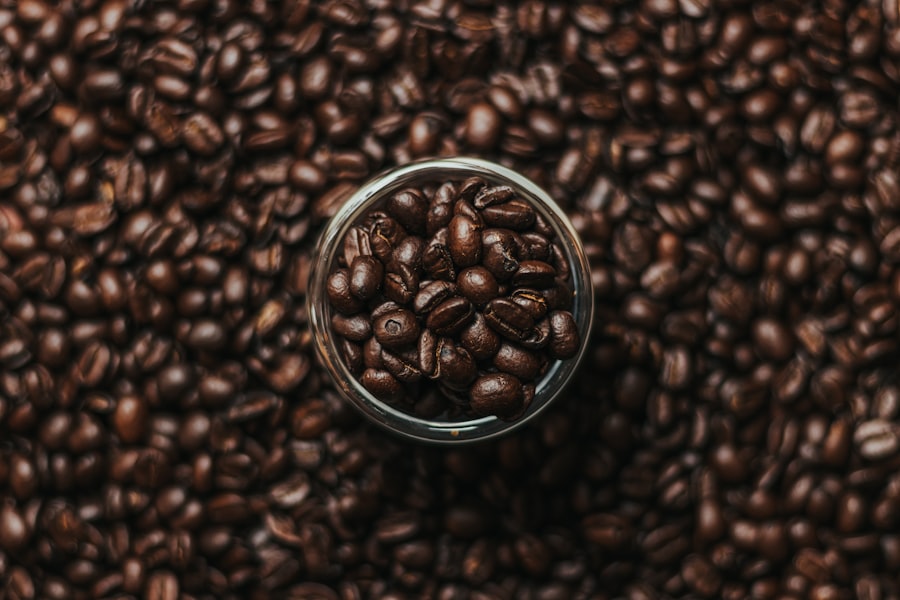
Several factors influence the caffeine levels in our coffee, and recognizing these can help us better understand what we are consuming. One primary factor is the type of coffee bean used. Arabica beans, known for their smooth flavor and lower acidity, typically contain less caffeine than Robusta beans, which are stronger and more bitter.
For instance, espresso has a higher concentration of caffeine per ounce compared to drip coffee; however, since a typical serving size of espresso is much smaller, the total caffeine intake may be similar or even lower than that of a larger cup of brewed coffee.
Additionally, brewing time and water temperature can also impact caffeine extraction. As we experiment with different brewing techniques at home or in cafés, we can discover how these variables affect not only the caffeine content but also the flavor and aroma of our favorite beverages.
When comparing organic and conventional coffee, we find ourselves at a crossroads between health considerations and environmental impact. Conventional coffee farming often relies on synthetic chemicals to enhance growth and protect crops from pests. While this method can lead to higher yields and lower prices for consumers, it raises concerns about the long-term effects on soil health and biodiversity.
As we weigh these factors, we may feel compelled to choose organic options that prioritize sustainability. In contrast, organic coffee farming practices focus on nurturing the land and promoting ecological balance. This approach not only benefits the environment but also supports farmers who are committed to ethical practices.
By choosing organic coffee, we are not just making a choice for ourselves; we are also supporting a system that values fair trade and sustainable agriculture. As we sip our organic brews, we can take pride in knowing that our choices contribute to a healthier planet and a more equitable food system.
Myths and Misconceptions about Organic Coffee
Despite its growing popularity, there are still many myths and misconceptions surrounding organic coffee that can cloud our understanding. One common belief is that organic coffee is always superior in taste compared to conventional varieties. While many organic coffees do offer exceptional flavor profiles due to their careful cultivation and processing methods, taste is ultimately subjective.
Our individual preferences play a significant role in determining what we enjoy most in a cup of coffee. Another misconception is that organic coffee contains less caffeine than conventional coffee. While it is true that certain organic varieties may have lower caffeine levels due to the types of beans used or specific growing conditions, this is not universally applicable.
As we navigate through various brands and blends, it’s essential to remember that caffeine content can vary widely regardless of whether the coffee is organic or conventional. By educating ourselves about these myths, we can make more informed choices when selecting our next bag of beans.
Benefits of Choosing Organic Coffee
Choosing organic coffee comes with a host of benefits that extend beyond personal health. For one, organic farming practices promote soil health by avoiding harmful chemicals that can degrade its quality over time. Healthier soil leads to healthier plants, which in turn produce better-tasting coffee beans.
Additionally, organic farming often employs crop rotation and other sustainable practices that enhance biodiversity and protect local ecosystems. Moreover, by opting for organic coffee, we support farmers who prioritize ethical labor practices and fair trade principles. Many organic coffee producers are small-scale farmers who rely on direct trade relationships with consumers.
This means that more of our money goes directly into the hands of those who grow the coffee rather than large corporations. By choosing organic, we contribute to a system that values transparency and fairness in the supply chain.
How to Choose the Right Coffee for You
Selecting the right coffee can feel overwhelming given the myriad options available today. To make an informed choice, we should first consider our taste preferences. Do we enjoy bold flavors or lighter notes?
Are we drawn to fruity or nutty undertones? Exploring different origins and roasts can help us identify what resonates with our palate. Additionally, understanding our caffeine tolerance is crucial when choosing coffee.
If we are sensitive to caffeine or looking to reduce our intake, opting for decaffeinated or low-caffeine varieties may be wise. On the other hand, if we thrive on high-energy brews, exploring robust blends or single-origin coffees with higher caffeine content could be beneficial. Ultimately, taking the time to experiment with different types will lead us to discover our perfect cup.
The Truth about Caffeine in Organic Coffee
As we conclude our exploration into organic coffee and its caffeine content, it becomes clear that knowledge is key to making informed choices. While organic coffee offers numerous benefits—ranging from environmental sustainability to ethical sourcing—it’s essential to recognize that caffeine levels can vary widely based on several factors. By understanding these nuances, we empower ourselves to select coffees that align with our health goals and personal preferences.
In embracing organic coffee, we not only indulge in a flavorful experience but also contribute to a more sustainable future for our planet and its inhabitants. As we continue to navigate the world of coffee, let us remain curious and open-minded, ready to explore new flavors while making choices that reflect our values and priorities. Ultimately, whether we choose organic or conventional coffee, what matters most is finding joy in each cup we brew.
FAQs
What is organic coffee?
Organic coffee is grown without the use of synthetic pesticides, herbicides, or fertilizers. It is produced using sustainable farming practices that focus on soil health and biodiversity.
Is organic coffee higher in caffeine?
No, organic coffee is not inherently higher in caffeine than non-organic coffee. The caffeine content in coffee is primarily determined by the coffee bean variety and the roasting process, rather than whether it is grown organically or conventionally.
Are there any health benefits to choosing organic coffee?
Some people choose organic coffee for health reasons, as it is grown without synthetic chemicals. However, there is limited scientific evidence to suggest that organic coffee is significantly healthier than non-organic coffee in terms of its caffeine content.
Does organic coffee taste different from non-organic coffee?
The taste of organic coffee can vary depending on factors such as the coffee bean variety, growing conditions, and roasting process. Some people believe that organic coffee has a smoother and more natural flavor, but taste preferences are subjective and can vary from person to person.


