

Organic coffee refers to coffee that is cultivated without the use of synthetic fertilizers, pesticides, or herbicides. Instead, it relies on natural processes and organic farming practices to promote healthy growth and maintain soil fertility. This method of cultivation not only emphasizes the importance of sustainable agriculture but also aims to preserve the environment and enhance the quality of the coffee beans.
When we choose organic coffee, we are opting for a product that has been grown in harmony with nature, often in shaded areas that mimic the coffee plant’s natural habitat. The certification process for organic coffee is rigorous and involves adhering to specific standards set by organizations such as the USDA in the United States or the European Union’s organic certification. These standards ensure that the coffee is grown and processed without harmful chemicals, which can have detrimental effects on both human health and the environment.
As consumers, we can take pride in knowing that our choice of organic coffee supports farmers who are committed to sustainable practices and the preservation of biodiversity.
Key Takeaways
- Organic coffee is grown without the use of synthetic pesticides, herbicides, or fertilizers, and is often shade-grown and bird-friendly.
- Health benefits of organic coffee include higher levels of antioxidants and lower levels of chemical residues, which can reduce the risk of certain diseases.
- Organic coffee production has a lower environmental impact, as it promotes biodiversity, conserves water, and reduces soil erosion.
- While organic coffee may be more expensive than non-organic coffee, the long-term environmental and health benefits may outweigh the cost difference.
- Organic coffee is often praised for its superior taste and quality, as it is grown in natural, nutrient-rich soil and under optimal conditions.
Health benefits of organic coffee
One of the most compelling reasons to consider organic coffee is its potential health benefits. Studies have suggested that organic coffee may contain higher levels of antioxidants compared to its non-organic counterparts. Antioxidants play a crucial role in combating oxidative stress in our bodies, which can lead to chronic diseases such as heart disease and cancer.
By choosing organic coffee, we may be giving our bodies a boost in fighting off these ailments while enjoying our daily cup. Moreover, organic coffee is less likely to contain harmful residues from pesticides and chemicals that can be found in conventionally grown coffee. These substances can have adverse effects on our health, including hormonal disruptions and increased risk of certain illnesses.
By opting for organic, we are not only making a healthier choice for ourselves but also supporting farming practices that prioritize our well-being. This connection between our health and the food we consume is becoming increasingly important in today’s world, where awareness of food sources and their impacts is on the rise.
Environmental impact of organic coffee production

The environmental impact of organic coffee production is significantly more positive than that of conventional methods. Organic farming practices promote biodiversity by encouraging a variety of plants and animals to thrive in the ecosystem. This diversity helps maintain soil health and reduces the need for chemical inputs, which can contaminate water sources and harm local wildlife.
When we choose organic coffee, we are supporting a system that prioritizes ecological balance and sustainability. Additionally, organic coffee farms often utilize shade-grown methods, which involve planting coffee trees under a canopy of taller trees. This practice not only protects the coffee plants from direct sunlight but also provides habitats for various species, contributing to the preservation of local ecosystems.
By supporting organic coffee production, we are actively participating in efforts to combat deforestation and promote sustainable land use practices. This connection between our choices as consumers and their broader environmental implications is vital for fostering a healthier planet.
Cost comparison between organic and non-organic coffee
When it comes to cost, organic coffee typically comes with a higher price tag than non-organic varieties. This price difference can be attributed to several factors, including the more labor-intensive farming practices required for organic cultivation and the costs associated with obtaining organic certification. As consumers, we may find ourselves weighing the benefits against the costs when deciding whether to invest in organic coffee.
However, it’s essential to consider that the higher price of organic coffee often reflects its quality and the ethical practices behind its production. While non-organic coffee may be more affordable upfront, it may not offer the same health benefits or environmental advantages as its organic counterpart. By choosing organic, we are not only investing in our health but also supporting sustainable farming practices that benefit communities and ecosystems alike.
In this sense, the cost of organic coffee can be viewed as an investment in a healthier future for ourselves and the planet.
Taste and quality of organic coffee
The taste and quality of organic coffee are often touted as superior to that of non-organic varieties. Many enthusiasts argue that organic coffee beans tend to have a richer flavor profile due to the natural growing conditions and absence of chemical fertilizers. The careful cultivation methods employed by organic farmers allow for a more nuanced development of flavors, resulting in a cup of coffee that is both complex and satisfying.
As we explore different brands and origins of organic coffee, we may discover unique tasting notes that reflect the specific terroir where the beans were grown. Moreover, the quality control measures associated with organic certification often lead to a more consistent product. Organic farmers are typically more invested in their crops’ health and quality, which translates into better beans being harvested.
This commitment to quality can enhance our overall coffee-drinking experience, making each cup not just a beverage but a moment to savor. As we delve into the world of organic coffee, we may find ourselves appreciating not only its taste but also the story behind each sip.
Fair trade and ethical considerations
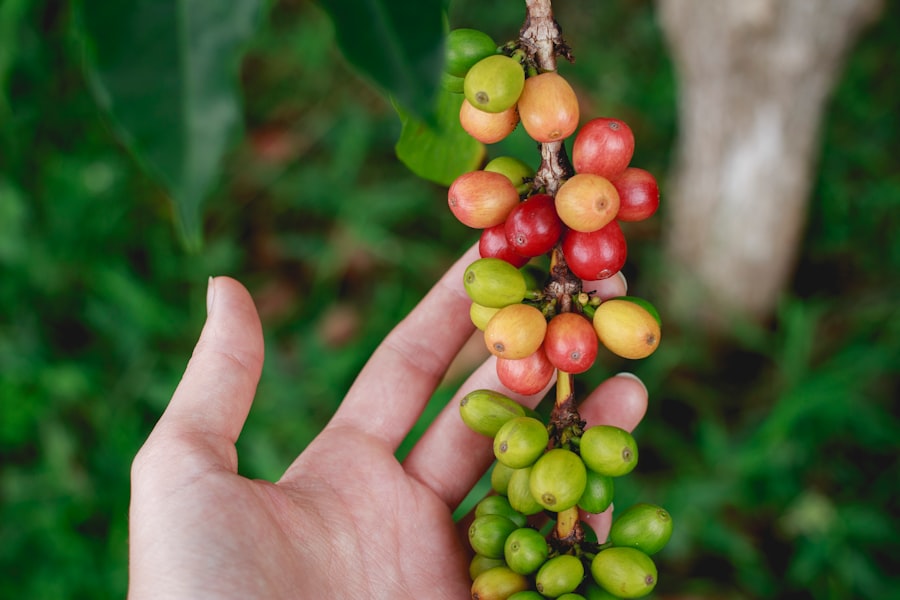
In addition to its environmental benefits, many organic coffees are also associated with fair trade practices. Fair trade certification ensures that farmers receive fair compensation for their labor and products, promoting social equity within the global coffee market. By choosing fair trade organic coffee, we are supporting ethical practices that empower farmers and their communities while fostering sustainable development.
The ethical considerations surrounding coffee production extend beyond just fair trade; they also encompass issues such as labor rights and environmental stewardship. Many organic coffee producers prioritize humane working conditions for their employees, ensuring that workers are treated with respect and dignity. As consumers, we have the power to influence these practices through our purchasing decisions.
By opting for fair trade organic coffee, we contribute to a more equitable system that values both people and the planet.
How to find and purchase organic coffee
Finding and purchasing organic coffee has become increasingly accessible as consumer demand grows. Many grocery stores now feature dedicated sections for organic products, making it easier for us to locate high-quality options. Additionally, specialty coffee shops often carry a selection of organic coffees sourced from various regions around the world.
When shopping for organic coffee, it’s essential to look for certification labels that indicate compliance with organic standards. Online retailers also provide a convenient avenue for exploring a wide range of organic coffees from different roasters and regions. Many websites offer detailed descriptions of their products, including tasting notes and brewing recommendations, allowing us to make informed choices based on our preferences.
Joining subscription services dedicated to organic or fair trade coffees can also be an excellent way to discover new flavors while supporting sustainable practices consistently.
Is it worth getting organic coffee?
In conclusion, choosing organic coffee presents numerous benefits that extend beyond just our personal enjoyment of a good cup of joe. From health advantages linked to reduced chemical exposure to positive environmental impacts associated with sustainable farming practices, our decision to opt for organic can significantly influence both our well-being and the planet’s health. While the cost may be higher than non-organic options, many of us find value in supporting ethical practices and enjoying superior taste.
Ultimately, whether or not we choose to invest in organic coffee depends on our values as consumers. If we prioritize health, sustainability, and ethical considerations in our purchasing decisions, then opting for organic coffee is undoubtedly worth it. As we continue to navigate our choices in an increasingly complex food landscape, embracing organic coffee can be a meaningful step toward fostering a healthier lifestyle while contributing positively to global agricultural practices.
FAQs
What is organic coffee?
Organic coffee is grown without the use of synthetic pesticides, herbicides, or fertilizers. It is produced using sustainable farming practices that prioritize the health of the soil, ecosystems, and people.
Is organic coffee better for the environment?
Yes, organic coffee production promotes biodiversity, conserves water, and reduces soil erosion. It also helps to protect the health of farm workers and nearby communities by minimizing exposure to harmful chemicals.
Is organic coffee healthier?
Organic coffee is free from synthetic chemicals, which may be beneficial for those looking to minimize their exposure to pesticides and other potentially harmful substances. However, the health benefits of organic coffee compared to conventionally grown coffee are still being studied.
Is organic coffee more expensive?
Yes, organic coffee is often more expensive than conventionally grown coffee. This is due to the higher costs associated with organic farming practices, certification, and smaller yields.
Does organic coffee taste better?
Taste is subjective, but many people believe that organic coffee has a richer and more complex flavor profile compared to conventionally grown coffee. This is often attributed to the healthier soil and diverse ecosystems found on organic coffee farms.
Is it worth getting organic coffee?
Whether it’s worth getting organic coffee depends on your personal values and priorities. If you prioritize environmental sustainability, the health of farm workers, and potentially better taste, then organic coffee may be worth the higher cost.


