

The concept of fair trade coffee emerged in the mid-20th century as a response to the inequities faced by small-scale farmers in developing countries. In the wake of globalization, many coffee producers found themselves at the mercy of fluctuating market prices, which often left them struggling to make a living. As we look back, we can see that the first fair trade initiatives began in Europe during the 1960s, where organizations sought to create a more equitable trading system.
As we delve deeper into the history of fair trade coffee, we discover that the movement gained significant momentum in the 1980s and 1990s. During this period, various non-governmental organizations (NGOs) and cooperatives began to form alliances with coffee growers, advocating for better wages and working conditions.
The establishment of fair trade certification systems allowed consumers to identify products that met specific ethical standards. This marked a pivotal moment in the coffee industry, as it not only raised awareness about the plight of farmers but also empowered consumers to make informed choices about their purchases.
Key Takeaways
- Fair trade coffee originated in the 1980s as a response to the exploitation of coffee farmers in developing countries.
- Fair trade coffee has a positive impact on farmers by providing them with fair wages, better working conditions, and access to education and healthcare.
- Fair trade coffee production has environmental benefits such as promoting sustainable farming practices and reducing the use of harmful chemicals.
- Fair trade coffee has a positive economic impact by providing stability and security for farmers and their communities.
- Fair trade coffee is known for its high quality and unique flavors, appealing to consumers who value ethical and sustainable products.
The Impact of Fair Trade Coffee on Farmers
Improved Quality of Life
As we reflect on these changes, we recognize that many farmers have been able to send their children to school, access healthcare, and improve their living conditions—all thanks to the fair trade model.
Empowerment through Cooperatives
Moreover, fair trade coffee promotes the formation of cooperatives, which empower farmers by giving them a collective voice in the marketplace. These cooperatives not only facilitate better pricing but also provide training and resources that help farmers adopt sustainable agricultural practices.
A Broader Impact
As we consider the long-term benefits of this model, it becomes clear that fair trade coffee is not just about economic gain; it fosters community development and social cohesion among farmers who work together toward common goals.
The Environmental Benefits of Fair Trade Coffee
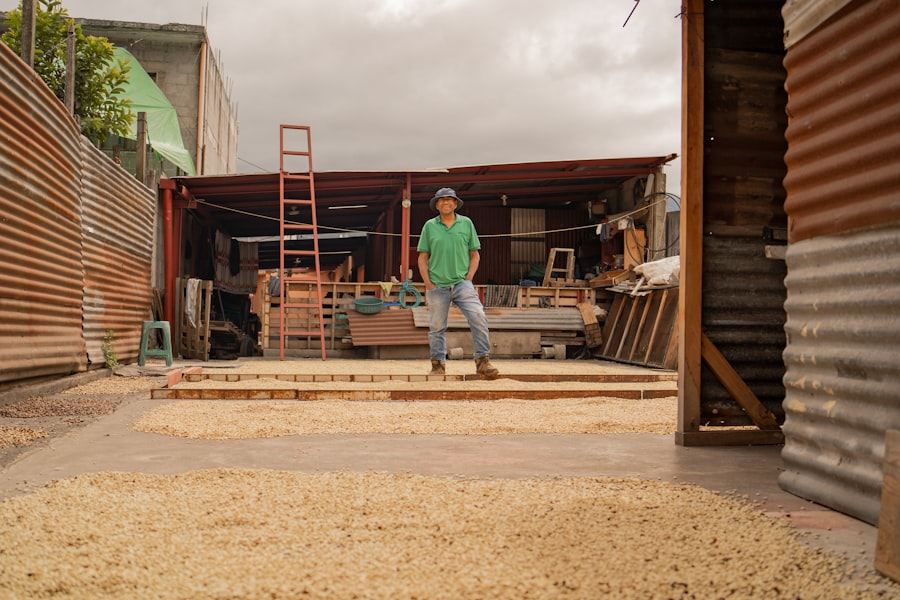
The environmental benefits of fair trade coffee are significant and deserve our attention. Fair trade practices often encourage sustainable farming methods that prioritize ecological health. Many fair trade certified farms utilize organic farming techniques, which reduce the reliance on harmful pesticides and fertilizers.
As we explore these practices, we find that they contribute to healthier soil, cleaner water sources, and a more biodiverse ecosystem. This commitment to sustainability not only benefits the environment but also enhances the quality of the coffee produced. Additionally, fair trade coffee promotes agroforestry, a practice that involves growing coffee alongside other crops and trees.
This method helps to preserve natural habitats and provides shade for coffee plants, which can improve flavor profiles while reducing the need for chemical inputs. As we witness the positive impact of these practices on local ecosystems, we realize that fair trade coffee is not just a product; it represents a holistic approach to agriculture that seeks to balance economic viability with environmental stewardship.
The Economic Impact of Fair Trade Coffee
| Metrics | Data |
|---|---|
| Number of Fair Trade Coffee Producers | Over 1.65 million |
| Annual Fair Trade Coffee Sales | Over 1.6 billion |
| Percentage of Fair Trade Premium Paid to Producers | 20-30% |
| Number of Fair Trade Certified Coffee Products | Over 400 |
| Impact on Community Development Projects | Over 1,000 projects funded |
The economic impact of fair trade coffee extends beyond individual farmers to entire communities and countries. By ensuring that farmers receive fair prices for their products, fair trade initiatives contribute to local economies and help reduce poverty levels in coffee-growing regions. As we analyze this economic ripple effect, we see that increased income allows families to invest in education, healthcare, and infrastructure—factors that are crucial for long-term development.
Furthermore, fair trade coffee has created new market opportunities for small-scale farmers who might otherwise be excluded from global supply chains dominated by large corporations. By connecting these farmers directly with consumers who value ethical sourcing, fair trade has opened doors for them to access premium markets. This shift not only enhances their earning potential but also fosters a sense of pride and ownership among farmers who can now share their unique stories and products with a global audience.
The Quality of Fair Trade Coffee
When it comes to quality, fair trade coffee often stands out in a crowded marketplace. The emphasis on sustainable farming practices and careful harvesting methods typically results in superior flavor profiles. As we explore this aspect further, we find that many fair trade farmers are dedicated to producing high-quality beans that reflect their unique terroir—the environmental conditions that influence the taste of coffee.
This commitment to quality is not just about meeting consumer expectations; it is also about preserving cultural heritage and traditional farming techniques. Moreover, the fair trade model encourages transparency throughout the supply chain, allowing consumers to trace the origins of their coffee. This transparency fosters trust between producers and consumers, as buyers can be confident that they are supporting ethical practices while enjoying a premium product.
As we savor our cups of fair trade coffee, we can appreciate not only the rich flavors but also the stories behind each sip—stories of dedication, resilience, and a commitment to quality.
The Ethical Considerations of Fair Trade Coffee
The Power of Responsible Consumerism
This ethical stance resonates with many consumers who seek to make responsible choices in their purchasing habits. Fair trade certification ensures that labor standards are upheld throughout the supply chain, prohibiting child labor and ensuring safe working conditions for all workers.
A Movement for Fairness and Respect
As we reflect on these ethical dimensions, we recognize that our choices as consumers can have far-reaching implications for the lives of farmers and workers in developing countries. By supporting fair trade coffee, we contribute to a movement that champions fairness and respect for all individuals involved in bringing this beloved beverage to our tables.
Empowering Farmers and Workers
By choosing fair trade coffee, we are not only enjoying a high-quality cup of coffee, but we are also supporting a movement that empowers farmers and workers to improve their lives and communities.
The Accessibility of Fair Trade Coffee
While fair trade coffee has gained popularity in recent years, accessibility remains a challenge for some consumers. Although many grocery stores and specialty shops now carry fair trade options, there are still regions where these products are hard to find. As we consider this issue, it becomes clear that increasing accessibility is crucial for expanding the reach of fair trade coffee and ensuring that more consumers can participate in this ethical movement.
Efforts are being made to bridge this gap through online platforms and community initiatives that promote fair trade products. By raising awareness about the availability of fair trade coffee and its benefits, we can encourage more consumers to seek out these options. Additionally, educational campaigns can help demystify fair trade certification and its significance, making it easier for consumers to understand why their choices matter.
The Criticisms of Fair Trade Coffee
Despite its many benefits, fair trade coffee is not without its criticisms. Some argue that the certification process can be cumbersome and costly for small producers, potentially limiting participation in the fair trade system. As we examine these concerns, it is essential to acknowledge that while the intentions behind fair trade are noble, there are challenges in implementation that need addressing.
Another criticism revolves around the effectiveness of fair trade pricing in truly alleviating poverty among farmers. Some skeptics argue that while fair trade provides better prices than conventional markets, it may not be sufficient to create lasting change in communities facing systemic economic challenges. As we engage with these critiques, it becomes evident that ongoing dialogue and improvement within the fair trade movement are necessary to ensure its continued relevance and effectiveness.
The Certification Process for Fair Trade Coffee
The certification process for fair trade coffee is designed to uphold specific standards that ensure ethical practices throughout the supply chain. To become certified, producers must meet criteria related to labor rights, environmental sustainability, and economic fairness. As we explore this process further, we find that it involves rigorous assessments by independent organizations that verify compliance with established standards.
While this certification process is essential for maintaining integrity within the fair trade system, it can also pose challenges for small-scale farmers who may lack the resources or knowledge needed to navigate it successfully. As we consider these barriers, it becomes clear that providing support and education for producers is vital for fostering greater participation in fair trade initiatives.
The Consumer Demand for Fair Trade Coffee
Consumer demand for fair trade coffee has surged in recent years as more individuals seek ethically sourced products. This growing interest reflects a broader trend toward conscious consumerism—where buyers prioritize social responsibility alongside quality and price. As we observe this shift in consumer behavior, it is encouraging to see how awareness campaigns and advocacy efforts have played a role in educating people about the importance of supporting fair trade.
Moreover, as more consumers choose fair trade options, businesses are responding by expanding their offerings and promoting ethical sourcing practices. This creates a positive feedback loop where increased demand leads to greater availability of fair trade products in mainstream markets. As we embrace this trend, we can take pride in knowing that our choices as consumers can drive meaningful change within the coffee industry.
The Future of Fair Trade Coffee
Looking ahead, the future of fair trade coffee appears promising yet challenging. As consumer awareness continues to grow, there is potential for even greater support for ethical sourcing practices within the coffee industry. However, addressing ongoing criticisms and barriers will be crucial for ensuring that fair trade remains relevant and effective in promoting social justice.
Innovation will play a key role in shaping the future of fair trade coffee as new technologies emerge to streamline certification processes and enhance transparency within supply chains. Additionally, fostering partnerships between producers, consumers, and businesses will be essential for creating sustainable solutions that benefit all stakeholders involved. In conclusion, as we reflect on the journey of fair trade coffee from its origins to its current impact on farmers and communities worldwide, we recognize its significance as more than just a beverage—it represents a movement toward equity and sustainability in global trade practices.
FAQs
What is Fair Trade coffee?
Fair Trade coffee is coffee that is certified to have been produced and traded in a way that ensures fair prices and wages for the farmers and workers involved in its production. This certification also includes environmental and social standards.
Does Fair Trade coffee taste different from regular coffee?
Fair Trade coffee does not inherently taste different from regular coffee. The taste of coffee is influenced by factors such as the type of bean, the region it was grown in, and the roasting process, rather than the Fair Trade certification.
Does Fair Trade coffee offer better quality?
The quality of Fair Trade coffee is not guaranteed to be better than non-Fair Trade coffee. However, the Fair Trade certification does ensure that the coffee has been produced in a way that supports the livelihoods of the farmers and workers involved, as well as environmental sustainability.


