
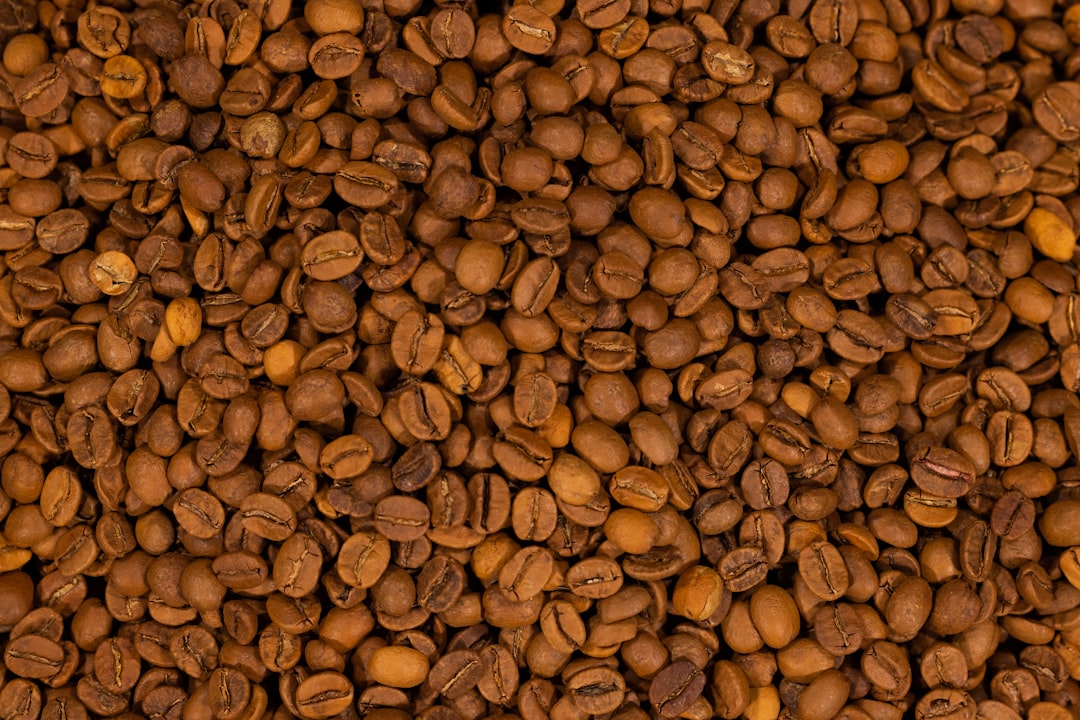
Single origin coffee refers to coffee that is sourced from a specific region, farm, or cooperative, allowing consumers to experience the unique flavors and characteristics that are inherent to that particular locale. This concept emphasizes the distinctiveness of the coffee, as it is often tied to the specific environmental conditions, processing methods, and cultivation practices of the area. By focusing on a single origin, we can appreciate the nuances in flavor profiles that vary from one region to another, making each cup a reflection of its geographical and cultural heritage.
When we indulge in single origin coffee, we are not just enjoying a beverage; we are engaging in a sensory journey that connects us to the land and the people who cultivate it. The taste of single origin coffee can be influenced by factors such as altitude, soil composition, and climate, which all contribute to the final product. This connection to place is what makes single origin coffee so appealing to many coffee enthusiasts, as it allows us to explore the diverse world of coffee through our taste buds.
Key Takeaways
- Single origin coffee refers to coffee that is sourced from a specific region or farm, allowing for unique flavors and characteristics.
- Colombian coffee has a rich history dating back to the 18th century, when it was first introduced by Jesuit priests.
- Colombian coffee is grown in diverse regions, each with its own unique climate, altitude, and soil, resulting in a wide range of flavor profiles.
- There is a debate over whether Colombian coffee can truly be considered single origin, as it is often a blend of beans from different regions.
- Single origin labeling can have a positive impact on Colombian coffee farmers by increasing the value and recognition of their product.
- Single origin Colombian coffee can be identified by looking for specific region names on the packaging, such as Huila or Antioquia.
- The future of Colombian coffee in the single origin market looks promising, as consumers continue to seek out unique and high-quality coffee experiences.
- There are alternative options to single origin Colombian coffee, such as blends and specialty roasts, that offer different flavor profiles and experiences.
The history of Colombian coffee
Colombian coffee has a rich and storied history that dates back to the early 18th century when it was first introduced to the country. Initially brought over by Jesuit priests, coffee cultivation began to spread throughout Colombia’s mountainous regions. The country’s unique geography, characterized by its high altitudes and diverse climates, provided ideal conditions for growing high-quality Arabica beans.
As we delve into the history of Colombian coffee, we can see how it has evolved from a small-scale agricultural endeavor into one of the most recognized and celebrated coffee industries in the world. By the late 19th century, Colombian coffee had gained international acclaim, leading to increased exports and economic growth. The establishment of the National Federation of Coffee Growers in 1927 marked a significant turning point in the industry, as it aimed to promote and protect Colombian coffee on a global scale.
This organization played a crucial role in ensuring quality standards and supporting farmers, which ultimately helped solidify Colombia’s reputation as a premier coffee producer. As we reflect on this history, we can appreciate how Colombian coffee has become intertwined with the nation’s identity and culture.
The diversity of Colombian coffee regions
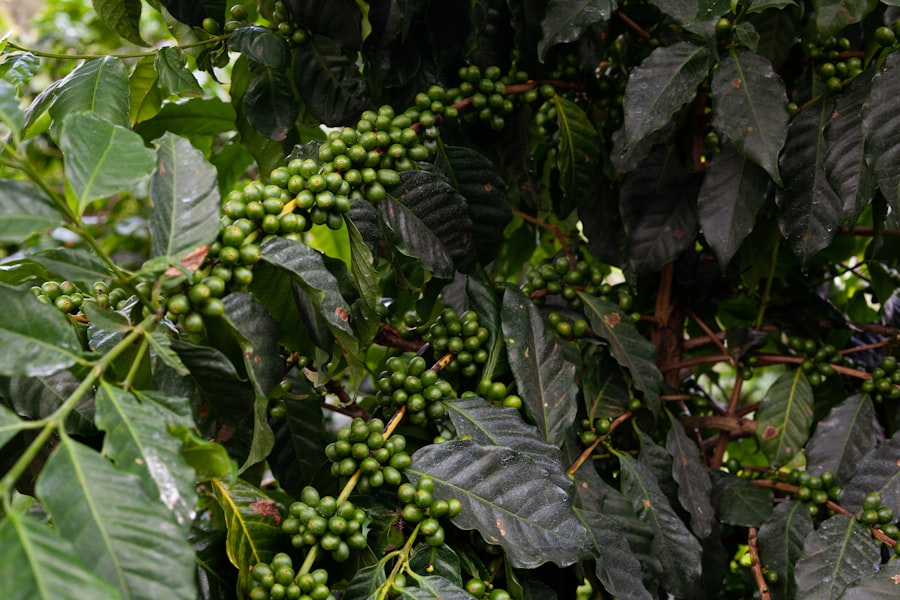
Colombia is home to several distinct coffee-growing regions, each with its own unique characteristics that contribute to the flavor profiles of the beans produced there. From the lush hills of Antioquia to the high-altitude slopes of Huila, we find a remarkable diversity in climate, soil types, and cultivation practices. This variety allows for an impressive range of flavors and aromas in Colombian coffee, making it a favorite among connoisseurs and casual drinkers alike.
In addition to Antioquia and Huila, other notable regions include Caldas, Quindío, and Tolima. Each area boasts its own microclimates and altitudes that influence the beans’ development. For instance, coffees from the Sierra Nevada region are known for their bright acidity and fruity notes, while those from the Cauca region often exhibit chocolatey undertones and a smooth finish.
As we explore these regions, we can better understand how geography plays a vital role in shaping the identity of Colombian coffee and how it continues to captivate our palates.
The debate over Colombian coffee’s single origin status
While single origin coffee is celebrated for its unique flavors and connection to specific regions, there is an ongoing debate regarding what constitutes true single origin status for Colombian coffee. Some argue that the term should be reserved for beans sourced from a single farm or cooperative, while others believe that it can encompass broader regional designations. This discussion raises important questions about authenticity and transparency in the coffee industry.
As we engage in this debate, we must consider the implications for both consumers and producers. For consumers seeking genuine single origin experiences, clarity in labeling is essential. On the other hand, producers may benefit from broader classifications that allow them to market their products more effectively.
Ultimately, finding common ground in this discussion will be crucial for maintaining the integrity of Colombian coffee while also supporting its farmers.
The impact of single origin labeling on Colombian coffee farmers
The rise of single origin labeling has had significant implications for Colombian coffee farmers. On one hand, it has provided them with opportunities to showcase their unique products and connect with consumers who value quality and traceability. By emphasizing their specific origins, farmers can command higher prices for their beans, which can lead to improved livelihoods and investment in their communities.
However, this trend also presents challenges for farmers who may struggle to meet the demands of the single origin market. As more consumers seek out these specialty coffees, farmers must navigate issues such as fluctuating prices and competition from larger producers. Additionally, not all farmers have access to resources or knowledge about how to market their products effectively as single origin offerings.
As we consider these factors, it becomes clear that while single origin labeling can empower some farmers, it also requires a supportive infrastructure to ensure that all producers can benefit from this trend.
How to identify single origin Colombian coffee

Identifying single origin Colombian coffee can be an exciting journey for any coffee lover. When we look for these unique offerings, there are several key indicators to consider. First and foremost, we should pay attention to labeling on packaging.
Genuine single origin coffees will typically specify not only the region but also the specific farm or cooperative from which the beans were sourced. This level of detail is essential for understanding the origins of our coffee. Another important aspect to consider is the flavor profile associated with different Colombian regions.
By familiarizing ourselves with these characteristics—such as fruity notes from Huila or chocolatey undertones from Caldas—we can better identify single origin coffees that align with our personal preferences. Additionally, seeking out reputable roasters who prioritize transparency in sourcing can help us ensure that we are enjoying authentic single origin Colombian coffees that truly reflect their unique origins.
The future of Colombian coffee in the single origin market
As we look ahead to the future of Colombian coffee in the single origin market, several trends are emerging that could shape its trajectory. One significant factor is the increasing demand for specialty coffees among consumers who are becoming more discerning about their choices.
However, challenges remain as well. Climate change poses a significant threat to coffee production worldwide, including in Colombia. Rising temperatures and unpredictable weather patterns could impact crop yields and quality in the coming years.
To address these challenges, it will be essential for farmers to adopt sustainable practices and invest in research and development aimed at improving resilience against climate-related issues. By doing so, we can help ensure that Colombian coffee continues to thrive in the single origin market while maintaining its reputation for excellence.
Exploring alternatives to single origin Colombian coffee
While single origin Colombian coffee holds a special place in our hearts (and cups), it is worth exploring alternatives that can also offer unique flavors and experiences. Blends are one such option; they combine beans from various regions or farms to create a harmonious flavor profile that highlights different characteristics. These blends can provide a delightful complexity that showcases the best attributes of multiple origins.
Additionally, we might consider exploring coffees from other countries known for their exceptional quality.
By broadening our horizons beyond single origin Colombian offerings, we can discover new tastes and appreciate the diverse world of coffee even further.
In conclusion, our exploration of single origin coffee—particularly Colombian varieties—reveals a complex interplay between history, geography, and consumer preferences. As we navigate this landscape together, we must remain mindful of both the opportunities and challenges faced by farmers while celebrating the rich tapestry of flavors that make each cup of coffee a unique experience. Whether we choose to indulge in single origin offerings or explore alternative options, our journey through the world of coffee continues to be an enriching adventure filled with discovery and connection.
FAQs
What is single origin coffee?
Single origin coffee refers to coffee that is sourced from a specific region or farm, rather than being a blend of beans from multiple locations. This allows for the unique flavors and characteristics of the coffee to be attributed to its specific origin.
Is Colombian coffee single origin?
Colombian coffee can be both single origin and blended. Many coffee producers in Colombia offer single origin coffee that is sourced from specific regions within the country, such as Huila or Antioquia. However, Colombia is also known for producing blended coffees that combine beans from different regions to create a balanced flavor profile.
What are the benefits of single origin coffee?
Single origin coffee allows for a more distinct and traceable flavor profile, as the characteristics of the coffee are directly influenced by the specific region or farm where it was grown. This can provide a more unique and diverse coffee experience for consumers.
How can I identify single origin Colombian coffee?
When purchasing Colombian coffee, look for labels or descriptions that specify the region or farm where the coffee was sourced. This information will indicate that the coffee is single origin and provide insight into its flavor profile and characteristics.


