
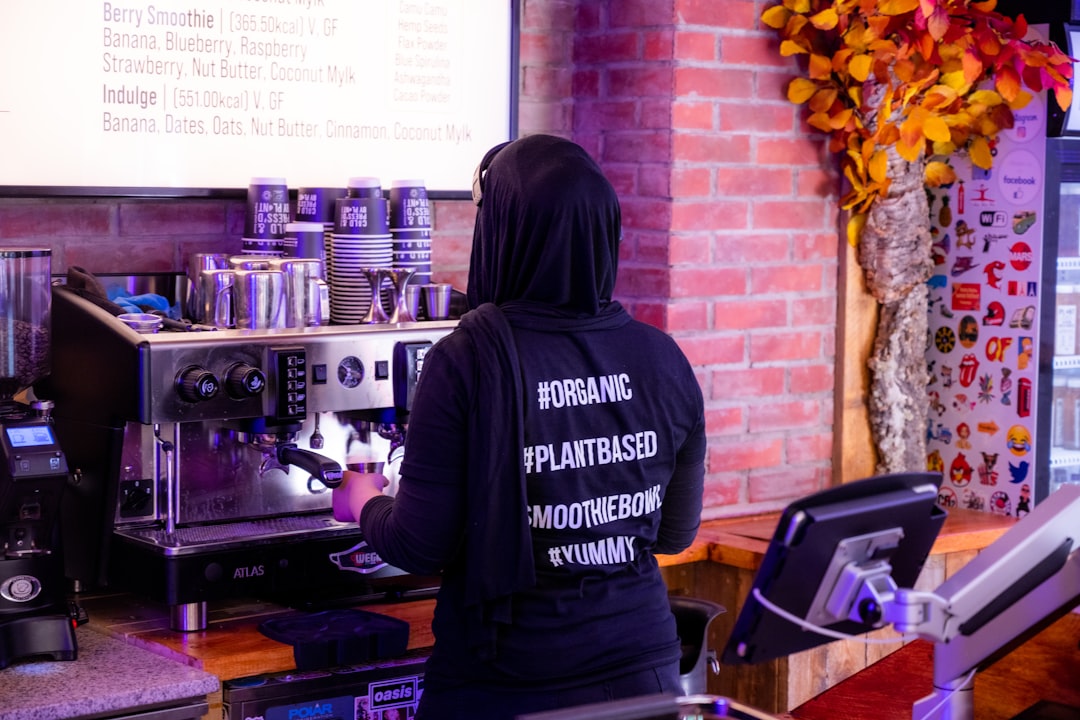
As we delve into the world of organic coffee, we quickly discover a multitude of benefits that extend beyond just taste. One of the most significant advantages is the absence of synthetic pesticides and fertilizers in the cultivation process. This not only contributes to a healthier environment but also ensures that the coffee we consume is free from harmful chemicals.
By choosing organic coffee, we are making a conscious decision to support sustainable farming practices that prioritize soil health and biodiversity. This commitment to organic farming can lead to richer flavors and a more robust cup of coffee, as the beans are grown in harmony with nature. Moreover, organic coffee often boasts higher antioxidant levels compared to its conventional counterparts.
Antioxidants play a crucial role in combating oxidative stress in our bodies, which can lead to various health issues. By incorporating organic coffee into our daily routine, we may be enhancing our overall well-being while enjoying our favorite beverage. Additionally, many organic coffee brands emphasize ethical sourcing, ensuring that farmers receive fair compensation for their labor.
This not only supports local economies but also fosters a sense of community and responsibility within the coffee industry.
Key Takeaways
- Organic coffee offers health benefits and supports sustainable farming practices
- Research different organic coffee brands to find the best quality and flavor
- Check for organic certification to ensure the coffee meets organic standards
- Understand different roasts and flavors to find the perfect match for your taste preferences
- Consider fair trade and sustainable practices when choosing organic coffee to support ethical production
- Evaluate price and quality to find the best value for your organic coffee purchase
- Look for single-origin or blended coffees to explore different flavor profiles
- Explore different brewing methods for organic coffee to enhance the flavor and aroma
Researching Different Organic Coffee Brands
When we embark on the journey of finding the perfect organic coffee, it is essential to explore various brands that align with our values and preferences. The market is teeming with options, each offering unique blends and flavor profiles. We can start by looking into well-established brands known for their commitment to quality and sustainability.
These companies often provide detailed information about their sourcing practices, allowing us to make informed choices about the coffee we purchase. In addition to established brands, we should also consider smaller, artisanal roasters that focus on organic coffee. These roasters often take great pride in their craft, experimenting with different beans and roasting techniques to create distinctive flavors.
By supporting these smaller businesses, we not only enjoy unique coffee experiences but also contribute to the growth of local economies. As we research different brands, we can read reviews and seek recommendations from fellow coffee enthusiasts, helping us narrow down our options and find the perfect fit for our taste buds.
Checking for Organic Certification
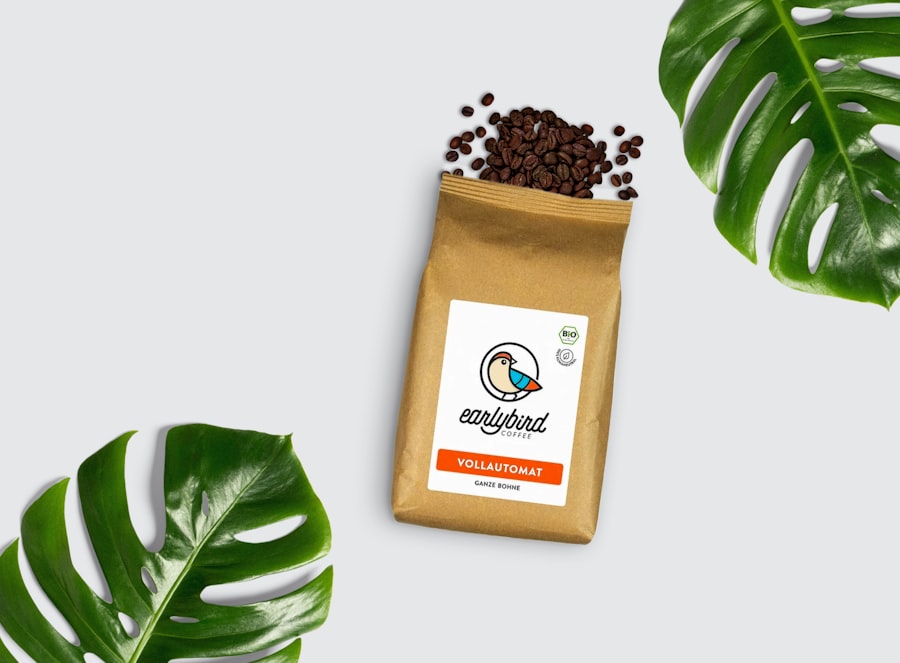
As we navigate the world of organic coffee, one crucial aspect to consider is organic certification. This certification serves as a guarantee that the coffee has been produced according to strict organic farming standards. When we see labels such as USDA Organic or Fair Trade Certified, we can feel confident that the product meets specific criteria regarding pesticide use, soil management, and overall sustainability practices.
Understanding these certifications helps us make informed decisions about the coffee we choose to support. It is also important to note that not all organic coffees are created equal. Some brands may use the term “organic” loosely without adhering to rigorous standards.
Therefore, we should take the time to research the certification process for each brand we consider. By doing so, we can ensure that our choice not only aligns with our taste preferences but also supports ethical and sustainable practices in the coffee industry.
Understanding Different Roasts and Flavors
As we explore the diverse world of organic coffee, we quickly realize that roast levels play a significant role in determining flavor profiles. From light to dark roasts, each level offers a unique tasting experience that can cater to our individual preferences. Light roasts tend to preserve more of the bean’s natural flavors, often resulting in bright acidity and fruity notes.
On the other hand, dark roasts provide a bolder taste with deeper caramelization and chocolate undertones. Understanding these differences allows us to experiment with various roasts and discover what resonates with our palate. We might find ourselves gravitating toward a medium roast that strikes a balance between brightness and richness or perhaps a dark roast that delivers a comforting depth of flavor.
Additionally, exploring single-origin coffees can introduce us to distinct regional characteristics, showcasing how factors like climate and soil influence the final cup. By broadening our knowledge of roasts and flavors, we can enhance our coffee-drinking experience and appreciate the artistry behind each brew.
Considering Fair Trade and Sustainable Practices
In our quest for quality organic coffee, it is essential to consider fair trade practices and sustainability initiatives within the industry. Fair trade certification ensures that farmers receive fair wages and work under safe conditions, promoting social equity in coffee production. By choosing fair trade organic coffee, we are not only supporting ethical labor practices but also contributing to community development projects that improve education and healthcare for farmers and their families.
Sustainability goes hand in hand with fair trade principles.
These practices help preserve ecosystems while producing high-quality beans.
As consumers, we have the power to influence positive change by supporting brands that prioritize both fair trade and sustainable practices. By making conscious choices about the coffee we purchase, we can contribute to a more equitable and environmentally responsible coffee industry.
Evaluating Price and Quality
As we navigate our options for organic coffee, price often becomes a significant factor in our decision-making process. While it may be tempting to opt for cheaper alternatives, it is crucial to evaluate the relationship between price and quality. High-quality organic coffee typically requires more meticulous farming practices and careful processing, which can drive up costs.
However, investing in premium beans often results in a superior flavor experience that is well worth the price. We should also consider that price does not always equate to quality; some brands may charge a premium without delivering on taste or ethical sourcing. To make informed choices, we can look for reviews and ratings from other consumers who have tried specific brands or blends.
By balancing our budget with our desire for quality, we can find organic coffees that satisfy both our taste buds and our wallets.
Looking for Single-Origin or Blended Coffees
When exploring organic coffee options, we may come across two primary categories: single-origin and blended coffees. Single-origin coffees are sourced from a specific region or farm, allowing us to experience the unique characteristics associated with that locale. These coffees often showcase distinct flavor profiles influenced by factors such as altitude, climate, and soil composition.
By choosing single-origin options, we can embark on a flavorful journey around the world with each cup. On the other hand, blended coffees combine beans from different regions or farms to create a harmonious flavor profile. Blends can offer complexity and balance that may not be found in single-origin varieties alone.
As we experiment with both types of coffee, we can appreciate the artistry involved in crafting each blend while also savoring the unique stories behind single-origin offerings. Ultimately, our choice between single-origin and blended coffees will depend on our personal preferences and desire for exploration within the world of organic coffee.
Exploring Different Brewing Methods for Organic Coffee
Finally, as we embrace our love for organic coffee, it is essential to explore various brewing methods that can enhance our experience. Each brewing technique brings out different flavors and aromas from the beans, allowing us to tailor our cup according to our preferences. From classic methods like drip brewing and French press to more modern techniques like pour-over and AeroPress, each method offers its unique advantages.
For instance, using a French press allows us to enjoy a full-bodied cup with rich flavors due to its immersion brewing process. On the other hand, pour-over methods provide greater control over extraction time and water temperature, resulting in a clean and nuanced cup. As we experiment with different brewing methods, we can discover how each technique influences the final taste of our organic coffee.
This exploration not only enhances our appreciation for the beverage but also allows us to engage more deeply with the entire coffee-making process. In conclusion, our journey into the world of organic coffee is filled with opportunities for exploration and discovery. By understanding its benefits, researching brands, checking certifications, exploring roasts and flavors, considering fair trade practices, evaluating price and quality, looking into single-origin versus blended options, and experimenting with brewing methods, we can cultivate a deeper appreciation for this beloved beverage while making choices that align with our values.
As we sip on our carefully selected organic coffee, we can take pride in knowing that each cup represents not just a moment of enjoyment but also a commitment to sustainability and ethical practices within the coffee industry.
FAQs
What is organic coffee?
Organic coffee is grown without the use of synthetic pesticides, herbicides, or fertilizers. It is produced using sustainable farming practices that promote the health of the soil, ecosystems, and people.
How is organic coffee different from regular coffee?
Organic coffee is grown without the use of synthetic chemicals, whereas regular coffee may be grown using pesticides, herbicides, and synthetic fertilizers. Organic coffee is also often shade-grown, which helps preserve the natural habitat and biodiversity of the coffee-growing regions.
Why should I choose organic coffee?
Choosing organic coffee supports environmentally friendly and sustainable farming practices. It also helps reduce the exposure of coffee farmers and consumers to harmful chemicals. Additionally, organic coffee is often of higher quality and has a richer flavor profile.
How can I identify organic coffee?
Look for the USDA organic seal or other organic certification labels on the packaging. These labels indicate that the coffee has been produced and processed according to organic standards.
What should I consider when choosing organic coffee?
When choosing organic coffee, consider factors such as the coffee’s origin, roast level, flavor profile, and whether it is single-origin or a blend. Additionally, consider the certifications and ethical practices of the coffee producer.


