

When we think about coffee, one of the first things that comes to mind is its invigorating effect, largely attributed to caffeine. Caffeine is a natural stimulant found in various plants, and it has become a staple in our daily routines. Understanding the caffeine content in coffee is essential for us, as it helps us gauge how much of this stimulant we are consuming.
The caffeine content can vary significantly based on several factors, including the type of coffee bean, the brewing method, and even the serving size. Typically, an 8-ounce cup of brewed coffee contains approximately 95 milligrams of caffeine, but this number can fluctuate. For instance, espresso, which is often consumed in smaller quantities, packs a punch with about 63 milligrams of caffeine per shot.
As we delve deeper into the world of coffee, we realize that not all cups are created equal. The nuances of caffeine content can influence our energy levels, alertness, and even our overall health.
Key Takeaways
- Caffeine content in coffee can vary widely depending on factors such as the type of coffee bean, brewing method, and serving size.
- Factors influencing caffeine levels in coffee include the type of coffee bean, roast level, grind size, brewing method, and serving size.
- Different types of coffee, such as espresso, drip coffee, and cold brew, have varying caffeine content due to differences in brewing methods and serving sizes.
- Measuring caffeine in your coffee can be done using various methods, including using a caffeine calculator, testing strips, or laboratory analysis.
- Consuming caffeine in coffee can have both positive and negative health implications, including increased alertness and potential negative effects on sleep and anxiety.
Factors influencing caffeine levels in coffee
Several factors play a crucial role in determining the caffeine levels in our coffee. One of the most significant influences is the type of coffee bean used. There are primarily two types of coffee beans: Arabica and Robusta.
Arabica beans are known for their smooth flavor and lower caffeine content, typically containing about half the caffeine of Robusta beans. On the other hand, Robusta beans are often described as having a stronger, more bitter taste and contain nearly double the caffeine of their Arabica counterparts. This fundamental difference can greatly affect our choice of coffee and its stimulating effects.
Another factor that influences caffeine levels is the brewing method. For instance, brewing methods such as French press or espresso extraction tend to yield higher caffeine concentrations compared to drip brewing. The duration of brewing also plays a role; longer brewing times generally extract more caffeine from the coffee grounds.
Additionally, the grind size of the coffee can impact extraction rates; finer grinds allow for more surface area to be exposed to water, leading to higher caffeine extraction. By considering these factors, we can better understand how our brewing choices affect the caffeine content in our cups.
Different types of coffee and their caffeine content
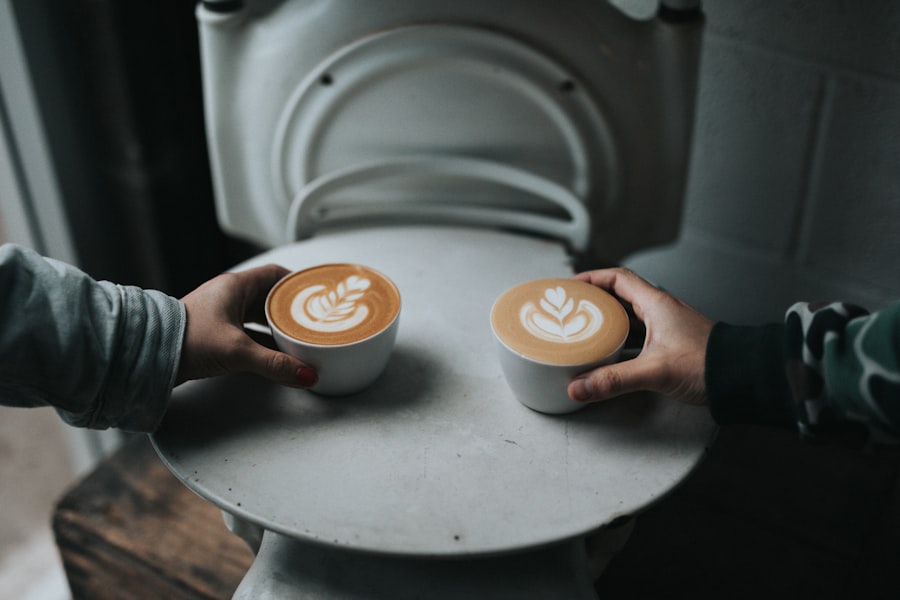
As we explore the diverse world of coffee, we encounter various types that each offer unique flavors and caffeine levels. For instance, a standard brewed coffee typically contains around 95 milligrams of caffeine per 8-ounce serving. However, when we turn to specialty drinks like cold brew or nitro coffee, we may find that these options can contain significantly higher levels of caffeine due to their brewing processes.
Cold brew is steeped for an extended period, often resulting in a more concentrated beverage that can pack a hefty caffeine punch. Espresso is another popular choice among coffee enthusiasts. A single shot of espresso contains about 63 milligrams of caffeine in just 1 ounce.
This means that while espresso has a higher concentration of caffeine per ounce compared to brewed coffee, the smaller serving size means we might consume less overall caffeine unless we opt for multiple shots. Additionally, drinks like lattes and cappuccinos combine espresso with milk, which can dilute the overall caffeine content per serving but still provide a satisfying experience for those who enjoy creamy textures alongside their caffeine fix.
How to measure caffeine in your coffee
Measuring caffeine in our coffee can be a bit tricky due to the many variables involved. However, there are several methods we can use to estimate the caffeine content in our favorite brews. One straightforward approach is to refer to general guidelines based on the type of coffee and its preparation method.
For example, we can use established averages for brewed coffee, espresso, and other popular drinks to get a rough idea of their caffeine levels. For those who want a more precise measurement, laboratory testing is an option. Some companies specialize in analyzing beverages for their chemical composition, including caffeine content.
While this method may not be practical for everyday consumers, it provides valuable insights for those interested in understanding their coffee’s exact makeup. Additionally, there are online calculators and resources that allow us to input specific details about our brewing methods and ingredients to estimate caffeine levels more accurately.
Health implications of consuming caffeine in coffee
Caffeine consumption has been a topic of extensive research and debate over the years. For many of us, moderate caffeine intake can offer several health benefits, such as improved cognitive function and enhanced physical performance. Studies have shown that caffeine may help boost alertness and concentration, making it a popular choice for those needing an extra push during long work hours or study sessions.
However, it’s essential to recognize that excessive caffeine consumption can lead to negative health effects as well. High doses may result in anxiety, insomnia, digestive issues, and increased heart rate. Moreover, individuals with certain health conditions or sensitivities may need to limit their caffeine intake to avoid adverse reactions.
By being mindful of our consumption habits and understanding how our bodies respond to caffeine, we can enjoy the benefits while minimizing potential risks.
Comparing caffeine levels in different coffee drinks
As we navigate through various coffee drinks available today, it’s fascinating to compare their caffeine levels. A standard brewed coffee typically contains around 95 milligrams of caffeine per 8-ounce cup, while a single shot of espresso has about 63 milligrams in just 1 ounce. When we look at popular specialty drinks like lattes or mochas, which combine espresso with milk and other ingredients, we find that their overall caffeine content can vary widely depending on the number of espresso shots used.
For instance, a grande (16-ounce) latte made with two shots of espresso would contain approximately 126 milligrams of caffeine. In contrast, a cold brew coffee can have anywhere from 200 to 300 milligrams per serving due to its concentrated brewing process. This comparison highlights how different preparation methods and drink sizes can significantly impact our total caffeine intake.
By being aware of these differences, we can make choices that align with our desired energy levels and preferences.
Tips for managing caffeine intake from coffee
Managing our caffeine intake from coffee doesn’t have to be daunting; there are several practical tips we can follow to ensure we’re consuming it mindfully. First and foremost, we should pay attention to portion sizes. Opting for smaller servings or choosing drinks with lower caffeine content can help us maintain a balanced intake throughout the day.
For example, if we’re accustomed to drinking large cups of brewed coffee, we might consider switching to smaller sizes or alternating with decaffeinated options. Another effective strategy is to monitor our consumption patterns throughout the day. Keeping track of how many cups we drink and when we consume them can help us identify any potential overconsumption or sensitivity issues.
Additionally, we might explore alternative beverages like herbal teas or decaf coffee during certain times when we want to reduce our caffeine intake without sacrificing our love for warm drinks. By implementing these tips into our daily routines, we can enjoy our coffee while maintaining control over our overall caffeine consumption.
Making informed choices about your coffee consumption
In conclusion, understanding the intricacies of caffeine content in coffee empowers us to make informed choices about our consumption habits. By recognizing the factors that influence caffeine levels—such as bean type and brewing methods—we can tailor our coffee experiences to suit our preferences and health needs. As we explore different types of coffee drinks and their respective caffeine contents, we gain valuable insights into how each option affects our energy levels and overall well-being.
Ultimately, being mindful of our caffeine intake allows us to enjoy the benefits of coffee while minimizing potential risks associated with excessive consumption. By following practical tips for managing our intake and staying informed about the health implications of caffeine, we can cultivate a balanced relationship with this beloved beverage. As we savor each cup, let’s remember that knowledge is power; making informed choices about our coffee consumption will lead us toward a healthier and more enjoyable experience with every sip.
FAQs
What is caffeine?
Caffeine is a natural stimulant found in coffee, tea, and other products. It is known for its ability to help people feel more alert and less tired.
How much caffeine is in a typical cup of coffee?
The amount of caffeine in a cup of coffee can vary depending on factors such as the type of coffee bean, the brewing method, and the serving size. On average, an 8-ounce cup of brewed coffee contains about 95 milligrams of caffeine.
How does caffeine affect the body?
Caffeine works by blocking the effects of adenosine, a brain chemical involved in sleep. This leads to increased alertness and a temporary boost in energy.
Is caffeine consumption safe?
For most people, consuming moderate amounts of caffeine is considered safe. However, excessive caffeine intake can lead to negative side effects such as anxiety, insomnia, and rapid heart rate.
How much caffeine is too much?
The FDA recommends that adults limit their caffeine intake to no more than 400 milligrams per day, which is roughly the amount in four 8-ounce cups of brewed coffee. It’s important to be mindful of individual tolerance levels and any underlying health conditions.


