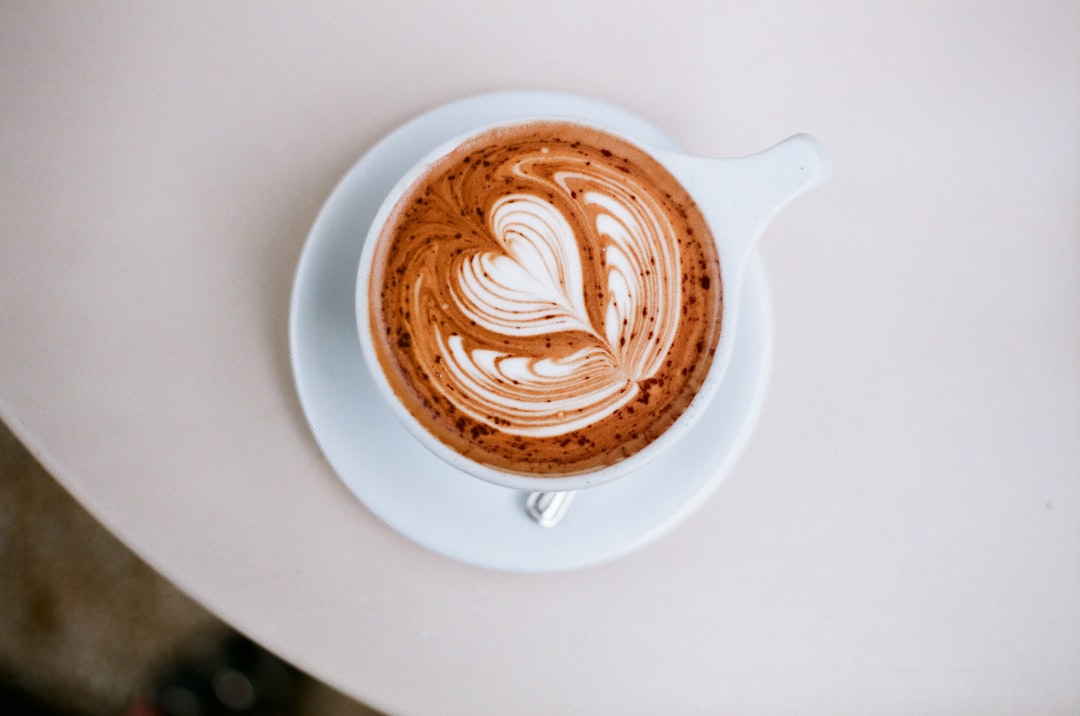
Espresso and coffee are two of the most beloved beverages worldwide, each boasting a rich history and a dedicated following. While they share a common origin in the coffee bean, the methods of preparation, flavor profiles, and cultural significance of each drink set them apart. Espresso, a concentrated form of coffee, is often characterized by its bold flavor and creamy texture, achieved through a unique brewing process that involves forcing hot water through finely-ground coffee.
On the other hand, coffee, in its many forms, can range from light and fruity to dark and robust, depending on the brewing method and the type of beans used. The distinction between espresso and coffee is not merely technical; it reflects broader cultural practices and preferences. In Italy, for instance, espresso is not just a drink but a ritual, often enjoyed standing at the bar in a bustling café.
In contrast, coffee in many parts of the world is often associated with leisurely mornings or social gatherings. Understanding these differences can enhance one’s appreciation for both beverages and inform choices about which to enjoy in various contexts.
Key Takeaways
- Espresso is a concentrated form of coffee made by forcing hot water through finely-ground coffee beans.
- The brewing process for espresso involves using high pressure and a short extraction time, resulting in a rich and intense flavor.
- Espresso has a bold and complex flavor profile, often described as having notes of chocolate, caramel, and nuts.
- Espresso has a higher caffeine content per ounce compared to regular coffee, making it a popular choice for a quick energy boost.
- A standard serving size of espresso is about 1 ounce, while a regular coffee serving is typically 8-12 ounces.
The Brewing Process
The brewing process for espresso is distinct and precise, requiring specific equipment and techniques to achieve the desired results. Espresso is made using an espresso machine that generates high pressure—typically around 9 bars—to force hot water through finely-ground coffee. This process extracts oils and flavors quickly, resulting in a small but potent shot of coffee.
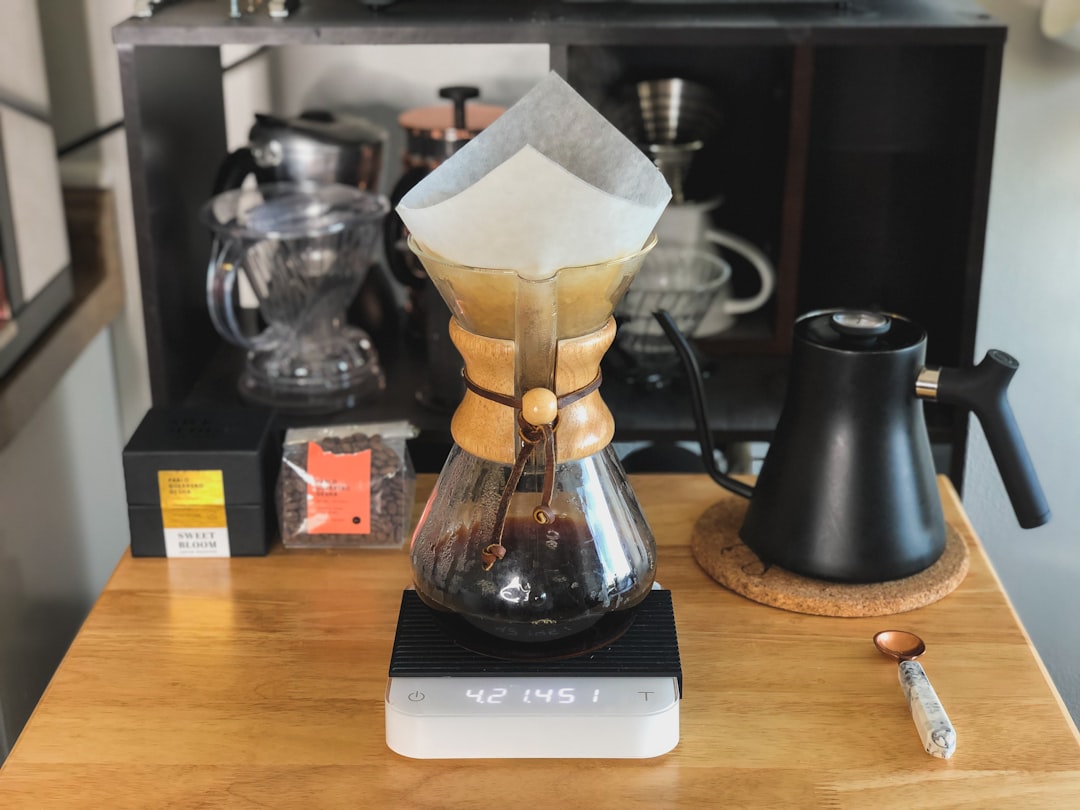
The grind size is crucial; it must be fine enough to create resistance against the water flow but not so fine that it clogs the machine. The ideal extraction time for espresso is usually between 25 to 30 seconds, during which the water interacts with the coffee grounds to produce a rich crema on top. In contrast, brewing regular coffee can involve various methods, including drip brewing, French press, pour-over, or cold brew.
Each method has its own nuances that affect the final flavor and strength of the coffee. For instance, a French press allows for full immersion of the coffee grounds in hot water, resulting in a fuller-bodied cup with more sediment. Drip coffee makers use gravity to pull water through a filter containing coarsely ground coffee, producing a cleaner cup with less body.
The brewing time can vary significantly between methods; while espresso takes mere seconds, some cold brew processes can take up to 24 hours to achieve optimal flavor extraction.
Flavor Profile
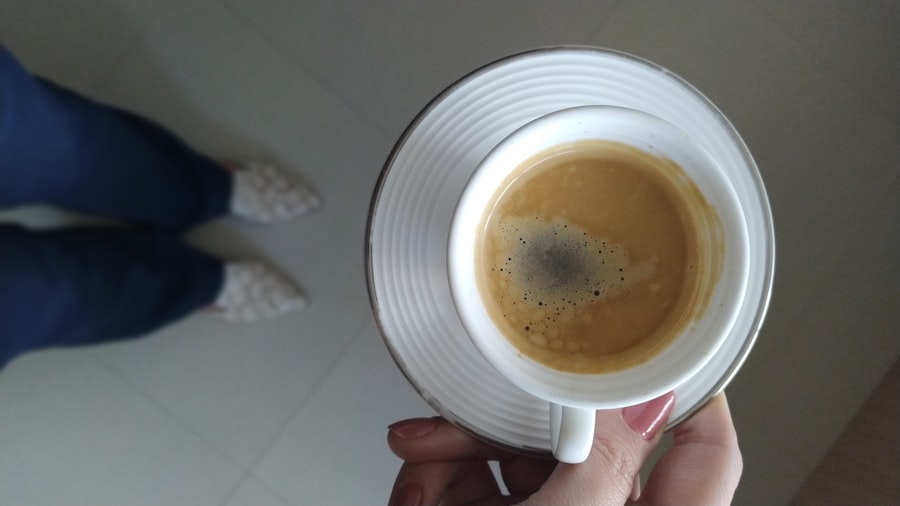
The flavor profile of espresso is often described as intense and complex, with a rich body and a thick crema that adds a velvety mouthfeel. The concentrated nature of espresso means that it can showcase the unique characteristics of the coffee beans used, including fruity, nutty, or chocolatey notes. The balance of acidity and sweetness is also crucial; a well-prepared espresso should have a harmonious blend of these elements without overwhelming bitterness.
The roast level of the beans plays a significant role in determining the flavor; lighter roasts tend to highlight acidity and floral notes, while darker roasts may emphasize chocolate and caramel flavors. Regular coffee offers a broader spectrum of flavors due to its diverse brewing methods and bean varieties. A light roast brewed using a pour-over method might present bright citrus notes and floral aromas, while a dark roast brewed in a French press could yield deep chocolate flavors with hints of smokiness.
The flavor profile can also be influenced by factors such as water quality, temperature, and brew time. This variability allows coffee enthusiasts to explore an extensive range of tastes and aromas, making each cup a unique experience.
Caffeine Content
| Beverage | Caffeine Content (mg) |
|---|---|
| Coffee (8 oz) | 95 |
| Black Tea (8 oz) | 47 |
| Green Tea (8 oz) | 28 |
| Cola (12 oz) | 34 |
Caffeine content is another significant difference between espresso and regular coffee that often influences consumer choices. A standard shot of espresso (approximately 1 ounce) contains about 63 milligrams of caffeine on average. This concentration makes espresso one of the most potent forms of coffee in terms of caffeine per ounce.
However, because espresso is typically served in smaller quantities than regular coffee, many people may consume less caffeine overall when drinking espresso. In contrast, an 8-ounce cup of brewed coffee contains approximately 95 milligrams of caffeine on average, though this can vary widely depending on factors such as the type of beans used and the brewing method employed. For example, cold brew coffee often has higher caffeine levels due to the longer steeping time and higher coffee-to-water ratio used during preparation.
While espresso packs more caffeine per ounce, regular coffee generally provides a larger serving size that can lead to higher total caffeine consumption in one sitting.
Serving Size
Serving size is an essential aspect that differentiates espresso from regular coffee. Espresso is typically served in small shots—usually 1 to 2 ounces—due to its concentrated nature. This small serving size allows for an intense flavor experience without overwhelming the palate.
In many cultures, especially in Italy, it is common to enjoy multiple shots of espresso throughout the day as part of daily life. Conversely, regular coffee is usually served in larger quantities, with standard servings ranging from 8 ounces to 12 ounces or more. This larger serving size allows for a more leisurely drinking experience and encourages social interaction over cups shared among friends or family.
The difference in serving sizes also reflects cultural practices; for instance, in American coffee culture, it is common to refill large mugs multiple times during breakfast or brunch gatherings.
Equipment and Tools
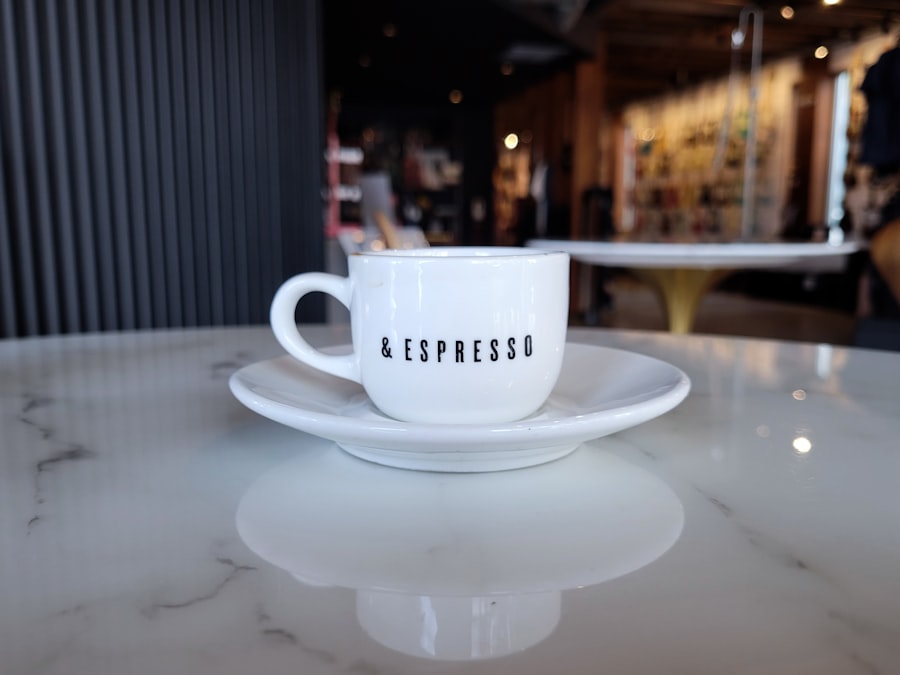
The equipment used to prepare espresso is specialized and often requires an investment for those serious about their brewing craft. An espresso machine is essential for producing authentic espresso shots; these machines come in various types ranging from manual lever machines to fully automatic models that handle everything from grinding to brewing at the push of a button. Additionally, a quality grinder is crucial since the grind size directly impacts extraction quality.
Burr grinders are preferred over blade grinders for their ability to produce uniform particle sizes. For regular coffee brewing, there is a wider array of equipment options available to suit different preferences and budgets. Drip coffee makers are ubiquitous in many households due to their convenience and ease of use.
French presses offer a more hands-on approach that allows users to control steeping time and extraction levels. Pour-over devices like the Chemex or Hario V60 provide an artisanal touch to brewing while allowing for precise control over water flow and temperature. Each method requires different tools but ultimately serves the same purpose: to extract flavor from coffee beans.
Popular Variations
Espresso serves as the foundation for numerous popular variations that have become staples in cafés around the world. The classic espresso shot can be transformed into a macchiato by adding a small amount of steamed milk or foam on top, creating a delightful contrast between the boldness of espresso and the creaminess of milk. A cappuccino takes this further by incorporating equal parts espresso, steamed milk, and milk foam, resulting in a balanced drink that appeals to those who enjoy both strong coffee flavors and creamy textures.
Regular coffee also boasts an impressive array of variations that cater to diverse tastes. From lattes made with steamed milk and flavored syrups to cold brews served over ice with cream or sweeteners, there are countless ways to enjoy this versatile beverage. Specialty drinks like nitro cold brew—infused with nitrogen for a creamy texture—have gained popularity in recent years as consumers seek new experiences beyond traditional brewing methods.
Cultural Significance
The cultural significance of espresso and regular coffee cannot be overstated; both beverages play vital roles in social interactions and daily rituals across different societies. In Italy, espresso is deeply ingrained in daily life; it’s common for people to stop by cafés for quick shots throughout the day or enjoy leisurely conversations over multiple cups with friends. The act of drinking espresso is often accompanied by specific etiquette—standing at the bar versus sitting at a table can convey different social meanings.
In contrast, regular coffee has become synonymous with American culture, particularly during breakfast or brunch gatherings where large pots are brewed for sharing among family or friends. Coffee shops have evolved into social hubs where people gather not only for drinks but also for work or casual meetings. The rise of specialty coffee culture has further elevated its status as an artisanal product worthy of appreciation and exploration.
Health Benefits
Both espresso and regular coffee offer potential health benefits when consumed in moderation. Research has shown that moderate coffee consumption may be associated with reduced risks of certain diseases such as Parkinson’s disease, type 2 diabetes, and liver disease. The antioxidants found in coffee are believed to contribute to these protective effects by combating oxidative stress within the body.
Espresso shares these potential health benefits while also providing some unique advantages due to its concentrated nature. The high levels of antioxidants present in espresso may offer enhanced protective effects compared to regular brewed coffee. Additionally, some studies suggest that caffeine may improve cognitive function and enhance physical performance by increasing alertness and reducing fatigue.
Cost Comparison
When considering cost, there are notable differences between espresso and regular coffee that can influence consumer choices. Espresso drinks tend to be more expensive than standard brewed coffee due to the specialized equipment required for preparation as well as the skill involved in crafting each shot perfectly. A single shot of espresso at a café might cost anywhere from $2 to $4 depending on location and quality.
However, if one frequently purchases specialty drinks like lattes or flavored coffees made from high-quality beans at artisanal cafés, costs can add up quickly.
Which One is Right for You?
Choosing between espresso and regular coffee ultimately depends on personal preferences regarding flavor intensity, serving size, cultural practices, and even health considerations. For those who appreciate bold flavors packed into small servings or enjoy exploring various espresso-based drinks like lattes or cappuccinos, espresso may be the ideal choice. Conversely, if you prefer larger servings with diverse flavor profiles that can be enjoyed leisurely over conversations or meals, regular brewed coffee might be more suitable.
Ultimately, both beverages offer unique experiences worth exploring; whether you find joy in savoring an expertly crafted shot of espresso or delight in sipping on a comforting cup of brewed coffee during breakfast with friends, each has its place within our daily lives and cultural practices around the world.
FAQs
What is espresso?
Espresso is a concentrated form of coffee made by forcing hot water through finely-ground coffee beans. It is typically served in small shots and has a strong, bold flavor.
What is coffee?
Coffee refers to the beverage made by brewing roasted and ground coffee beans with hot water. It can be served in various strengths and flavors, depending on the brewing method and type of beans used.
What is the difference in brewing method between espresso and coffee?
The main difference in brewing method between espresso and coffee is the pressure used. Espresso is brewed using high pressure, while coffee is typically brewed using gravity or a drip method.
What is the difference in flavor between espresso and coffee?
Espresso is known for its strong, bold flavor with a rich crema on top, while coffee can have a wider range of flavors and strengths depending on the brewing method and type of beans used.
What is the difference in caffeine content between espresso and coffee?
Espresso generally has a higher concentration of caffeine per ounce compared to regular coffee. However, a typical serving size of coffee contains more caffeine than a single shot of espresso.
How are espresso and coffee typically served?
Espresso is typically served in small shots, while coffee is served in larger cups or mugs. Both can be enjoyed plain or with added milk, sugar, or flavorings.