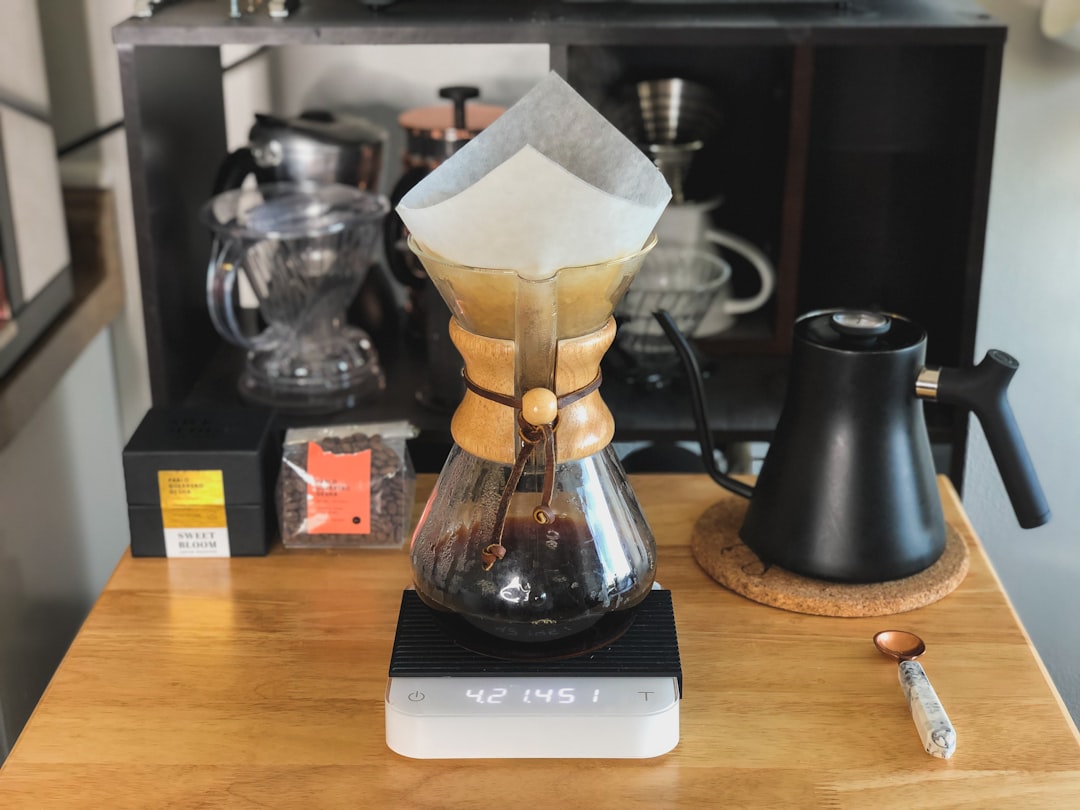
Sweet coffee has become a beloved choice for many coffee enthusiasts, transcending the traditional bitter notes often associated with this popular beverage. The allure of sweetness in coffee can be attributed to various factors, including the type of beans used, the roasting process, and the brewing methods employed. As coffee culture continues to evolve, an increasing number of consumers are seeking out sweeter profiles, whether through natural flavors or added sweeteners.
This exploration of sweet coffee not only highlights its appeal but also delves into the intricate elements that contribute to its delightful taste. The journey to understanding sweet coffee begins with recognizing that sweetness is not merely a matter of adding sugar or syrups. It encompasses a complex interplay of flavors and aromas that can be naturally present in the coffee itself.
From the inherent characteristics of different coffee beans to the effects of roasting and brewing techniques, each step in the coffee-making process can enhance or diminish the sweetness experienced in the final cup. This article will explore these various dimensions, providing insights into how to achieve that perfect balance of sweetness in your coffee.
Key Takeaways
- Sweet coffee can be achieved through various factors such as the type of beans, roasting, brewing methods, origin, and processing.
- Different types of coffee beans, such as Arabica and Robusta, have distinct flavors and sweetness levels.
- The roasting process plays a crucial role in developing the sweetness of coffee through caramelization and Maillard reaction.
- Brewing methods like pour-over, French press, and espresso can affect the sweetness and overall flavor profile of coffee.
- The origin of the coffee beans and the processing method, whether natural or washed, can significantly impact the sweetness of the final brew.
Understanding the Different Types of Coffee Beans
The foundation of any great cup of coffee lies in the type of beans used, primarily Arabica and Robusta. Arabica beans are known for their smooth, mild flavor profile and often exhibit a natural sweetness that can be enhanced through careful cultivation and processing. These beans typically have a higher acidity, which can contribute to a more complex flavor profile, allowing for notes of fruit and sugar to shine through.
For instance, a well-grown Ethiopian Yirgacheffe Arabica may present floral and fruity notes that naturally lend themselves to a sweeter taste. On the other hand, Robusta beans tend to have a stronger, more bitter flavor with earthy undertones. While they are generally less sweet than Arabica, they do contain higher levels of caffeine and can produce a thicker crema when brewed as espresso.
Some coffee drinkers appreciate the boldness of Robusta, but for those seeking sweetness, Arabica is often the preferred choice. Additionally, there are numerous hybrid varieties and specialty beans that can offer unique flavor profiles, further expanding the possibilities for sweetness in coffee.
Exploring the Role of Roasting in Coffee Sweetness

Roasting is a critical stage in coffee production that significantly influences the flavor profile, including sweetness. The roasting process transforms green coffee beans into the aromatic brown beans that we recognize. During roasting, sugars within the beans caramelize, contributing to the development of sweet flavors.
Lighter roasts tend to preserve more of the bean’s natural sugars and acidity, resulting in a brighter and sweeter cup. For example, a light roast from Central America may highlight citrus notes alongside a pleasant sweetness. Conversely, darker roasts often lead to a more pronounced bitterness as the sugars continue to caramelize and eventually burn.
While some may enjoy the deep, smoky flavors of a dark roast, it can overshadow any inherent sweetness present in the beans. The balance between roast level and sweetness is delicate; thus, many coffee aficionados advocate for medium roasts that strike a harmonious balance between sweetness and complexity.
The Impact of Brewing Methods on Coffee Sweetness
| Brewing Method | Coffee Sweetness (1-10) |
|---|---|
| French Press | 7 |
| Pour Over | 8 |
| Espresso | 6 |
| Aeropress | 9 |
The method used to brew coffee plays an essential role in extracting flavors from the grounds, including sweetness. Various brewing techniques can yield different results based on factors such as water temperature, extraction time, and grind size. For instance, methods like pour-over or cold brew often result in a smoother cup with enhanced sweetness due to their longer extraction times and lower temperatures.
Cold brew, in particular, is known for its naturally sweet profile because it extracts fewer bitter compounds compared to traditional hot brewing methods. Espresso brewing is another method that can produce a sweet cup when executed correctly. The pressure applied during extraction forces water through finely ground coffee quickly, capturing the oils and sugars while minimizing bitterness.
A well-pulled shot of espresso can reveal rich caramel notes and a velvety mouthfeel that enhances its sweetness. Conversely, if brewed too quickly or with too coarse a grind, espresso can turn bitter and lose its potential for sweetness. Understanding how different brewing methods impact flavor extraction is crucial for those looking to enhance the sweetness in their coffee.
The Influence of Origin and Processing on Coffee Sweetness
The origin of coffee beans significantly influences their flavor profile, including sweetness.
For example, coffees from Colombia are often celebrated for their balanced flavor profiles with bright acidity and natural sweetness.
In contrast, beans from Brazil may exhibit chocolatey notes with a lower acidity but still possess a certain level of sweetness due to their processing methods. Processing methods also play a pivotal role in determining sweetness. The two primary methods are washed (or wet) processing and natural (or dry) processing.
Washed coffees tend to have cleaner flavors with pronounced acidity but may lack some of the inherent sweetness found in naturally processed coffees. In contrast, natural processing allows the coffee cherries to dry with their fruit intact, resulting in a sweeter cup as sugars from the fruit permeate the beans during drying. This method often produces fruity and wine-like flavors that can elevate the overall sweetness of the coffee.
Exploring Natural and Artificial Sweeteners in Coffee

For those who prefer an added touch of sweetness in their coffee, both natural and artificial sweeteners are widely available options. Natural sweeteners such as honey, agave syrup, or maple syrup can enhance the flavor profile without overwhelming it with artificial tastes. Honey, for instance, not only adds sweetness but also imparts floral notes that can complement certain coffees beautifully.
Agave syrup is another popular choice due to its low glycemic index and ability to dissolve easily in both hot and cold beverages. Artificial sweeteners like aspartame or sucralose offer calorie-free alternatives for those looking to reduce sugar intake while still enjoying a sweet cup of coffee. These sweeteners can be particularly appealing for individuals managing weight or blood sugar levels.
However, some coffee drinkers find that artificial sweeteners can impart an aftertaste that detracts from the overall experience. Experimenting with different types of sweeteners allows individuals to find their preferred balance between health considerations and flavor enhancement.
The Role of Milk and Cream in Sweetening Coffee
Milk and cream have long been staples in coffee preparation, not only for their ability to add richness but also for their natural sweetness. Dairy products contain lactose, a sugar that contributes to their sweet flavor profile. When added to coffee, milk or cream can soften bitterness while enhancing overall sweetness.
Whole milk provides a creamy texture and balanced flavor that many find appealing, while alternatives like oat milk or almond milk offer unique flavors that can complement specific coffee types. The temperature at which milk is steamed or frothed also affects its sweetness perception. Steaming milk creates microfoam that enhances its natural sugars while adding texture to the drink.
A well-prepared cappuccino or latte showcases this balance beautifully; the creamy milk harmonizes with the espresso’s flavors while elevating its sweetness without overwhelming it with additional sugar. For those who enjoy experimenting with different milk options, exploring various dairy and non-dairy alternatives can lead to delightful discoveries in terms of both flavor and sweetness.
Exploring Flavored Coffees for Sweetness
Flavored coffees have gained popularity as consumers seek out unique taste experiences beyond traditional brews. These coffees are infused with various flavors ranging from vanilla and hazelnut to seasonal favorites like pumpkin spice or peppermint mocha. The addition of these flavors often enhances perceived sweetness without requiring additional sugar or sweeteners.
For example, vanilla-flavored coffee can evoke a sense of warmth and comfort while complementing the natural flavors present in the beans. However, it is essential to choose flavored coffees wisely; not all flavored options are created equal. Some brands use high-quality natural flavorings derived from real ingredients, while others may rely on artificial additives that can detract from the overall quality of the coffee experience.
When selecting flavored coffees, consumers should look for those made with premium beans and natural flavorings to ensure they enjoy both quality and sweetness in their cup.
The Art of Pairing Coffee with Sweet Treats
Pairing coffee with sweet treats is an art form that enhances both experiences simultaneously. The right combination can elevate flavors and create a harmonious balance between bitterness and sweetness. For instance, pairing a rich chocolate cake with a smooth espresso can create an indulgent experience where the chocolate’s sweetness complements the espresso’s boldness.
Similarly, lighter pastries like croissants or muffins can pair beautifully with milder coffees that allow their flavors to shine without overpowering them. Regional pairings also offer exciting opportunities for exploration; for example, pairing Italian biscotti with an Italian roast coffee creates an authentic experience steeped in tradition. Additionally, seasonal treats like gingerbread cookies during the holidays can be paired with spiced coffees for a festive touch.
Understanding how different flavors interact allows individuals to curate delightful pairings that enhance their enjoyment of both coffee and sweets.
Tips for Enhancing the Sweetness of Your Coffee at Home
Enhancing the sweetness of your coffee at home can be achieved through various techniques and adjustments in preparation methods. One effective approach is experimenting with different brewing methods; as previously mentioned, cold brew tends to yield sweeter results due to its lower acidity and longer extraction time. If you prefer hot coffee, consider using pour-over techniques that allow for greater control over extraction variables.
Another tip is to adjust your grind size; finer grinds typically result in more extraction during brewing, which can enhance sweetness while minimizing bitterness. Additionally, consider using freshly roasted beans; stale beans lose their natural oils and sugars over time, leading to diminished flavor profiles. Finally, don’t shy away from experimenting with different types of milk or creamers—each option brings its own unique flavor profile that can enhance your coffee’s overall sweetness.
Embracing the Sweetness of Coffee
Sweetness in coffee is not merely an additive but rather an integral aspect of its complex flavor profile shaped by various factors throughout its journey from bean to cup. By understanding how different types of beans, roasting techniques, brewing methods, origins, processing styles, sweeteners, dairy options, flavored varieties, pairings with treats, and home preparation tips contribute to this delightful characteristic, consumers can fully embrace the world of sweet coffee. Whether you prefer your cup black or adorned with cream and sugar, there’s no denying that exploring sweetness opens up new dimensions within this beloved beverage.
FAQs
What factors determine the sweetness of coffee?
The sweetness of coffee is influenced by various factors such as the type of coffee bean, the roast level, the brewing method, and the presence of any added sweeteners or flavorings.
Which coffee bean is the sweetest?
Generally, Arabica coffee beans are considered to have a sweeter and more flavorful profile compared to Robusta beans. This is due to their lower caffeine content and higher sugar content.
Does the roast level affect the sweetness of coffee?
Yes, the roast level can impact the sweetness of coffee. Lighter roasts tend to preserve more of the natural sugars present in the coffee beans, resulting in a sweeter flavor profile. On the other hand, darker roasts may have a more caramelized or bitter flavor, which can mask the natural sweetness.
Are there any specific brewing methods that enhance the sweetness of coffee?
Brewing methods such as pour-over, French press, and cold brew are known to highlight the natural sweetness of coffee. These methods allow for a more controlled extraction process, which can bring out the sugars and flavors in the coffee beans.
Can adding sweeteners or flavorings make coffee sweeter?
Yes, adding sweeteners such as sugar, honey, or syrups can enhance the sweetness of coffee. Additionally, flavorings like vanilla or caramel can contribute to a sweeter taste. However, it’s important to note that these additions can also mask the natural flavors of the coffee.