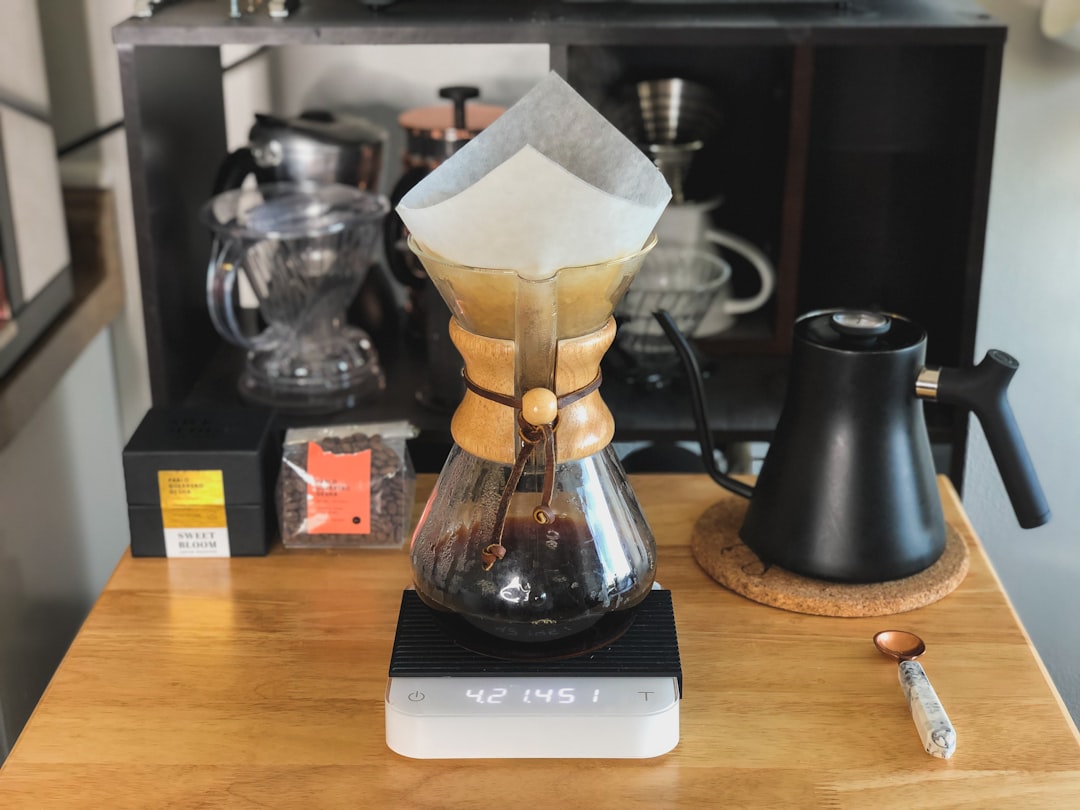
The journey of specialty coffee is a rich tapestry woven through centuries of cultural exchange, agricultural innovation, and evolving consumer preferences. The origins of coffee can be traced back to the ancient coffee forests of Ethiopia, where legend has it that a goat herder named Kaldi discovered the energizing effects of coffee beans after observing his goats frolicking energetically after consuming them. This serendipitous discovery eventually led to the cultivation and trade of coffee, which spread across the Arabian Peninsula by the 15th century.
By the 17th century, coffee had made its way to Europe, where it quickly became a popular beverage among the elite and intellectuals, leading to the establishment of coffeehouses that served as hubs for social interaction and the exchange of ideas. The term “specialty coffee” emerged in the late 20th century, primarily attributed to Erna Knutsen, who first used it in 1974 to describe high-quality coffee beans that were distinct in flavor and grown in specific regions. This marked a significant shift in the coffee industry, moving away from mass-produced, commodity-grade coffee towards a focus on quality, traceability, and unique flavor profiles.
The Specialty Coffee Association (SCA), founded in 1982, played a pivotal role in promoting this movement by establishing standards for grading coffee beans and fostering a community of coffee enthusiasts dedicated to exploring the nuances of flavor and quality.
Key Takeaways
- Specialty coffee has a rich history dating back to the 1960s, when the concept of high-quality, single-origin coffee beans first emerged.
- Coffee is considered “specialty” based on factors such as flavor, aroma, and growing conditions, with a focus on quality and unique characteristics.
- The variety of coffee beans, such as Arabica and Robusta, plays a crucial role in determining the flavor and quality of specialty coffee.
- The roasting process is essential in developing the flavors and aromas of specialty coffee, with different roast levels impacting the final taste.
- Different brewing methods, such as pour-over and espresso, can significantly affect the flavor and characteristics of specialty coffee.
What Makes Coffee “Specialty”?
To be classified as specialty coffee, beans must meet rigorous standards set by organizations like the SCThese standards include a minimum score of 80 points on a 100-point scale during a cupping evaluation conducted by certified tasters. Factors influencing this score include aroma, flavor, acidity, body, balance, and aftertaste. Specialty coffee is not merely about high scores; it embodies a commitment to quality at every stage of production—from cultivation to processing and roasting.
This dedication ensures that consumers experience a product that is not only superior in taste but also reflective of its unique origin. Moreover, specialty coffee emphasizes transparency and traceability. Each batch of specialty coffee is often linked to specific farms or cooperatives, allowing consumers to understand the journey of their coffee from seed to cup.
This connection fosters a deeper appreciation for the labor and craftsmanship involved in producing high-quality coffee. Additionally, specialty coffee often highlights unique processing methods, such as washed or natural processing, which can significantly influence flavor profiles. The emphasis on these distinct characteristics sets specialty coffee apart from commercial-grade offerings, which typically prioritize uniformity and cost-effectiveness over flavor complexity.
The Importance of Coffee Bean Varieties
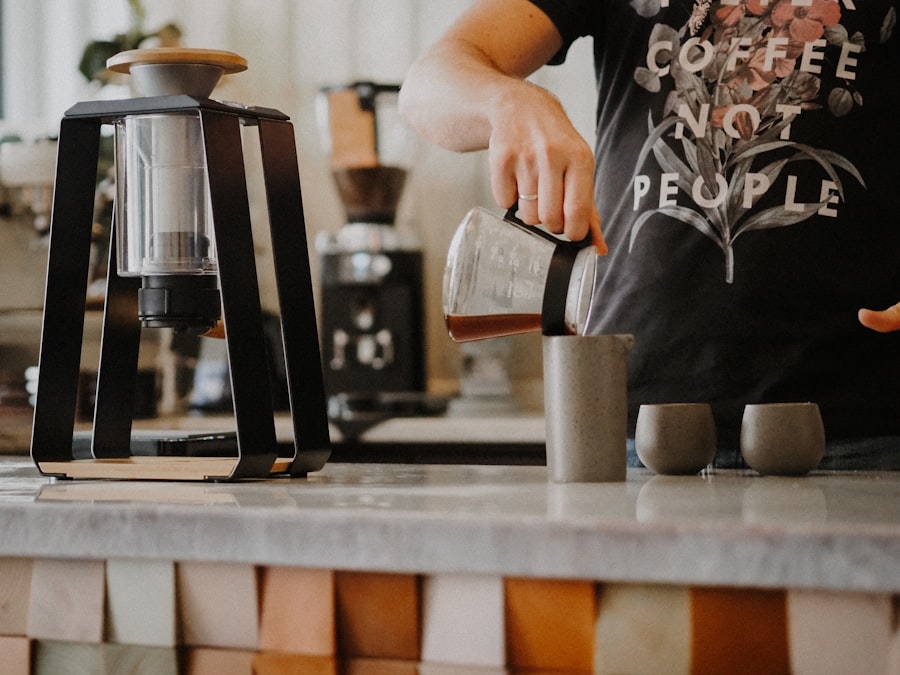
The diversity of coffee bean varieties plays a crucial role in defining the flavor profiles and overall quality of specialty coffee. Arabica and Robusta are the two primary species cultivated for commercial use, with Arabica being favored for its nuanced flavors and lower caffeine content. Within the Arabica species alone, there are numerous varieties such as Bourbon, Typica, Geisha, and SL28, each contributing unique characteristics influenced by factors like genetics, growing conditions, and processing methods.
For instance, Geisha beans are renowned for their floral notes and vibrant acidity, often fetching high prices at auctions due to their rarity and exceptional quality. The cultivation of specific varieties can also impact the sustainability of coffee farming practices. Some varieties are more resilient to pests and diseases, while others may thrive better in changing climate conditions.
As climate change poses significant challenges to coffee production worldwide, understanding and preserving diverse bean varieties becomes increasingly important for maintaining both quality and sustainability in specialty coffee. Farmers who cultivate these unique varieties often engage in meticulous farming practices that enhance flavor while promoting biodiversity within their ecosystems.
The Role of Coffee Roasting in Specialty Coffee
| Roasting Level | Flavor Profile | Aroma | Acidity | Body |
|---|---|---|---|---|
| Light Roast | Delicate, floral, fruity | Complex, vibrant | High | Light |
| Medium Roast | Balanced, nutty, chocolatey | Aromatic, sweet | Moderate | Medium |
| Dark Roast | Bold, smoky, caramelized | Rich, intense | Low | Full |
Roasting is a transformative process that significantly influences the flavor profile of coffee beans. The art of roasting involves carefully applying heat to green coffee beans to develop their inherent flavors through chemical reactions known as Maillard reactions and caramelization. Specialty coffee roasters often take a hands-on approach, experimenting with different roast profiles to highlight the unique characteristics of each bean variety.
Light roasts tend to preserve more of the bean’s original flavors, showcasing bright acidity and fruity notes, while darker roasts can introduce deeper chocolatey or smoky flavors. The choice of roasting technique can also affect the final product’s aroma and mouthfeel. For instance, a slow roast may allow for more even development of flavors, while a quick roast might produce a more pronounced acidity.
Roasters often conduct multiple test batches before settling on a final profile that best represents the beans’ qualities. This meticulous attention to detail is what distinguishes specialty coffee from mass-produced options, where roasting is often standardized to achieve uniformity rather than celebrate individuality.
Understanding the Impact of Coffee Brewing Methods
The brewing method employed can dramatically alter the taste experience of specialty coffee. Various techniques—such as pour-over, French press, espresso, and cold brew—each extract different flavor compounds from the coffee grounds due to variations in water temperature, brew time, and grind size. For example, pour-over methods like Chemex or Hario V60 allow for precise control over water flow and temperature, resulting in a clean cup that highlights delicate flavors and aromas.
In contrast, espresso brewing uses high pressure to extract concentrated flavors quickly, producing a rich and intense shot that serves as the foundation for many popular coffee beverages. Understanding these brewing methods is essential for both baristas and consumers who wish to appreciate the full spectrum of flavors present in specialty coffee. Experimentation with different techniques can lead to exciting discoveries about how various factors influence taste.
For instance, adjusting grind size or water temperature can enhance or mute specific flavor notes, allowing individuals to tailor their brewing process to their personal preferences or the unique characteristics of the beans they are using.
The Art of Coffee Tasting: Developing Your Palate

Coffee tasting, or cupping, is an essential skill for anyone involved in the specialty coffee industry—from producers to roasters to baristas. Developing one’s palate involves training to identify various flavor notes, aromas, acidity levels, body types, and aftertastes present in different coffees. This process often begins with guided tastings where participants sample multiple coffees side by side, allowing them to compare and contrast flavors directly.
Over time, individuals learn to recognize subtle differences that may not be immediately apparent. A well-developed palate not only enhances appreciation for specialty coffee but also informs better purchasing decisions for consumers seeking high-quality beans. Tasting notes provided by roasters often describe specific flavor profiles—such as berry-like sweetness or nutty undertones—that can guide consumers toward coffees that align with their preferences.
Additionally, participating in cupping sessions fosters community engagement among coffee enthusiasts who share insights and experiences while deepening their understanding of this complex beverage.
The Influence of Coffee Growing Regions on Flavor Profiles
The geographical origin of coffee beans plays a pivotal role in shaping their flavor profiles due to variations in climate, altitude, soil composition, and cultivation practices. For instance, coffees grown at higher elevations tend to develop more complex flavors due to slower maturation processes that allow for greater acidity and sweetness. Regions such as Ethiopia are celebrated for their bright floral notes and fruity characteristics, while Colombian coffees are often recognized for their balanced profiles with hints of caramel and chocolate.
Moreover, specific growing regions have become synonymous with particular flavor attributes due to their unique environmental conditions. For example, coffees from Sumatra are known for their earthy tones and full body resulting from wet-hulling processing methods commonly used in Indonesia. Understanding these regional distinctions allows consumers to explore diverse flavor experiences within specialty coffee while appreciating the intricate relationship between geography and taste.
The Sustainability and Ethics of Specialty Coffee
Sustainability and ethical considerations have become increasingly important within the specialty coffee industry as consumers grow more conscious of their purchasing decisions’ impact on communities and ecosystems. Many specialty coffee producers prioritize sustainable farming practices that promote environmental stewardship while ensuring fair wages for workers involved in cultivation and processing. Certifications such as Fair Trade or Rainforest Alliance provide frameworks for ensuring ethical practices throughout the supply chain.
By fostering direct connections between consumers and growers, these initiatives help ensure that farmers receive fair compensation for their high-quality beans while encouraging sustainable agricultural practices that protect biodiversity and promote soil health.
Exploring the World of Coffee Certifications
Coffee certifications serve as important indicators of quality and ethical practices within the specialty coffee industry. Various certification programs exist—each with its own criteria—ranging from organic certifications that emphasize environmentally friendly farming practices to Fair Trade certifications that ensure fair wages for farmers. These certifications provide consumers with assurance regarding the ethical sourcing of their coffee while promoting transparency within the supply chain.
In recent years, new certifications have emerged focusing on sustainability and social responsibility beyond traditional frameworks.
As consumers become more discerning about their choices, understanding these certifications can empower them to support brands that align with their values while enjoying exceptional specialty coffee.
How to Source and Store Specialty Coffee Beans
Sourcing high-quality specialty coffee beans requires an understanding of where to find reputable suppliers who prioritize quality over quantity. Many specialty roasters offer subscription services that deliver freshly roasted beans directly to consumers’ doors while providing detailed information about each batch’s origin and tasting notes. Additionally, local cafes often feature single-origin coffees sourced from specific farms or cooperatives—providing an opportunity for consumers to explore diverse flavor profiles while supporting local businesses.
Once sourced, proper storage is crucial for maintaining freshness and flavor integrity in specialty coffee beans. Ideally stored in an airtight container away from light, heat, and moisture—coffee beans can retain their optimal flavor for several weeks after roasting. Grinding beans just before brewing further enhances freshness by preserving volatile aromatic compounds that contribute to flavor complexity.
Tips for Enjoying and Pairing Specialty Coffee with Food
Pairing specialty coffee with food can elevate both experiences by highlighting complementary flavors and textures. When considering food pairings, it’s essential to think about the flavor profile of the coffee itself—whether it leans towards fruity brightness or rich chocolatey notes—and how those characteristics can enhance or contrast with various dishes. For instance, a bright Ethiopian Yirgacheffe with its citrusy acidity pairs beautifully with light pastries or fruit-based desserts that echo its fruity notes.
Conversely, a full-bodied Sumatran coffee with earthy undertones may complement richer foods such as dark chocolate desserts or savory dishes featuring roasted meats. Experimentation is key; tasting different combinations can lead to delightful discoveries about how flavors interact on the palate. Additionally, considering brewing methods when pairing can also enhance enjoyment; for example, an espresso shot served alongside a piece of dark chocolate creates an intense flavor experience that showcases both elements’ richness.
Through understanding these various aspects—from history to sustainability—coffee enthusiasts can deepen their appreciation for specialty coffee while enjoying its diverse flavors responsibly.
FAQs
What is specialty coffee?
Specialty coffee refers to high-quality coffee that is sourced from specific regions, carefully roasted, and brewed to bring out the unique flavors and characteristics of the coffee beans. It is typically produced in smaller quantities and is known for its exceptional taste and quality.
What sets specialty coffee apart from regular coffee?
Specialty coffee is distinguished by its focus on quality, traceability, and unique flavors. It is often sourced from single origin farms or specific regions, and the beans are carefully roasted to highlight their distinct characteristics. In contrast, regular coffee is often mass-produced and may not prioritize the same level of quality and flavor.
How is specialty coffee sourced?
Specialty coffee is typically sourced through direct trade or through specialty coffee importers who work closely with coffee producers to ensure high-quality beans. The focus is on sustainable and ethical practices, as well as transparency in the supply chain to ensure that the coffee meets the standards of specialty coffee.
What are the key factors that contribute to the quality of specialty coffee?
The quality of specialty coffee is influenced by factors such as the coffee bean variety, the growing conditions, the processing methods, the roasting technique, and the brewing method. Each of these factors plays a crucial role in determining the flavor, aroma, and overall quality of the coffee.
How is specialty coffee typically brewed?
Specialty coffee is often brewed using methods that allow for precise control over the brewing process, such as pour-over, French press, AeroPress, or espresso. These methods help to bring out the unique flavors of the coffee beans and are often preferred by coffee enthusiasts who appreciate the nuances of specialty coffee.