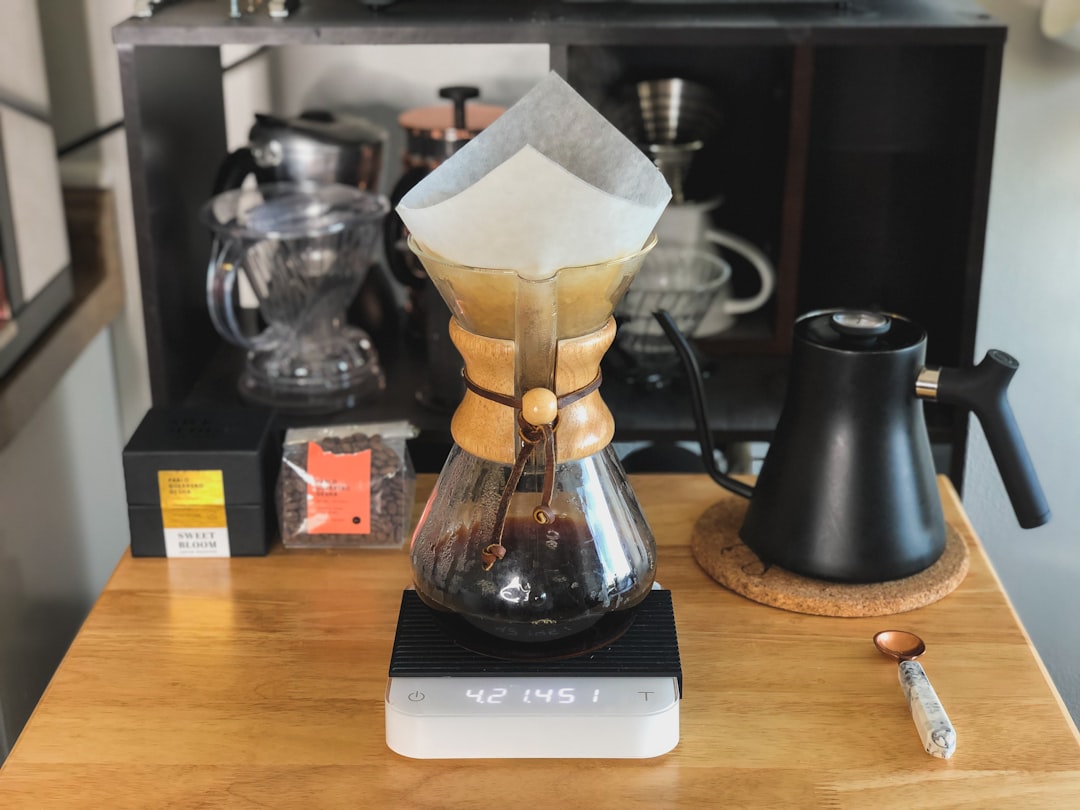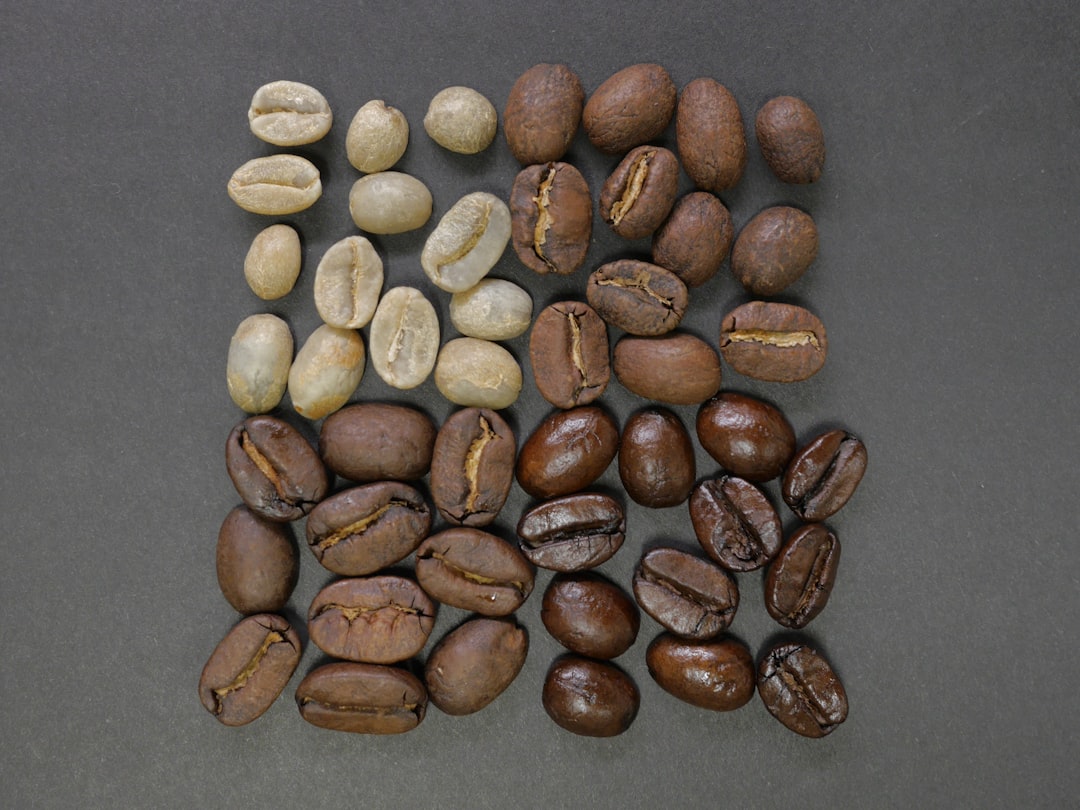
Coffee, a beloved beverage enjoyed by millions around the globe, is not merely a drink; it is a cultural phenomenon that transcends borders and unites people. The world of coffee is rich and diverse, with various types of beans that each offer unique flavors, aromas, and characteristics. Understanding the different types of coffee is essential for both casual drinkers and connoisseurs alike, as it opens up a world of possibilities for brewing and tasting.
The primary species of coffee beans are Arabica, Robusta, Liberica, and Excelsa, each contributing distinct qualities to the coffee experience. This article delves into these types, exploring their origins, flavor profiles, and the impact they have on brewing methods and regional preferences. The journey of coffee begins with the coffee plant, which produces cherries containing the beans we know and love.
The cultivation of these beans is influenced by various factors, including altitude, climate, and soil composition. As coffee enthusiasts explore the nuances of different types, they discover how these elements shape the final product. From the smooth and sweet notes of Arabica to the bold and earthy flavors of Robusta, each type offers a unique experience that can be tailored to individual preferences.
This exploration not only enhances appreciation for the beverage but also fosters a deeper understanding of its cultural significance across different societies.
Key Takeaways
- Arabica coffee is the most popular type, known for its smooth and mild flavor.
- Robusta coffee is a strong and bold choice, often used in espresso blends for its high caffeine content.
- Liberica coffee is a unique and rare option with a distinct fruity and floral flavor profile.
- Excelsa coffee is an exotic and intriguing variety, known for its complex and fruity flavors.
- Different coffee types have a significant impact on brewing methods, influencing the taste and aroma of the final cup.
Arabica Coffee: The Most Popular Type
Arabica coffee, scientifically known as Coffea arabica, is the most widely consumed type of coffee in the world, accounting for approximately 60-70% of global coffee production. Originating from the highlands of Ethiopia, Arabica beans thrive in higher altitudes where cooler temperatures and rich soil contribute to their complex flavor profiles. The beans are typically oval-shaped with a curved crease on one side and are known for their lower caffeine content compared to other varieties.
This makes Arabica a preferred choice for those seeking a smoother, less bitter cup of coffee. The flavor profile of Arabica coffee is characterized by its sweetness and acidity, often featuring notes of fruit, sugar, and floral undertones. The complexity of these flavors can vary significantly depending on the region where the beans are grown.
For instance, Ethiopian Arabica is renowned for its bright acidity and fruity notes, while Colombian Arabica is celebrated for its balanced flavor and mild sweetness. The cultivation practices employed by farmers also play a crucial role in shaping the final taste; organic farming methods and careful processing can enhance the inherent qualities of Arabica beans, resulting in a superior cup.
Robusta Coffee: The Strong and Bold Choice
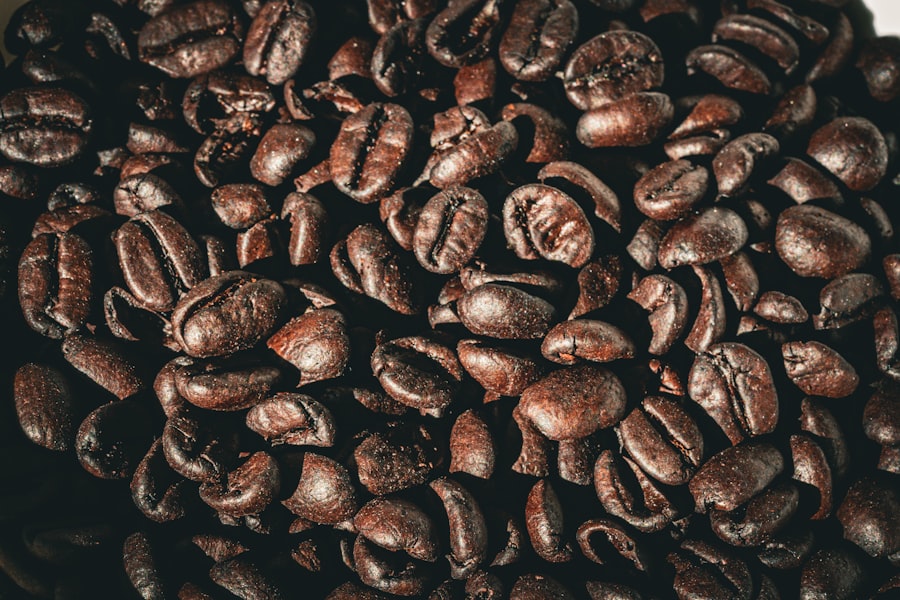
In contrast to Arabica, Robusta coffee (Coffea canephora) is known for its robust flavor and higher caffeine content, making it a popular choice for those who prefer a stronger brew. Robusta beans are generally rounder and have a straighter crease compared to Arabica beans. They are hardier plants that can withstand harsher growing conditions, including lower altitudes and higher temperatures.
This resilience allows Robusta to be cultivated in regions where Arabica may struggle to thrive. The flavor profile of Robusta coffee is often described as earthy, woody, or nutty, with a more pronounced bitterness than its Arabica counterpart. This boldness makes Robusta an excellent choice for espresso blends, as it contributes to a rich crema and enhances the overall body of the drink.
Additionally, the higher caffeine content in Robusta can provide an extra kick for those seeking an energizing boost. Countries such as Vietnam and Brazil are among the largest producers of Robusta coffee, with Vietnamese coffee culture heavily relying on this variety for its traditional brews.
Liberica Coffee: The Unique and Rare Option
| Attribute | Value |
|---|---|
| Origin | Indonesia, Malaysia, and East Timor |
| Flavor | Full-bodied, earthy, and nutty |
| Caffeine Content | Higher than Arabica, lower than Robusta |
| Growth Altitude | 600-1200 meters above sea level |
| Harvesting Season | April to July |
Liberica coffee (Coffea liberica) is a lesser-known variety that offers a unique taste experience distinct from both Arabica and Robusta. Native to West Africa, Liberica is characterized by its irregularly shaped beans and larger size compared to other types. The plant itself is more resilient to diseases and pests but is less commonly cultivated due to its unconventional flavor profile.
As a result, Liberica accounts for only about 2% of global coffee production. The flavor of Liberica coffee is often described as fruity and floral with a smoky or woody undertone. Some tasters note that it has a somewhat wild or unconventional taste that can be polarizing; while some appreciate its complexity, others may find it challenging to enjoy.
Countries like the Philippines and Malaysia have embraced Liberica as part of their coffee culture, often incorporating it into traditional brewing methods. Its rarity makes it an intriguing option for adventurous coffee drinkers looking to explore beyond the mainstream varieties.
Excelsa Coffee: The Exotic and Intriguing Variety
Excelsa coffee (Coffea excelsa) is another unique variety that has gained attention in recent years for its distinctive flavor profile. Originally classified as a separate species, Excelsa is now considered a variety of Liberica due to genetic similarities. It is primarily grown in Southeast Asia, particularly in Vietnam and the Philippines.
Excelsa beans are known for their dark color and irregular shape, which sets them apart from other types. The flavor profile of Excelsa coffee is often described as fruity and tart with hints of dark chocolate and a wine-like acidity. This complexity makes it an excellent choice for blending with other coffees to create unique flavor combinations.
Many specialty coffee roasters have begun to experiment with Excelsa in their blends, recognizing its potential to add depth and intrigue to traditional offerings. As consumers become more adventurous in their coffee choices, Excelsa presents an exciting opportunity to explore new taste experiences.
Understanding the Different Flavors and Aromas
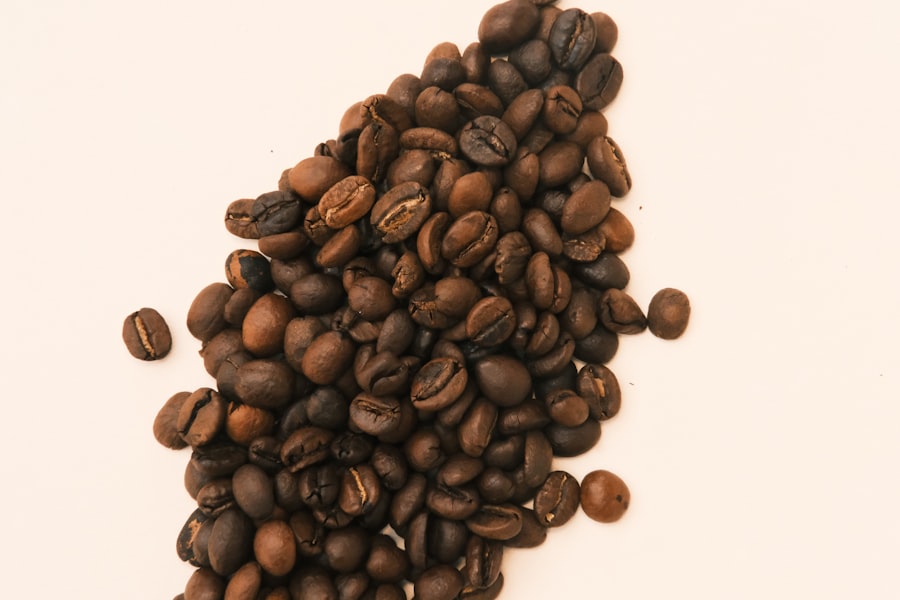
The flavors and aromas associated with different types of coffee are influenced by several factors, including the bean variety, growing conditions, processing methods, and roasting techniques. Each type of coffee possesses its own unique set of characteristics that contribute to its overall sensory profile. For instance, Arabica beans are often celebrated for their bright acidity and sweet notes, while Robusta tends to exhibit more bitterness and earthy flavors.
The processing method used after harvesting also plays a significant role in shaping the final taste of the coffee. For example, washed or wet processing typically results in cleaner flavors with pronounced acidity, while natural or dry processing can enhance fruity notes and body due to the fermentation of sugars in the cherry during drying. Roasting further transforms these flavors; lighter roasts tend to highlight acidity and fruity notes, while darker roasts may emphasize chocolatey or smoky characteristics.
The Impact of Coffee Types on Brewing Methods
Different types of coffee require specific brewing methods to fully express their unique flavors and aromas. For instance, Arabica’s delicate flavors are best showcased through methods such as pour-over or French press brewing, which allow for precise control over water temperature and extraction time. These methods help preserve the nuanced characteristics that make Arabica so beloved among coffee aficionados.
Conversely, Robusta’s boldness makes it well-suited for espresso preparation or French press brewing where a fuller body is desired. The higher caffeine content also means that Robusta can withstand longer extraction times without becoming overly bitter. Specialty brewers often experiment with various brewing techniques to highlight the distinct qualities of each type while ensuring that the final cup remains balanced and enjoyable.
Exploring the Regional Differences in Coffee Types
The cultivation of different coffee types is heavily influenced by regional factors such as climate, altitude, soil composition, and local agricultural practices. For example, Ethiopian Arabica is renowned for its bright acidity and floral notes due to the country’s high altitudes and diverse microclimates. In contrast, Brazilian Arabica often exhibits chocolatey undertones owing to the country’s warmer climate and lower elevations.
Robusta thrives in regions with lower altitudes and higher temperatures; thus, countries like Vietnam have become major producers due to their favorable growing conditions. Similarly, Liberica’s unique flavor profile can be attributed to its cultivation in specific regions where traditional farming practices have been passed down through generations. Understanding these regional differences not only enriches one’s appreciation for coffee but also highlights the cultural significance tied to each type.
The Role of Coffee Types in Specialty Coffee
In recent years, specialty coffee has gained immense popularity as consumers seek high-quality brews that emphasize unique flavors and sustainable practices. Within this movement, different types of coffee play crucial roles in defining what constitutes specialty offerings. Arabica remains at the forefront due to its widespread appeal and complex flavor profiles; however, there is a growing interest in exploring lesser-known varieties like Liberica and Excelsa.
Specialty roasters often focus on sourcing high-quality beans from specific regions or farms that employ sustainable practices. This emphasis on quality allows consumers to experience the full range of flavors associated with each type while supporting ethical sourcing methods. As specialty coffee continues to evolve, it encourages exploration beyond traditional varieties, inviting consumers to discover new tastes that challenge their perceptions of what coffee can be.
The Influence of Coffee Types on Espresso Drinks
Espresso drinks have become synonymous with modern coffee culture; however, the type of coffee used significantly influences the final product’s flavor profile and overall experience. While many espresso blends primarily consist of Arabica beans due to their sweetness and acidity, Robusta is often included to enhance body and crema. This combination creates a well-rounded espresso shot that balances richness with brightness.
The choice of bean type also affects how espresso drinks are prepared; for instance, using 100% Arabica may yield a lighter-bodied espresso with pronounced acidity suitable for drinks like lattes or cappuccinos. In contrast, blends containing Robusta can produce a bolder shot ideal for straight espresso or macchiatos where intensity is desired.
Embracing the Diversity of Coffee Types
The world of coffee is vast and varied, offering an array of experiences that cater to diverse palates and preferences. From the smooth sweetness of Arabica to the boldness of Robusta, each type presents unique opportunities for exploration and enjoyment. As consumers become more knowledgeable about these differences, they can make informed choices that enhance their coffee-drinking experience.
Embracing this diversity not only enriches personal enjoyment but also fosters appreciation for the cultural significance tied to each type of coffee around the world. Whether one prefers the familiar comfort of an Arabica brew or seeks out the exotic flavors found in Liberica or Excelsa varieties, there is always something new to discover within this beloved beverage’s rich tapestry.
FAQs
What are the 4 main types of coffee?
The 4 main types of coffee are Arabica, Robusta, Liberica, and Excelsa. Each type has its own unique flavor profile and characteristics.
What is Arabica coffee?
Arabica coffee is the most popular and widely consumed type of coffee. It is known for its smooth, mild flavor and pleasant aroma. Arabica beans are grown at higher altitudes and are considered to be of higher quality than other types of coffee beans.
What is Robusta coffee?
Robusta coffee is known for its strong, bold flavor and higher caffeine content compared to Arabica. It is often used in espresso blends and instant coffee. Robusta beans are grown at lower altitudes and are more resistant to pests and diseases.
What is Liberica coffee?
Liberica coffee is a less common type of coffee that is known for its unique and fruity flavor profile. It is grown in select regions of the world, including the Philippines and Malaysia. Liberica beans are larger in size compared to Arabica and Robusta beans.
What is Excelsa coffee?
Excelsa coffee is a type of coffee that is known for its complex and fruity flavor with a hint of tartness. It is often used in blends to add depth and character to the overall flavor profile. Excelsa beans are grown in regions such as Southeast Asia and parts of Africa.