
When we think about the term “certified organic,” we often envision a product that is not only free from synthetic pesticides and fertilizers but also cultivated in a manner that respects the environment. Certified organic refers to agricultural products that have been grown and processed according to specific standards set by regulatory bodies. These standards ensure that the food we consume is produced without the use of harmful chemicals, genetically modified organisms (GMOs), or artificial preservatives.
The certification process involves rigorous inspections and adherence to strict guidelines, which ultimately provide consumers with a guarantee of quality and sustainability. In essence, certified organic signifies a commitment to environmentally friendly farming practices. It encompasses a holistic approach to agriculture, emphasizing biodiversity, soil health, and ecological balance.
When we choose certified organic products, we are not just making a personal health choice; we are also supporting farming methods that promote the well-being of our planet.
Key Takeaways
- Certified organic means that the coffee has been grown and processed without the use of synthetic pesticides, herbicides, or fertilizers, and meets strict standards set by a certifying body.
- Certified organic coffee is important for environmental sustainability, as it promotes biodiversity, soil health, and water conservation, while also reducing the exposure of farmers and consumers to harmful chemicals.
- Consumers can identify certified organic coffee by looking for the official organic certification logo on the packaging, which indicates that the product has met the necessary requirements for organic certification.
- The process of certification involves thorough inspections, documentation, and testing to ensure that the coffee meets the organic standards, and is carried out by accredited certifying bodies.
- Choosing certified organic coffee offers benefits such as better taste, higher nutritional value, and support for small-scale farmers, while also contributing to a healthier planet and ecosystem.
The Importance of Certified Organic Coffee
As coffee lovers, we often find ourselves drawn to the rich flavors and aromas of our favorite brews. However, the importance of certified organic coffee extends beyond taste; it encompasses health, environmental sustainability, and ethical considerations. Coffee is one of the most heavily sprayed crops in the world, with conventional farming practices relying on a plethora of pesticides and chemicals that can have detrimental effects on both human health and the environment.
By choosing certified organic coffee, we are opting for a product that is grown without these harmful substances, ensuring a cleaner cup of coffee for ourselves and our families. Moreover, certified organic coffee supports sustainable farming practices that protect ecosystems and promote biodiversity.
This approach not only contributes to healthier coffee plants but also fosters a more resilient agricultural system. By prioritizing certified organic coffee, we are making a conscious decision to support farmers who are committed to sustainable practices, ultimately contributing to the preservation of our planet’s resources.
How to Identify Certified Organic Coffee
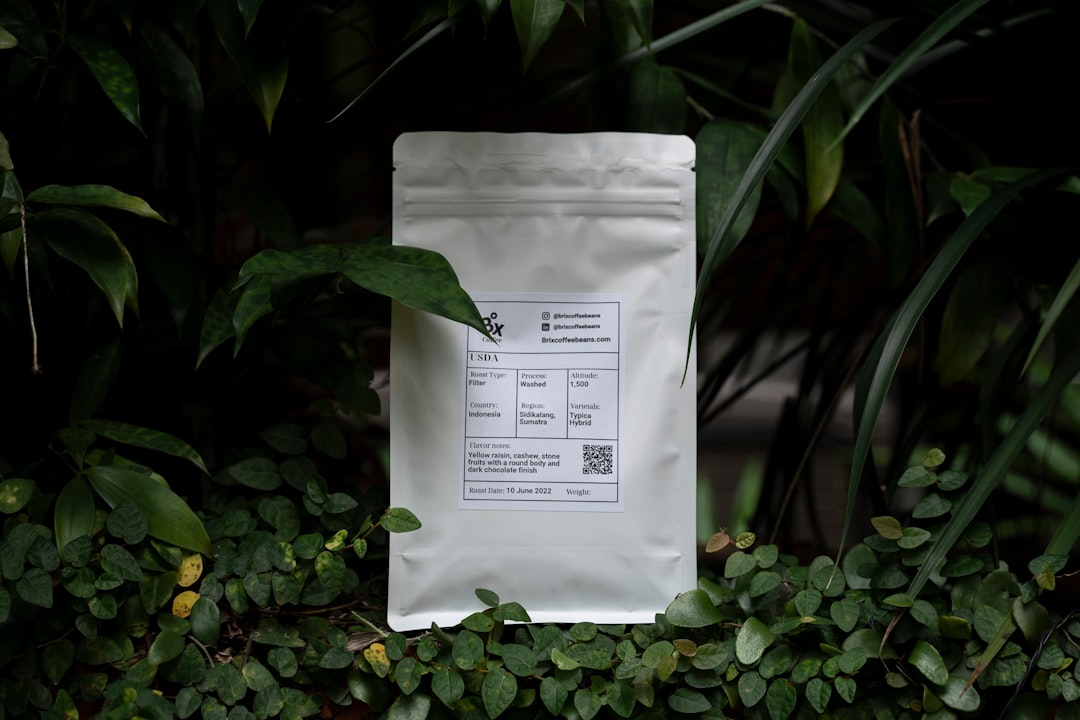
Identifying certified organic coffee can be straightforward if we know what to look for. The first step is to check for labels or certifications on the packaging. In many countries, certified organic products will display a seal from a recognized certifying body, such as the USDA Organic seal in the United States or the EU Organic logo in Europe.
These seals indicate that the coffee has met specific organic standards throughout its production process. Additionally, we should pay attention to the sourcing information provided by coffee brands. Many companies are transparent about their sourcing practices and will share details about where their coffee beans come from and how they are grown.
We can also look for brands that prioritize direct trade relationships with farmers, as this often indicates a commitment to ethical sourcing and fair compensation for growers. By being vigilant about labels and sourcing information, we can confidently choose certified organic coffee that aligns with our values.
The Process of Certification
The journey to becoming certified organic is a meticulous process that requires dedication and adherence to strict guidelines. For farmers seeking certification, the first step typically involves transitioning their land to organic practices, which can take several years. During this transition period, farmers must eliminate synthetic chemicals and adopt organic farming methods, such as crop rotation, composting, and natural pest control.
Once the transition period is complete, farmers can apply for certification through an accredited certifying agency. This application process includes submitting detailed records of farming practices, inputs used, and any pest management strategies employed. The certifying agency will then conduct an on-site inspection to verify compliance with organic standards.
This thorough evaluation ensures that all aspects of the farming operation meet the necessary criteria for certification. Once approved, farmers receive their organic certification, allowing them to market their coffee as certified organic.
Benefits of Choosing Certified Organic Coffee
Choosing certified organic coffee comes with a multitude of benefits that extend beyond personal health. For one, organic coffee is often associated with superior flavor profiles due to the absence of synthetic fertilizers and pesticides that can alter taste. Many coffee enthusiasts argue that organic beans produce a cleaner, more vibrant cup of coffee that allows the unique characteristics of each bean to shine through.
In addition to flavor benefits, opting for certified organic coffee supports sustainable agricultural practices that benefit both farmers and the environment. Organic farming methods promote soil health and biodiversity, which can lead to more resilient ecosystems. Furthermore, by supporting organic coffee producers, we contribute to fair trade practices that ensure farmers receive fair compensation for their labor.
This creates a positive cycle where both consumers and producers benefit from ethical sourcing and sustainable practices.
Challenges in Obtaining Organic Certification
While the benefits of certified organic coffee are clear, the path to obtaining organic certification is fraught with challenges. For many small-scale farmers in developing countries, the costs associated with certification can be prohibitive. The fees for inspections, paperwork, and compliance can add up quickly, making it difficult for farmers with limited resources to pursue certification.
Additionally, the transition period required before a farm can be certified organic can pose significant challenges. During this time, farmers may experience reduced yields as they shift away from conventional farming practices. This financial strain can deter some farmers from pursuing organic certification altogether.
As consumers who value sustainability and ethical practices, it is essential for us to recognize these challenges and support initiatives that help small-scale farmers navigate the certification process.
Supporting Sustainable and Ethical Practices
As consumers, we hold significant power in shaping agricultural practices through our purchasing decisions. By choosing certified organic coffee, we actively support sustainable and ethical practices that prioritize environmental health and social equity. Our choices can help create demand for products that are grown without harmful chemicals while also ensuring fair compensation for farmers.
Moreover, we can further amplify our impact by seeking out brands that prioritize transparency in their sourcing practices. Supporting companies that engage in direct trade relationships with farmers fosters a more equitable supply chain and encourages sustainable farming methods. By aligning our purchasing habits with our values, we contribute to a more just and sustainable food system.
Finding Certified Organic Coffee Options
Finding certified organic coffee options has never been easier thanks to the growing awareness of sustainability among consumers. Many specialty coffee shops now offer a selection of certified organic beans sourced from various regions around the world. We can explore local roasters who prioritize organic sourcing or visit farmer’s markets where local producers may sell their certified organic coffee directly.
Online retailers also provide an extensive range of certified organic coffee options, allowing us to explore different flavors and origins from the comfort of our homes. Many brands offer subscription services that deliver freshly roasted organic coffee right to our doorstep, making it convenient to enjoy high-quality brews while supporting sustainable practices. In conclusion, our journey toward understanding certified organic coffee reveals its significance not only for our health but also for the environment and global agricultural practices.
By choosing certified organic options, we embrace a lifestyle that values sustainability, ethical sourcing, and quality in every cup we enjoy. As we continue to educate ourselves about these important issues, we empower ourselves to make informed choices that positively impact our lives and the world around us.
FAQs
What does it mean for a coffee to be Certified Organic?
Certified Organic coffee means that the coffee beans have been grown and processed according to strict organic standards, without the use of synthetic pesticides, herbicides, or fertilizers.
Are all of your coffees Certified Organic?
Yes, all of our coffees are Certified Organic. We are committed to providing high-quality, organic coffee to our customers.
Who certifies your coffees as Organic?
Our coffees are certified by various organic certification bodies, such as the USDA Organic, Fair Trade, or Rainforest Alliance. These organizations ensure that our coffee meets the organic standards.
Why should I choose Certified Organic coffee?
Choosing Certified Organic coffee ensures that you are supporting environmentally friendly and sustainable farming practices. It also means that you are consuming coffee that is free from harmful chemicals and pesticides.
Do Certified Organic coffees taste different from non-organic coffees?
The taste of Certified Organic coffee can vary depending on the specific growing and processing methods used. However, many people believe that organic coffee has a cleaner, more natural flavor profile compared to non-organic coffee.


