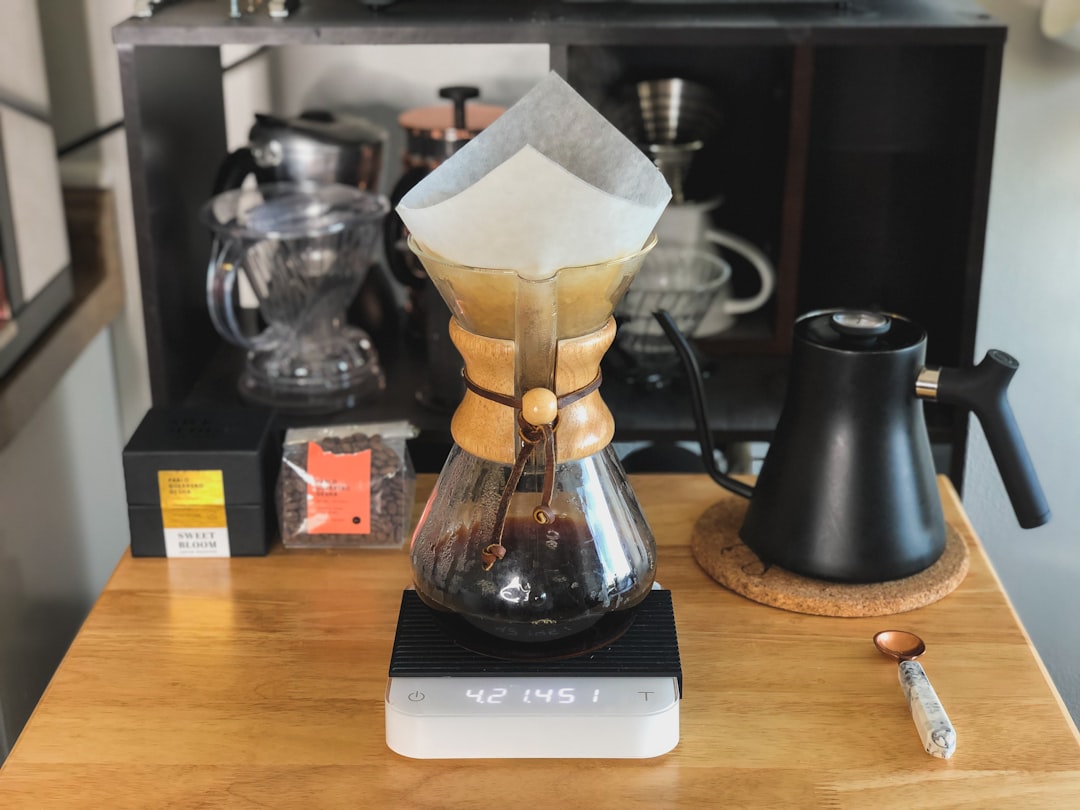
Coffee is more than just a beverage; it is a complex interplay of various elements that come together to create a rich and satisfying experience. The journey from bean to cup involves four fundamental elements: the coffee bean itself, the water used in brewing, the brewing method, and the equipment employed in the process. Each of these components plays a crucial role in determining the final flavor, aroma, and overall quality of the coffee.
Understanding these elements not only enhances one’s appreciation for coffee but also empowers enthusiasts to craft their perfect cup. The exploration of these four elements reveals the intricate science and art behind coffee preparation. From the selection of high-quality beans to the precise temperature of water, every detail matters.
This article delves into each element, providing insights into how they contribute to the coffee experience. By examining the nuances of each component, coffee lovers can elevate their brewing skills and deepen their understanding of this beloved beverage.
Key Takeaways
- Coffee has 4 key elements: the bean, water, brewing, and equipment.
- Understanding the bean is crucial for creating great coffee.
- Water quality significantly impacts the flavor of coffee.
- Mastering different brewing methods is essential for creating the perfect cup of coffee.
- Choosing the right equipment is key to achieving the desired coffee flavor.
Understanding the Bean: The First Element
At the heart of every great cup of coffee lies the coffee bean, which is actually the seed of the Coffea plant. There are two primary species of coffee beans that dominate the market: Arabica and Robusta. Arabica beans are known for their smooth, complex flavors and aromatic qualities, often exhibiting notes of fruit and sugar.
They thrive at higher altitudes and are more susceptible to pests and diseases, which makes them generally more expensive. In contrast, Robusta beans are hardier, with a stronger, more bitter flavor profile and higher caffeine content. They are often used in espresso blends for their ability to produce a rich crema.
The origin of the beans also significantly influences their flavor profile. For instance, Ethiopian coffees are often characterized by floral and fruity notes due to the unique growing conditions in that region. Colombian coffees, on the other hand, tend to have a balanced flavor with a mild acidity.
The processing method—whether washed, natural, or honey—further impacts the final taste. Understanding these variables allows coffee enthusiasts to select beans that align with their personal preferences, setting the foundation for an exceptional cup.
The Importance of Water: The Second Element

Water is often overlooked in discussions about coffee, yet it is arguably one of the most critical components in brewing. Approximately 98% of a cup of coffee is water, making its quality paramount to achieving optimal flavor extraction. The mineral content of water can significantly affect how flavors are perceived. For example, water that is too soft may lead to under-extraction, resulting in a flat taste, while overly hard water can cause over-extraction, leading to bitterness.
The ideal water for brewing coffee should have a balanced mineral composition, typically containing calcium and magnesium ions that enhance flavor extraction without overpowering the coffee’s inherent characteristics. Additionally, water temperature plays a vital role; brewing with water that is too hot can scorch the coffee grounds, while water that is too cool may not extract enough flavor. The recommended brewing temperature generally falls between 195°F and 205°F (90°C to 96°C).
The Art of Brewing: The Third Element
| Element | Quantity |
|---|---|
| Water | 5 gallons |
| Malt | 10 lbs |
| Hops | 2 oz |
| Yeast | 1 packet |
Brewing coffee is both an art and a science, requiring careful attention to detail and an understanding of various techniques. Different brewing methods can yield vastly different results, even when using the same beans and water. Popular methods include pour-over, French press, espresso, and cold brew, each offering unique characteristics that appeal to different palates.
For instance, pour-over brewing allows for precise control over water flow and extraction time, resulting in a clean and vibrant cup that highlights the coffee’s nuanced flavors. Conversely, French press brewing immerses the coffee grounds in water for an extended period, producing a full-bodied cup with rich oils and sediment. Espresso machines force hot water through finely-ground coffee under pressure, creating a concentrated shot with intense flavors and a creamy texture.
Understanding these methods enables coffee lovers to experiment and discover their preferred brewing style.
The Role of Equipment: The Fourth Element
The equipment used in brewing coffee can greatly influence the final outcome. From grinders to brewers, each piece of equipment serves a specific purpose that contributes to the overall quality of the brew. A high-quality burr grinder is essential for achieving a consistent grind size, which is crucial for proper extraction.
Blade grinders may produce uneven grinds that lead to inconsistent flavors in the cup. Brewing devices also vary widely in design and functionality. Automatic drip machines offer convenience but may lack the precision needed for optimal extraction.
Manual methods like pour-over or siphon brewing require more skill but allow for greater control over variables such as grind size and water temperature. Investing in quality equipment tailored to one’s preferred brewing method can make a significant difference in achieving that perfect cup of coffee.
Exploring Different Coffee Bean Varieties
The world of coffee beans is incredibly diverse, with thousands of varieties cultivated across different regions. Each variety possesses distinct flavor profiles influenced by factors such as climate, soil composition, and altitude. For example, Geisha beans from Panama are renowned for their floral aroma and complex flavors, often fetching high prices at auctions due to their rarity and exceptional quality.
Another notable variety is Bourbon, which is celebrated for its sweetness and balanced acidity. Grown primarily in Central America, Bourbon beans can exhibit flavors ranging from chocolatey to fruity depending on their processing method. Understanding these varieties allows coffee enthusiasts to explore a wide range of flavors and aromas, enhancing their overall coffee experience.
The Impact of Water Quality on Coffee Flavor
Water quality is not merely about purity; it encompasses various factors that can dramatically alter the taste of brewed coffee. Chlorine or other chemicals present in tap water can impart undesirable flavors that mask the coffee’s natural characteristics. Therefore, many coffee aficionados opt for filtered or bottled water to ensure a clean slate for flavor extraction.
Moreover, the pH level of water can influence acidity in coffee. Ideally, water should have a neutral pH around 7; however, slightly acidic or alkaline water can enhance or diminish certain flavor notes in coffee. For instance, slightly acidic water may accentuate fruity flavors in lighter roasts while balancing out bitterness in darker roasts.
By being mindful of water quality and its impact on flavor profiles, brewers can refine their approach to crafting exceptional cups.
Mastering Different Brewing Methods
Each brewing method offers unique advantages and challenges that can affect the final cup of coffee. Mastering these techniques requires practice and experimentation but can lead to rewarding results. For example, mastering pour-over brewing involves understanding how to control variables such as pour rate and bloom time—where hot water is initially poured over the grounds to release carbon dioxide before continuing with the full brew.
Similarly, espresso brewing demands precision in grind size, tamping pressure, and extraction time. A well-pulled shot of espresso should have a rich crema on top and balanced flavors beneath it. Cold brew offers another avenue for exploration; steeping coarsely ground coffee in cold water for an extended period results in a smooth concentrate that can be diluted with milk or served over ice.
Choosing the Right Coffee Brewing Equipment
Selecting the right equipment is crucial for achieving desired results in coffee brewing. For those who prefer manual methods like pour-over or French press, investing in quality glassware or stainless steel options can enhance both aesthetics and functionality.
For espresso enthusiasts, an espresso machine with adjustable settings can provide versatility in brewing different styles while maintaining consistency in flavor extraction. Additionally, considering accessories such as scales for measuring coffee and water ratios or timers for tracking brew times can further refine one’s brewing process.
The Science of Roasting and Grinding Coffee Beans
Roasting transforms green coffee beans into aromatic brown beans ready for brewing. This process involves applying heat to develop flavors through chemical reactions known as Maillard reactions and caramelization. Different roasting profiles—light, medium, or dark—result in varying flavor characteristics; lighter roasts tend to preserve more acidity and fruity notes while darker roasts develop deeper chocolatey or smoky flavors.
Grinding is equally important as it affects extraction rates during brewing. A finer grind increases surface area exposure to water but may lead to over-extraction if brewed too long; conversely, a coarser grind may result in under-extraction if brewed for insufficient time. Understanding how roast levels interact with grind size allows brewers to fine-tune their approach for optimal flavor extraction.
The Ultimate Guide to Creating the Perfect Cup of Coffee
Creating the perfect cup of coffee involves harmonizing all four elements: selecting high-quality beans suited to personal taste preferences; using clean, mineral-balanced water at optimal temperatures; employing an appropriate brewing method tailored to desired flavor profiles; and utilizing reliable equipment that ensures consistency throughout the process. By paying attention to each element and experimenting with different variables—such as grind size or brew time—coffee enthusiasts can unlock new dimensions of flavor in their daily brews. Ultimately, crafting an exceptional cup of coffee is an ongoing journey filled with exploration and discovery.
Whether one prefers a bright Ethiopian pour-over or a rich Italian espresso, understanding these foundational elements empowers individuals to appreciate not only their own preferences but also the artistry behind every cup brewed around the world.
FAQs
What are the 4 elements of coffee?
The 4 elements of coffee are aroma, acidity, body, and flavor.
What is aroma in coffee?
Aroma in coffee refers to the scent or fragrance of the coffee, which is experienced before and during consumption. It is a crucial element in the overall coffee tasting experience.
What is acidity in coffee?
Acidity in coffee refers to the bright, tangy, or sharp taste that is perceived on the palate. It is not related to the pH level, but rather to the perceived flavor sensation.
What is body in coffee?
Body in coffee refers to the weight, thickness, and texture of the coffee on the tongue. It is often described as light, medium, or full-bodied.
What is flavor in coffee?
Flavor in coffee refers to the overall taste profile, which includes the combination of various flavor notes such as fruity, nutty, chocolatey, floral, and more. It is a key element in determining the quality and character of the coffee.