
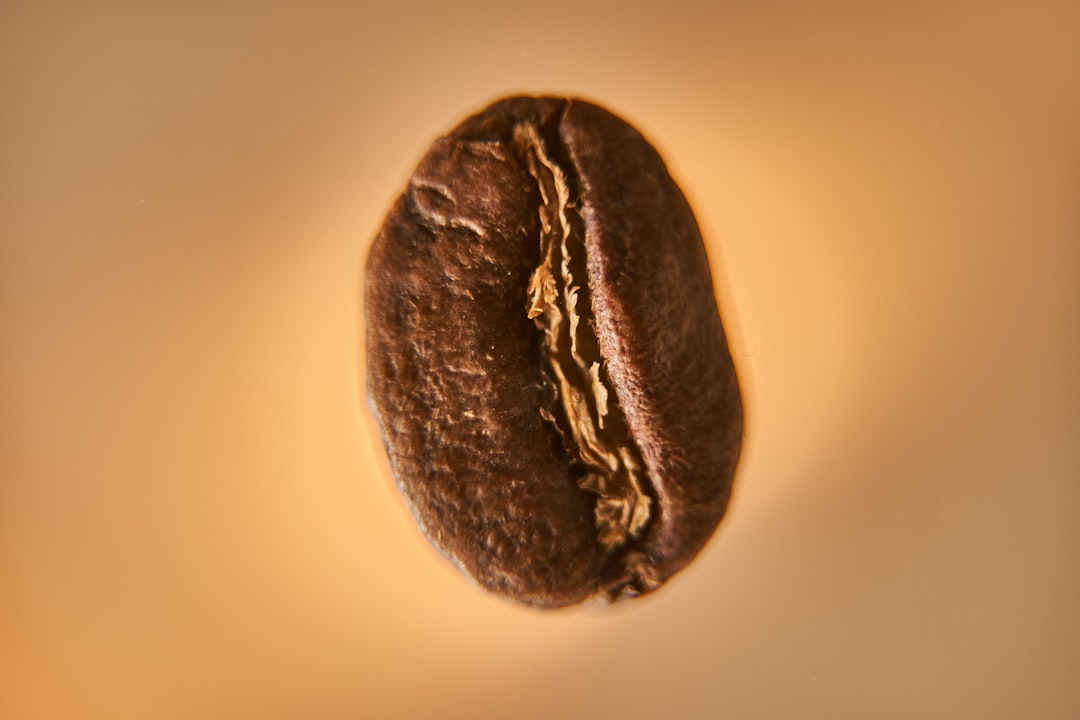
In the world of coffee, the term “single origin” has gained significant traction among enthusiasts and casual drinkers alike. When we refer to single origin coffee, we are talking about beans sourced from a specific region, country, or even a single farm. This distinction allows us to appreciate the unique characteristics that each locale imparts to the coffee.
Unlike blends, which combine beans from various origins to create a uniform flavor profile, single origin coffees offer a more authentic experience, allowing us to explore the diverse flavors that different regions can provide. As we delve deeper into the realm of single origin coffee, we begin to understand its significance in the broader context of coffee culture.
By choosing single origin coffee, we not only indulge in a unique flavor experience but also support sustainable farming practices and fair trade initiatives that benefit local communities. This connection between our coffee and its origins enriches our appreciation for each sip we take.
Key Takeaways
- Single origin coffee comes from a specific region, allowing for a unique flavor profile
- Terroir, including factors like climate and soil, greatly influences the flavor of single origin coffee
- Different regions produce single origin coffees with distinct flavor profiles, from fruity to chocolatey
- The processing method, whether washed or natural, can impact the flavor of single origin coffee
- Roasting plays a crucial role in developing the final flavor of single origin coffee
The Influence of Terroir on Coffee Flavor
Terroir, a term borrowed from the wine industry, refers to the unique environmental factors that influence the characteristics of agricultural products. In coffee, terroir encompasses elements such as soil composition, altitude, climate, and even the local ecosystem. As we explore single origin coffees, we quickly realize that these factors play a crucial role in shaping the flavor profiles of the beans.
For instance, coffee grown at higher altitudes often develops a brighter acidity and more complex flavors compared to beans cultivated at lower elevations. Moreover, the specific soil types found in different regions contribute to the overall taste of the coffee. For example, volcanic soils are rich in minerals and can impart distinct flavors that enhance the coffee’s profile.
As we sip on a cup of Ethiopian Yirgacheffe or a Colombian Supremo, we can often detect hints of floral notes or fruity undertones that are direct results of their unique terroirs. Understanding this connection between terroir and flavor not only deepens our appreciation for single origin coffees but also encourages us to explore various regions and their offerings.
Exploring Different Single Origin Coffee Flavors
As we embark on our journey through the world of single origin coffees, we encounter an astonishing array of flavors that can be found in each cup. From the bright and fruity notes of African coffees to the rich and chocolatey profiles of South American varieties, there is something for every palate. For instance, coffees from Kenya are often celebrated for their vibrant acidity and berry-like flavors, while those from Brazil tend to be smoother and nuttier, making them ideal for espresso blends.
In addition to these regional distinctions, we also find that individual farms can produce beans with unique flavor profiles due to their specific cultivation methods and microclimates. This variability allows us to experience a wide range of tastes within a single origin category. As we sample different single origin coffees, we may discover unexpected flavor notes such as citrus, caramel, or even spice.
This exploration not only broadens our understanding of coffee but also invites us to appreciate the artistry involved in its cultivation and preparation.
The Impact of Processing Methods on Flavor
The journey from cherry to cup involves several processing methods that can significantly influence the final flavor of single origin coffee.
In washed processing, the coffee cherries are depulped and fermented to remove the mucilage before being dried.
This method often results in a cleaner cup with pronounced acidity and clarity of flavor. On the other hand, natural processing involves drying the whole cherries in the sun before removing the outer layers. This method tends to produce fruitier and more complex flavors, as the beans absorb sugars from the cherry during drying.
As we explore various single origin coffees, we begin to notice how these processing methods can create distinct flavor profiles even within the same region. For example, a washed Ethiopian coffee may present bright floral notes and crisp acidity, while a naturally processed Ethiopian coffee could offer a more robust body with pronounced berry flavors. By understanding these processing methods, we gain insight into how they shape our coffee experience and allow us to choose options that align with our personal taste preferences.
How Roasting Affects the Flavor of Single Origin Coffee
Once the green coffee beans have been processed and dried, they undergo roasting—a critical step that transforms them into the aromatic beans we know and love. The roasting process significantly impacts flavor development, as it brings out various compounds within the beans through heat application. As we roast coffee beans, we can manipulate factors such as temperature and time to achieve different flavor profiles.
Light roasts tend to preserve more of the original characteristics of the beans, highlighting their unique terroir and processing methods. Conversely, darker roasts often result in bolder flavors with notes of chocolate or caramel while masking some of the subtler nuances inherent in single origin coffees. As we experiment with different roast levels, we may find ourselves gravitating toward specific profiles that resonate with our taste preferences.
Understanding how roasting affects flavor allows us to appreciate not only the beans themselves but also the skill involved in crafting the perfect roast.
Tasting Notes and Flavor Profiles of Popular Single Origin Coffees
As we dive into tasting single origin coffees, we encounter an array of tasting notes that can range from fruity and floral to nutty and chocolatey. For instance, a popular choice among coffee lovers is Guatemalan coffee, which often features tasting notes of cocoa and caramel with a smooth body. Similarly, Costa Rican coffees are known for their bright acidity and citrusy flavors, making them refreshing options for those who enjoy lively cups.
Ethiopian coffees stand out for their complex flavor profiles; they can exhibit notes of jasmine, bergamot, or even blueberry depending on their specific region and processing method. As we explore these diverse tasting notes, we begin to develop our own preferences and learn how to identify different flavors within each cup. This journey not only enhances our appreciation for single origin coffees but also encourages us to share our experiences with others who share our passion for this beloved beverage.
Pairing Single Origin Coffee with Food
Pairing single origin coffee with food can elevate our culinary experiences by enhancing both the flavors of the coffee and the dish itself. When considering food pairings, it’s essential to think about complementary flavors that will harmonize with the coffee’s profile. For example, a bright Ethiopian Yirgacheffe with its fruity notes pairs beautifully with light desserts such as lemon tarts or berry-based pastries.
The acidity in the coffee can cut through the sweetness of these dishes while enhancing their flavors. On the other hand, a rich Colombian Supremo with its chocolatey undertones may be best enjoyed alongside dark chocolate desserts or even savory dishes like grilled meats. The depth of flavor in both the coffee and food creates a delightful balance that enhances our overall dining experience.
As we experiment with different pairings, we discover new dimensions in both our coffee and culinary choices, making each meal an opportunity for exploration.
The Growing Popularity of Single Origin Coffee
In recent years, there has been a noticeable shift in consumer preferences towards single origin coffee. As more people become aware of the unique flavors and stories behind each cup, they seek out these distinct offerings over traditional blends. This growing popularity can be attributed to several factors: increased access to specialty coffee shops, greater emphasis on sustainability and ethical sourcing practices, and a desire for authentic experiences in our daily lives.
As we embrace this trend towards single origin coffee, we also witness an increase in educational resources available to consumers. Coffee tastings, workshops, and online courses have become more prevalent, allowing us to deepen our understanding of this complex beverage. With each new discovery, we find ourselves more connected to our coffee—its origins, its flavors, and its impact on communities around the world.
This journey not only enriches our appreciation for single origin coffee but also fosters a sense of community among fellow enthusiasts who share our passion for this remarkable drink.
FAQs
What is single origin coffee?
Single origin coffee refers to coffee that is sourced from a specific region or country, rather than being a blend of beans from multiple locations. This allows the unique flavors and characteristics of the coffee to be attributed to the specific area in which it was grown.
What flavors can be found in single origin coffee?
The flavors of single origin coffee can vary widely depending on the region in which it was grown. For example, coffees from Ethiopia may have floral and fruity notes, while coffees from Brazil may have nutty and chocolatey flavors. Each region’s unique climate, soil, and altitude contribute to the distinct flavor profile of the coffee.
Is single origin coffee better than blended coffee?
Whether single origin coffee is better than blended coffee is a matter of personal preference. Single origin coffee allows for a more distinct and specific flavor profile, while blended coffee can offer a more balanced and complex taste. Both types of coffee have their own merits and appeal to different coffee drinkers.
How should single origin coffee be brewed?
Single origin coffee can be brewed using various methods such as pour-over, French press, espresso, or drip coffee maker. The brewing method should be chosen based on the specific flavor profile of the coffee and the desired strength and body. It is recommended to experiment with different brewing techniques to find the best way to highlight the unique flavors of the single origin coffee.


