
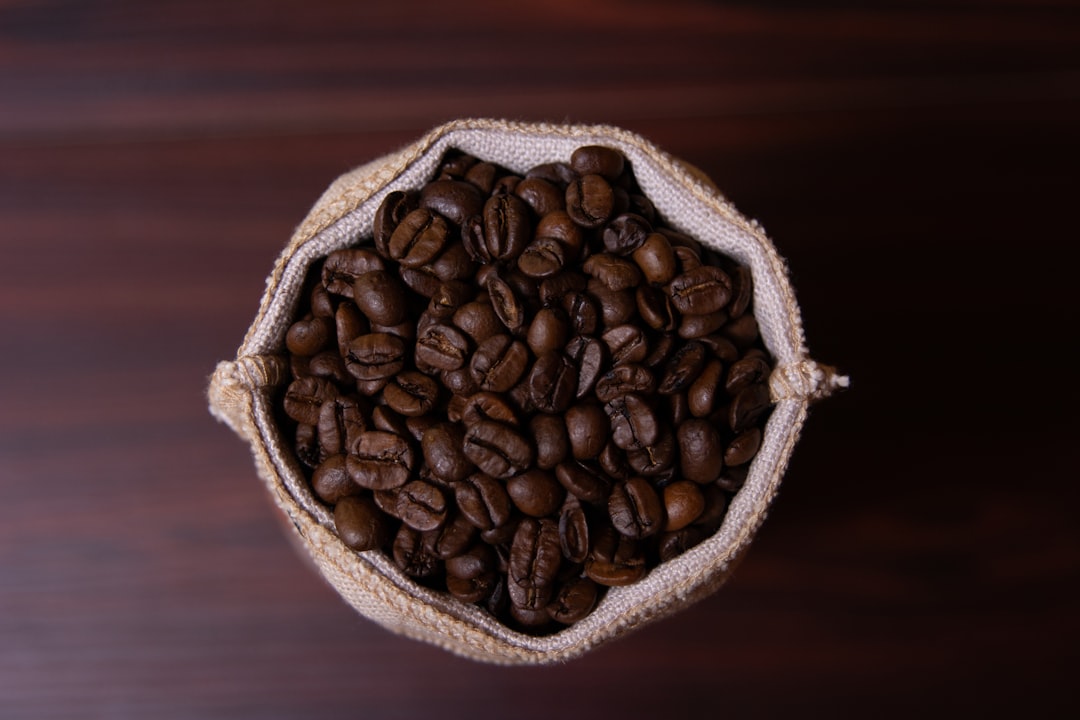
The story of Arabica coffee begins in the lush highlands of Ethiopia, where it is believed to have been discovered centuries ago. Legend has it that a goat herder named Kaldi stumbled upon the energizing effects of coffee beans after observing his goats frolicking energetically after consuming the berries from a certain tree. This serendipitous discovery marked the beginning of a journey that would take coffee from the Ethiopian highlands to coffeehouses around the world.
As we delve into the origins of Arabica coffee, we find ourselves tracing a path through history that intertwines with culture, trade, and agriculture. From Ethiopia, Arabica coffee made its way to the Arabian Peninsula, where it was cultivated and refined. By the 15th century, it had become a staple in Yemen, where coffee was brewed and enjoyed in social settings.
The popularity of coffee spread rapidly, leading to the establishment of coffeehouses known as qahveh khaneh in Persia and later throughout the Ottoman Empire. These establishments became centers of social interaction, intellectual discourse, and cultural exchange. As we reflect on these early days, we recognize how Arabica coffee not only served as a beverage but also as a catalyst for community and conversation.
Key Takeaways
- Arabica coffee originated in the highlands of Ethiopia and is believed to be the first species of coffee to be cultivated.
- Single origin coffee refers to coffee that is sourced from a specific region or country, allowing for unique flavor profiles and characteristics.
- Arabica coffee is grown in diverse regions such as Latin America, Africa, and Asia, each contributing to the distinct flavors of single origin coffee.
- There is a debate surrounding whether Arabica coffee can truly be considered a single origin due to its wide cultivation across different regions.
- Single origin labeling is important for consumers to understand the unique qualities and flavors of Arabica coffee from specific regions.
What Defines Single Origin Coffee
Single origin coffee is defined by its source; it comes from one specific location, whether that be a single farm, a cooperative, or a particular region. This distinction allows us to appreciate the unique characteristics and flavors that are inherent to that specific locale.
The term “single origin” emphasizes the connection between the coffee and its geographical roots, making it a favorite among coffee enthusiasts who seek authenticity in their brews. Moreover, single origin coffee often showcases the distinct flavor profiles that can vary dramatically from one region to another. Factors such as altitude, rainfall, and local processing methods contribute to these unique tastes.
For instance, coffees from Central America may exhibit bright acidity and fruity notes, while those from Africa might offer floral aromas and wine-like qualities. By choosing single origin coffee, we embark on a sensory journey that allows us to explore the diverse tapestry of flavors that different regions have to offer.
Arabica Coffee and Its Growing Regions

Arabica coffee thrives in specific climatic conditions, typically found in regions situated between the Tropics of Cancer and Capricorn. These areas are characterized by high altitudes, moderate temperatures, and ample rainfall—conditions that contribute to the development of Arabica’s complex flavors. As we explore the various growing regions of Arabica coffee, we discover a rich diversity that spans continents and cultures.
In Latin America, countries like Colombia and Costa Rica are renowned for their high-quality Arabica beans. The mountainous terrain and volcanic soil create ideal growing conditions that yield coffees with bright acidity and rich flavors. Meanwhile, in Africa, Ethiopia remains the birthplace of Arabica coffee, producing beans with unique flavor profiles that reflect its diverse microclimates.
The distinctiveness of Ethiopian coffees is often attributed to heirloom varieties that have been cultivated for generations. As we delve deeper into these regions, we come to appreciate how geography and tradition shape the character of Arabica coffee.
The Debate Around Arabica as Single Origin Coffee
The conversation surrounding Arabica coffee as single origin is multifaceted and often contentious. On one hand, proponents argue that single origin coffees provide an authentic representation of their source, allowing consumers to connect with the farmers and regions behind their brews. This connection fosters a sense of appreciation for the craftsmanship involved in coffee production and encourages sustainable practices within the industry.
Conversely, critics argue that the term “single origin” can sometimes be misleading. In some cases, beans labeled as single origin may come from multiple farms within a region or even be blended with other varieties to achieve a desired flavor profile. This raises questions about transparency and authenticity in labeling practices.
The Importance of Single Origin Labeling
Single origin labeling plays a crucial role in the coffee industry by providing consumers with information about the source of their coffee. This transparency not only enhances our understanding of what we are drinking but also empowers us to make informed choices about our purchases. When we choose single origin coffee, we are often supporting small-scale farmers and cooperatives that prioritize quality over quantity.
Furthermore, single origin labeling can have significant implications for pricing and market dynamics. Coffees that are marketed as single origin often command higher prices due to their perceived quality and uniqueness. This can create economic opportunities for farmers who invest in sustainable practices and high-quality production methods.
As we consider the broader impact of single origin labeling, we see how it can contribute to ethical consumption and support for local economies.
Exploring the Diversity of Arabica Coffee
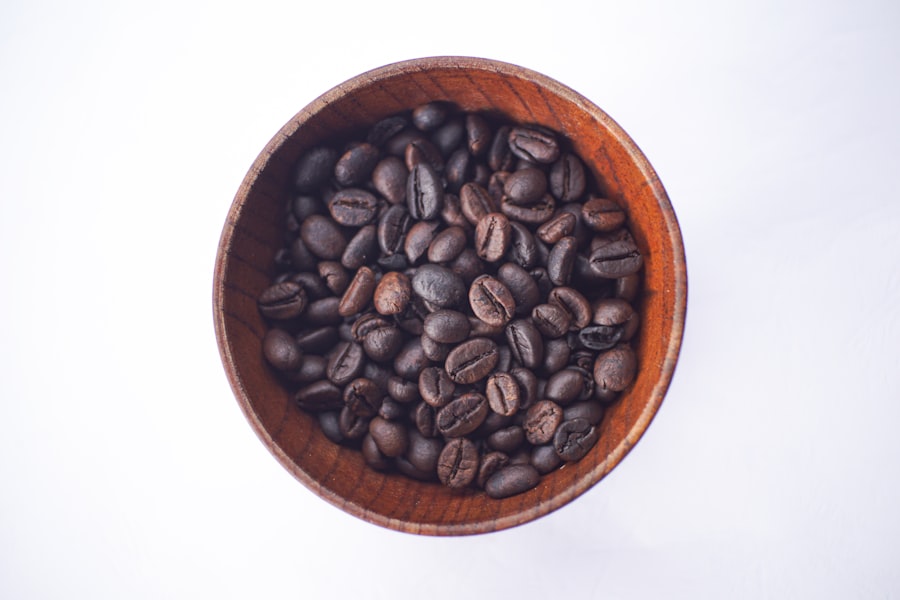
The diversity of Arabica coffee is one of its most captivating aspects. With thousands of varieties cultivated around the world, each offers distinct flavor profiles influenced by factors such as climate, altitude, and processing methods. As we explore this diversity, we encounter an array of flavors ranging from fruity and floral to nutty and chocolatey.
For instance, Geisha coffee from Panama has gained international acclaim for its delicate floral notes and vibrant acidity. In contrast, Bourbon varieties from Central America are celebrated for their sweetness and smooth body. Each cup tells a story—of the land it comes from, the care taken by farmers, and the unique conditions under which it was grown.
By embracing this diversity, we not only expand our palates but also deepen our appreciation for the artistry involved in coffee cultivation.
The Impact of Single Origin Labeling on Arabica Coffee Trade
The impact of single origin labeling on the Arabica coffee trade is profound and far-reaching. As consumers increasingly seek transparency and quality in their coffee choices, single origin coffees have gained popularity in specialty markets. This shift has encouraged producers to focus on quality over quantity, leading to improved farming practices and greater attention to detail in processing.
Moreover, single origin labeling has opened up new avenues for trade relationships between producers and consumers. Direct trade models have emerged, allowing farmers to connect directly with roasters and consumers who value their craft. This not only ensures fair compensation for farmers but also fosters a sense of community within the coffee industry.
As we witness these changes unfold, we recognize how single origin labeling can drive positive transformations in both local economies and global trade dynamics.
The Future of Arabica Coffee as a Single Origin
Looking ahead, the future of Arabica coffee as a single origin is filled with both challenges and opportunities. Climate change poses significant threats to coffee production worldwide, impacting growing conditions and potentially altering flavor profiles. As temperatures rise and weather patterns shift, farmers will need to adapt their practices to ensure the sustainability of their crops.
However, this challenge also presents an opportunity for innovation within the industry. As we embrace new technologies and sustainable farming practices, we can work towards preserving the unique characteristics of Arabica coffee while mitigating environmental impacts. Additionally, consumer demand for ethically sourced products continues to grow, creating a favorable environment for single origin coffees that prioritize quality and sustainability.
In conclusion, as we navigate the complexities surrounding Arabica coffee and its classification as single origin, we find ourselves at a crossroads where tradition meets innovation. By championing transparency and supporting sustainable practices within the industry, we can ensure that future generations continue to enjoy the rich diversity and cultural significance of Arabica coffee. Together, we can cultivate a deeper appreciation for this beloved beverage while fostering positive change within the global coffee community.
FAQs
What is Arabica single origin coffee?
Arabica single origin coffee refers to coffee beans that are sourced from a single geographical location, such as a specific country, region, or even a single farm. This type of coffee is prized for its unique flavor profile and the ability to trace its origins back to a specific location.
Is Arabica single origin coffee the same as Arabica coffee?
No, Arabica single origin coffee specifically refers to coffee beans that come from a single geographical location, while Arabica coffee refers to the species of coffee plant from which the beans are derived. Arabica coffee is known for its smooth, mild flavor and is the most widely cultivated species of coffee worldwide.
What are the characteristics of Arabica single origin coffee?
Arabica single origin coffee is known for its distinct flavor profile, which can vary depending on the specific region or farm where the beans are grown. It is often prized for its complex and nuanced flavors, which can include floral, fruity, and sometimes even chocolatey notes.
Why is Arabica single origin coffee popular?
Arabica single origin coffee is popular among coffee enthusiasts and connoisseurs because of its unique and traceable flavor profiles. It allows consumers to experience the distinct characteristics of coffee from a specific region or farm, and it often supports sustainable and ethical farming practices.
How is Arabica single origin coffee different from other types of coffee?
Arabica single origin coffee is different from other types of coffee, such as blends or single origin Robusta coffee, because it is sourced from a single geographical location. This allows for a more specific and unique flavor profile that reflects the terroir of the region where the beans are grown.


