
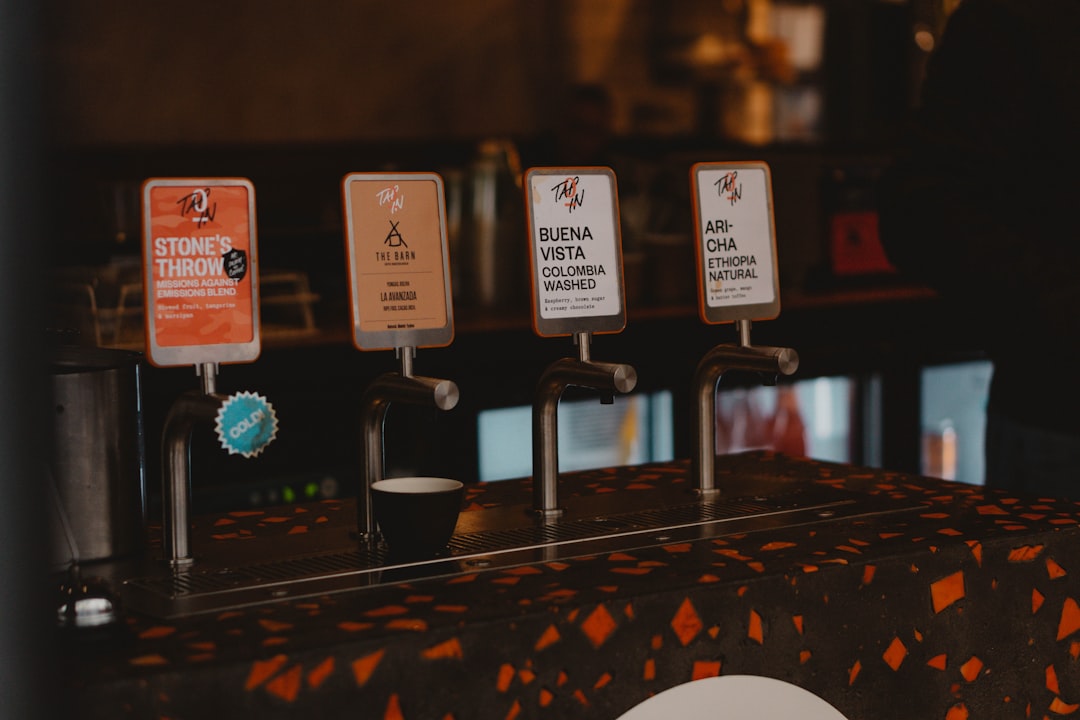
When we think about coffee, we often find ourselves captivated by its rich and diverse flavor profiles. Each cup tells a story, shaped by the region in which the beans are grown, the methods of processing, and the roasting techniques employed. From the fruity notes of Ethiopian Yirgacheffe to the chocolatey undertones of Colombian Supremo, the world of coffee offers an array of flavors that can tantalize our taste buds and awaken our senses.
This unique flavor profile is not merely a matter of chance; it is a result of the intricate interplay between climate, soil, and cultivation practices. As we explore the nuances of coffee, we begin to appreciate how factors such as altitude and rainfall can influence the taste. For instance, beans grown at higher elevations tend to develop more complex flavors due to slower maturation processes.
This complexity is what makes coffee tasting an art form in itself, inviting us to savor each sip and discover new dimensions in every brew. By engaging with these flavors, we not only enhance our coffee-drinking experience but also deepen our understanding of the agricultural practices that contribute to these delightful profiles.
Key Takeaways
- The unique flavor profile of our coffee is a result of carefully selected beans and expert roasting techniques, providing a rich and diverse taste experience.
- Supporting local farmers is a priority for us, as we believe in fair trade and sustainable practices that benefit the communities where our coffee is grown.
- Traceability and transparency are key values in our sourcing process, ensuring that our customers know exactly where their coffee comes from and how it is produced.
- Consistency in quality is maintained through rigorous quality control measures at every stage of production, from bean selection to packaging.
- Environmental sustainability is a core focus, with efforts to minimize our carbon footprint and support eco-friendly farming practices.
Supporting Local Farmers
In our quest for exceptional coffee, we often overlook the vital role that local farmers play in bringing these flavors to our cups. By choosing to support local farmers, we are not just purchasing a product; we are investing in communities and livelihoods. Many small-scale farmers rely on coffee as their primary source of income, and by buying directly from them or through fair trade channels, we can help ensure they receive a fair price for their hard work.
This support fosters economic stability and encourages sustainable farming practices that benefit both the environment and the farmers themselves. Moreover, when we prioritize local farmers, we contribute to the preservation of traditional farming methods that have been passed down through generations. These methods often emphasize biodiversity and organic practices, which can lead to healthier ecosystems.
By choosing to support these farmers, we are not only enjoying high-quality coffee but also participating in a movement that values ethical sourcing and community empowerment. This connection between our coffee choices and the lives of farmers enriches our experience and allows us to feel more engaged with the global coffee community.
Traceability and Transparency

In an age where consumers are increasingly concerned about the origins of their food and beverages, traceability and transparency have become paramount in the coffee industry.
This desire for transparency has led many roasters and brands to adopt practices that allow us to trace our coffee back to its source.
By providing detailed information about the farms, processing methods, and even the specific varietals used, these companies empower us to make informed choices. This level of transparency not only enhances our appreciation for coffee but also builds trust between consumers and producers. When we can see the direct impact of our purchases on farmers’ lives and local economies, we feel more connected to the product we consume.
Additionally, traceability can help ensure that ethical practices are upheld throughout the supply chain, allowing us to enjoy our coffee with a clear conscience. As we embrace this movement towards transparency, we become advocates for a more responsible and sustainable coffee industry.
Consistency in Quality
One of the hallmarks of a great cup of coffee is its consistency in quality. As we indulge in our favorite brews, we often seek out those brands or roasters that deliver a reliable experience time after time. This consistency is achieved through meticulous sourcing, careful roasting techniques, and rigorous quality control measures.
When we choose a brand known for its commitment to quality, we can trust that each cup will meet our expectations. Moreover, consistency in quality is not just about taste; it also reflects a brand’s dedication to maintaining high standards throughout its operations. By investing in training for farmers and employing skilled roasters who understand the intricacies of flavor development, companies can ensure that every batch of coffee meets their rigorous criteria.
This commitment to excellence not only enhances our enjoyment but also reinforces our loyalty to brands that prioritize quality over quantity.
Environmental Sustainability
As we navigate through life, it becomes increasingly clear that our choices have a profound impact on the environment. The coffee industry is no exception, and many of us are becoming more conscious of the environmental implications of our coffee consumption. By supporting brands that prioritize environmental sustainability, we can contribute to practices that protect ecosystems and promote biodiversity.
Sustainable farming methods such as shade-grown coffee cultivation help preserve habitats for wildlife while also enhancing the flavor profile of the beans. Additionally, many companies are taking steps to reduce their carbon footprint by implementing eco-friendly packaging and sourcing practices. By choosing brands that prioritize sustainability, we align ourselves with a movement that seeks to minimize harm to the planet while still delivering exceptional coffee experiences.
This commitment not only benefits us as consumers but also ensures that future generations can enjoy the same rich flavors that we cherish today.
Ethical Practices

In our pursuit of great coffee, it is essential to consider the ethical implications of our choices. The coffee industry has faced significant challenges related to labor practices and fair compensation for farmers. As consumers, we have the power to influence change by supporting brands that adhere to ethical practices.
By choosing fair trade or direct trade options, we can ensure that farmers receive fair wages and work under humane conditions. Moreover, ethical practices extend beyond just fair compensation; they also encompass social responsibility initiatives that benefit communities. Many companies are investing in education, healthcare, and infrastructure projects in coffee-growing regions, helping to uplift entire communities.
When we choose ethically sourced coffee, we are not only enjoying a delicious beverage but also contributing to positive change in the lives of those who cultivate it.
Promoting Cultural Diversity
Coffee is more than just a beverage; it is a cultural phenomenon that transcends borders and unites people from diverse backgrounds. As we explore different coffee varieties from around the world, we gain insight into the unique traditions and customs associated with each region’s coffee culture. From the elaborate ceremonies in Ethiopia to the casual café culture in Italy, each cup offers a glimpse into the rich tapestry of human experience.
By promoting cultural diversity through our coffee choices, we celebrate the stories behind each bean and honor the traditions that have shaped them.
As we share our love for coffee with others, we create opportunities for dialogue and exchange that transcend geographical boundaries.
Education and Appreciation for Coffee
As we delve deeper into the world of coffee, education becomes a vital component of our journey. Understanding the intricacies of brewing methods, flavor profiles, and sourcing practices enhances our appreciation for this beloved beverage. Many roasters and cafes offer workshops and tastings that allow us to explore different brewing techniques and learn about the origins of various beans.
These experiences not only deepen our knowledge but also foster a sense of community among fellow coffee enthusiasts. Furthermore, as we educate ourselves about coffee, we become advocates for responsible consumption and ethical sourcing practices. By sharing what we’ve learned with others, we can inspire a greater appreciation for quality coffee and its impact on communities around the world.
This collective effort to educate ourselves and others creates a ripple effect that can lead to positive change within the industry. In conclusion, our journey through the world of coffee reveals a complex interplay of flavors, cultures, and ethical considerations. By embracing unique flavor profiles, supporting local farmers, advocating for traceability and transparency, ensuring consistency in quality, prioritizing environmental sustainability, promoting ethical practices, celebrating cultural diversity, and committing to education and appreciation for coffee, we can transform our relationship with this beloved beverage into one that is both enjoyable and meaningful.
As we sip our favorite brews, let us remember the stories behind each cup and strive to make choices that reflect our values as conscious consumers in an interconnected world.
FAQs
What is single origin coffee?
Single origin coffee refers to coffee that is sourced from a specific region or country, rather than being a blend of beans from multiple locations. This allows for the unique flavors and characteristics of the coffee to be attributed to the specific region it was grown in.
What are the benefits of choosing single origin coffee?
Choosing single origin coffee allows for a more distinct and unique flavor profile, as the coffee beans are grown in a specific environment that contributes to their taste. Additionally, single origin coffee often supports small-scale farmers and promotes sustainability within the coffee industry.
How does single origin coffee differ from blended coffee?
Single origin coffee is sourced from a specific region, allowing for the unique flavors of that region to be highlighted. Blended coffee, on the other hand, combines beans from different regions to create a consistent flavor profile.
What regions are known for producing high-quality single origin coffee?
Some regions known for producing high-quality single origin coffee include Ethiopia, Colombia, Kenya, and Costa Rica. Each region offers distinct flavor profiles and characteristics based on their unique growing conditions.
Is single origin coffee more expensive than blended coffee?
Single origin coffee can be more expensive than blended coffee due to its unique characteristics and the smaller scale of production. However, the price can vary depending on the specific region and the demand for the coffee.


