

When we delve into the world of coffee, one term that frequently arises is “single origin.” This concept refers to coffee beans sourced from a specific region, country, or even a single farm. Unlike blends, which combine beans from various locations to create a consistent flavor profile, single origin coffee offers a unique taste experience that reflects the characteristics of its geographical source. By focusing on a particular area, we can appreciate the distinct flavors and aromas that are influenced by the local climate, soil, and cultivation practices.
This connection to place not only enhances our coffee-drinking experience but also allows us to explore the rich diversity of coffee around the globe. As we explore single origin coffee, we also discover the stories behind each cup. Each region has its own history, culture, and traditions that shape the way coffee is grown and processed.
For instance, the methods used by farmers in Ethiopia differ significantly from those in Colombia or Guatemala. By understanding these nuances, we can develop a deeper appreciation for the craftsmanship involved in producing single origin coffee. This journey into the heart of coffee production invites us to engage with the farmers and communities that contribute to our daily brew, fostering a sense of connection and responsibility in our consumption choices.
Key Takeaways
- Single origin coffee comes from a specific region, offering unique flavors and characteristics
- Factors to consider when choosing single origin coffee include the region, processing method, and roast level
- Popular single origin coffee regions include Ethiopia, Colombia, Brazil, and Kenya
- Flavor profiles of different single origin coffees can range from fruity and floral to nutty and chocolatey
- The best single origin coffee for different brewing methods depends on the roast level and flavor profile desired
Factors to Consider When Choosing Single Origin Coffee
When selecting single origin coffee, several factors come into play that can significantly influence our choice. One of the primary considerations is the roast level. Coffee can be light, medium, or dark roasted, and each level brings out different flavor notes.
Light roasts tend to highlight the inherent characteristics of the beans, allowing us to taste the unique qualities of the region.
As we navigate our options, it’s essential to consider our personal preferences and how they align with the roast profile of the coffee we are interested in.
Another crucial factor is the processing method used for the beans. Coffee can be processed in various ways, including washed, natural, or honey-processed methods. Each technique affects the final flavor profile of the coffee.
For example, washed coffees often have a cleaner taste with bright acidity, while natural coffees can exhibit fruity and complex flavors due to the drying process involving the whole cherry. By understanding these processing methods, we can make more informed decisions about which single origin coffees will best suit our taste preferences.
Popular Single Origin Coffee Regions
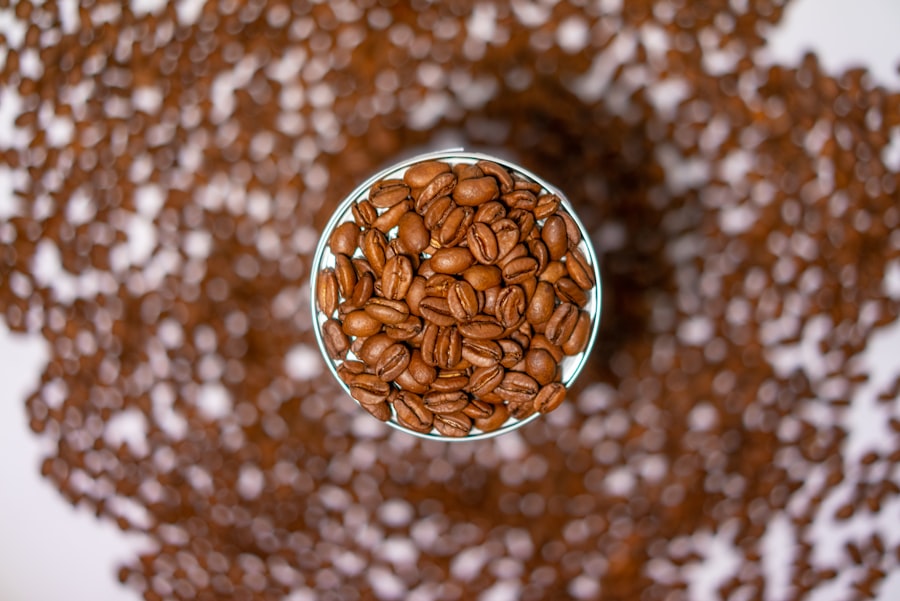
As we embark on our journey through single origin coffee, we encounter several renowned regions known for their exceptional beans. One such area is Ethiopia, often considered the birthplace of coffee. Ethiopian coffees are celebrated for their vibrant acidity and floral notes, with varieties like Yirgacheffe and Sidamo standing out for their unique flavor profiles.
The diverse microclimates and heirloom varieties found in Ethiopia contribute to a wide range of tastes that can surprise even seasoned coffee drinkers. Another prominent region is Colombia, famous for its smooth and well-balanced coffees. Colombian beans are typically grown at high altitudes, which allows for slow maturation and complex flavor development.
As we explore Colombian coffees, we can appreciate how factors such as altitude and climate influence the final product, making each cup a reflection of its origin.
Flavor Profiles of Different Single Origin Coffees
The flavor profiles of single origin coffees are as varied as the regions from which they come. For instance, coffees from Central America often exhibit bright acidity and a medium body, with tasting notes ranging from citrus to chocolate. Guatemalan coffees are particularly known for their rich flavors and complex profiles, often featuring hints of caramel and spice.
As we sip these coffees, we can discern how the unique growing conditions contribute to their distinct characteristics. In contrast, coffees from South America may present a smoother and more mellow experience. Brazilian coffees are often characterized by their low acidity and nutty flavors, making them an excellent choice for those who prefer a more subdued cup.
On the other hand, coffees from Africa can be bold and vibrant, with tasting notes that include berries and floral undertones. By exploring these diverse flavor profiles, we can expand our palate and discover new favorites that resonate with our individual tastes.
Best Single Origin Coffee for Different Brewing Methods
As we experiment with different brewing methods, it becomes clear that certain single origin coffees shine in specific preparations. For instance, pour-over methods like Chemex or V60 are ideal for showcasing the delicate flavors of light-roasted Ethiopian coffees. The precision of these brewing techniques allows us to highlight the intricate floral notes and bright acidity that Ethiopian beans are known for.
On the other hand, if we prefer a richer and more robust cup, we might turn to French press or espresso brewing methods. Darker roasted coffees from regions like Sumatra or Brazil work exceptionally well in these preparations, as their bold flavors can stand up to the intensity of these brewing styles. By understanding how different brewing methods interact with various single origin coffees, we can tailor our coffee experience to suit our preferences and enhance our enjoyment.
Sustainability and Ethics of Single Origin Coffee
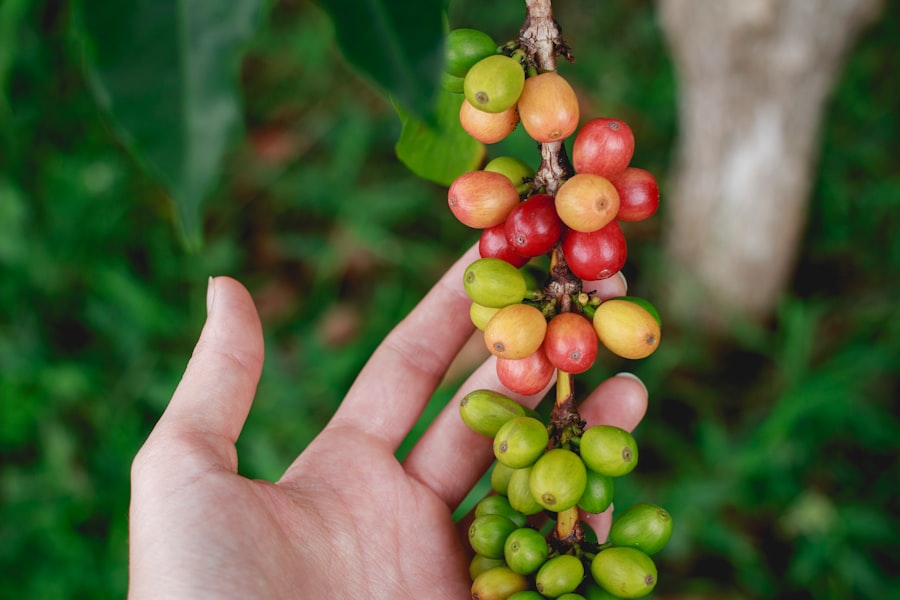
In recent years, sustainability and ethical sourcing have become increasingly important considerations in the coffee industry. As we explore single origin coffee, it’s essential to recognize the impact our choices have on farmers and their communities. Many single origin coffees are produced by smallholder farmers who rely on fair trade practices to ensure they receive a fair price for their beans.
By choosing ethically sourced single origin coffee, we support these farmers and contribute to sustainable agricultural practices that benefit both people and the environment. Moreover, many producers are adopting environmentally friendly practices that promote biodiversity and reduce their carbon footprint. Shade-grown coffee farms, for example, provide habitats for wildlife while also improving soil health.
As consumers, we have the power to influence these practices by seeking out brands that prioritize sustainability and ethical sourcing in their operations. By making informed choices about our coffee consumption, we can play a role in fostering a more equitable and sustainable coffee industry.
How to Find and Purchase Single Origin Coffee
Finding high-quality single origin coffee can be an exciting adventure in itself. We can start by exploring local specialty coffee shops or roasters that focus on sourcing unique beans from around the world. These establishments often provide detailed information about their offerings, including tasting notes and brewing recommendations.
Engaging with knowledgeable baristas can enhance our understanding of different coffees and help us discover new favorites. Additionally, online retailers have made it easier than ever to access a wide variety of single origin coffees from different regions. Many websites offer subscription services that allow us to receive curated selections based on our preferences.
This convenience enables us to explore new flavors without leaving our homes while supporting small producers around the globe. As we navigate these options, it’s essential to read reviews and seek out reputable sources to ensure we’re purchasing high-quality beans.
Exploring the World of Single Origin Coffee: Tips for Coffee Enthusiasts
For those of us eager to dive deeper into the world of single origin coffee, there are several tips that can enhance our experience. First and foremost, keeping an open mind is crucial as we explore different regions and flavor profiles. Each cup tells a story about its origin, so embracing this diversity allows us to appreciate the nuances that make each coffee unique.
Additionally, experimenting with different brewing methods can significantly impact our enjoyment of single origin coffees. We might find that certain beans shine when brewed using specific techniques or equipment. Keeping a journal to document our tasting experiences can also be beneficial; noting down flavor profiles and preferences helps us refine our palate over time.
Lastly, connecting with fellow coffee enthusiasts through tastings or online communities can enrich our understanding of single origin coffee. Sharing experiences and recommendations fosters a sense of camaraderie among coffee lovers while expanding our knowledge base. By immersing ourselves in this vibrant community, we can continue to learn and grow as we explore the fascinating world of single origin coffee together.
FAQs
What is single origin coffee?
Single origin coffee refers to coffee that is sourced from a specific region or country, rather than being a blend of beans from multiple locations. This allows for the unique flavors and characteristics of the coffee to be attributed to the specific area in which it was grown.
What are the benefits of single origin coffee?
Single origin coffee allows for a more distinct and unique flavor profile, as the beans are grown in a specific environment that can greatly impact the taste of the coffee. Additionally, it can provide a more transparent and traceable supply chain, as the coffee can be traced back to a specific farm or region.
How do I choose the right single origin coffee?
When choosing a single origin coffee, consider the flavor profile that you enjoy. Different regions produce different flavors, so it’s important to consider whether you prefer a more fruity, floral, or nutty taste. Additionally, consider the roast level and processing method, as these factors can also impact the flavor of the coffee.
What are some popular single origin coffee regions?
Some popular single origin coffee regions include Ethiopia, Kenya, Colombia, Brazil, and Guatemala. Each of these regions produces coffee with distinct flavor profiles, making them popular choices for coffee enthusiasts.


