
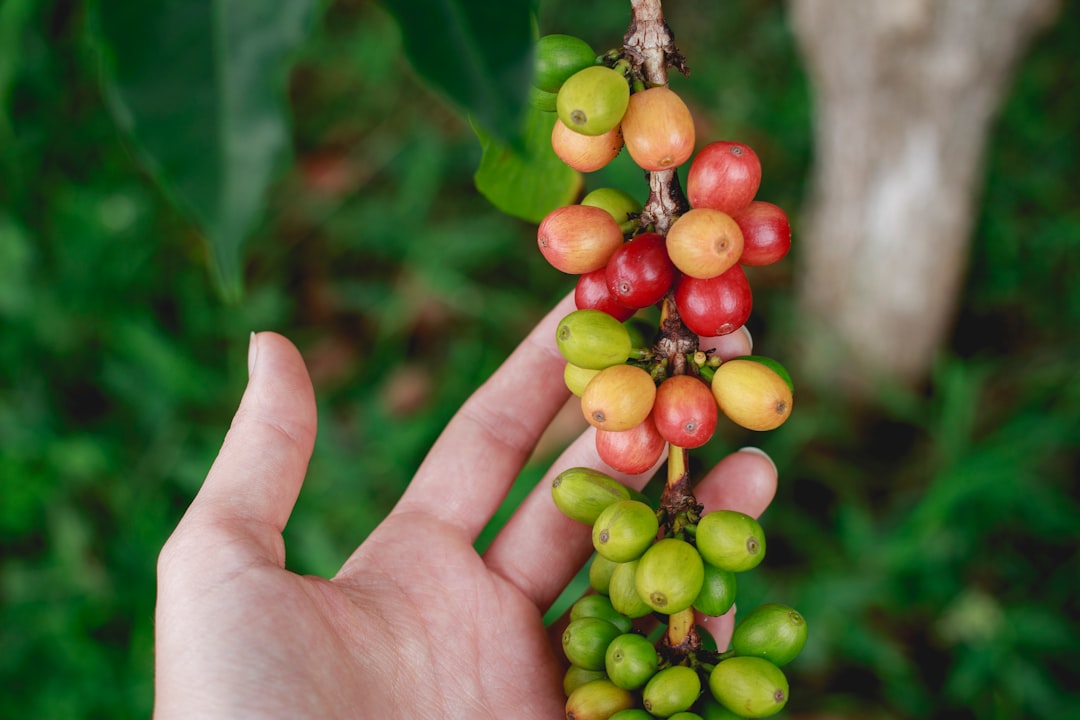
In the world of coffee, the term “single origin” has become a hallmark of quality and authenticity. When we refer to single origin coffee, we are talking about beans sourced from a specific region, farm, or even a single lot. This practice allows us to appreciate the unique flavors and characteristics that different geographical areas impart to the coffee.
Each cup tells a story, reflecting the soil, climate, and cultivation methods of its origin. As we delve into the nuances of single origin coffee, we discover not just a beverage but an experience that connects us to the land and the people who cultivate it. The rise of single origin coffee has transformed our coffee culture, encouraging us to explore beyond the standard blends that have dominated the market for decades.
With an increasing number of specialty coffee shops and roasters dedicated to showcasing these unique beans, we find ourselves on a journey of discovery. Each sip invites us to engage with the complexities of flavor profiles, aromas, and textures that vary from one origin to another. As we embrace this trend, we also support sustainable farming practices and fair trade initiatives that benefit coffee-growing communities around the globe.
Key Takeaways
- Single origin coffee refers to coffee that is sourced from a specific region, offering unique flavors and characteristics.
- Arabica single origin coffee is known for its smooth and mild flavor profile, often with floral and fruity notes.
- Robusta single origin coffee is characterized by its strong, bold flavor and higher caffeine content, with earthy and nutty undertones.
- Ethiopian single origin coffee is celebrated for its complex and diverse flavor profile, often featuring bright acidity, floral aromas, and fruity notes.
- Colombian single origin coffee is prized for its well-balanced flavor, with medium acidity, a full body, and notes of caramel and nuts.
- Brazilian single origin coffee is known for its low acidity, full body, and nutty, chocolatey flavor profile.
- Costa Rican single origin coffee is distinguished by its bright acidity, medium body, and flavors ranging from citrus and berry to chocolate and nuts.
- Sumatran single origin coffee is recognized for its full body, low acidity, and earthy, spicy, and herbal flavor profile.
Arabica Single Origin Coffee
Arabica coffee is often regarded as the gold standard in the coffee world, known for its smooth flavor and aromatic qualities. When we explore single origin Arabica coffee, we encounter a diverse range of profiles that can vary dramatically based on their geographical origins.
The meticulous cultivation and harvesting processes involved in Arabica production further enhance its reputation as a premium choice among coffee enthusiasts. As we savor a cup of single origin Arabica coffee, we may notice hints of fruitiness, floral notes, or even chocolate undertones. Each region imparts its own distinct characteristics; for instance, Ethiopian Arabica is often celebrated for its bright acidity and berry-like flavors, while Colombian Arabica is known for its balanced profile with nutty and caramel notes.
By choosing single origin Arabica, we not only indulge in a superior tasting experience but also gain insight into the rich tapestry of coffee cultivation across different landscapes.
Robusta Single Origin Coffee
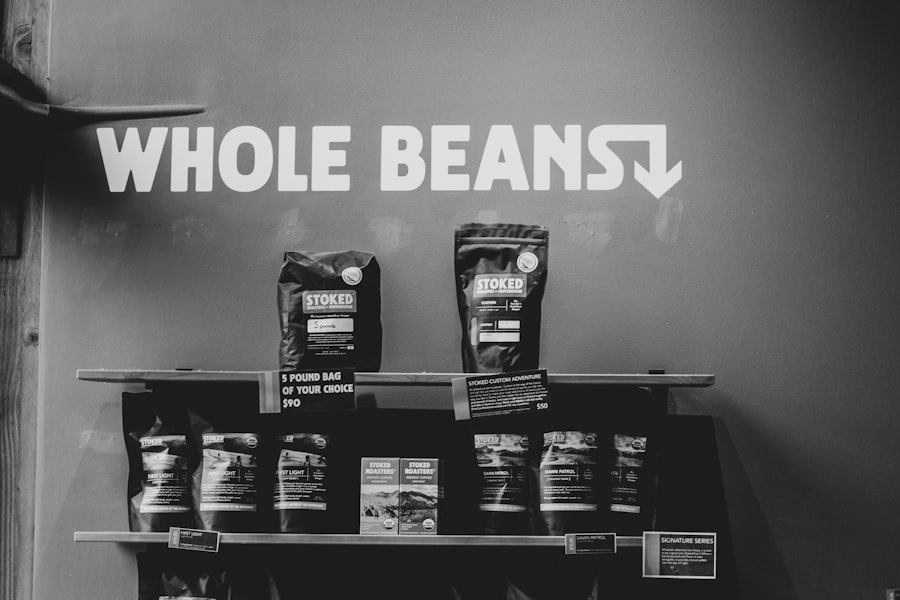
While Arabica may dominate the specialty coffee scene, Robusta beans deserve recognition for their unique qualities and robust flavor profile. Grown at lower altitudes and known for their higher caffeine content, Robusta beans are often characterized by their earthy and bold flavors. When we explore single origin Robusta coffee, we uncover a different side of the coffee spectrum that can be equally rewarding.
This variety is often used in espresso blends due to its ability to create a rich crema and enhance body. Single origin Robusta can surprise us with its complexity. For instance, beans from Vietnam may present a deep chocolate flavor with nutty undertones, while those from Uganda can offer a more vibrant profile with fruity notes.
As we delve into the world of single origin Robusta, we begin to appreciate its role in diversifying our coffee experiences. It challenges our preconceived notions about what quality coffee should taste like and encourages us to embrace the full spectrum of flavors that different beans can provide.
Ethiopian Single Origin Coffee
Ethiopia is often hailed as the birthplace of coffee, and its single origin coffees are celebrated for their vibrant flavors and rich history. When we indulge in Ethiopian single origin coffee, we are not just enjoying a beverage; we are partaking in a cultural legacy that dates back centuries. Ethiopian coffees are known for their diverse flavor profiles, ranging from fruity and floral to earthy and spicy.
The unique processing methods employed in Ethiopia, such as natural and washed processing, further enhance these distinct characteristics. As we sip on an Ethiopian Yirgacheffe or Sidamo, we may be greeted with bright acidity and notes of jasmine or bergamot. The complexity of these coffees invites us to explore their origins further, learning about the farmers who meticulously cultivate them and the traditions that shape their production.
By choosing Ethiopian single origin coffee, we connect with a rich narrative that transcends borders and celebrates the artistry of coffee cultivation.
Colombian Single Origin Coffee
Colombia has long been synonymous with high-quality coffee, and its single origin offerings are no exception. Renowned for their smoothness and balanced flavor profiles, Colombian coffees often feature notes of caramel, nuts, and chocolate. When we choose Colombian single origin coffee, we are indulging in a cup that embodies the country’s ideal growing conditions—lush mountainsides, rich volcanic soil, and a climate that nurtures exceptional beans.
The dedication of Colombian farmers to sustainable practices and quality control is evident in every cup. As we enjoy a Colombian Supremo or Excelso, we can appreciate not only the flavors but also the hard work that goes into producing these exceptional coffees. The story behind Colombian single origin coffee is one of resilience and passion, reminding us of the human connection behind our daily brew.
Brazilian Single Origin Coffee
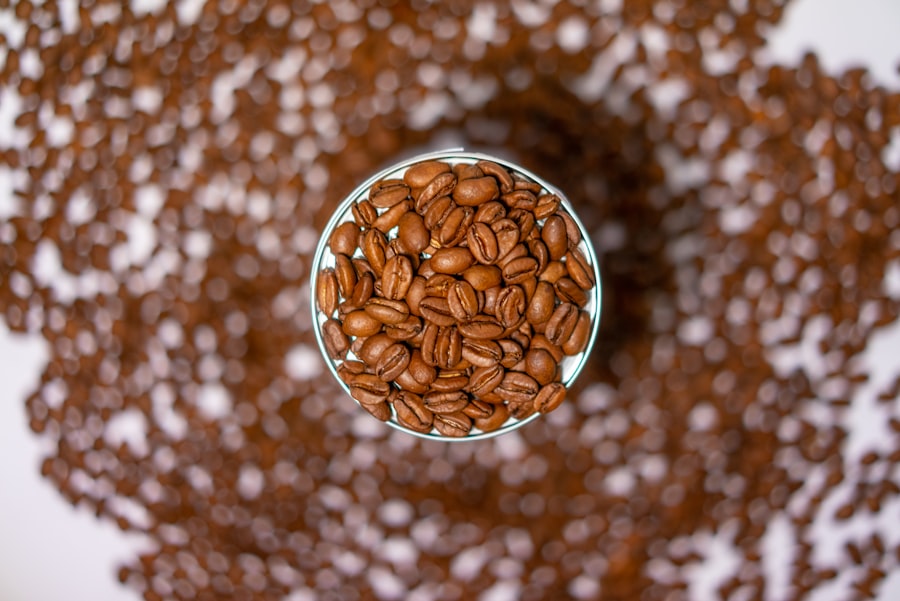
Brazil is the largest producer of coffee in the world, and its single origin coffees offer a diverse range of flavors that reflect the country’s vast landscapes. From the sun-drenched plantations of Minas Gerais to the lush hills of São Paulo, Brazilian coffees are known for their smoothness and chocolatey undertones. When we explore Brazilian single origin coffee, we discover a delightful balance between sweetness and acidity that makes it approachable for many palates.
One of the standout features of Brazilian coffees is their versatility; they can be enjoyed as a smooth filter brew or as a robust espresso base. As we savor a cup of Brazilian single origin coffee, we may encounter flavors ranging from nutty and caramel to fruity and floral. This diversity invites us to experiment with different brewing methods and pairings, enhancing our overall coffee experience.
By choosing Brazilian single origin coffee, we not only enjoy a delicious beverage but also support a thriving industry that plays a crucial role in global coffee production.
Costa Rican Single Origin Coffee
Costa Rica is renowned for its commitment to high-quality coffee production and sustainable farming practices. When we indulge in Costa Rican single origin coffee, we are treated to a cup that reflects the country’s dedication to excellence. Costa Rican coffees are often characterized by their bright acidity and full-bodied flavor profiles, making them a favorite among many coffee aficionados.
The country’s diverse microclimates contribute to the unique characteristics of its coffees. For instance, beans from the Central Valley may present citrusy notes with a clean finish, while those from Tarrazú can offer rich chocolate flavors with hints of berry. As we explore Costa Rican single origin coffee, we gain insight into the meticulous processes involved in cultivation and harvesting.
By supporting these coffees, we not only enjoy exceptional flavors but also contribute to sustainable practices that benefit local communities.
Sumatran Single Origin Coffee
Sumatra is famous for its bold and earthy coffees that stand out in the world of single origin offerings. Known for their low acidity and full body, Sumatran coffees often feature rich flavors such as dark chocolate, spices, and herbal notes. When we choose Sumatran single origin coffee, we embark on a sensory journey that transports us to the lush landscapes of Indonesia.
The unique wet-hulling process used in Sumatra contributes to its distinctive flavor profile. This method allows for greater retention of oils in the beans, resulting in a creamy mouthfeel and complex taste. As we savor a cup of Sumatran Mandheling or Lintong, we may find ourselves captivated by the depth and richness that these coffees offer.
By embracing Sumatran single origin coffee, we not only enjoy an exceptional brew but also support traditional farming practices that have been passed down through generations. In conclusion, exploring single origin coffee opens up a world of flavors and stories that enrich our daily rituals. From Arabica to Robusta and from Ethiopia to Sumatra, each region offers something unique that invites us to appreciate the artistry behind every cup.
As we continue our journey through this diverse landscape of coffee origins, let us celebrate not only the flavors but also the connections we forge with farmers and communities around the globe.
FAQs
What is single origin coffee?
Single origin coffee refers to coffee that is sourced from a specific region or country, rather than being a blend of beans from multiple locations. This allows for the unique flavors and characteristics of the coffee to be attributed to the specific region it was grown in.
What are the different types of single origin coffee?
There are several different types of single origin coffee, each with its own distinct flavor profile. Some common types include Ethiopian, Kenyan, Colombian, Brazilian, and Costa Rican single origin coffees.
What are the flavor profiles of different single origin coffees?
The flavor profiles of single origin coffees can vary widely depending on the region they are from. For example, Ethiopian coffees are known for their fruity and floral notes, while Colombian coffees often have a balanced profile with notes of chocolate and nuts.
How is single origin coffee different from blended coffee?
Single origin coffee is sourced from a specific region, allowing for the unique flavors of that region to shine through. Blended coffee, on the other hand, is a combination of beans from different regions, which can result in a more complex and balanced flavor profile.
Are there any specific brewing methods recommended for single origin coffee?
While single origin coffee can be brewed using any method, some coffee enthusiasts recommend using pour-over or French press methods to fully appreciate the unique flavors of single origin beans.


