
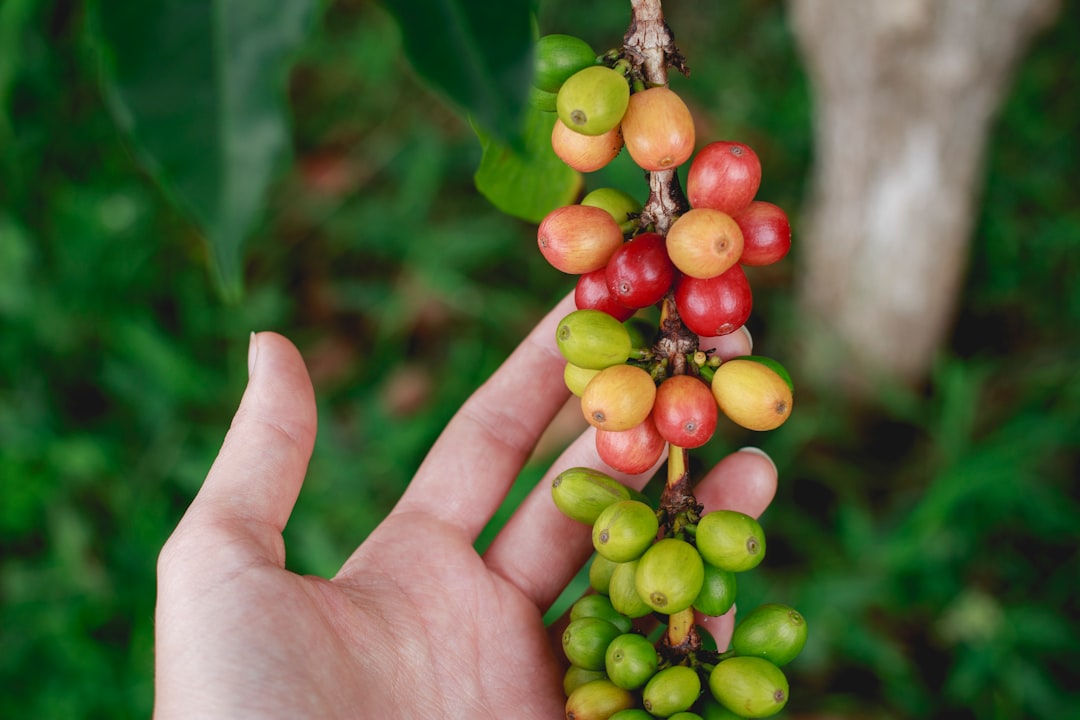
When we delve into the world of coffee, one term that frequently arises is “single-origin.” This designation refers to coffee beans sourced from a specific region, country, or even a single farm. Unlike blends, which combine beans from various origins to create a consistent flavor profile, single-origin coffees offer a unique taste experience that reflects the specific characteristics of their growing environment. The climate, soil composition, and altitude of the region all contribute to the distinct flavors and aromas found in each cup.
By understanding single-origin coffee, we can appreciate the nuances that make each variety special. As we explore single-origin coffee, we also discover the stories behind the beans. Each origin has its own history, culture, and farming practices that influence the final product.
For instance, Ethiopian coffees are often celebrated for their fruity and floral notes, while Colombian coffees are known for their balanced acidity and rich body. By choosing single-origin coffee, we not only enjoy a unique flavor experience but also support the farmers and communities that cultivate these exceptional beans. This connection to the source enhances our appreciation for the craft of coffee-making and encourages sustainable practices within the industry.
Key Takeaways
- Single-origin coffee comes from a specific region, offering unique flavors and characteristics based on its origin.
- Characteristics of single-origin coffee for cold brew include a smooth and balanced flavor profile, with fruity or floral notes.
- Some of the best single-origin coffees for cold brew include Ethiopian Yirgacheffe, Colombian Supremo, and Kenyan AA.
- Popular single-origin coffees for cold brew include Costa Rican Tarrazu, Guatemalan Antigua, and Brazilian Santos.
- To brew single-origin coffee for cold brew, use a coarse grind, cold water, and a long steeping time for a smooth and flavorful result.
Characteristics of Single-Origin Coffee for Cold Brew
When it comes to cold brew, the characteristics of single-origin coffee play a crucial role in determining the final flavor profile. Cold brew is known for its smooth, mellow taste, which can be enhanced or altered depending on the beans we select. Single-origin coffees often exhibit distinct flavor notes that can shine through in cold brew preparation.
For example, a coffee from Guatemala may present chocolatey undertones with hints of caramel, while a coffee from Kenya might offer bright acidity and fruity flavors. These unique characteristics can elevate our cold brew experience, making it more enjoyable and memorable. Moreover, the processing method of single-origin coffee can significantly impact its suitability for cold brew.
Many single-origin coffees are processed using methods such as washed or natural processing, which can influence their flavor clarity and sweetness. Washed coffees tend to have a cleaner taste with pronounced acidity, while natural coffees often exhibit more fruity and complex flavors. By understanding these processing methods, we can make informed choices about which single-origin coffees will yield the best results in our cold brew preparations.
Best Single-Origin Coffee for Cold Brew
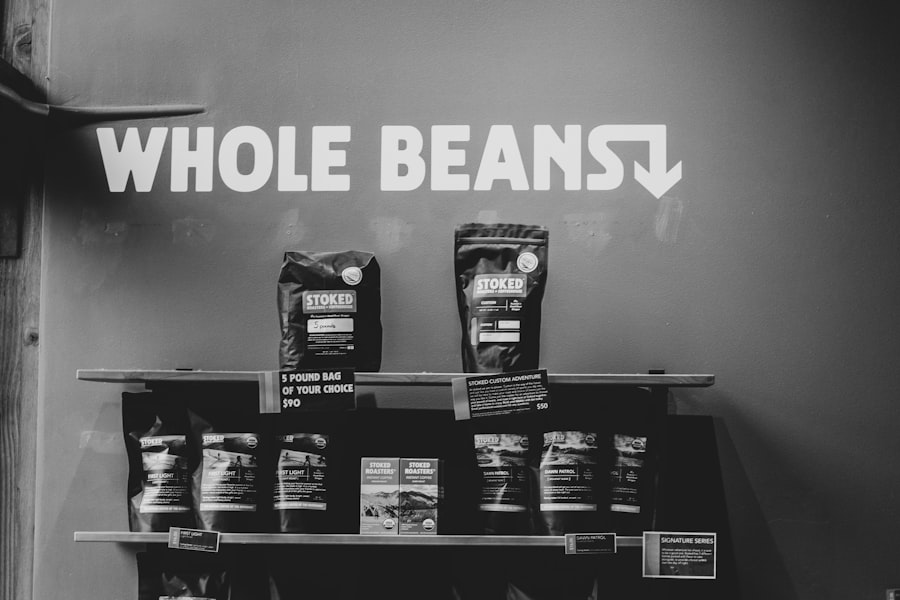
Identifying the best single-origin coffee for cold brew involves considering various factors such as flavor profile, acidity, and body. Some of our top picks include coffees from regions known for their exceptional quality and unique characteristics. For instance, we might gravitate towards a smooth Brazilian coffee with nutty undertones and low acidity, making it an excellent choice for those who prefer a mellow cold brew.
Alternatively, we could opt for a vibrant Ethiopian coffee that showcases fruity notes and floral aromas, providing a refreshing twist to our cold brew experience. Another excellent option is Colombian coffee, which often strikes a balance between sweetness and acidity. The rich body and caramel-like flavors of Colombian beans can create a satisfying cold brew that appeals to a wide range of palates.
Additionally, we may want to explore coffees from Costa Rica or Panama, as these regions are known for their high-quality beans that can produce delightful cold brews. Ultimately, the best single-origin coffee for cold brew will depend on our personal preferences and the flavor profiles we wish to explore.
Popular Single-Origin Coffee for Cold Brew
As we navigate the landscape of single-origin coffee for cold brew, certain varieties have gained popularity among coffee enthusiasts. One standout is Yirgacheffe coffee from Ethiopia, renowned for its bright acidity and complex flavor profile. With notes of citrus and floral undertones, Yirgacheffe offers a refreshing cold brew experience that is both invigorating and satisfying.
Its unique characteristics make it a favorite among those seeking a vibrant and aromatic cup. Another popular choice is the Guatemalan coffee from the Antigua region. Known for its rich chocolatey flavors and smooth finish, this coffee provides a comforting cold brew option that appeals to many drinkers.
The combination of sweetness and body makes it an ideal candidate for those who enjoy a more traditional cold brew experience.
How to Brew Single-Origin Coffee for Cold Brew
Brewing single-origin coffee for cold brew requires a few essential steps to ensure we extract the best flavors from our chosen beans. First, we need to start with coarsely ground coffee to prevent over-extraction during the brewing process. A general guideline is to use a ratio of one cup of coffee grounds to four cups of cold water; however, we can adjust this ratio based on our taste preferences.
Once we’ve measured our coffee and water, we can combine them in a large container or pitcher. It’s important to stir the mixture gently to ensure all the grounds are saturated with water. Afterward, we should cover the container and let it steep in the refrigerator for 12 to 24 hours.
The longer we allow it to steep, the stronger and more concentrated our cold brew will be. After steeping, we can strain the mixture through a fine mesh sieve or a dedicated cold brew maker to separate the grounds from the liquid. The result is a smooth and flavorful cold brew concentrate that we can dilute with water or milk before serving.
Tips for Choosing the Right Single-Origin Coffee for Cold Brew
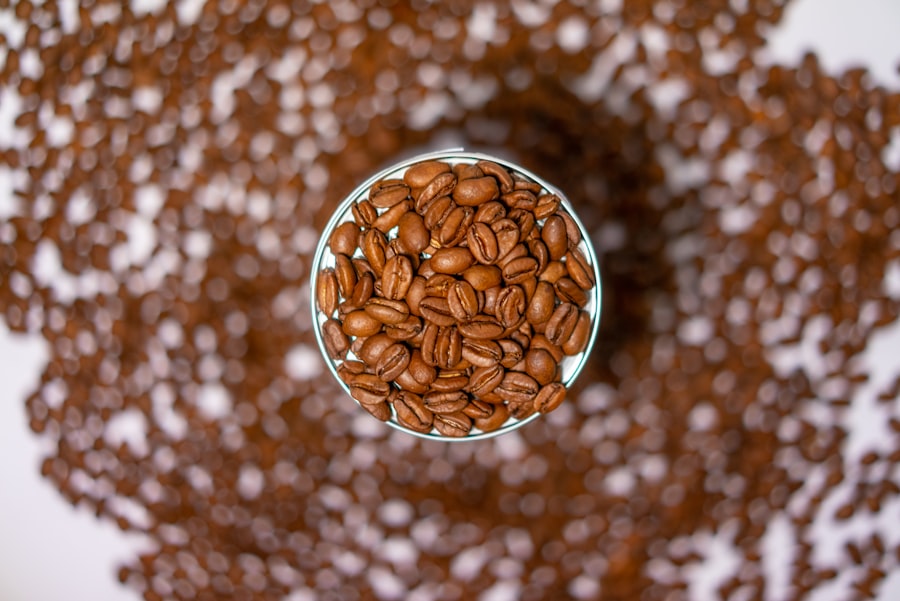
Selecting the right single-origin coffee for cold brew can be an enjoyable yet challenging task due to the vast array of options available. One key tip is to consider our flavor preferences before making a choice. If we enjoy fruity and bright flavors, we might lean towards coffees from East Africa, such as Ethiopia or Kenya.
On the other hand, if we prefer richer and more chocolatey notes, Central American coffees like those from Guatemala or Costa Rica may be more suitable. Additionally, it’s essential to pay attention to roast levels when choosing single-origin coffee for cold brew. Lighter roasts tend to highlight acidity and fruity notes, while medium to dark roasts can provide deeper flavors and a fuller body.
Experimenting with different roast levels can help us discover our ideal cold brew profile. Lastly, sourcing beans from reputable roasters or specialty shops ensures that we’re getting high-quality single-origin coffee that has been carefully processed and roasted to bring out its best characteristics.
Experimenting with Single-Origin Coffee for Cold Brew
One of the most exciting aspects of brewing single-origin coffee for cold brew is the opportunity to experiment with different varieties and techniques. We can start by trying various origins to see how their unique flavor profiles translate into cold brew form. For instance, we might compare an Ethiopian Yirgacheffe with a Colombian Supremo side by side to appreciate their distinct characteristics in our cold brews.
Moreover, we can also experiment with different brewing times and ratios to find our perfect balance. Some may prefer a stronger concentrate by steeping longer or using more coffee grounds, while others might enjoy a milder flavor by adjusting these variables. Additionally, adding flavorings such as vanilla extract or spices like cinnamon can create exciting variations on our cold brew experience.
The possibilities are endless when it comes to experimenting with single-origin coffee!
Enjoying the Unique Flavors of Single-Origin Coffee Cold Brew
As we savor our cold brews made from single-origin coffee, we open ourselves up to a world of unique flavors and experiences. Each sip tells a story—of the land where the beans were grown, the farmers who nurtured them, and the meticulous processes that brought them to our cups. By appreciating these nuances, we deepen our connection to the beverage we love.
Whether we’re enjoying our cold brew on a hot summer day or as an afternoon pick-me-up, each cup offers an opportunity to explore new tastes and aromas. We can take our time to notice the subtle differences between various origins and processing methods, allowing us to develop our palate further. Ultimately, enjoying single-origin coffee cold brew is not just about quenching our thirst; it’s about celebrating the artistry behind each cup and embracing the diverse world of coffee that awaits us.
FAQs
What is single-origin coffee?
Single-origin coffee refers to coffee beans that are sourced from a specific region or country, rather than being a blend of beans from multiple locations. This allows for the unique flavors and characteristics of the coffee to be highlighted.
What type of single-origin coffee is best for cold brew coffee?
The best type of single-origin coffee for cold brew coffee is often a medium to dark roast with a rich and full-bodied flavor profile. Coffees from regions such as Colombia, Brazil, Ethiopia, and Guatemala are popular choices for cold brew due to their chocolatey, nutty, and fruity notes.
Why is single-origin coffee preferred for cold brew coffee?
Single-origin coffee is preferred for cold brew coffee because it allows the distinct flavors of the coffee beans to shine through in the final brew. The unique characteristics of the coffee from a specific region can create a more complex and flavorful cold brew.
Can any single-origin coffee be used for cold brew coffee?
While any single-origin coffee can technically be used for cold brew, certain flavor profiles and characteristics are more suited for this brewing method. It is generally recommended to choose a single-origin coffee with a medium to dark roast and a flavor profile that complements the smooth and rich qualities of cold brew coffee.


