

When we think about coffee, the first thing that often comes to mind is the rich aroma and the invigorating taste that awakens our senses. However, the quality and uniqueness of coffee beans play a pivotal role in shaping our overall experience. The world of coffee is vast, with countless varieties cultivated in different regions, each offering distinct flavors and characteristics.
For instance, beans from Ethiopia are renowned for their fruity and floral notes, while those from Colombia are celebrated for their smooth, well-balanced profiles. This diversity not only enhances our coffee-drinking experience but also allows us to explore a myriad of flavors that can transport us to different parts of the world with every sip. Moreover, the uniqueness of these beans often stems from the specific conditions in which they are grown.
Factors such as altitude, soil composition, and climate contribute significantly to the flavor profile of the beans. High-altitude regions tend to produce beans with more complex flavors due to slower maturation processes. As we delve deeper into the world of specialty coffee, we begin to appreciate how these unique characteristics can elevate our coffee experience.
The meticulous attention to detail in cultivation and processing methods further enhances the quality of the beans, making them not just a beverage but an art form that reflects the dedication of farmers and producers.
Key Takeaways
- Quality and uniqueness of the beans:
- The quality and uniqueness of the beans play a crucial role in setting a product apart in the market and attracting discerning consumers.
- Unique flavor profiles and high-quality beans can command premium prices and create a loyal customer base.
- Limited availability and production:
- Limited availability and production of specialty beans can create a sense of exclusivity and desirability among consumers.
- This scarcity can drive up demand and allow for higher pricing, but also presents challenges in meeting market demand.
- Higher labor and production costs:
- Specialty beans often require more intensive labor and production processes, leading to higher costs for farmers and producers.
- These higher costs can impact pricing and profitability, and may require innovative solutions for sustainable production.
- Transportation and importation expenses:
- Specialty beans often come from specific regions, leading to higher transportation and importation expenses.
- These costs can impact the final price of the product and require careful consideration in pricing and distribution strategies.
- Support for sustainable and ethical farming practices:
- Consumers are increasingly seeking out products that support sustainable and ethical farming practices.
- Brands that prioritize these practices can differentiate themselves in the market and appeal to environmentally conscious consumers.
Limited availability and production
The limited availability and production of certain coffee beans can significantly influence their market value. As we navigate through the coffee landscape, we often encounter rare varieties that are produced in small quantities. These beans are typically grown in specific regions with ideal conditions, making them susceptible to fluctuations in supply.
For instance, some of the most sought-after beans, like Kopi Luwak or Geisha, are produced in very limited quantities due to the unique processes involved in their cultivation and harvesting.
Additionally, the limited production of certain beans can be attributed to various factors, including climate change and agricultural practices.
As we witness shifts in weather patterns, some regions may become less suitable for coffee cultivation, leading to reduced yields. This situation is compounded by the fact that many farmers are unable to adapt quickly to these changes due to financial constraints or lack of resources. Consequently, the limited availability of high-quality beans can create a ripple effect throughout the industry, impacting everything from pricing to consumer access.
Higher labor and production costs

As we explore the intricacies of coffee production, it becomes evident that higher labor and production costs are significant contributors to the overall price of specialty coffee. The process of cultivating and harvesting coffee is labor-intensive, requiring skilled hands to ensure that only the best cherries are picked at the right time. Many farmers employ traditional methods that prioritize quality over quantity, which often results in higher labor costs.
This commitment to excellence is commendable but also translates into a higher price point for consumers who seek premium products. Furthermore, the costs associated with production extend beyond labor. Farmers must invest in sustainable farming practices, equipment, and infrastructure to maintain the quality of their beans.
These investments can be substantial, particularly for small-scale farmers who may lack access to financial resources. As we consider our choices as consumers, it is essential to recognize that the price we pay for our coffee reflects not only the quality of the beans but also the hard work and dedication of those who cultivate them.
Transportation and importation expenses
Transportation and importation expenses are critical factors that contribute to the final cost of coffee beans. As we enjoy our favorite brews, it’s easy to overlook the complex logistics involved in getting those beans from remote farms to our local cafes or grocery stores. Coffee is often grown in developing countries far from consumer markets, necessitating a robust supply chain that includes shipping, customs clearance, and distribution.
Each step in this process incurs costs that ultimately affect the price we pay at checkout. Moreover, fluctuations in fuel prices and changes in international trade policies can further complicate transportation expenses. As we become more aware of these factors, it’s important to understand how they impact not only pricing but also the availability of certain coffee varieties.
For instance, when shipping costs rise due to increased fuel prices or geopolitical tensions, we may see a corresponding increase in retail prices for imported coffee. This interconnectedness highlights the importance of considering not just the quality of the beans but also the broader economic factors that influence our coffee choices.
Support for sustainable and ethical farming practices
In recent years, there has been a growing emphasis on supporting sustainable and ethical farming practices within the coffee industry. As consumers become more conscious of their purchasing decisions, many of us seek out brands that prioritize environmental stewardship and fair labor practices. By choosing coffee that is certified organic or fair trade, we contribute to a system that values both quality and ethical considerations.
This shift towards sustainability not only benefits farmers by providing them with fair compensation but also helps protect the environment by promoting responsible farming methods. Additionally, supporting sustainable practices can lead to improved quality in coffee production. When farmers are able to invest in their land and adopt eco-friendly techniques, they often produce better-quality beans that reflect their commitment to excellence.
As we savor our cups of coffee, we can take pride in knowing that our choices support a more equitable and sustainable industry. By advocating for ethical sourcing and sustainable practices, we play a vital role in shaping a future where both people and the planet thrive.
Branding and marketing strategies
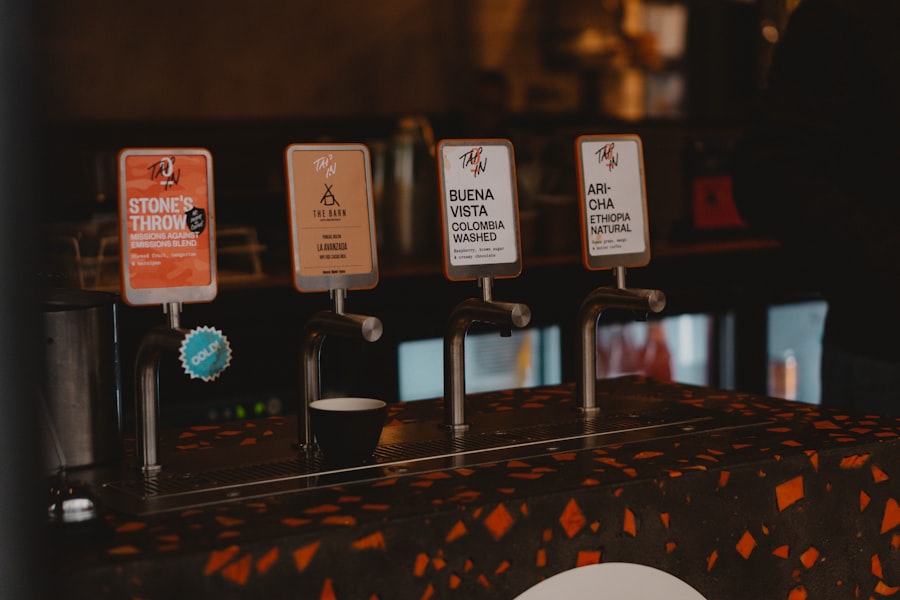
Branding and marketing strategies play a crucial role in how we perceive and value coffee products. In an increasingly competitive market, companies must differentiate themselves through effective branding that resonates with consumers. This often involves storytelling that highlights the origins of their beans, the farmers behind them, and the unique processes used in production.
By creating a strong narrative around their products, brands can foster a deeper connection with consumers who appreciate not just the taste but also the story behind their coffee. Moreover, marketing strategies have evolved significantly with the rise of social media and digital platforms. As we scroll through our feeds, we are often bombarded with visually appealing images and engaging content that showcase various coffee brands.
This digital presence allows companies to reach a broader audience while also building a community around their products. By leveraging influencer partnerships or user-generated content, brands can create a sense of authenticity that resonates with consumers seeking genuine connections with their favorite beverages.
Demand and market trends
The demand for specialty coffee has surged in recent years, driven by an increasing interest in high-quality products among consumers. As we become more discerning about our coffee choices, many of us seek out unique flavors and artisanal brewing methods that elevate our experience. This trend has led to a proliferation of specialty cafes and roasters that cater to our evolving tastes, offering everything from single-origin brews to innovative brewing techniques like pour-over or cold brew.
Additionally, market trends indicate a growing preference for transparency in sourcing and production practices. Consumers are increasingly interested in knowing where their coffee comes from and how it is produced. This demand for transparency has prompted many brands to adopt more ethical sourcing practices while also providing detailed information about their supply chains.
As we navigate this landscape, it’s essential for us as consumers to stay informed about these trends and make choices that align with our values.
Impact of climate and environmental factors
The impact of climate change on coffee production cannot be overstated. As we witness rising temperatures and shifting weather patterns, many coffee-growing regions face significant challenges that threaten their viability. For instance, increased rainfall or prolonged droughts can adversely affect crop yields and quality.
This situation is particularly concerning for smallholder farmers who may lack the resources to adapt to these changes effectively. Moreover, environmental factors such as deforestation and soil degradation further exacerbate these challenges. As we become more aware of these issues, it’s crucial for us to support initiatives aimed at promoting sustainable farming practices that protect both farmers and the environment.
By choosing coffee brands committed to sustainability, we can contribute to efforts that mitigate climate change impacts while ensuring a stable future for coffee production. In conclusion, as we reflect on our relationship with coffee, it becomes clear that numerous factors influence its quality and pricing. From the uniqueness of the beans to labor costs and environmental challenges, each element plays a role in shaping our experience as consumers.
By understanding these complexities and making informed choices, we can enjoy our favorite beverage while supporting a more sustainable and equitable industry for all involved.
FAQs
What is single origin coffee?
Single origin coffee refers to coffee that is sourced from a specific region or farm, rather than being a blend of beans from multiple locations. This allows for a unique flavor profile that reflects the characteristics of the specific growing region.
Why can single origin coffee be more expensive?
Single origin coffee can be more expensive due to several factors. These include the limited availability of beans from a specific region, the higher cost of production and processing in certain areas, and the demand for unique and high-quality coffee flavors.
Does the quality of single origin coffee justify the higher price?
Yes, the quality of single origin coffee often justifies the higher price. The unique flavor profiles and characteristics of single origin coffee can be highly sought after by coffee enthusiasts, and the higher price reflects the limited availability and higher production costs associated with these beans.
Are there any ethical or sustainable reasons for the higher price of single origin coffee?
Yes, in some cases, the higher price of single origin coffee can be attributed to ethical and sustainable practices. Some single origin coffee producers prioritize fair wages for workers, environmentally friendly farming methods, and support for local communities, which can contribute to the higher cost of the coffee.


