

When we delve into the world of coffee, one term that frequently arises is “single origin.” This concept refers to coffee beans sourced from a specific region, country, or even a single farm. Unlike blends, which combine beans from various locations to create a uniform flavor profile, single origin coffees offer a unique taste experience that reflects the characteristics of their growing environment. The idea behind single origin coffee is to celebrate the distinct flavors and aromas that different regions impart to the beans, allowing us to appreciate the diversity of coffee much like we do with wine.
As we explore single origin coffee, we begin to understand how factors such as altitude, climate, soil composition, and local farming practices influence the final product. Each region has its own unique terroir, which contributes to the flavor nuances we can detect in our cup. For instance, coffees from Ethiopia are often celebrated for their fruity and floral notes, while those from Colombia may present a more balanced profile with hints of caramel and chocolate.
By choosing single origin coffees, we embark on a journey through various landscapes and cultures, experiencing the rich tapestry of flavors that each region has to offer.
Key Takeaways
- Single origin coffee refers to coffee beans that come from a specific region, offering unique flavors and characteristics.
- Researching different coffee growing regions can help in understanding the flavor profiles and characteristics associated with each region.
- Considering flavor profiles and taste preferences is important when choosing single origin coffee, as different regions offer different flavor profiles.
- Assessing the freshness and quality of the coffee beans is crucial for a great cup of single origin coffee.
- Looking for reputable and ethical coffee producers ensures that the coffee is sourced responsibly and sustainably.
Researching different coffee growing regions
To truly appreciate single origin coffee, we must take the time to research the various coffee-growing regions around the world. Each area has its own unique climate and geography that contribute to the characteristics of the beans produced there. For example, regions like Central America, South America, Africa, and Asia each have distinct profiles shaped by their environmental conditions.
By understanding these regions, we can make informed choices about which coffees to try based on our personal preferences. As we dive deeper into our research, we discover that some regions are renowned for their high-quality beans due to specific cultivation methods or historical significance. For instance, the high-altitude regions of Guatemala are known for producing beans with bright acidity and complex flavors.
In contrast, the lush landscapes of Sumatra yield earthy and full-bodied coffees that are often sought after by those who enjoy a bolder cup. By familiarizing ourselves with these regions and their unique offerings, we can better navigate the vast world of single origin coffee and select beans that resonate with our taste buds.
Considering flavor profiles and taste preferences

As we embark on our journey through single origin coffees, it becomes essential to consider our own flavor profiles and taste preferences. Each coffee variety presents a unique combination of flavors, acidity levels, and body types that can significantly impact our overall experience. Some of us may gravitate towards bright and fruity notes, while others might prefer rich and chocolatey undertones.
By identifying our preferences, we can narrow down our choices and select coffees that align with our individual tastes. Moreover, understanding flavor profiles allows us to explore new horizons within the realm of single origin coffee. We might find ourselves pleasantly surprised by a coffee that we initially thought wouldn’t suit our palate.
For instance, a light roast from Kenya may showcase vibrant citrus notes that challenge our preconceived notions about what we enjoy. By being open to experimentation and actively seeking out different flavor profiles, we can expand our appreciation for the diverse world of coffee and discover new favorites along the way.
Assessing the freshness and quality of the coffee beans
When it comes to single origin coffee, freshness and quality are paramount.
As we assess the freshness of our coffee, we should pay attention to factors such as roast date and packaging.
Ideally, we want to choose beans that have been roasted recently to ensure that we experience their full range of flavors. In addition to freshness, quality is another critical aspect to consider. We should look for beans that have been sourced ethically and sustainably, as this often correlates with superior quality.
Specialty coffee producers often prioritize quality control measures throughout the entire process, from cultivation to roasting. By selecting high-quality beans from reputable sources, we can enhance our overall coffee experience and support sustainable practices within the industry.
Looking for reputable and ethical coffee producers
As conscious consumers, it is essential for us to seek out reputable and ethical coffee producers when exploring single origin options. The coffee industry has faced numerous challenges related to fair trade practices and environmental sustainability. By choosing brands that prioritize ethical sourcing and support local farmers, we can contribute to positive change within the industry while enjoying exceptional coffee.
Researching producers who are committed to transparency in their supply chains allows us to make informed decisions about the coffees we purchase. Many specialty roasters provide detailed information about their sourcing practices, including direct trade relationships with farmers and certifications such as Fair Trade or Rainforest Alliance. By supporting these producers, we not only enjoy high-quality single origin coffees but also help promote fair wages and sustainable farming practices for those who grow our beloved beans.
Exploring different processing methods
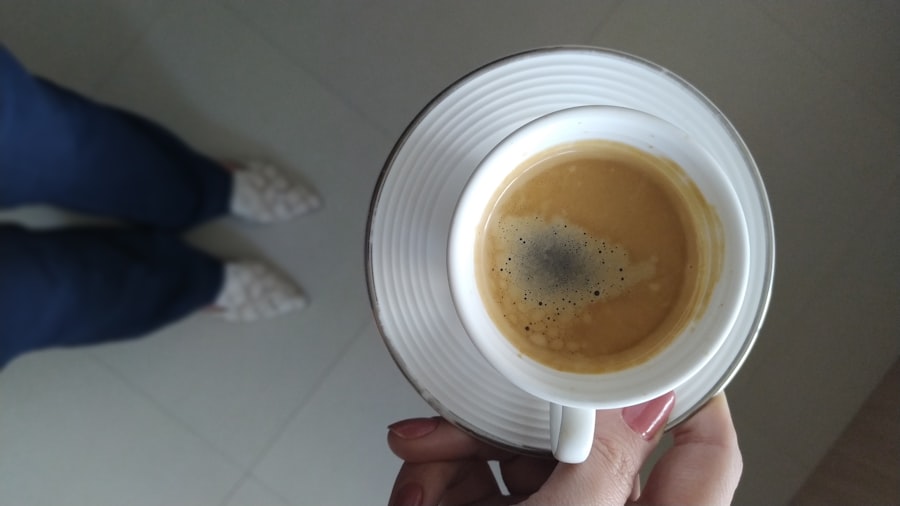
The processing method used for coffee beans plays a significant role in shaping their final flavor profile. As we explore single origin coffees, it is crucial for us to understand the various processing techniques employed by producers around the world. Common methods include washed (or wet), natural (or dry), and honey processing, each imparting distinct characteristics to the beans.
For instance, washed coffees tend to have a cleaner taste with bright acidity, as the fruit is removed from the bean before fermentation. In contrast, natural coffees often exhibit fruity and complex flavors since the beans are dried with the fruit still intact. Honey-processed coffees fall somewhere in between, offering a balance of sweetness and acidity.
By experimenting with different processing methods within single origin coffees, we can further refine our understanding of how these techniques influence flavor and discover new favorites along the way.
Seeking out recommendations and reviews
In our quest for exceptional single origin coffees, seeking out recommendations and reviews can be incredibly beneficial. With so many options available in today’s market, it can be overwhelming to navigate through countless brands and varieties. Engaging with fellow coffee enthusiasts through online forums or social media platforms allows us to tap into a wealth of knowledge and experience.
We can also turn to specialty coffee shops or roasters for expert advice on which single origin coffees they recommend based on our taste preferences. Many baristas are passionate about their craft and are eager to share their insights on different beans and brewing methods. By actively seeking out recommendations from trusted sources, we can enhance our coffee journey and discover hidden gems that may not be widely known.
Experimenting with different single origin coffees
Finally, one of the most exciting aspects of exploring single origin coffees is the opportunity for experimentation. With so many regions, flavor profiles, processing methods, and producers to choose from, we have an endless array of options at our fingertips. We can create tasting flights at home by selecting a variety of single origin coffees from different regions or processing methods to compare their unique characteristics side by side.
As we experiment with different coffees, we should also pay attention to brewing techniques that can further enhance our experience. Whether it’s using a pour-over method for clarity or a French press for richness, each brewing style can bring out different aspects of a coffee’s flavor profile. By embracing experimentation in both our coffee selection and brewing methods, we open ourselves up to new experiences and deepen our appreciation for the world of single origin coffee.
In conclusion, our journey into single origin coffee is one filled with exploration and discovery. By understanding its concept, researching growing regions, considering flavor profiles, assessing quality, seeking ethical producers, exploring processing methods, gathering recommendations, and experimenting with different varieties, we can cultivate a rich appreciation for this diverse beverage. Each cup tells a story—one that connects us not only to the land where it was grown but also to the people who dedicated their lives to bringing it from farm to table.
As we continue this journey together, let us savor every sip and celebrate the beauty of single origin coffee.
FAQs
What is single origin coffee?
Single origin coffee refers to coffee that is sourced from a specific region or country, rather than being a blend of beans from multiple locations. This allows for the unique flavors and characteristics of the coffee to be attributed to the specific region it was grown in.
How can I choose a good single origin coffee?
When choosing a good single origin coffee, consider factors such as the region it was grown in, the altitude at which it was cultivated, the processing method, and the roast level. Additionally, look for reputable coffee roasters who source their beans ethically and provide detailed information about the origin and flavor profile of the coffee.
What are some popular single origin coffee regions?
Some popular single origin coffee regions include Ethiopia, Kenya, Colombia, Brazil, Guatemala, and Costa Rica. Each region produces coffee with distinct flavor profiles and characteristics, influenced by factors such as climate, soil, and altitude.
What are the flavor profiles of different single origin coffees?
The flavor profiles of single origin coffees can vary widely depending on the region and specific growing conditions. For example, Ethiopian coffee is known for its floral and fruity notes, while Colombian coffee often exhibits a balanced profile with mild acidity. Brazilian coffee is often characterized by its nutty and chocolatey flavors, while Kenyan coffee is known for its bright acidity and complex fruitiness.


