
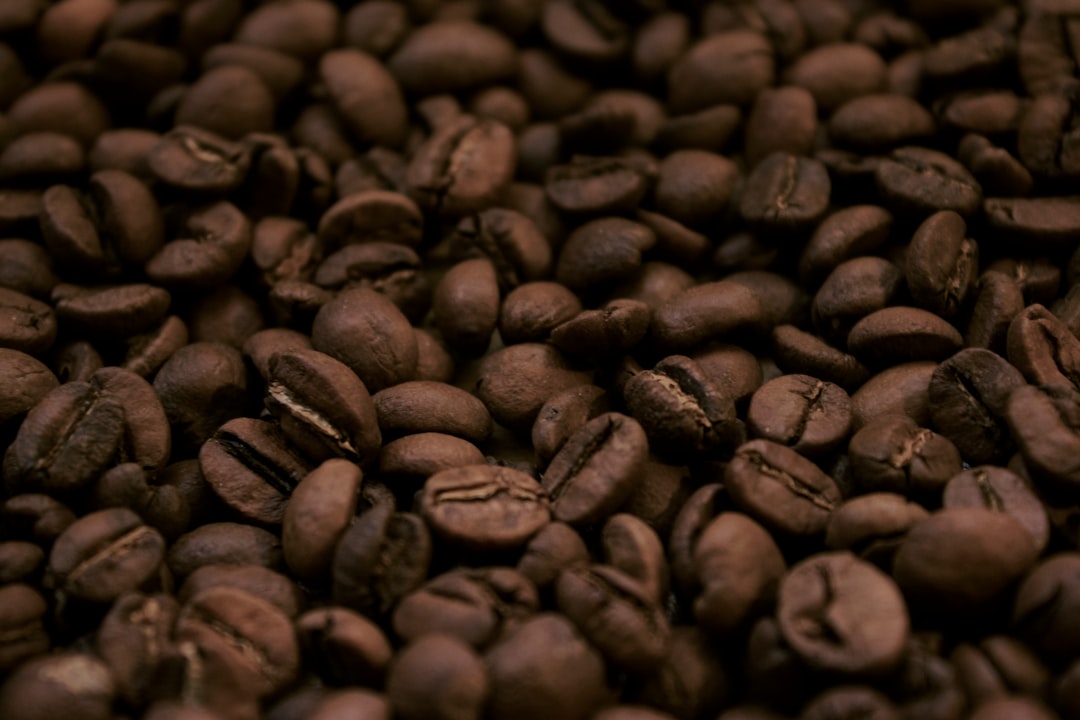
As we embark on our journey through the world of coffee, we find ourselves immersed in a rich tapestry of flavors, aromas, and cultures. Coffee is not merely a beverage; it is a global phenomenon that connects people from all walks of life. From the bustling cafes of Paris to the serene coffee farms in Colombia, this beloved drink has woven itself into the fabric of societies around the world.
Each cup tells a story, reflecting the unique characteristics of its origin, the skill of its roaster, and the passion of its drinker. In our exploration, we will uncover the intricacies of coffee, delving into the various types of beans, the significance of their origins, and the art of roasting and brewing. We will also examine the impact of fair trade practices and sustainability on the coffee industry.
So, let us take a moment to savor the aroma of freshly brewed coffee as we begin this delightful expedition.
Key Takeaways
- Coffee is a popular beverage enjoyed by people all over the world, with a rich history and cultural significance.
- There are two main types of coffee beans: Arabica and Robusta, each with its own unique flavor profile and characteristics.
- The origin of coffee beans plays a crucial role in determining the quality and flavor of the final brew, influenced by factors such as climate, altitude, and soil composition.
- Some of the best coffee growing regions in the world include Ethiopia, Colombia, Brazil, and Costa Rica, known for producing high-quality beans with distinct flavors.
- The roasting and brewing methods used can greatly impact the taste and aroma of the coffee, with factors such as temperature, time, and grind size all playing a role in the final cup.
The Different Types of Coffee Beans
When we think about coffee, we often picture a steaming cup of our favorite brew, but behind that comforting image lies a fascinating world of coffee beans. The two most prominent types of coffee beans are Arabica and Robusta. Arabica beans are known for their smooth, complex flavors and aromatic qualities.
They thrive in higher altitudes and are often grown in regions with cooler climates. This variety accounts for about 60-70% of global coffee production and is favored by many coffee enthusiasts for its nuanced taste profile. On the other hand, Robusta beans are hardier and more resilient, growing at lower altitudes and in harsher conditions.
They tend to have a stronger, more bitter flavor and contain higher caffeine levels than Arabica beans. While Robusta is often used in espresso blends for its ability to create a rich crema, it is sometimes viewed as inferior to Arabica in terms of flavor complexity. However, as we explore the world of coffee, we come to appreciate that each type has its own unique qualities that can cater to different preferences and brewing methods.
The Role of Origin in Coffee Quality
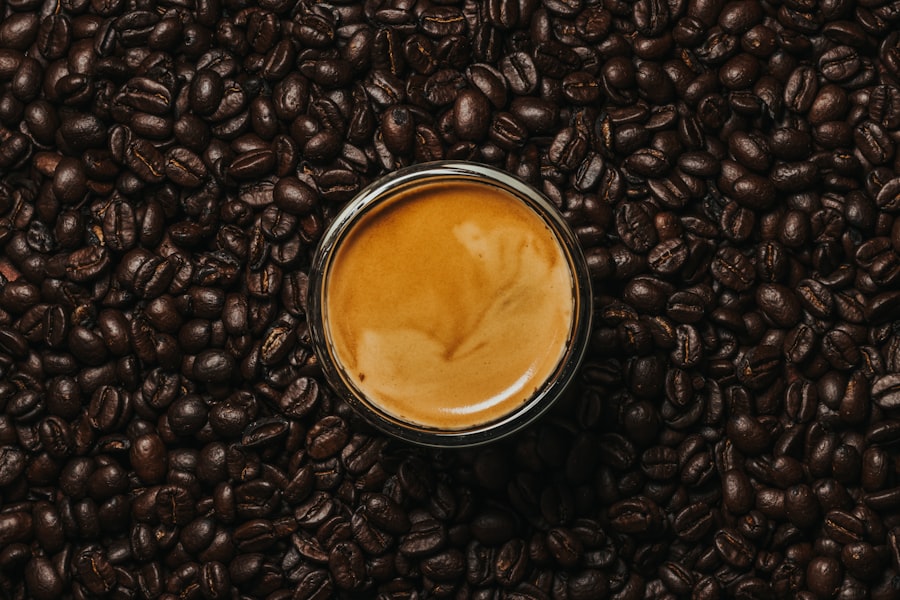
The origin of coffee beans plays a crucial role in determining their quality and flavor profile. Various factors such as climate, soil composition, altitude, and cultivation methods contribute to the distinct characteristics of coffee from different regions. For instance, beans grown in Ethiopia often exhibit fruity and floral notes due to the country’s diverse climate and rich soil.
In contrast, coffee from Brazil tends to have a nutty and chocolatey flavor profile, influenced by its warm climate and unique processing methods. As we delve deeper into the world of coffee origins, we discover that even within a single country, there can be significant variations in flavor based on specific growing regions. For example, within Colombia, coffee from the Huila region is celebrated for its bright acidity and sweet caramel notes, while coffee from Antioquia may present a more balanced profile with chocolate undertones.
Understanding these nuances allows us to appreciate the artistry involved in coffee cultivation and encourages us to explore different origins to find our personal favorites.
The Best Coffee Growing Regions
As we traverse the globe in search of exceptional coffee, we encounter several renowned growing regions that have earned their place in the hearts of coffee lovers. One such region is Colombia, often hailed as one of the finest coffee producers in the world. The country’s mountainous terrain and ideal climate create perfect conditions for cultivating high-quality Arabica beans.
Colombian coffee is celebrated for its well-balanced flavor profile, often featuring notes of caramel, chocolate, and bright acidity. Another notable region is Ethiopia, often referred to as the birthplace of coffee. Ethiopian coffees are known for their vibrant flavors and complex aromas, with many varieties showcasing fruity and floral notes.
The diverse microclimates within Ethiopia allow for a wide range of flavor profiles, making it a treasure trove for adventurous coffee drinkers. As we explore these regions further, we also discover other hidden gems like Guatemala, Costa Rica, and Kenya, each offering unique characteristics that contribute to the global coffee landscape.
The Importance of Roasting and Brewing Methods
Once we have selected our favorite beans from various origins, the next step in our coffee journey involves roasting and brewing methods. Roasting is an art form that transforms green coffee beans into the aromatic brown morsels we know and love. The roasting process affects not only the flavor but also the aroma and body of the coffee.
Light roasts tend to preserve more of the bean’s original flavors, while dark roasts bring out bolder, more robust characteristics. Brewing methods also play a significant role in how we experience our coffee. From traditional drip brewing to French press and espresso machines, each method extracts different flavors from the beans.
For instance, a French press allows for full immersion brewing, resulting in a rich and full-bodied cup, while pour-over methods highlight clarity and brightness in flavor. As we experiment with various roasting profiles and brewing techniques, we begin to understand how these elements work together to create our perfect cup.
The Impact of Fair Trade and Sustainability
In our quest for quality coffee, it is essential to consider the ethical implications surrounding its production. Fair trade practices aim to ensure that farmers receive fair compensation for their labor while promoting sustainable farming methods. By supporting fair trade coffee brands, we contribute to improving the livelihoods of farmers and their communities.
This not only helps alleviate poverty but also encourages environmentally friendly practices that protect our planet. Sustainability is becoming increasingly important in the coffee industry as climate change poses significant challenges to coffee production. As we learn more about sustainable farming practices such as shade-grown coffee and organic cultivation methods, we recognize our role as consumers in supporting these initiatives.
By choosing sustainably sourced coffee, we can enjoy our favorite beverage while contributing to a healthier planet and a more equitable global economy.
The Best Coffee in the World: A Matter of Taste
As we navigate through the diverse world of coffee, we come to realize that determining the “best” coffee is ultimately subjective. Each individual’s palate is unique, shaped by personal experiences and preferences. Some may gravitate towards fruity Ethiopian coffees with bright acidity, while others may prefer the rich chocolate notes found in Brazilian blends.
This diversity is what makes exploring coffee so exciting; there is always something new to discover. Tasting different coffees from various origins allows us to expand our understanding of flavor profiles and develop our preferences over time. Participating in cupping sessions or tasting events can be an enlightening experience as we learn to identify subtle notes and aromas in each brew.
Ultimately, finding our perfect cup involves experimentation and an open mind as we embrace the vast array of flavors that coffee has to offer.
Finding Your Perfect Cup
In conclusion, our journey through the world of coffee has revealed its complexity and beauty. From understanding different types of beans to exploring various origins and brewing methods, we have gained insight into what makes each cup unique. As we continue to savor our favorite brews or venture into new territories of flavor, it is essential to remember that our preferences are personal.
As we seek out our perfect cup of coffee, let us remain curious and open-minded about what lies beyond our usual choices. Whether it’s trying a new brewing method or exploring beans from an unfamiliar region, each experience enriches our appreciation for this beloved beverage. In doing so, we not only celebrate our love for coffee but also support sustainable practices that benefit farmers and protect our planet.
So let us raise our mugs high and toast to the wonderful world of coffee—may our journeys be filled with delightful discoveries!
FAQs
What factors determine the best coffee in the world?
The best coffee in the world is determined by factors such as the quality of the beans, the growing conditions, the processing methods, and the roasting techniques.
What are some of the most renowned coffee-producing regions in the world?
Some of the most renowned coffee-producing regions in the world include Ethiopia, Colombia, Brazil, Costa Rica, and Jamaica.
What is the difference between Arabica and Robusta coffee beans?
Arabica coffee beans are known for their smooth, mild flavor and higher acidity, while Robusta coffee beans have a stronger, more bitter flavor and higher caffeine content.
What are some popular brewing methods for making the best coffee?
Popular brewing methods for making the best coffee include pour-over, French press, espresso, AeroPress, and cold brew.
What role does the roasting process play in determining the quality of coffee?
The roasting process plays a crucial role in determining the flavor, aroma, and overall quality of the coffee. Different roasting levels can bring out different flavor profiles in the beans.


