
When we think about Dunkin’, we often picture the iconic pink and orange logo, the aroma of freshly brewed coffee, and the bustling atmosphere of their stores. The journey of Dunkin’s coffee began in 1950 when William Rosenberg opened the first Dunkin’ Donuts shop in Quincy, Massachusetts. Initially, the focus was on donuts, but it quickly became clear that coffee was a significant draw for customers.
As we delve into the history of Dunkin’s coffee, we see how it evolved from a simple beverage to a cornerstone of the brand’s identity. Over the decades, Dunkin’ has expanded its coffee offerings, introducing a variety of blends and flavors to cater to diverse palates. The brand has consistently emphasized quality and consistency, ensuring that each cup of coffee meets the expectations of its loyal customers.
This commitment to excellence has allowed Dunkin’ to carve out a unique space in the competitive coffee market, where it stands as a beloved choice for millions. As we explore the origins of Dunkin’s coffee, we recognize that it is not just about serving a drink; it is about creating an experience that resonates with people from all walks of life.
Key Takeaways
- Dunkin’s coffee originated in the United States in 1950, and has since become a popular choice for coffee lovers.
- Colombian coffee is highly regarded for its quality and flavor, making it an important component in the coffee industry.
- Dunkin has a strong relationship with Colombian coffee, sourcing a significant portion of its coffee from the country.
- Dunkin’ carefully sources its coffee from various regions, including Colombia, to ensure high quality and sustainable practices.
- Colombian coffee adds a distinct and high-quality flavor to Dunkin’s products, enhancing the overall coffee experience for consumers.
The Importance of Colombian Coffee
Colombian coffee holds a prestigious reputation in the global coffee industry, known for its rich flavor profile and exceptional quality. The unique climate and geography of Colombia create ideal conditions for growing high-quality Arabica beans. As we consider the importance of Colombian coffee, we realize that it is not merely a beverage; it is a cultural symbol that represents the dedication and hard work of Colombian farmers.
The country’s mountainous terrain and diverse ecosystems contribute to the distinct taste that coffee enthusiasts have come to love. Moreover, Colombian coffee is often associated with sustainability and ethical farming practices. Many Colombian farmers are part of cooperatives that prioritize fair trade and environmentally friendly methods.
This commitment to quality and sustainability enhances the overall value of Colombian coffee, making it a sought-after choice for consumers who are increasingly conscious of their purchasing decisions. As we reflect on the significance of Colombian coffee, we understand that it embodies not only flavor but also a story of resilience and community.
Dunkin’s Relationship with Colombian Coffee
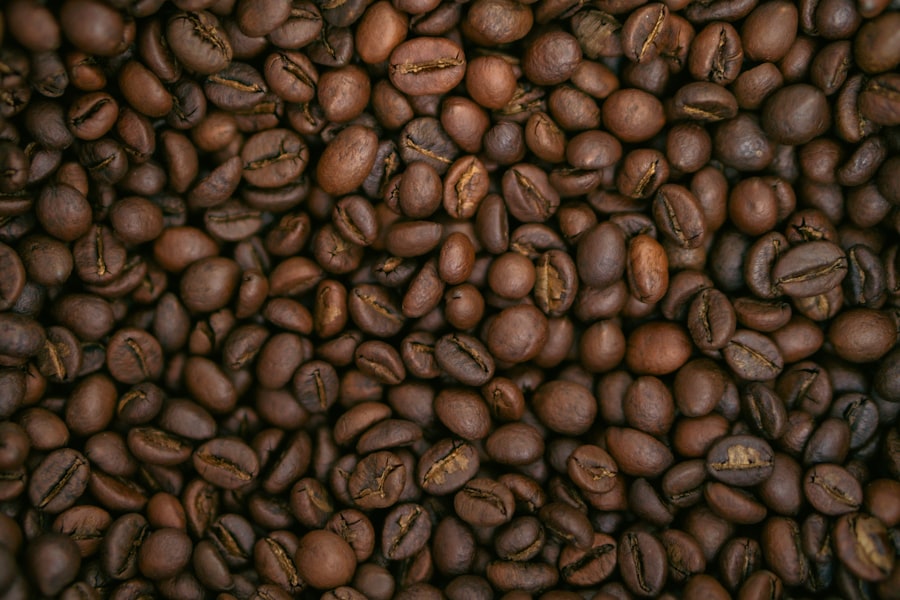
Dunkin’ has long recognized the value of Colombian coffee in its offerings, establishing a strong relationship with this premium product. By incorporating Colombian beans into their blends, Dunkin’ enhances the flavor profiles of their beverages while supporting sustainable farming practices. This relationship is mutually beneficial; while Dunkin’ gains access to high-quality coffee, Colombian farmers receive a reliable market for their products.
As we examine this partnership, we see how it aligns with Dunkin’s commitment to quality and ethical sourcing. In recent years, Dunkin’ has made significant efforts to highlight its use of Colombian coffee in its marketing campaigns. By showcasing the origins of their beans and the stories behind them, Dunkin’ connects consumers to the rich heritage of Colombian coffee.
This transparency not only builds trust with customers but also reinforces Dunkin’s image as a brand that values quality and authenticity. As we explore Dunkin’s relationship with Colombian coffee, we appreciate how it reflects a broader commitment to responsible sourcing and community support.
How Dunkin’ Sources its Coffee
The sourcing process for Dunkin’ coffee is meticulous and intentional, ensuring that every cup served meets their high standards. Dunkin’ works closely with suppliers who share their commitment to quality and sustainability. By establishing direct relationships with coffee growers, Dunkin’ can ensure that they are sourcing beans that are not only delicious but also ethically produced.
This approach allows us to enjoy our favorite beverages with the knowledge that they are supporting responsible farming practices. Dunkin’ also participates in various certification programs that promote sustainable agriculture and fair trade practices. These initiatives help to ensure that farmers receive fair compensation for their hard work while also encouraging environmentally friendly farming methods.
As we consider how Dunkin’ sources its coffee, we recognize that this dedication to ethical practices enhances the overall experience for consumers who are increasingly looking for brands that align with their values.
The Quality of Colombian Coffee in Dunkin’ Products
The quality of Colombian coffee in Dunkin’ products is evident in every sip we take. The rich, smooth flavor profile of Colombian beans adds depth to Dunkin’s signature blends, creating a satisfying experience for coffee lovers. Whether we opt for a classic black coffee or a flavored latte, the presence of Colombian coffee elevates our enjoyment and satisfaction.
This quality is not just about taste; it also reflects Dunkin’s commitment to providing customers with a premium product. Moreover, Dunkin’ takes great care in roasting its Colombian beans to perfection. The roasting process is crucial in bringing out the unique flavors inherent in the beans, and Dunkin’ employs skilled roasters who understand how to achieve the ideal balance.
As we savor our drinks, we can appreciate the craftsmanship that goes into every cup, knowing that Dunkin’ prioritizes quality at every stage of production.
The Impact of Colombian Coffee on Dunkin’s Brand
Colombian coffee has had a profound impact on Dunkin’s brand identity, helping to shape its reputation as a leader in the coffee industry. By incorporating high-quality Colombian beans into their offerings, Dunkin’ has positioned itself as a brand that values excellence and authenticity. This association with premium coffee not only attracts new customers but also fosters loyalty among existing ones who appreciate the brand’s commitment to quality.
Furthermore, the emphasis on Colombian coffee allows Dunkin’ to differentiate itself from competitors in a crowded market. As consumers become more discerning about their coffee choices, they seek brands that offer unique flavors and ethical sourcing practices. By highlighting its use of Colombian coffee, Dunkin’ effectively communicates its dedication to providing an exceptional product while also supporting sustainable farming practices.
This alignment with consumer values strengthens Dunkin’s brand image and enhances its overall appeal.
Consumer Perception of Dunkin’s Colombian Coffee
Consumer perception plays a crucial role in shaping our experiences with brands like Dunkin’. When it comes to Dunkin’s Colombian coffee, many customers view it as a premium offering that stands out among other options available in the market. The rich flavor and smooth finish associated with Colombian beans resonate with those who appreciate high-quality coffee.
As we engage with Dunkin’s products, we often find ourselves drawn to the promise of an exceptional experience.
This awareness enhances our perception of the brand as one that cares about both quality and social responsibility. As we enjoy our favorite beverages, we feel good knowing that our choices support sustainable practices and contribute positively to communities.
The Future of Colombian Coffee in Dunkin’s Offerings
Looking ahead, the future of Colombian coffee in Dunkin’s offerings appears bright. As consumer preferences continue to evolve towards high-quality and ethically sourced products, we can expect Dunkin’ to further embrace its relationship with Colombian coffee. This may involve expanding their range of beverages featuring Colombian beans or introducing limited-time offerings that highlight unique flavor profiles from different regions within Colombia.
Moreover, as sustainability becomes an even more pressing concern for consumers, Dunkin’ is likely to enhance its commitment to responsible sourcing practices. By continuing to support Colombian farmers and promoting fair trade initiatives, Dunkin’ can strengthen its position as a leader in ethical coffee sourcing. As we anticipate what lies ahead for Dunkin’s Colombian coffee offerings, we remain excited about the possibilities for innovation and growth within this beloved brand.
In conclusion, our exploration of Dunkin’s relationship with Colombian coffee reveals a rich tapestry woven from history, quality, and ethical sourcing practices. From its origins as a simple beverage to its current status as a cornerstone of the brand’s identity, Colombian coffee plays an integral role in shaping our experiences at Dunkin’. As we look forward to future offerings, we can appreciate how this partnership not only enhances our enjoyment but also supports sustainable practices that benefit communities around the world.
FAQs
What type of coffee does Dunkin’ use?
Dunkin’ uses a blend of 100% Arabica coffee beans for their coffee products.
Does Dunkin’ use Colombian coffee?
Yes, Dunkin’ offers Colombian coffee as part of their coffee lineup. They also offer other varieties such as Original Blend, Dark Roast, and Decaf.
Is Dunkin’ coffee sourced from Colombia?
While Dunkin’ offers Colombian coffee as part of their lineup, they source their coffee beans from various regions around the world, including Central and South America, Africa, and Asia.


