
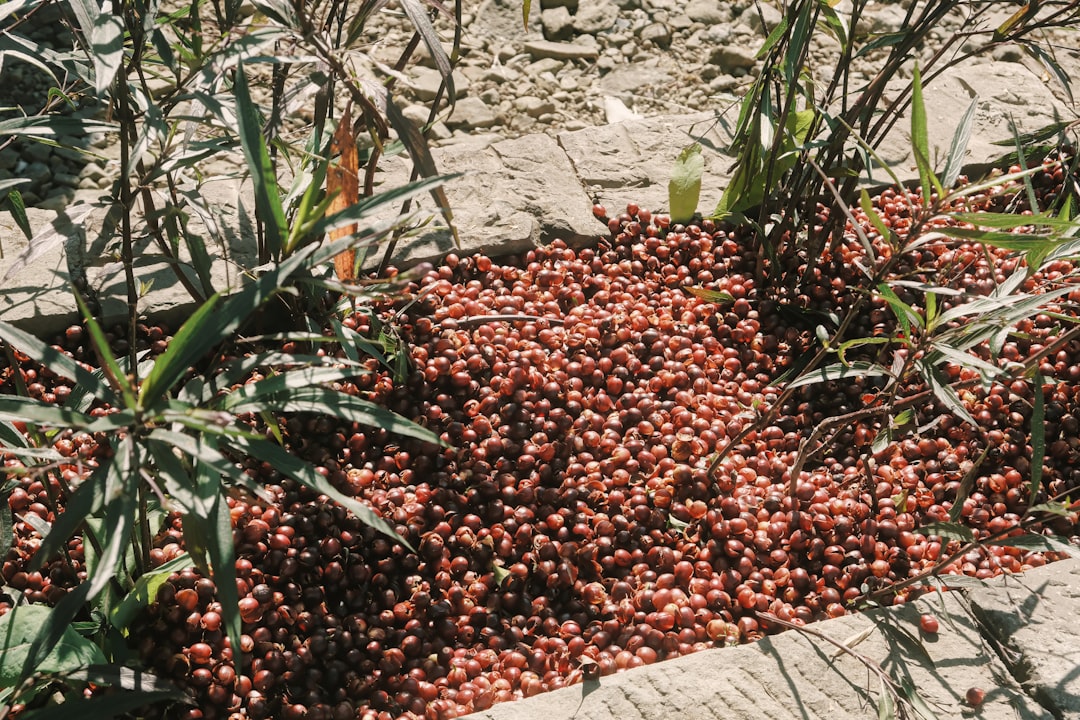
When we delve into the world of organic coffee, we find ourselves exploring a rich tapestry of agricultural practices that prioritize sustainability and health. Organic coffee is cultivated without the use of synthetic fertilizers, pesticides, or herbicides, which means that the beans we enjoy are grown in harmony with nature. This method of farming not only respects the environment but also promotes biodiversity, allowing various plant and animal species to thrive alongside coffee crops.
As we sip our morning brew, we can appreciate that organic coffee is often grown in shaded areas, which helps preserve the natural ecosystem and reduces the need for chemical interventions. Moreover, the journey of organic coffee from farm to cup is a testament to the dedication of farmers who adhere to strict guidelines set forth by organic certification bodies. These farmers often employ traditional methods, such as composting and crop rotation, to maintain soil health and enhance the quality of their coffee beans.
By choosing organic coffee, we are not just indulging in a flavorful beverage; we are also supporting a system that values ethical farming practices and the well-being of both the planet and its inhabitants. This understanding deepens our appreciation for each cup we consume, knowing that it represents a commitment to sustainable agriculture.
Key Takeaways
- Organic coffee is grown without synthetic pesticides or fertilizers, and is often shade-grown and bird-friendly.
- Health benefits of organic coffee include higher antioxidant levels and lower risk of exposure to harmful chemicals.
- Organic coffee production has a lower environmental impact, promoting biodiversity and soil health.
- Potential risks of non-organic coffee include exposure to synthetic pesticides and fertilizers, as well as environmental degradation.
- Organic coffee certification and standards ensure that the coffee meets specific criteria for organic production.
Health Benefits of Organic Coffee
As we explore the health benefits of organic coffee, we discover that it offers more than just a delightful taste. One of the most significant advantages is the absence of harmful chemicals that are often found in conventionally grown coffee. By choosing organic, we reduce our exposure to pesticides and other synthetic substances that can have adverse effects on our health.
Studies have suggested that organic coffee may contain higher levels of antioxidants compared to its non-organic counterparts, which can help combat oxidative stress and reduce inflammation in our bodies.
The careful cultivation methods used in organic farming allow for a more nuanced development of flavors, resulting in a cup that is not only healthier but also more enjoyable.
Furthermore, many organic coffee varieties are grown at higher altitudes, which can contribute to a more complex taste. As we savor each sip, we can take comfort in knowing that we are making a choice that aligns with our health and wellness goals.
Environmental Impact of Organic Coffee
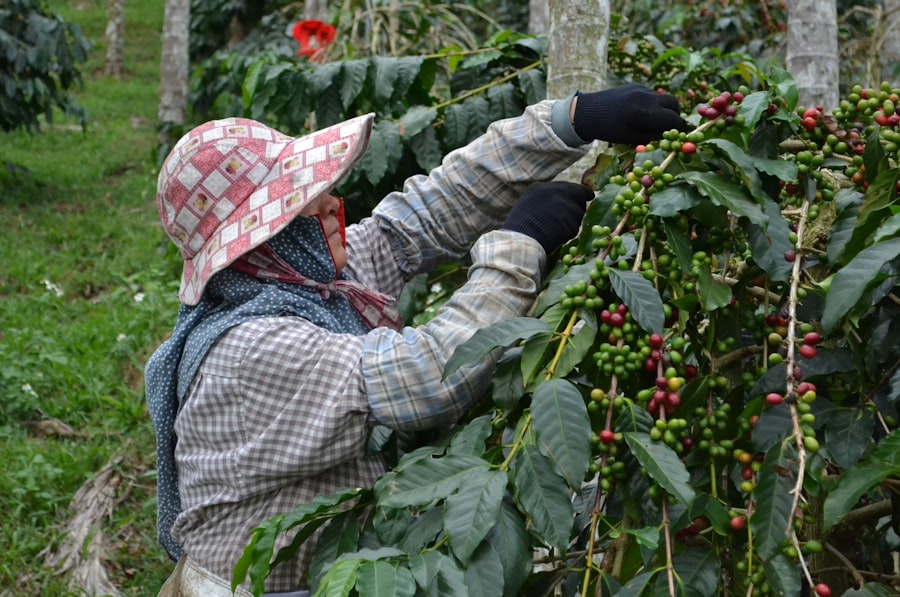
The environmental impact of organic coffee is a crucial aspect that resonates with many of us who are concerned about sustainability. Organic farming practices promote soil health and reduce pollution by avoiding synthetic chemicals that can leach into waterways and harm local ecosystems. By supporting organic coffee production, we contribute to a system that prioritizes ecological balance and minimizes harm to the environment.
This approach not only benefits the land where coffee is grown but also supports the communities that rely on these ecosystems for their livelihoods. Moreover, organic coffee farming often involves agroforestry practices, where coffee plants are grown alongside other crops and trees. This method enhances biodiversity and creates habitats for various species, including birds and insects that play vital roles in pollination and pest control.
As we choose organic coffee, we are participating in a movement that seeks to protect our planet’s resources and promote sustainable agricultural practices. This connection between our choices and their environmental impact empowers us to make informed decisions that align with our values.
Potential Risks of Non-Organic Coffee
When we consider the potential risks associated with non-organic coffee, it becomes clear that our choices matter significantly. Conventional coffee farming often relies heavily on chemical pesticides and fertilizers, which can pose health risks not only to consumers but also to farmers and farmworkers who are exposed to these substances daily. Prolonged exposure to these chemicals has been linked to various health issues, including respiratory problems and even certain cancers.
By opting for organic coffee, we can mitigate these risks and support safer farming practices. Additionally, non-organic coffee production can have detrimental effects on the environment. The use of synthetic chemicals can lead to soil degradation and water contamination, impacting local ecosystems and communities.
As we become more aware of these issues, it is essential for us to recognize the broader implications of our coffee consumption choices. By choosing organic over non-organic, we are not only prioritizing our health but also advocating for a more sustainable future for agriculture and the environment.
Organic Coffee Certification and Standards
Understanding organic coffee certification and standards is vital for us as consumers who want to make informed choices. In many countries, organic certification involves rigorous processes that ensure farms adhere to specific guidelines regarding pesticide use, soil management, and biodiversity conservation. Organizations such as the USDA (United States Department of Agriculture) provide certification for organic products, ensuring that they meet established standards before they reach our shelves.
This certification process gives us confidence that the organic coffee we purchase has been produced sustainably and ethically. Moreover, the standards for organic certification often extend beyond just farming practices; they also encompass processing methods. For instance, organic coffee must be processed without the use of artificial additives or preservatives.
This commitment to purity ensures that when we enjoy a cup of organic coffee, we are savoring a product that aligns with our values regarding health and environmental stewardship. By understanding these certifications and standards, we empower ourselves to make choices that reflect our commitment to quality and sustainability.
Comparing Organic and Non-Organic Coffee
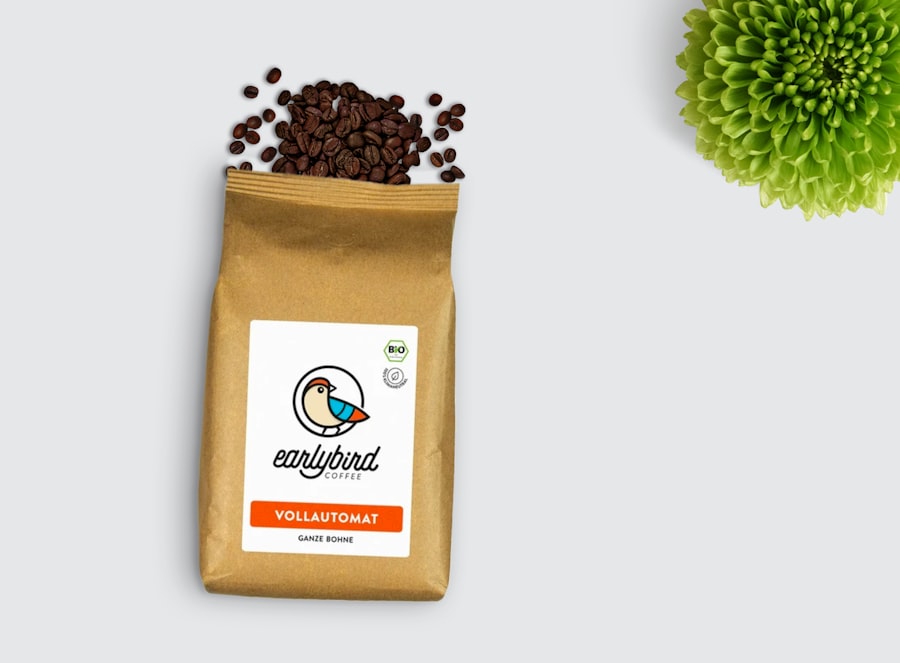
When we compare organic and non-organic coffee, several key differences emerge that influence our purchasing decisions. One of the most apparent distinctions lies in the flavor profile; many coffee enthusiasts argue that organic coffee tends to have a richer and more complex taste due to the natural growing methods employed by farmers. The absence of synthetic fertilizers allows the beans to develop their unique flavors more fully, resulting in a cup that is often more satisfying.
In addition to flavor differences, we must also consider the ethical implications of our choices. Non-organic coffee production can sometimes involve exploitative labor practices and environmental degradation. By choosing organic coffee, we support farmers who prioritize sustainable practices and fair treatment of workers.
This ethical dimension adds another layer to our appreciation for organic coffee; it becomes not just a beverage but a statement about our values as consumers. As we weigh these factors, it becomes increasingly clear that opting for organic coffee aligns with our desire for quality, sustainability, and social responsibility.
Making the Switch to Organic Coffee
Making the switch to organic coffee can be an exciting journey for us as consumers seeking healthier options. The first step is often exploring local roasters or specialty shops that offer a variety of organic blends. Many of these establishments take pride in sourcing their beans from certified organic farms, allowing us to enjoy high-quality coffee while supporting sustainable practices.
As we transition to organic coffee, it’s essential to educate ourselves about different brands and their sourcing practices. Many companies provide transparency about their supply chains and farming methods, which can help us make informed choices about which products align with our values.
Additionally, joining online communities or forums dedicated to coffee enthusiasts can provide valuable insights into new brands or blends worth trying. By embracing this journey towards organic coffee consumption, we not only enhance our own experiences but also contribute positively to the broader movement towards sustainable agriculture.
Is Organic Coffee Better for You?
In conclusion, as we reflect on whether organic coffee is better for us, it becomes evident that this choice encompasses various dimensions—health benefits, environmental impact, ethical considerations, and flavor profiles all play significant roles in our decision-making process. The absence of harmful chemicals in organic coffee not only promotes better health for us as consumers but also supports safer working conditions for farmers. Furthermore, by choosing organic options, we actively participate in protecting our planet’s ecosystems and promoting sustainable agricultural practices.
Ultimately, the decision to switch to organic coffee is deeply personal and influenced by our values and priorities. For many of us, the benefits—both health-related and environmental—far outweigh any potential drawbacks associated with non-organic options. As we continue to explore the world of coffee, let us embrace the opportunity to make choices that reflect our commitment to quality, sustainability, and ethical consumption.
In doing so, we not only enhance our own lives but also contribute positively to the world around us with every cup we enjoy.
FAQs
What is organic coffee?
Organic coffee is grown without the use of synthetic pesticides, herbicides, or fertilizers. It is produced using sustainable farming practices that prioritize the health of the soil, ecosystems, and people.
Is organic coffee better for you?
Organic coffee is often considered better for you because it is grown without the use of synthetic chemicals, which may have harmful effects on human health. Additionally, organic farming practices promote biodiversity and the health of the environment, which can indirectly benefit human health.
Does organic coffee taste better?
Taste preferences are subjective, but some people believe that organic coffee tastes better because it is grown using natural and sustainable methods, which may result in a more flavorful and complex cup of coffee.
Is organic coffee more expensive?
Organic coffee is often more expensive than conventionally grown coffee due to the higher costs associated with organic farming practices, certification, and smaller yields. However, the price difference can vary depending on the brand and specific factors related to production and distribution.
Is organic coffee better for the environment?
Organic coffee is generally considered better for the environment because it is grown using sustainable farming practices that promote biodiversity, protect ecosystems, and minimize the use of synthetic chemicals that can have negative impacts on soil, water, and wildlife.


