

As we embark on our exploration of coffee, we find ourselves captivated by the rich tapestry of flavors, aromas, and cultural significance that this beloved beverage holds. Coffee is not merely a drink; it is a ritual, a social connector, and for many, a daily necessity. Within this vast world of coffee, two primary categories emerge: organic and regular coffee.
While both types share the same fundamental essence, they diverge significantly in their cultivation, processing, and impact on our health and environment. Organic coffee is cultivated without synthetic fertilizers or pesticides, adhering to strict agricultural standards that prioritize sustainability and ecological balance. In contrast, regular coffee often involves conventional farming practices that may utilize chemical inputs to enhance yield and combat pests.
As we delve deeper into these two categories, we will uncover the nuances that differentiate them, allowing us to make informed choices about our coffee consumption.
Key Takeaways
- Organic coffee is grown without synthetic fertilizers or pesticides, while regular coffee may contain these chemicals.
- Organic coffee is typically grown using sustainable and environmentally friendly methods, while regular coffee may contribute to deforestation and soil degradation.
- Organic coffee is often praised for its cleaner and more complex flavor profile, while regular coffee may have a more consistent but less nuanced taste.
- Organic coffee is believed to have health benefits due to the absence of chemical residues, while regular coffee may pose risks from pesticide exposure.
- Organic coffee is generally more expensive and less accessible than regular coffee, but making an informed choice can support sustainable and ethical practices in the coffee industry.
Growing and Production Methods
When we consider the growing and production methods of organic and regular coffee, we quickly realize that these practices are deeply intertwined with the quality of the final product. Organic coffee is typically grown in shaded environments, promoting biodiversity and creating a habitat for various species. This method not only enhances the flavor profile of the beans but also supports the ecosystem in which they thrive.
Farmers who cultivate organic coffee often employ traditional techniques passed down through generations, emphasizing soil health and natural pest control. On the other hand, regular coffee production often relies on monoculture farming practices, where large swathes of land are dedicated to a single crop. This approach can lead to soil degradation and increased vulnerability to pests and diseases.
To counteract these challenges, conventional farmers frequently resort to chemical fertilizers and pesticides, which can boost short-term yields but may compromise long-term sustainability. As we reflect on these contrasting methods, we begin to appreciate how our choices in coffee can influence not only our taste preferences but also the broader agricultural landscape.
Chemical Use and Pesticides
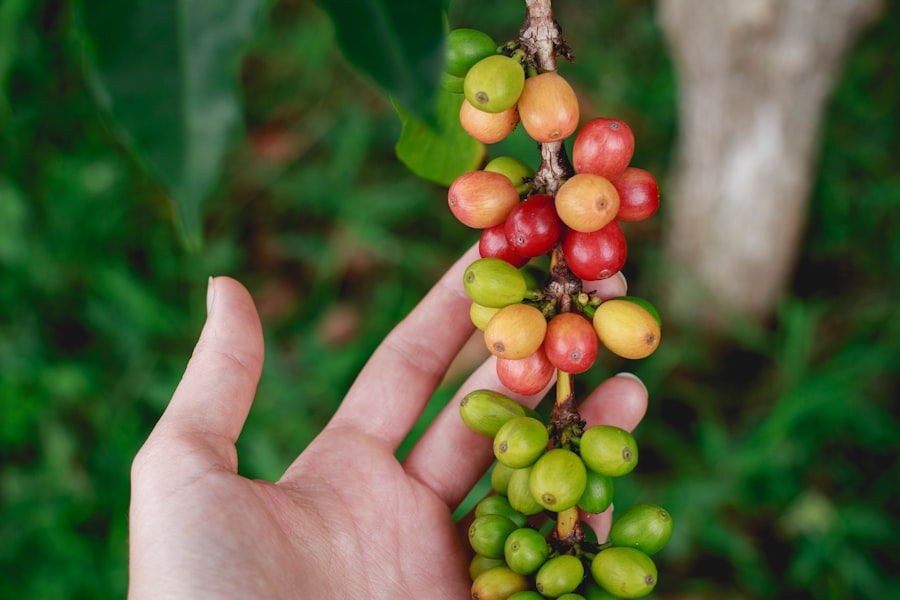
The use of chemicals and pesticides in coffee production is a critical factor that sets organic coffee apart from its regular counterpart. In organic farming, the prohibition of synthetic chemicals means that farmers must rely on natural alternatives to manage pests and diseases. This often involves the use of beneficial insects, crop rotation, and organic composting techniques that enrich the soil without introducing harmful substances.
As we sip our organic brew, we can take comfort in knowing that it has been cultivated with care for both our health and the environment. Conversely, regular coffee production frequently employs a range of chemical inputs to maximize yield and protect crops from pests. While these chemicals can be effective in increasing productivity, they raise concerns about their potential impact on human health and the environment.
Residues from pesticides can linger on coffee beans, leading to questions about safety for consumers. As we navigate our coffee choices, it becomes essential to consider not only the immediate effects of what we consume but also the broader implications of chemical use in agriculture.
Environmental Impact
The environmental impact of coffee production is a pressing issue that resonates with many of us as we become more conscious of our ecological footprint. Organic coffee farming practices tend to promote sustainability by fostering biodiversity and reducing pollution. By avoiding synthetic chemicals, organic farmers contribute to healthier ecosystems, preserving water quality and protecting wildlife habitats.
Additionally, organic farms often implement agroforestry techniques that enhance carbon sequestration, helping to mitigate climate change. In contrast, regular coffee production can have detrimental effects on the environment. The reliance on chemical fertilizers and pesticides can lead to soil degradation and water contamination, posing risks not only to local ecosystems but also to communities living near coffee farms.
Deforestation is another significant concern associated with conventional coffee cultivation, as land is cleared for monoculture plantations.
Taste and Flavor
When it comes to taste and flavor, the differences between organic and regular coffee can be quite pronounced. Many coffee enthusiasts argue that organic coffee tends to offer a more complex flavor profile, often characterized by brighter acidity and richer undertones. This is attributed to the careful cultivation methods employed by organic farmers, who prioritize soil health and biodiversity.
The absence of synthetic chemicals allows the natural flavors of the beans to shine through, resulting in a cup of coffee that is both vibrant and nuanced. On the other hand, regular coffee may sometimes present a more uniform flavor profile due to the standardization of production methods. While there are certainly high-quality regular coffees available, the use of chemicals can mask some of the inherent flavors of the beans.
Additionally, the emphasis on yield over quality in conventional farming practices may lead to a less diverse range of flavors in the final product. As we savor our morning cup, we should consider how our choices in coffee can influence not only our taste experience but also our appreciation for the artistry behind each brew.
Health Benefits and Risks

As we delve into the health benefits and risks associated with organic versus regular coffee, it becomes clear that our choices can have significant implications for our well-being. Organic coffee is often touted for its potential health advantages due to its lower levels of pesticide residues. By choosing organic, we may reduce our exposure to harmful chemicals that have been linked to various health issues.
Furthermore, organic coffee is typically grown in nutrient-rich soils, which can enhance its antioxidant content—beneficial compounds that help combat oxidative stress in our bodies. Conversely, regular coffee may pose certain health risks due to its association with pesticide residues. While regulatory agencies set limits on acceptable levels of these chemicals in food products, concerns remain about their long-term effects on human health.
Additionally, some studies suggest that certain pesticides used in conventional farming may disrupt hormonal balance or contribute to other health issues. As we navigate our coffee choices, it is essential to weigh these potential risks against the benefits of each type.
Price and Accessibility
When considering organic versus regular coffee, price and accessibility are crucial factors that influence our purchasing decisions. Organic coffee often comes with a higher price tag due to the labor-intensive farming practices and certification processes involved in its production. For many consumers, this premium price can be a barrier to entry, making it challenging to incorporate organic options into their daily routines.
However, as demand for organic products continues to rise, we are witnessing an increase in availability across various markets. Many grocery stores now offer a selection of organic coffees at competitive prices, making it easier for us to access these options without breaking the bank. On the other hand, regular coffee remains widely available at various price points, catering to a broad audience with diverse budgets.
As we navigate our choices in this realm, it is essential to consider not only our financial constraints but also our values regarding sustainability and health.
Making an Informed Choice
In conclusion, our journey through the world of organic and regular coffee has illuminated the complexities surrounding this beloved beverage. From growing methods to environmental impact, taste profiles to health considerations, each aspect plays a vital role in shaping our choices as consumers. As we stand at this crossroads, it becomes increasingly important for us to make informed decisions that align with our values and priorities.
Ultimately, whether we choose organic or regular coffee may depend on a variety of factors—personal taste preferences, budget constraints, or a desire for sustainability. By understanding the implications of our choices, we empower ourselves to support practices that resonate with us while enjoying one of life’s simple pleasures: a delicious cup of coffee. As we savor each sip, let us remember that our decisions extend beyond our own enjoyment; they contribute to a larger narrative about agriculture, health, and environmental stewardship that affects us all.
FAQs
What is organic coffee?
Organic coffee is grown without the use of synthetic pesticides, herbicides, or fertilizers. It is produced using sustainable farming practices that focus on soil health and biodiversity.
What is regular coffee?
Regular coffee, also known as conventional coffee, is grown using synthetic pesticides, herbicides, and fertilizers. It may also be produced using unsustainable farming practices that can have negative impacts on the environment.
What are the differences in farming practices between organic and regular coffee?
Organic coffee is grown using natural fertilizers, crop rotation, and biological pest control methods, while regular coffee is grown using synthetic chemicals and may contribute to soil degradation and water pollution.
Are there differences in taste between organic and regular coffee?
Some people believe that organic coffee has a cleaner and more complex flavor profile compared to regular coffee. However, taste preferences are subjective and can vary from person to person.
Are there differences in health benefits between organic and regular coffee?
Organic coffee is often perceived as being healthier because it is grown without synthetic chemicals. However, both organic and regular coffee can have similar health benefits when consumed in moderation.


