
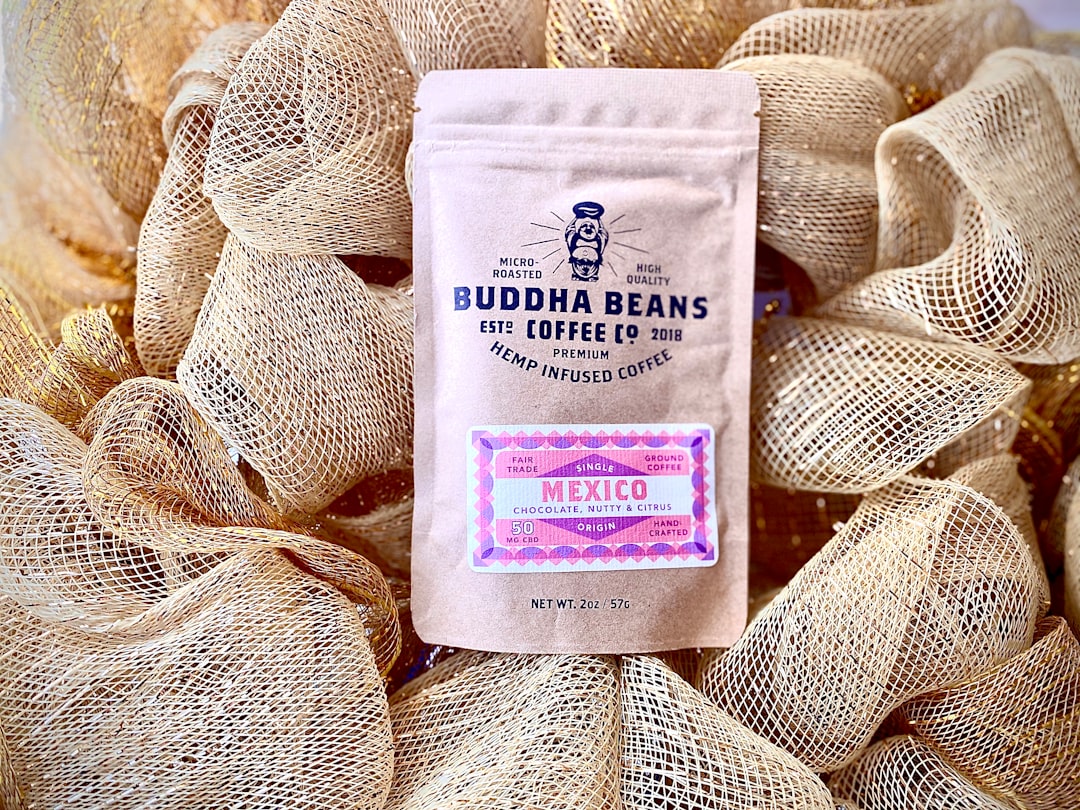
In recent years, the popularity of organic coffee beans has surged, capturing the attention of coffee enthusiasts and health-conscious consumers alike. As we delve into the world of organic coffee, we find ourselves drawn to its promise of purity and sustainability. Organic coffee is cultivated without the use of synthetic fertilizers, pesticides, or herbicides, which not only benefits the environment but also enhances the quality of the beans.
As we explore organic coffee, we also uncover its rich flavors and unique characteristics. The cultivation process often involves shade-grown methods, which can lead to a more complex flavor profile.
This dedication to quality and environmental stewardship makes organic coffee an appealing choice for those of us who appreciate both taste and ethical consumption. With a deeper understanding of what organic coffee beans are, we can better appreciate their role in our daily lives and the potential benefits they may offer, particularly concerning digestive health.
Key Takeaways
- Organic coffee beans are grown without the use of synthetic pesticides, herbicides, or fertilizers, making them a healthier and more environmentally friendly option.
- The main difference between organic and non-organic coffee beans lies in the farming practices, with organic beans being grown in a more sustainable and natural way.
- Organic coffee beans are less likely to cause digestive issues such as acid reflux, indigestion, and heartburn due to their lower acidity and lack of harmful chemicals.
- People with sensitive stomachs may benefit from switching to organic coffee, as it is gentler on the digestive system and may reduce discomfort and irritation.
- Research suggests that organic coffee beans have a lower risk of containing mold and mycotoxins, which can have negative effects on digestive health, making them a safer choice for those with sensitive stomachs.
Differences Between Organic and Non-Organic Coffee Beans
When we compare organic and non-organic coffee beans, several key differences emerge that can significantly impact our coffee experience. One of the most notable distinctions lies in the farming practices employed. Organic coffee is grown in accordance with strict regulations that prohibit the use of synthetic chemicals.
This means that the beans are cultivated in a way that promotes biodiversity and soil health, often resulting in a more vibrant ecosystem. In contrast, non-organic coffee may be treated with various chemicals that can affect not only the environment but also the quality of the final product. Another difference we should consider is the flavor profile of organic versus non-organic coffee.
Many coffee aficionados argue that organic beans tend to have a richer and more nuanced taste. This can be attributed to the natural growing conditions and the absence of chemical fertilizers, which can sometimes mask the true flavors of the beans. As we sip our morning brew, we may find that organic coffee offers a more authentic experience, allowing us to appreciate the unique characteristics of each bean variety.
Impact of Organic Coffee Beans on Digestive Health

As we examine the impact of organic coffee beans on digestive health, we find that their natural cultivation methods may play a significant role in promoting overall well-being. One of the primary concerns with non-organic coffee is the presence of chemical residues that can linger on the beans even after brewing. These residues may irritate our digestive systems, leading to discomfort or adverse reactions.
By choosing organic coffee, we can minimize our exposure to these potentially harmful substances, allowing us to enjoy our favorite beverage without fear of negative side effects. Moreover, organic coffee is often higher in antioxidants compared to its non-organic counterparts. Antioxidants are known for their ability to combat oxidative stress in the body, which can contribute to various health issues, including digestive disorders.
By incorporating organic coffee into our daily routine, we may be providing our bodies with essential nutrients that support digestive health and overall wellness. This connection between organic coffee and digestive benefits is an exciting area for us to explore further.
Potential Benefits of Organic Coffee Beans for Sensitive Stomachs
For those of us with sensitive stomachs, finding a suitable coffee option can be a challenge. The acidity levels in coffee can often lead to discomfort or digestive upset. However, many individuals report that organic coffee tends to be less acidic than non-organic varieties.
This reduced acidity may make it easier for us to enjoy our morning cup without experiencing unpleasant side effects. By opting for organic beans, we may find a more gentle alternative that aligns with our digestive needs. Additionally, organic coffee is often sourced from high-altitude regions where beans are grown slowly and develop a more complex flavor profile.
This slow growth process can contribute to lower acidity levels in the final product. As we savor our organic brew, we might notice a smoother taste that is easier on our stomachs. This aspect makes organic coffee an appealing choice for those of us who have previously struggled with traditional coffee options.
Research and Studies on the Effects of Organic Coffee Beans on Digestive Health
As we seek to understand the relationship between organic coffee beans and digestive health, it is essential to consider existing research and studies on this topic. Some studies suggest that organic coffee may have a more favorable impact on gut health due to its higher antioxidant content and lower levels of harmful chemicals. These findings indicate that choosing organic coffee could be a proactive step toward maintaining a healthy digestive system.
Furthermore, research has shown that certain compounds found in coffee, such as chlorogenic acids, may have protective effects on the gastrointestinal tract.
As we continue to explore this area, it becomes increasingly clear that organic coffee may offer unique benefits for our digestive health that warrant further investigation.
Tips for Choosing and Brewing Organic Coffee for a Sensitive Stomach

When it comes to selecting and brewing organic coffee for sensitive stomachs, there are several tips we can keep in mind to enhance our experience. First and foremost, we should look for brands that prioritize quality and transparency in their sourcing practices. Reading labels and researching companies can help us identify those that adhere to strict organic standards and prioritize sustainable farming methods.
In addition to choosing high-quality beans, we should also pay attention to our brewing methods. Cold brewing is an excellent option for those of us with sensitive stomachs, as it typically results in a less acidic cup of coffee. By steeping coarsely ground beans in cold water for an extended period, we can extract flavors without introducing excessive acidity.
Experimenting with different brewing techniques can help us find the perfect balance that suits our taste preferences while being gentle on our digestive systems.
Other Factors to Consider for Digestive Health and Coffee Consumption
While choosing organic coffee is an important step toward supporting our digestive health, there are other factors we should consider as well. For instance, moderation is key when it comes to caffeine consumption. Excessive caffeine intake can lead to digestive discomfort for some individuals, so being mindful of our daily intake is crucial.
We might find it helpful to limit ourselves to one or two cups per day while paying attention to how our bodies respond. Additionally, pairing our coffee with food can help mitigate any potential digestive issues. Consuming coffee on an empty stomach may exacerbate acidity and discomfort; therefore, enjoying it alongside a balanced meal or snack can provide a buffer for our digestive systems.
By being mindful of how we consume coffee and considering these additional factors, we can create a more enjoyable experience that supports our overall well-being.
Conclusion and Final Thoughts on Organic Coffee Beans and Digestive Health
In conclusion, our exploration of organic coffee beans reveals a wealth of potential benefits for those of us concerned about digestive health. From their natural cultivation methods to their rich flavor profiles, organic beans offer a compelling alternative to non-organic varieties. By choosing organic coffee, we not only support sustainable farming practices but also reduce our exposure to harmful chemicals that could negatively impact our digestive systems.
As we continue to enjoy our daily cups of coffee, let us remain mindful of how our choices affect our health and well-being. By prioritizing organic options and considering factors such as brewing methods and consumption habits, we can create a positive relationship with this beloved beverage while supporting our digestive health. Ultimately, embracing organic coffee allows us to savor each sip with confidence, knowing that we are making choices that align with both our taste preferences and our commitment to wellness.
FAQs
What are organic coffee beans?
Organic coffee beans are grown without the use of synthetic pesticides, herbicides, or fertilizers. They are produced using sustainable farming practices that promote soil health and biodiversity.
Are organic coffee beans easier on the stomach?
Some people find that organic coffee beans are easier on the stomach compared to conventionally grown coffee beans. This is because organic coffee is less likely to contain residues of synthetic chemicals that can irritate the stomach.
Do organic coffee beans have less acidity?
Organic coffee beans may have slightly less acidity compared to conventionally grown coffee beans. This is because organic farming practices often result in coffee plants with a healthier and more balanced pH level, which can lead to a smoother and less acidic cup of coffee.
Are there any studies supporting the claim that organic coffee beans are easier on the stomach?
While there is anecdotal evidence suggesting that organic coffee beans may be easier on the stomach, there is limited scientific research specifically addressing this claim. More studies are needed to fully understand the potential benefits of organic coffee for digestive health.
What other factors can affect the stomach-friendliness of coffee?
In addition to the type of coffee beans, factors such as roast level, brewing method, and individual sensitivity to caffeine and acids can also impact how coffee affects the stomach. It’s important to consider these factors in addition to choosing organic coffee beans for a gentler coffee experience.


