
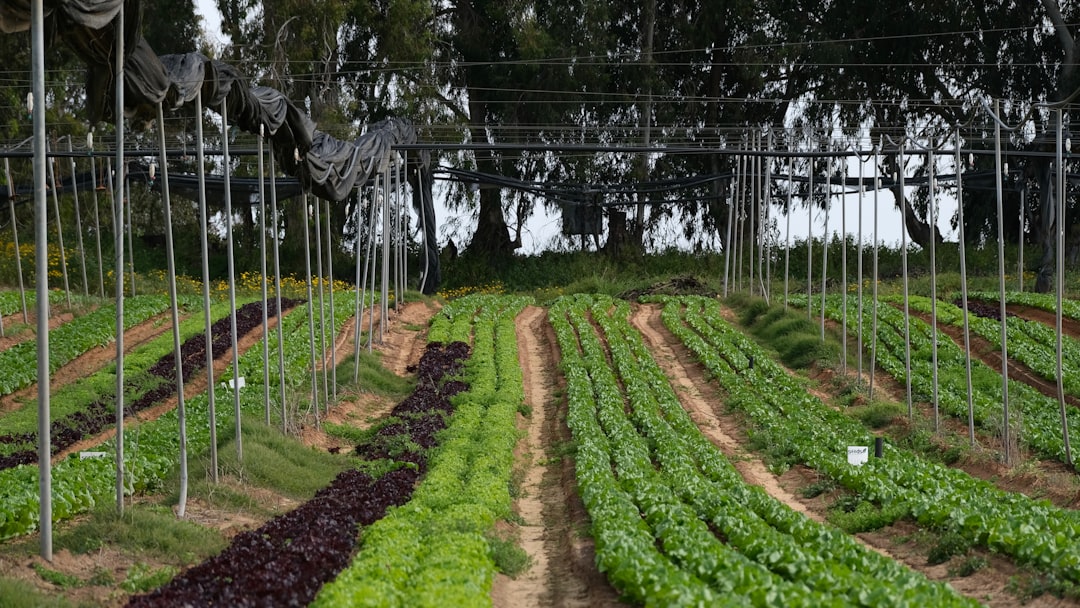
As we delve into the myriad advantages of sustainable practices, the environmental benefits stand out prominently. By adopting eco-friendly methods, we can significantly reduce our carbon footprint and mitigate the effects of climate change. Sustainable farming techniques, such as crop rotation and organic farming, help maintain soil health and reduce the need for synthetic fertilizers and pesticides.
This not only preserves the integrity of our ecosystems but also contributes to cleaner air and water. When we prioritize sustainability, we are actively participating in the fight against environmental degradation, ensuring that future generations inherit a planet that is not only livable but thriving. Moreover, sustainable practices promote biodiversity, which is crucial for maintaining balanced ecosystems.
By fostering a variety of plant and animal species, we create resilient environments that can better withstand climate fluctuations and disease outbreaks. When we engage in practices like agroforestry or permaculture, we enhance the natural habitats for wildlife, allowing them to flourish alongside our agricultural endeavors. This symbiotic relationship between farming and nature is essential for creating a sustainable future where both humans and wildlife can coexist harmoniously.
Key Takeaways
- Organic farming reduces soil and water pollution, conserves water, and promotes biodiversity, leading to significant environmental benefits.
- Consuming organic food reduces the risk of exposure to harmful chemicals and pesticides, leading to improved overall health and well-being.
- Organic farming can lead to economic benefits for farmers through reduced input costs, premium prices for organic products, and improved soil fertility.
- Organic farming practices support biodiversity conservation by providing habitats for a variety of plant and animal species.
- Organic farming promotes soil fertility and health through the use of natural fertilizers and crop rotation, leading to sustainable agricultural practices.
Health Benefits
The health benefits of sustainable practices extend far beyond the immediate effects on our physical well-being. By choosing organic and locally sourced foods, we are not only consuming products free from harmful chemicals but also supporting a healthier lifestyle. These foods are often richer in nutrients, as they are grown in healthier soils without the use of synthetic fertilizers.
Additionally, sustainable farming practices contribute to mental well-being. Engaging with nature has been shown to reduce stress and anxiety levels, fostering a sense of peace and connection to the environment.
When we support local farms and participate in community-supported agriculture (CSA) programs, we cultivate a sense of community and belonging. This connection to our food sources not only enhances our appreciation for what we eat but also encourages healthier eating habits, as we become more aware of the origins of our food.
Economic Benefits
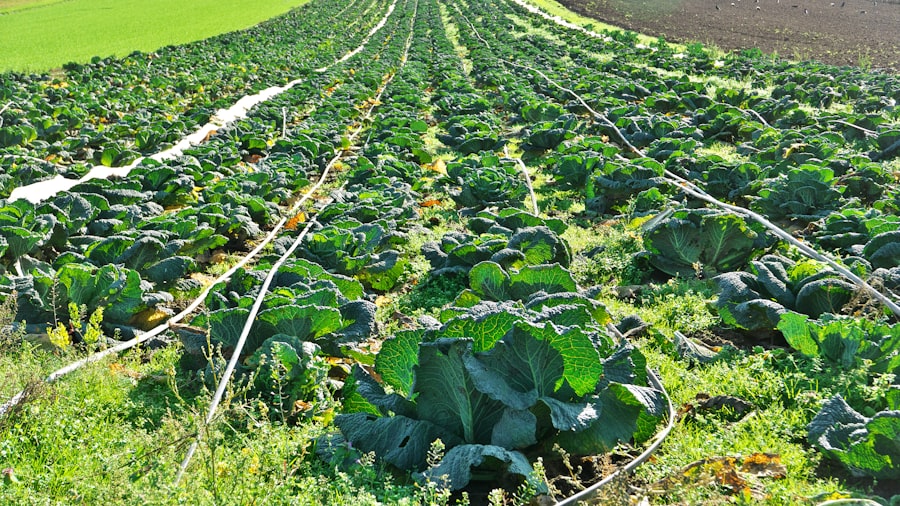
The economic benefits of sustainable practices are multifaceted and far-reaching. By investing in local agriculture, we stimulate our local economies and create jobs within our communities. Sustainable farming often requires more labor-intensive methods, which can lead to increased employment opportunities.
When we support local farmers, we are not just purchasing food; we are investing in our community’s economic resilience and sustainability. Furthermore, sustainable practices can lead to long-term cost savings for farmers. By reducing reliance on expensive chemical inputs and focusing on natural methods of pest control and soil enrichment, farmers can lower their operational costs.
As we embrace sustainable practices, we contribute to a more robust economy that prioritizes long-term health over short-term gains.
Biodiversity Conservation
Biodiversity conservation is a critical aspect of sustainable practices that cannot be overlooked. When we engage in sustainable farming, we actively contribute to preserving various species of plants and animals that are essential for ecosystem balance. Diverse agricultural systems are more resilient to pests and diseases, reducing the need for chemical interventions that can harm non-target species.
By promoting polyculture and intercropping, we create habitats that support a wide range of organisms, from beneficial insects to birds. In addition to enhancing ecosystem resilience, biodiversity conservation plays a vital role in food security. A diverse range of crops ensures that we are less vulnerable to crop failures caused by climate change or disease outbreaks.
When we support biodiversity in agriculture, we are safeguarding our food systems against potential crises. This holistic approach not only benefits us today but also secures resources for future generations, ensuring that they have access to a wide variety of nutritious foods.
Soil Fertility and Health
The health of our soils is foundational to sustainable agriculture, and it is an area where we can make significant strides through conscious practices. Healthy soils are teeming with life; they contain microorganisms that break down organic matter and release essential nutrients for plants. By implementing practices such as cover cropping and reduced tillage, we can enhance soil fertility while preventing erosion and degradation.
When we prioritize soil health, we create a thriving environment for crops to flourish. Moreover, healthy soils contribute to carbon sequestration, which is crucial in combating climate change. As organic matter decomposes in the soil, it captures carbon dioxide from the atmosphere, helping to mitigate greenhouse gas emissions.
By focusing on building healthy soils through sustainable practices, we are not only improving agricultural productivity but also playing an active role in addressing one of the most pressing challenges of our time.
Reduced Chemical Exposure
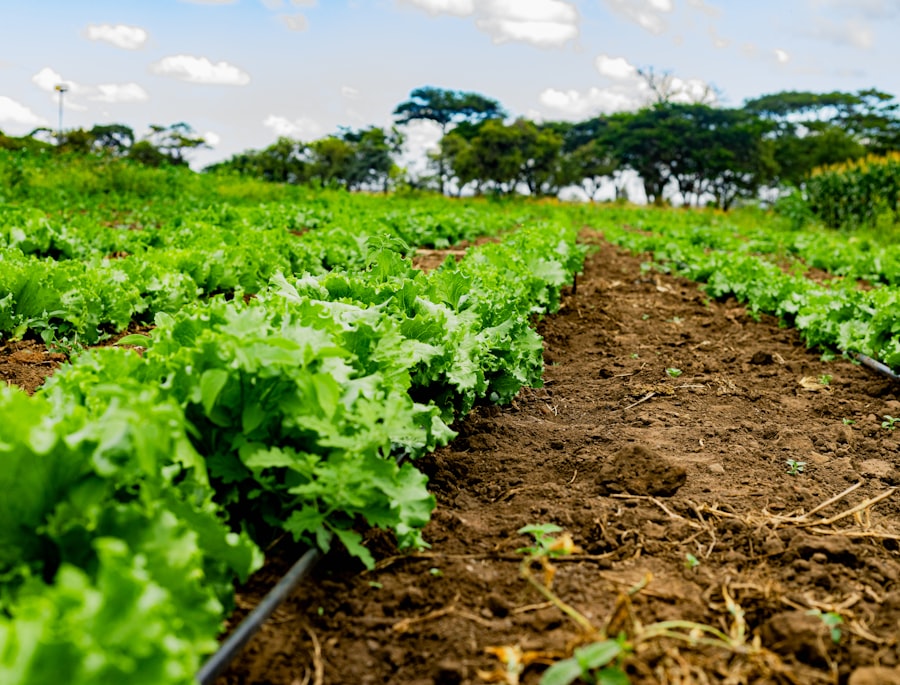
One of the most compelling reasons to embrace sustainable practices is the significant reduction in chemical exposure for both farmers and consumers. Conventional farming often relies heavily on synthetic pesticides and fertilizers that can have detrimental effects on human health and the environment. By choosing organic methods or supporting farms that prioritize sustainability, we minimize our exposure to these harmful substances.
This shift not only protects our health but also safeguards the well-being of farmworkers who are often at risk due to prolonged exposure to chemicals. Additionally, reducing chemical inputs contributes to cleaner water systems. Runoff from conventional farms can contaminate nearby waterways with harmful substances, leading to ecological imbalances and health risks for communities relying on these water sources.
By adopting sustainable practices that prioritize natural pest management and soil health, we can protect our water resources and ensure that they remain safe for both human consumption and aquatic life.
Sustainable Farming Practices
Sustainable farming practices encompass a wide range of techniques designed to promote environmental stewardship while ensuring economic viability for farmers. These methods include crop rotation, agroecology, permaculture, and integrated pest management, all aimed at creating a balanced agricultural system that works in harmony with nature. When we embrace these practices, we foster resilience within our food systems, allowing them to adapt to changing environmental conditions.
Moreover, sustainable farming practices encourage innovation and creativity among farmers. As they seek new ways to enhance productivity while minimizing environmental impact, they often discover novel solutions that benefit both their operations and the ecosystem at large. This spirit of innovation not only leads to improved agricultural outcomes but also inspires others within the community to adopt similar practices, creating a ripple effect that amplifies the positive impact on our environment.
Support for Local Communities
Supporting local communities is an integral aspect of sustainable practices that extends beyond mere economic transactions. When we choose to buy from local farmers or participate in community-supported agriculture (CSA) programs, we strengthen the social fabric of our communities. These connections foster relationships built on trust and mutual support, creating a sense of belonging that enriches our lives.
Furthermore, local food systems contribute to food sovereignty by empowering communities to take control of their food sources. By prioritizing local agriculture, we reduce dependence on industrial food systems that often prioritize profit over people and the planet. This shift not only enhances food security but also promotes cultural diversity as communities celebrate their unique culinary traditions rooted in locally grown produce.
In this way, supporting local communities through sustainable practices becomes a powerful means of fostering resilience and self-sufficiency in an ever-changing world. In conclusion, the benefits of embracing sustainable practices are vast and interconnected. From environmental preservation to health improvements, economic growth to biodiversity conservation, each aspect reinforces the others in a holistic approach to agriculture and community well-being.
As we move forward together, let us commit to supporting these practices that not only enhance our lives today but also ensure a thriving planet for generations to come.
FAQs
What is organic agriculture?
Organic agriculture is a farming method that relies on natural processes and materials, such as compost, crop rotation, and biological pest control, to maintain soil fertility and control pests.
What are the benefits of organic agriculture?
Organic agriculture promotes environmental sustainability by reducing the use of synthetic pesticides and fertilizers, conserving water, and promoting biodiversity. It also produces food with higher nutritional value and supports the well-being of farm workers.
How does organic agriculture contribute to environmental sustainability?
Organic agriculture promotes soil health and fertility through practices such as crop rotation, composting, and the use of natural fertilizers. It also reduces the contamination of soil, water, and air by avoiding the use of synthetic pesticides and fertilizers.
What are the challenges of organic agriculture?
Challenges of organic agriculture include higher production costs, lower yields in the short term, and the need for specialized knowledge and skills. Additionally, organic farmers may face difficulties in accessing markets and obtaining certification.
How does organic agriculture benefit human health?
Organic agriculture reduces exposure to synthetic pesticides and fertilizers, which have been linked to health issues such as cancer, hormone disruption, and respiratory problems. Organic food also tends to have higher levels of beneficial nutrients such as antioxidants and omega-3 fatty acids.


