

When we think about organic coffee, we envision a product that is cultivated without the use of synthetic fertilizers, pesticides, or herbicides. This definition extends beyond mere agricultural practices; it embodies a philosophy that prioritizes environmental sustainability and the health of both consumers and farmers. Organic coffee is grown in harmony with nature, often utilizing methods that promote biodiversity and soil health.
The beans are typically harvested from farms that adhere to strict organic standards, ensuring that every cup we enjoy is not only delicious but also produced in a way that respects the planet. Moreover, organic coffee is often associated with specific growing methods, such as shade-grown cultivation. This technique allows coffee plants to thrive under the canopy of trees, which not only protects the plants from harsh sunlight but also fosters a diverse ecosystem.
By choosing organic coffee, we are not just selecting a beverage; we are making a conscious choice to support agricultural practices that are kinder to the earth. This commitment to organic farming reflects a growing awareness of the impact our consumption choices have on the environment and the communities involved in coffee production.
Key Takeaways
- Organic coffee is grown without the use of synthetic pesticides, herbicides, or fertilizers, and is often shade-grown and bird-friendly.
- Organic certification ensures that coffee is produced using sustainable and environmentally friendly practices, benefiting both the environment and the farmers.
- Organic coffee farming practices can vary, including shade-grown, sun-grown, and bird-friendly methods, each with its own environmental impact.
- Different growing regions can impact the flavor profile of organic coffee, with factors such as altitude, climate, and soil contributing to unique taste characteristics.
- Roasting plays a crucial role in the development of organic coffee’s flavor, with different roasting levels and techniques influencing the final taste and quality of the coffee.
The Importance of Organic Certification
Organic certification serves as a crucial benchmark for consumers seeking assurance about the integrity of their coffee. This certification process involves rigorous standards set by various organizations, which ensure that the coffee has been grown and processed without harmful chemicals. When we see an organic label on our coffee, it signifies that the product has undergone thorough inspections and meets specific criteria established by certifying bodies.
This transparency is vital in building trust between consumers and producers, as it guarantees that we are supporting sustainable practices. Additionally, organic certification can have significant economic implications for farmers. By obtaining this certification, they often gain access to premium markets where consumers are willing to pay more for ethically produced goods.
This financial incentive encourages farmers to invest in sustainable practices and can lead to improved livelihoods for their families and communities. As we choose certified organic coffee, we are not only enjoying a superior product but also contributing to a system that values ethical farming and fair compensation for growers.
Variations in Organic Coffee Farming Practices

While the core principles of organic coffee farming remain consistent, there is considerable variation in practices across different regions and farms. Some farmers may employ traditional methods passed down through generations, while others might integrate modern techniques that align with organic standards. For instance, some farms utilize composting and natural pest control methods, while others may focus on crop rotation and intercropping to enhance soil fertility and reduce pests naturally.
These diverse approaches reflect the adaptability of organic farming to local conditions and cultural practices. Furthermore, the scale of farming operations can influence organic practices. Smallholder farms often emphasize community involvement and sustainable methods tailored to their specific environments.
In contrast, larger operations may adopt more standardized practices to meet certification requirements while still striving for sustainability. Regardless of size, each farm contributes uniquely to the organic coffee landscape, showcasing the rich tapestry of methods that define this sector. As we explore different brands and origins of organic coffee, we can appreciate the variety of farming practices that shape the flavors and characteristics of our favorite brews.
The Impact of Different Growing Regions
The geographical location where coffee is grown plays a significant role in determining its flavor profile and overall quality. Different regions offer unique climates, altitudes, and soil types that contribute to the distinct characteristics of organic coffee. For instance, coffees grown in high-altitude regions tend to develop more complex flavors due to slower maturation processes, while those cultivated in lower altitudes may exhibit bolder, more robust profiles.
As we savor our cups of organic coffee, we can appreciate how these regional differences influence our tasting experience. Moreover, the cultural context of each growing region adds another layer of complexity to organic coffee production. In some areas, traditional farming practices are deeply intertwined with local customs and community life.
This connection can enhance the quality of the coffee while fostering a sense of pride among farmers.
Understanding these regional influences allows us to appreciate the artistry behind organic coffee cultivation.
The Role of Roasting in Organic Coffee
Roasting is a critical step in transforming green coffee beans into the aromatic beverage we love. The roasting process significantly impacts the flavor profile of organic coffee, as it brings out the natural oils and compounds within the beans. Different roasting techniques can highlight various flavor notes, from fruity and floral to nutty and chocolatey.
Additionally, the choice of roast level—light, medium, or dark—can further influence our tasting experience. Light roasts tend to preserve more of the bean’s original flavors, allowing us to appreciate the unique characteristics imparted by its growing region.
On the other hand, dark roasts often produce a bolder taste with pronounced caramelization and smokiness. As we experiment with different roast levels, we can discover our personal preferences while gaining a deeper understanding of how roasting techniques shape our enjoyment of organic coffee.
The Influence of Fair Trade and Sustainability
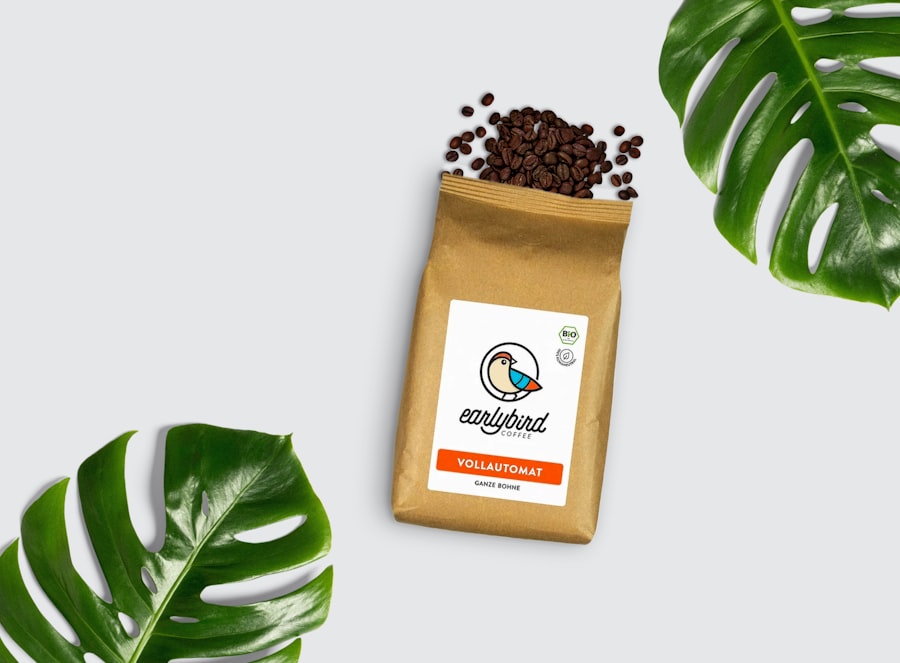
The concepts of fair trade and sustainability are closely intertwined with organic coffee production. Fair trade certification ensures that farmers receive fair compensation for their labor while promoting ethical trading practices. This model empowers growers by providing them with better access to markets and resources necessary for sustainable farming.
When we choose fair trade organic coffee, we are supporting a system that values social equity alongside environmental stewardship. Sustainability extends beyond fair trade principles; it encompasses a holistic approach to farming that considers ecological balance and community well-being. Many organic coffee producers implement sustainable practices such as water conservation, reforestation efforts, and biodiversity preservation.
By supporting these initiatives through our purchasing choices, we contribute to a more sustainable future for both coffee farmers and the environment. As we sip our organic coffee, we can take pride in knowing that our choices have a positive impact on global communities.
Differentiating Organic Coffee Brands
With an increasing number of brands entering the organic coffee market, it can be challenging to differentiate between them. Each brand may have its unique story, sourcing practices, and roasting techniques that set it apart from competitors. Some brands emphasize direct trade relationships with farmers, ensuring transparency and fair compensation throughout the supply chain.
Others may focus on specific growing regions or unique processing methods that enhance flavor profiles. As consumers, we have the opportunity to explore these differences by researching brands and their commitments to sustainability and ethical practices. Many companies provide detailed information about their sourcing methods and partnerships with farmers on their websites or packaging.
By taking the time to understand what each brand stands for, we can make informed choices that align with our values while enjoying high-quality organic coffee.
The Taste and Quality of Organic Coffee
Ultimately, our experience with organic coffee culminates in its taste and quality. Many enthusiasts argue that organic coffee offers superior flavor due to its cultivation methods and lack of chemical interference during growth. The careful attention given to soil health and biodiversity often results in beans that are rich in flavor complexity and aroma.
As we explore various organic coffees from different regions and brands, we can appreciate how these factors contribute to an exceptional tasting experience. Moreover, quality control measures play a vital role in ensuring that only the best beans make it into our cups. Many organic coffee producers prioritize meticulous harvesting and processing techniques to maintain high standards throughout production.
This commitment to quality not only enhances our enjoyment but also reinforces the importance of supporting sustainable practices within the industry. As we savor each sip of organic coffee, we celebrate not just its taste but also the dedication behind its production—a true testament to the art of coffee cultivation.
FAQs
What is organic coffee?
Organic coffee is grown without the use of synthetic pesticides, herbicides, or fertilizers. It is produced using sustainable farming practices that promote the health of the soil and surrounding ecosystems.
Is all organic coffee the same?
No, not all organic coffee is the same. Different organic coffee producers may use different farming practices, have varying levels of commitment to sustainability, and produce coffee of differing quality.
How can I tell if a coffee is truly organic?
Look for certifications from reputable organizations such as the USDA Organic, Fair Trade, or Rainforest Alliance. These certifications ensure that the coffee has been produced according to specific organic and sustainable standards.
What are the benefits of choosing organic coffee?
Choosing organic coffee supports sustainable farming practices, reduces the use of harmful chemicals, and promotes the health of the environment and farm workers. Additionally, organic coffee is often of higher quality and may have better flavor profiles.
Are there different types of organic coffee certifications?
Yes, there are different types of organic coffee certifications, including USDA Organic, Fair Trade, and Rainforest Alliance. Each certification has its own set of standards and criteria for organic and sustainable coffee production.


