
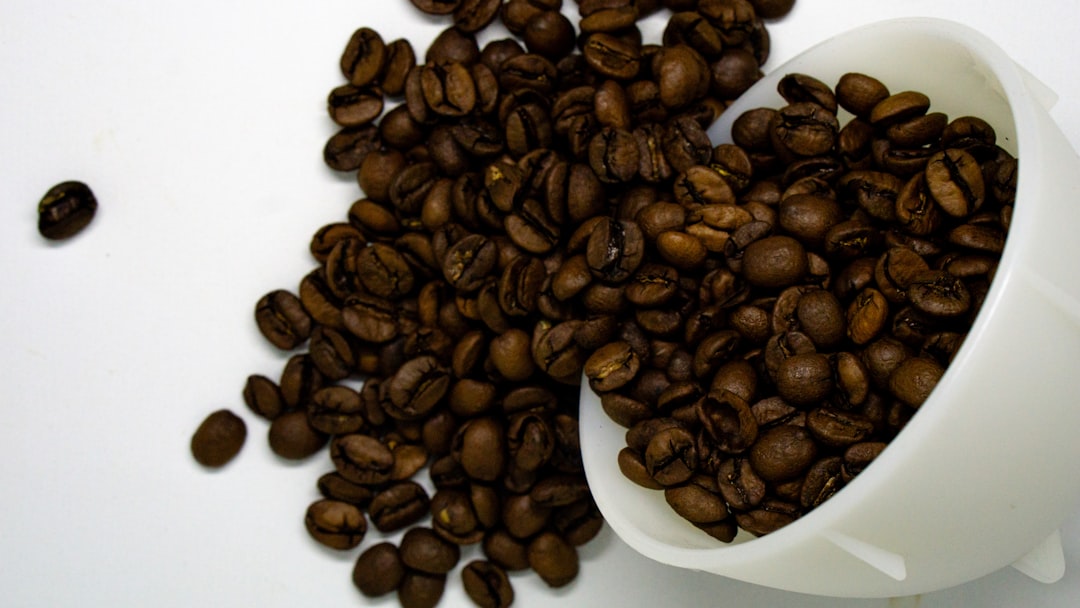
Coffee is more than just a beverage; it is a ritual, a source of comfort, and for many of us, an essential part of our daily routine. As we embark on our journey through the world of coffee, we find ourselves faced with a myriad of brewing methods, each offering its unique flavor profile and experience. From the simplicity of drip coffee makers to the artisanal approach of pour-over techniques, the way we brew our coffee can significantly influence not only its taste but also its health benefits.
Understanding these methods allows us to appreciate the nuances of our favorite drink and make informed choices that align with our preferences and lifestyle. As we explore the various brewing methods, we discover that each technique has its own set of characteristics that can enhance or alter the coffee’s flavor and aroma. For instance, some methods emphasize the natural oils in coffee beans, while others may produce a cleaner cup with less body.
The choice of brewing method can also affect the extraction process, influencing the caffeine content and overall health benefits of our coffee. By delving into these differences, we can better appreciate the art and science behind brewing the perfect cup of coffee.
Key Takeaways
- There are various methods for brewing coffee, each with its own unique flavor and characteristics.
- Coffee has been linked to several health benefits, including improved cognitive function and reduced risk of certain diseases.
- Drip coffee and French press are two popular brewing methods, each with its own pros and cons in terms of flavor and health considerations.
- Espresso and cold brew are two distinct coffee brewing methods, with espresso being more concentrated and cold brew being smoother and less acidic.
- When choosing a coffee brewing method, it’s important to consider health factors such as caffeine content and the impact of additives like sugar and cream.
Health Benefits of Coffee
The health benefits of coffee have been a topic of extensive research and discussion over the years. For many of us, coffee serves as a source of energy and alertness, thanks to its caffeine content. Studies have shown that moderate coffee consumption can enhance cognitive function, improve mood, and even reduce the risk of certain diseases.
Antioxidants found in coffee are believed to play a significant role in these health benefits, helping to combat oxidative stress and inflammation in our bodies. Moreover, recent research has suggested that regular coffee drinkers may have a lower risk of developing conditions such as Parkinson’s disease, type 2 diabetes, and certain types of cancer. These findings encourage us to view our daily cup of coffee not just as a pick-me-up but as a potential contributor to our overall well-being.
However, it is essential to remember that moderation is key; excessive consumption can lead to negative side effects such as anxiety and insomnia. By understanding the health benefits associated with coffee, we can make more informed choices about our consumption habits.
When it comes to brewing methods, drip coffee and French press are two popular choices that cater to different preferences. Drip coffee makers are known for their convenience and consistency. With just the push of a button, we can enjoy a pot of freshly brewed coffee in minutes.
This method typically produces a lighter-bodied cup with a clean taste, making it an excellent option for those who prefer a milder flavor profile. The automatic nature of drip coffee machines also allows us to set timers and brew coffee in advance, fitting seamlessly into our busy lifestyles. On the other hand, French press brewing offers a more hands-on approach that many coffee enthusiasts cherish.
This method involves steeping coarsely ground coffee in hot water for several minutes before pressing down a plunger to separate the grounds from the liquid. The result is a rich, full-bodied cup that retains more of the coffee’s natural oils and flavors. For those of us who appreciate a bolder taste and a more immersive brewing experience, the French press can be an ideal choice.
Ultimately, our preference between drip coffee and French press may come down to convenience versus flavor intensity.
Espresso and cold brew represent two distinct approaches to coffee preparation, each with its unique characteristics and appeal. Espresso is known for its concentrated flavor and rich crema, resulting from forcing hot water through finely-ground coffee under high pressure. This method produces a small but potent shot of coffee that serves as the foundation for various beverages like lattes and cappuccinos.
For those of us who enjoy a strong caffeine kick and complex flavors, espresso can be an exhilarating choice. In contrast, cold brew offers a refreshing alternative, especially during warmer months. This method involves steeping coarsely ground coffee in cold water for an extended period, typically 12 to 24 hours.
The result is a smooth, less acidic beverage that many find easier on the stomach. Cold brew’s mellow flavor profile makes it an excellent option for those who prefer a less intense coffee experience or enjoy their drinks iced. As we weigh the merits of espresso versus cold brew, we may find ourselves drawn to one or the other depending on our mood or the time of year.
Health Considerations for Coffee Brewing Methods
While enjoying our favorite brewing methods, it is crucial to consider how they may impact our health.
For instance, methods that involve longer extraction times, such as French press or cold brew, may result in higher levels of certain compounds like cafestol and kahweol, which have been linked to cholesterol levels.
Understanding these nuances allows us to make choices that align with our health goals. Additionally, the quality of water used in brewing can significantly affect the final product. Hard water or water with high mineral content can alter the taste and extraction process, potentially leading to undesirable flavors in our cup.
We should also be mindful of how we store our coffee beans; exposure to air, light, and moisture can degrade their quality over time. By paying attention to these factors, we can ensure that we are not only enjoying delicious coffee but also making choices that support our overall health.
Comparing Caffeine Content
Caffeine content is another critical aspect to consider when exploring different brewing methods. The amount of caffeine in our cup can vary significantly based on factors such as the type of beans used, grind size, brewing time, and method employed. For example, espresso is often perceived as having higher caffeine content due to its concentrated nature; however, when comparing serving sizes, an 8-ounce cup of drip coffee typically contains more caffeine than a single shot of espresso.
Cold brew also tends to have higher caffeine levels than traditional brewed coffee due to its longer steeping time and higher coffee-to-water ratio. This makes it an appealing option for those seeking an extra boost without the acidity often associated with hot brewed coffee. As we navigate our caffeine consumption, understanding these differences can help us choose the right brewing method based on our desired caffeine intake and personal tolerance levels.
Impact of Additives on Health
The way we choose to enhance our coffee can also have significant implications for our health. Many of us enjoy adding milk, creamers, sugar, or flavored syrups to our cups, which can transform the taste but also alter its nutritional profile. While these additives can enhance flavor and texture, they may also contribute additional calories and sugars that could impact our overall health if consumed excessively.
For those looking to maintain a healthier lifestyle while still enjoying their daily cup of joe, exploring alternatives such as plant-based milk or natural sweeteners can be beneficial. Additionally, experimenting with spices like cinnamon or nutmeg can add flavor without compromising health goals. By being mindful of what we add to our coffee, we can enjoy our favorite beverage while still prioritizing our well-being.
Choosing the Healthiest Coffee Brewing Method
In conclusion, choosing the healthiest coffee brewing method involves considering various factors such as flavor preferences, health benefits, caffeine content, and potential additives. Each brewing technique offers unique advantages and drawbacks that cater to different tastes and lifestyles. Whether we gravitate towards the convenience of drip coffee or the rich experience of French press brewing, understanding how these methods impact our health allows us to make informed decisions.
Ultimately, there is no one-size-fits-all answer when it comes to selecting the healthiest brewing method; it depends on our individual preferences and health goals. By exploring different techniques and being mindful of how we enhance our coffee experience, we can savor each cup while supporting our overall well-being.
FAQs
What are the health benefits of drinking coffee?
Coffee has been linked to several health benefits, including improved cognitive function, increased energy levels, and a reduced risk of certain diseases such as Parkinson’s disease, type 2 diabetes, and certain types of cancer.
What are the potential health risks of drinking coffee?
Excessive consumption of coffee can lead to negative health effects such as increased heart rate, anxiety, insomnia, and digestive issues. It can also exacerbate symptoms in individuals with certain health conditions such as acid reflux and high blood pressure.
Which coffee brewing method is the healthiest?
There is no definitive answer to which coffee brewing method is the healthiest, as it largely depends on individual preferences and health considerations. However, methods that use paper filters, such as drip coffee and pour-over, may be preferable for those concerned about cholesterol levels, as they filter out cafestol, a compound found in coffee that can raise cholesterol levels.
Is it safe to drink coffee every day?
For most people, moderate coffee consumption (about 3-4 cups per day) is considered safe and may even have health benefits. However, individuals with certain health conditions or sensitivities to caffeine should consult with a healthcare professional to determine their optimal intake.
Does the type of coffee bean affect the healthiness of the coffee?
The type of coffee bean used can impact the flavor and aroma of the coffee, but it does not significantly affect the overall healthiness of the beverage. The health benefits and risks associated with coffee are primarily related to its caffeine and antioxidant content, which are present in all types of coffee beans.


