

When we think about coffee, the first thing that often comes to mind is the rich aroma and the invigorating taste that awakens our senses. However, the quality of the coffee beans plays a pivotal role in determining the overall experience we have with this beloved beverage. High-quality coffee beans are typically grown in specific regions known for their ideal climate and soil conditions, which contribute to the unique flavor profiles that coffee enthusiasts cherish.
The elevation at which the beans are cultivated, the variety of the coffee plant, and the meticulous harvesting process all influence the final product. We understand that beans sourced from high-altitude regions often exhibit a more complex flavor, with bright acidity and nuanced notes that can range from fruity to chocolaty. Moreover, the processing methods employed after harvesting significantly impact the quality of the beans.
We recognize that there are various techniques, such as washed, natural, and honey processing, each imparting distinct characteristics to the coffee. For instance, washed coffees tend to have a cleaner taste, while natural coffees can be more fruity and full-bodied. As consumers, we are increasingly aware of these nuances and often seek out specialty coffees that highlight the unique qualities of their origin.
This growing appreciation for high-quality beans has led to a surge in demand for artisanal and single-origin coffees, further emphasizing the importance of quality in our coffee choices.
Key Takeaways
- Quality of the coffee beans:
- The quality of the coffee beans is crucial for producing a superior cup of coffee.
- Factors such as altitude, soil, and climate all contribute to the flavor profile of the beans.
- Labor-intensive farming methods:
- Coffee farming is labor-intensive, requiring meticulous care and attention to detail.
- Hand-picking and processing of the coffee cherries contribute to the high labor intensity of coffee farming.
- Certification and regulations:
- Certification and regulations ensure that coffee is produced in an ethical and sustainable manner.
- Fair trade and organic certifications are important for ensuring that farmers receive fair compensation and that the environment is protected.
- Limited supply and higher demand:
- The limited supply of high-quality coffee beans, coupled with increasing global demand, contributes to the higher prices of specialty coffee.
- Fair trade and sustainable practices:
- Fair trade practices ensure that farmers receive fair compensation for their labor and that environmental sustainability is prioritized.
- Sustainable farming practices help to preserve the environment and ensure the long-term viability of coffee production.
Labor-intensive farming methods
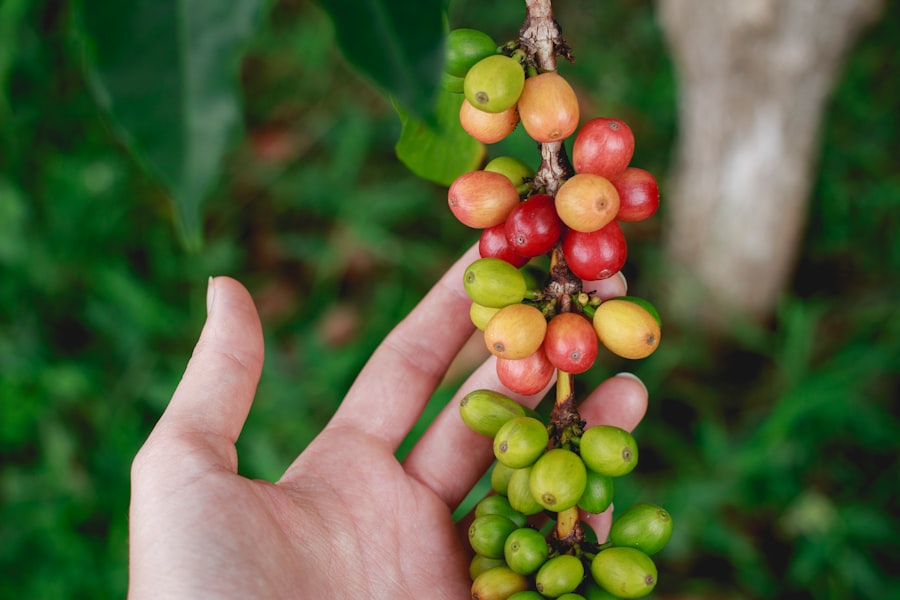
The journey from coffee bean to cup is not just a matter of planting seeds and waiting for harvest; it involves labor-intensive farming methods that require dedication and skill. We often overlook the hard work that goes into cultivating coffee, but it is essential to recognize that many farmers employ traditional techniques passed down through generations. These methods include hand-picking ripe cherries, which ensures that only the best fruit is selected for processing.
This labor-intensive approach is crucial because it directly affects the quality of the beans we ultimately enjoy. In addition to hand-picking, many farmers also engage in sustainable practices that promote biodiversity and soil health. We see this in shade-grown coffee farms, where trees provide a natural habitat for various species while also protecting the coffee plants from harsh sunlight.
This method not only enhances the flavor of the beans but also contributes to a healthier ecosystem. As we become more conscious consumers, we appreciate the effort that goes into these labor-intensive farming methods and are more inclined to support farmers who prioritize quality over quantity.
Certification and regulations
As we navigate the world of coffee, we encounter various certifications and regulations that aim to ensure quality and ethical practices within the industry. Certifications such as Fair Trade, Rainforest Alliance, and Organic serve as indicators of a product’s adherence to specific standards regarding environmental sustainability and social responsibility. These labels provide us with a sense of assurance that our coffee has been produced in a manner that respects both people and the planet.
However, it is essential to understand that not all certifications are created equal. Some may have stringent requirements while others might be more lenient, leading to confusion among consumers. As we become more informed about these certifications, we can make better choices when selecting our coffee.
We often find ourselves drawn to brands that prioritize transparency and traceability, allowing us to connect with the farmers behind our favorite brews. By supporting certified products, we contribute to a more equitable coffee industry that values ethical practices and high-quality production.
Limited supply and higher demand
The global coffee market is characterized by a delicate balance between supply and demand. As our love for coffee continues to grow, so does the pressure on producers to meet this increasing demand. However, several factors contribute to a limited supply of high-quality coffee beans.
Climate change poses a significant threat to coffee cultivation, as rising temperatures and unpredictable weather patterns can adversely affect crop yields. Additionally, many coffee-growing regions face challenges such as pests and diseases that can devastate entire harvests. As consumers, we may not always be aware of these challenges, but they have a direct impact on the availability and price of our favorite brews.
When supply diminishes while demand remains high, we often see an increase in prices at our local cafes or grocery stores. This dynamic can lead us to seek out alternative options or explore different varieties of coffee that may be less affected by these external factors. Ultimately, understanding the relationship between supply and demand helps us appreciate the value of our coffee even more.
Fair trade and sustainable practices
In recent years, there has been a growing emphasis on fair trade and sustainable practices within the coffee industry. As consumers, we are increasingly aware of the ethical implications of our purchasing decisions and seek out products that align with our values. Fair trade certification ensures that farmers receive a fair price for their crops, which helps improve their livelihoods and supports community development initiatives.
By choosing fair trade coffee, we contribute to a system that prioritizes social equity and economic stability for those who grow our beloved beverage. Sustainable practices go hand in hand with fair trade principles. Many farmers are adopting environmentally friendly methods that minimize their impact on the planet while maintaining high-quality production standards.
We see this in practices such as organic farming, agroforestry, and water conservation techniques. As we become more conscious consumers, we often gravitate toward brands that champion these sustainable practices, knowing that our choices can help foster a more responsible coffee industry.
Environmental impact

The environmental impact of coffee production is a critical issue that cannot be overlooked. As we enjoy our daily cups of coffee, it is essential to consider how our consumption affects ecosystems around the world. Coffee farming can lead to deforestation, soil degradation, and water pollution if not managed responsibly.
We recognize that conventional farming practices often rely heavily on chemical fertilizers and pesticides, which can harm local wildlife and contaminate water sources. However, there is hope as more farmers embrace sustainable practices that prioritize environmental stewardship. Shade-grown coffee farms promote biodiversity by preserving natural habitats for various species while also enhancing soil health.
As consumers who care about the environment, we can support these initiatives by choosing sustainably sourced coffee and advocating for practices that protect our planet.
Transportation and distribution costs
Once harvested and processed, coffee beans embark on a long journey before reaching our cups. The transportation and distribution costs associated with getting coffee from farms to consumers can significantly impact its final price. We often take for granted the complex logistics involved in shipping coffee across continents—whether by air or sea—while navigating tariffs and import regulations along the way.
These costs can fluctuate based on various factors such as fuel prices, shipping routes, and geopolitical issues. As consumers who enjoy specialty coffees from different regions around the world, we may notice price variations based on these logistical challenges. Understanding this aspect of the coffee supply chain allows us to appreciate not only the quality of what we drink but also the intricate processes involved in bringing it to us.
Branding and marketing strategies
In today’s competitive market, branding and marketing strategies play a crucial role in shaping our perceptions of coffee products. As consumers inundated with choices, we often rely on branding to guide our decisions when selecting coffee brands or blends. Companies invest significant resources into creating compelling narratives around their products—highlighting unique origins, artisanal production methods, or ethical sourcing practices—to differentiate themselves from competitors.
We find ourselves drawn to brands that resonate with our values or evoke a sense of connection to the farmers behind the product. Effective marketing strategies often leverage storytelling techniques that emphasize transparency and authenticity, allowing us to feel more engaged with our purchases. As we navigate this landscape of branding and marketing in the coffee industry, we become more discerning consumers who seek out products that align with our preferences while supporting ethical practices.
In conclusion, our journey through the world of coffee reveals a complex interplay of factors influencing its quality, production methods, environmental impact, and market dynamics. By understanding these elements—ranging from labor-intensive farming techniques to branding strategies—we can make informed choices as consumers who appreciate not only the taste of our favorite brews but also the stories behind them. As we continue to explore this rich landscape of flavors and experiences, let us remain mindful of how our choices can contribute to a more sustainable and equitable coffee industry for all involved.
FAQs
What is organic coffee?
Organic coffee is grown without the use of synthetic pesticides, herbicides, or fertilizers. It is produced using sustainable farming practices that promote biodiversity and protect the environment.
Why is organic coffee often more expensive?
Organic coffee is often more expensive because it requires more labor-intensive and environmentally friendly farming practices. Organic farmers also incur higher certification and compliance costs. Additionally, organic coffee yields are typically lower than conventionally grown coffee, further contributing to the higher price.
Is organic coffee better for the environment?
Yes, organic coffee is better for the environment as it promotes biodiversity, reduces chemical pollution, and protects soil and water quality. Organic farming practices also help mitigate climate change by sequestering carbon in the soil.
Does organic coffee taste better?
The taste of coffee is subjective, but many coffee enthusiasts believe that organic coffee has a richer and more complex flavor profile compared to conventionally grown coffee. This is often attributed to the healthier soil and diverse ecosystems found on organic coffee farms.
Are there any health benefits to drinking organic coffee?
Organic coffee is free from synthetic chemicals and pesticides, which may be beneficial for those looking to minimize their exposure to potentially harmful substances. However, the health benefits of organic coffee compared to conventionally grown coffee are still a topic of ongoing research and debate.


