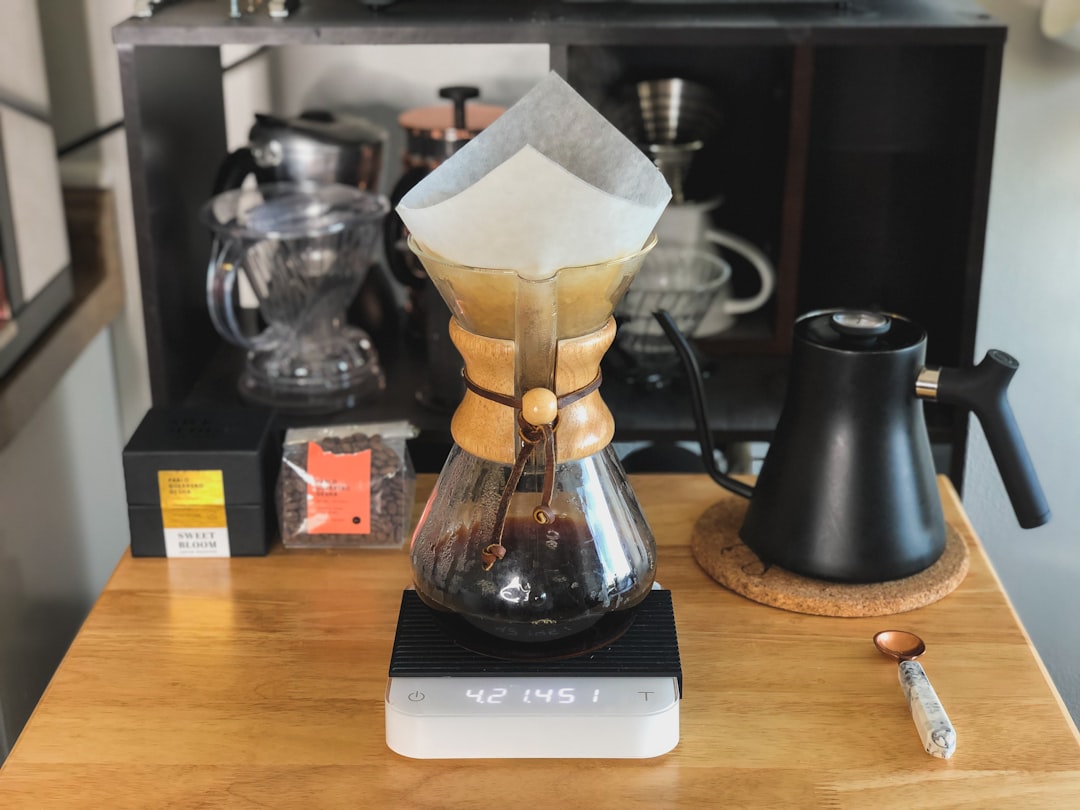
The highest grade of coffee is often referred to as “specialty coffee,” a term that encompasses beans that have been meticulously cultivated, harvested, and processed to achieve exceptional quality. Specialty coffee is typically graded on a scale from 0 to 100, with beans scoring 80 or above being classified as specialty. This grading system is overseen by organizations such as the Specialty Coffee Association (SCA), which employs trained tasters known as Q graders to evaluate the coffee based on various criteria, including aroma, flavor, acidity, body, and aftertaste.
The pursuit of the highest grade coffee is not merely about achieving a numerical score; it reflects a commitment to excellence in every aspect of coffee production. In addition to the numerical grading, the highest grade of coffee often comes from specific regions known for their unique growing conditions and practices. Factors such as altitude, climate, soil composition, and even the varietal of the coffee plant play a significant role in determining the quality of the beans.
For instance, coffees grown at higher elevations tend to develop more complex flavors due to slower maturation processes. As consumers become more discerning about their coffee choices, the demand for high-grade specialty coffee continues to rise, leading to a greater emphasis on transparency and traceability in the coffee supply chain.
Key Takeaways
- The highest grade of coffee is known as specialty coffee, which is carefully selected and processed to ensure exceptional quality and flavor.
- The grading system for coffee involves evaluating factors such as bean size, color, and defects to determine the quality and grade of the coffee.
- The highest grade coffee beans are characterized by their distinct flavor profiles, aroma, and balanced acidity, often with floral, fruity, or chocolate notes.
- Regions such as Ethiopia, Colombia, and Kenya are known for producing the highest grade coffee due to their ideal climate, altitude, and soil conditions.
- Harvesting and processing the highest grade coffee beans involves meticulous attention to detail, including hand-picking ripe cherries and using methods such as washed or natural processing to enhance the flavor.
- Roasting plays a crucial role in preserving the quality of the highest grade coffee, as it brings out the unique flavors and aromas while maintaining the beans’ natural characteristics.
- The best brewing methods for the highest grade coffee include pour-over, French press, and espresso, which allow the flavors to fully develop and showcase the coffee’s complexity.
- The flavor profile of the highest grade coffee can vary widely, from bright and citrusy to rich and chocolatey, offering a diverse range of tastes for coffee enthusiasts to explore.
- Consuming the highest grade coffee can provide benefits such as antioxidants, improved mental alertness, and a heightened sensory experience due to its exceptional quality.
- Ethical and sustainable practices in producing the highest grade coffee, such as fair trade and organic certifications, ensure that the coffee is sourced responsibly and supports the well-being of farmers and the environment.
- Tips for finding and enjoying the highest grade coffee at home include purchasing whole beans, storing them properly, and experimenting with different brewing methods to discover the full potential of the coffee’s flavors.
Understanding the Grading System for Coffee
The grading system for coffee is a nuanced framework that evaluates beans based on a variety of factors. The SCA’s grading scale is one of the most recognized systems in the industry. Coffee beans are assessed for defects, with a focus on both physical and sensory attributes.
Defects can include anything from insect damage to uneven size and color. A coffee bean must have fewer than five defects per 300 grams to be considered specialty grade.
Beyond defects, sensory evaluation plays a crucial role in grading. Trained cuppers assess the aroma, flavor, acidity, body, and aftertaste of the coffee.
For example, acidity refers not only to the brightness or liveliness of the flavor but also to its balance with sweetness and bitterness. A well-balanced coffee will have a harmonious interplay between these elements, resulting in a more enjoyable cup. The grading system thus serves as a guide for consumers seeking high-quality coffee while also providing producers with benchmarks for improvement.
The Characteristics of the Highest Grade Coffee Beans
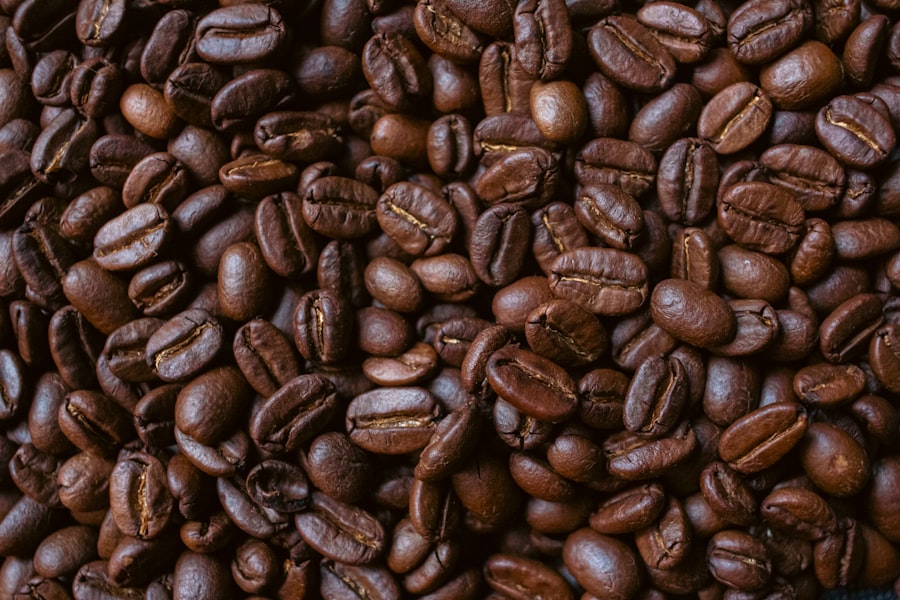
The highest grade coffee beans exhibit a range of distinctive characteristics that set them apart from lower-grade varieties. One of the most notable features is their complexity of flavor. Specialty coffees often present a wide array of tasting notes that can include fruity, floral, nutty, or chocolatey undertones.
This complexity is largely influenced by the terroir—the environmental conditions in which the coffee is grown—as well as the processing methods employed after harvesting. For instance, beans from Ethiopia may showcase bright citrus notes due to the region’s unique climate and soil composition. In addition to flavor complexity, high-grade coffee beans are typically characterized by their cleanliness and clarity.
This means that when brewed, they should have a crisp taste without any off-flavors or undesirable aftertastes. The body of high-grade coffee is also an important aspect; it can range from light to full-bodied but should always feel pleasant on the palate. A well-structured body enhances the overall drinking experience and allows for a more satisfying mouthfeel.
These characteristics are not merely subjective; they are measurable attributes that contribute to a coffee’s overall score in professional evaluations.
The Regions Known for Producing the Highest Grade Coffee
| Region | Country | Altitude (meters) | Annual Production (metric tons) |
|---|---|---|---|
| Yirgacheffe | Ethiopia | 1,700 – 2,200 | 6,000 |
| Antigua | Guatemala | 1,500 – 2,000 | 4,000 |
| Nyeri | Kenya | 1,700 – 2,000 | 3,000 |
| Boquete | Panama | 1,200 – 1,800 | 1,500 |
Certain regions around the world are renowned for producing some of the highest grade coffee beans due to their ideal growing conditions and traditional cultivation practices. One such region is Colombia, where the combination of high altitudes, rich volcanic soil, and favorable climate creates an environment conducive to growing exceptional Arabica beans. Colombian coffees are often celebrated for their smoothness and balanced flavor profiles, making them a favorite among specialty coffee enthusiasts.
Another prominent region is Ethiopia, often considered the birthplace of coffee. Ethiopian coffees are known for their vibrant acidity and complex flavor profiles that can include notes of jasmine, bergamot, and various fruits. The country’s diverse microclimates and heirloom varietals contribute to this rich tapestry of flavors.
Similarly, Central American countries like Guatemala and Costa Rica have gained recognition for their high-quality coffees, often characterized by bright acidity and rich chocolate undertones. Each region brings its own unique characteristics to the table, making it essential for consumers to explore different origins to fully appreciate the diversity of high-grade coffee.
The Process of Harvesting and Processing the Highest Grade Coffee Beans
The journey from cherry to cup involves meticulous harvesting and processing methods that significantly impact the quality of high-grade coffee beans. Harvesting is typically done by hand in specialty coffee production, allowing pickers to select only ripe cherries at their peak flavor potential. This labor-intensive process ensures that unripe or overripe cherries do not compromise the overall quality of the batch.
Once harvested, the processing method plays a crucial role in shaping the final flavor profile of the coffee. There are several methods employed in specialty coffee production, including washed (or wet) processing and natural (or dry) processing. In washed processing, cherries are depulped and fermented to remove mucilage before being dried, resulting in a cleaner taste with pronounced acidity.
Conversely, natural processing involves drying whole cherries in the sun before removing the outer layers, which can impart fruity flavors and a heavier body to the final brew. Each method has its own set of advantages and can dramatically influence the characteristics of the coffee.
The Importance of Roasting in Preserving the Quality of the Highest Grade Coffee
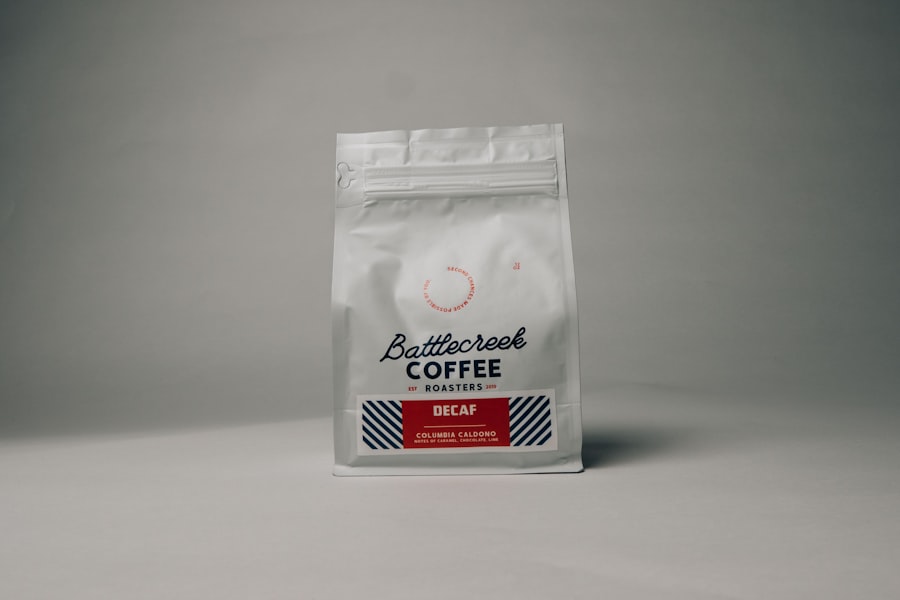
Roasting is a critical step in transforming green coffee beans into a flavorful beverage. The roasting process not only develops the beans’ inherent flavors but also influences their aroma and body. For high-grade coffees, precision in roasting is paramount; even slight variations in temperature or time can lead to significant differences in taste.
Specialty roasters often employ small-batch roasting techniques that allow for greater control over these variables. A skilled roaster will carefully monitor each batch to ensure that it reaches its optimal roast level without overshadowing the unique characteristics of the beans. Light roasts are often preferred for high-grade coffees as they preserve more of the original flavor notes derived from the terroir and processing methods.
However, some roasters may choose medium or dark roasts to highlight specific attributes or create a desired flavor profile. Ultimately, roasting serves as an art form that bridges the gap between raw agricultural product and finished beverage.
The Best Brewing Methods for the Highest Grade Coffee
Brewing methods play an essential role in extracting the full potential of high-grade coffee beans. Different techniques can highlight various aspects of flavor and aroma, making it crucial for enthusiasts to experiment with different brewing styles. One popular method is pour-over brewing, which allows for precise control over water temperature and flow rate.
This technique can enhance clarity and brightness in high-quality coffees while showcasing their intricate flavor profiles. Another effective brewing method is using a French press, which provides a fuller-bodied cup due to its immersion brewing style. This method allows oils and fine particles from the coffee grounds to remain in the final brew, resulting in a rich mouthfeel that many find appealing.
Espresso brewing is also favored among many coffee aficionados for its ability to concentrate flavors into a small volume while producing a creamy texture through emulsified oils. Each brewing method offers unique advantages that can elevate the experience of drinking high-grade coffee.
The Flavor Profile of the Highest Grade Coffee
The flavor profile of high-grade coffee is often described as complex and multifaceted, with tasting notes that can vary widely depending on origin, processing method, and roast level. Specialty coffees may exhibit bright acidity reminiscent of citrus fruits or berries, balanced by sweetness akin to caramel or chocolate. Floral notes such as jasmine or lavender may also emerge in certain varieties, particularly those from regions like Ethiopia.
In addition to these primary flavors, high-grade coffees often possess an intricate aftertaste that lingers pleasantly on the palate. This lingering finish can be influenced by factors such as roast level and brewing method; lighter roasts may leave a crisp finish while darker roasts might impart deeper chocolate or nutty notes. The interplay between these various elements creates an engaging tasting experience that invites exploration and appreciation.
The Benefits of Consuming the Highest Grade Coffee
Consuming high-grade coffee offers several benefits beyond mere enjoyment of its flavors. For one, specialty coffees are often sourced from farms that prioritize sustainable practices and ethical treatment of workers. Many specialty roasters establish direct relationships with farmers, ensuring fair compensation and promoting community development initiatives.
This ethical sourcing contributes positively to local economies while fostering environmental stewardship. Moreover, high-grade coffee contains higher concentrations of beneficial compounds such as antioxidants compared to lower-quality varieties. These antioxidants can help combat oxidative stress in the body and may contribute to various health benefits, including improved cognitive function and reduced risk of certain diseases.
Additionally, moderate consumption of high-quality coffee has been linked to enhanced mood and increased alertness due to its caffeine content.
The Ethical and Sustainable Practices in Producing the Highest Grade Coffee
The production of high-grade coffee increasingly emphasizes ethical and sustainable practices throughout its supply chain. Many specialty coffee producers adhere to certifications such as Fair Trade or Rainforest Alliance, which promote fair wages for farmers and environmentally responsible farming methods. These certifications help ensure that producers receive equitable compensation while encouraging practices that protect biodiversity and reduce environmental impact.
Sustainable practices may include shade-grown cultivation methods that preserve natural habitats for wildlife or organic farming techniques that minimize chemical inputs into soil and water systems. Additionally, many producers are investing in regenerative agriculture practices aimed at restoring soil health and increasing resilience against climate change impacts. By prioritizing sustainability at every stage—from cultivation through processing—producers contribute not only to higher quality coffee but also to healthier ecosystems.
Tips for Finding and Enjoying the Highest Grade Coffee at Home
Finding and enjoying high-grade coffee at home requires some effort but can be immensely rewarding for those who appreciate quality brews. Start by seeking out local specialty coffee roasters or online retailers known for sourcing high-quality beans directly from farmers or cooperatives. Look for coffees labeled as “single origin” or “specialty,” which often indicate higher quality standards.
Once you have your beans, invest in proper storage solutions such as airtight containers kept away from light and moisture to preserve freshness over time. Grinding your beans just before brewing will also enhance flavor extraction; consider using a burr grinder for consistent particle size. Finally, experiment with different brewing methods—whether pour-over, French press, or espresso—to discover how each technique brings out unique aspects of your chosen high-grade coffee.
By immersing yourself in this world of specialty coffee—from understanding grading systems to exploring ethical sourcing—you can elevate your daily ritual into an experience that celebrates both quality and sustainability.
FAQs
What is the highest grade of coffee?
The highest grade of coffee is known as “specialty coffee.” This grade represents the top 3-5% of coffee produced worldwide and is known for its exceptional quality and unique flavors.
What sets specialty coffee apart from other grades?
Specialty coffee is distinguished by its superior taste, which is the result of factors such as the coffee bean’s origin, growing conditions, and processing methods. It is also carefully evaluated and graded by certified coffee tasters to ensure its quality.
How is specialty coffee graded?
Specialty coffee is graded based on factors such as bean size, color, moisture content, and absence of defects. It is also evaluated for its aroma, flavor, acidity, body, and aftertaste by trained professionals known as Q Graders.
Where is specialty coffee grown?
Specialty coffee is grown in various regions around the world, including countries such as Ethiopia, Colombia, Kenya, and Guatemala. Each region produces coffee with unique flavor profiles and characteristics.
Is specialty coffee more expensive than other grades?
Yes, specialty coffee is typically more expensive than other grades due to its exceptional quality, limited availability, and the care taken in its production. The higher price reflects the value placed on the unique flavors and characteristics of specialty coffee.