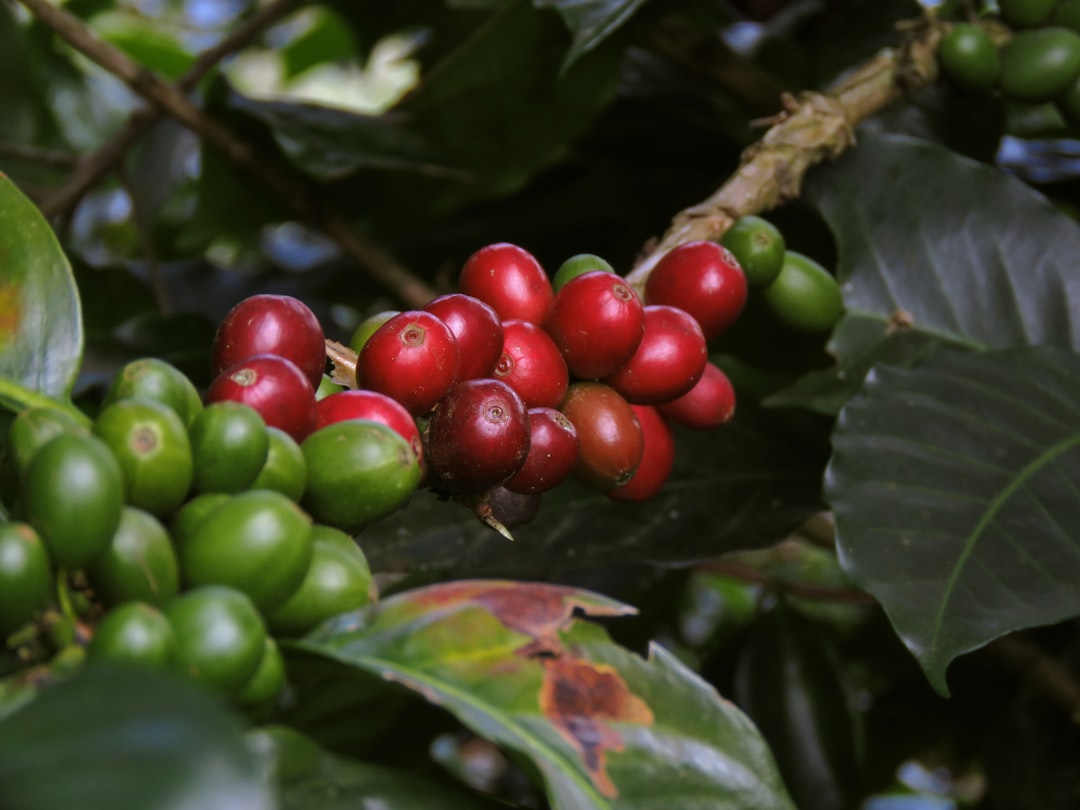
Costa Rica’s specialty coffee industry has experienced a remarkable transformation over the past few decades, evolving from a traditional commodity market into a vibrant sector that emphasizes quality, sustainability, and unique flavor profiles. This shift began in the late 20th century when coffee producers started to recognize the potential of high-quality beans and the growing global demand for specialty coffee. The country’s ideal climate, rich volcanic soil, and diverse microclimates provide the perfect conditions for cultivating exceptional coffee varieties.
As a result, Costa Rica has positioned itself as a leader in the specialty coffee movement, attracting attention from coffee enthusiasts and connoisseurs worldwide. The rise of this industry can be attributed to several factors, including the establishment of strict quality standards and the promotion of single-origin coffees. The Costa Rican Coffee Institute (ICAFE) has played a pivotal role in this transformation by implementing rigorous grading systems that ensure only the highest quality beans are exported.
Additionally, the country’s commitment to sustainable farming practices has resonated with consumers who are increasingly concerned about the environmental and social impacts of their purchases. As a result, Costa Rican coffee has gained a reputation for excellence, with many producers focusing on unique processing methods and innovative cultivation techniques that highlight the distinct characteristics of their beans.
Key Takeaways
- Costa Rica’s specialty coffee industry has experienced a significant rise in recent years, gaining recognition for its high-quality beans and sustainable practices.
- The unique flavors and varieties of Costa Rican coffee are influenced by the country’s diverse microclimates and rich volcanic soil, resulting in a wide range of profiles from fruity and bright to rich and chocolatey.
- Costa Rica’s coffee regions and microclimates offer a diverse range of flavors and characteristics, with each area contributing to the country’s reputation for exceptional coffee.
- Sustainable and ethical practices are at the core of Costa Rican coffee farming, with many producers prioritizing environmental conservation and fair treatment of workers.
- Cooperatives and small-scale producers play a crucial role in Costa Rica’s coffee industry, contributing to the country’s reputation for high-quality, ethically sourced coffee.
The Unique Flavors and Varieties of Costa Rican Coffee
Costa Rican coffee is renowned for its diverse flavor profiles, which can vary significantly depending on the region, altitude, and processing methods used. The country primarily cultivates Arabica beans, known for their superior quality and complex flavors. Among the most popular varieties are Caturra, Catuai, and Geisha, each offering unique tasting notes that reflect the terroir of their respective growing regions.
For instance, Caturra is often characterized by its bright acidity and fruity undertones, while Geisha is celebrated for its floral aroma and delicate flavor profile. The unique flavors of Costa Rican coffee are further enhanced by the country’s commitment to innovative processing techniques. Many producers employ methods such as honey processing or natural fermentation, which can impart distinct characteristics to the beans.
Honey processing, for example, involves leaving some of the mucilage on the beans during drying, resulting in a sweeter and more complex flavor profile. This attention to detail in both cultivation and processing has allowed Costa Rican coffee to stand out in the global specialty market, appealing to consumers seeking unique and high-quality brews.
Exploring Costa Rica’s Coffee Regions and Microclimates
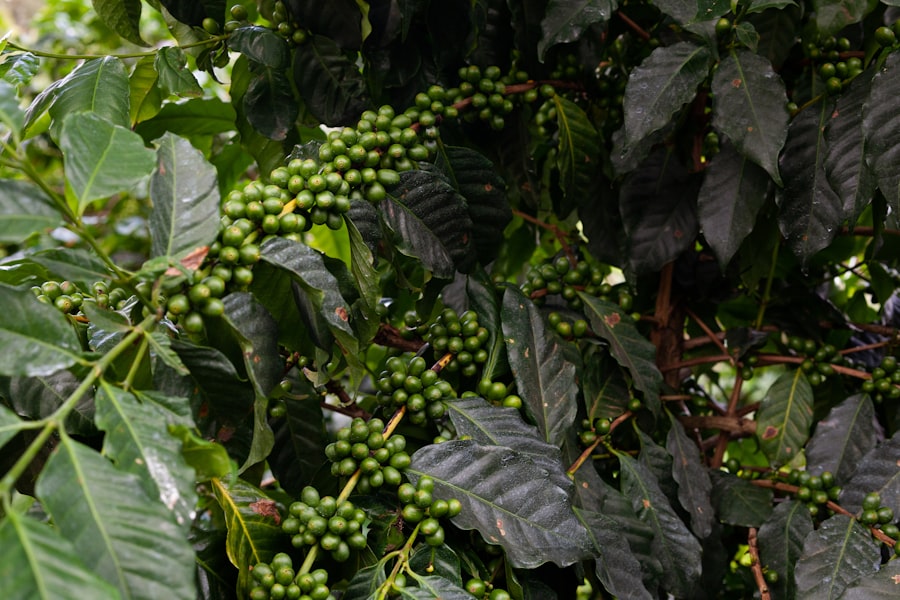
Costa Rica’s diverse geography plays a crucial role in shaping its coffee industry, with various regions offering distinct microclimates that contribute to the unique characteristics of their beans. The Central Valley, for instance, is known for its high altitudes and cooler temperatures, which produce coffees with bright acidity and vibrant flavors. In contrast, the Tarrazú region is celebrated for its rich volcanic soil and ideal growing conditions, resulting in full-bodied coffees with chocolatey undertones.
Other notable coffee-growing regions include the West Valley and the Northern Region, each offering its own unique microclimates that influence flavor profiles. The West Valley is characterized by its warm temperatures and consistent rainfall, producing coffees with a smooth mouthfeel and fruity notes. Meanwhile, the Northern Region benefits from higher elevations and cooler temperatures, leading to complex flavors with herbal and citrus undertones.
This geographical diversity not only enhances the quality of Costa Rican coffee but also allows producers to experiment with different cultivation techniques and processing methods tailored to their specific environments.
Sustainable and Ethical Practices in Costa Rican Coffee Farming
| Metrics | Data |
|---|---|
| Organic Certification | 80% of coffee farms in Costa Rica are certified organic |
| Fair Trade Certification | 60% of coffee farms in Costa Rica are certified fair trade |
| Water Conservation | 90% of coffee farms use water-saving irrigation systems |
| Biodiversity Protection | 70% of coffee farms in Costa Rica have implemented shade-grown coffee practices |
| Carbon Footprint Reduction | 50% of coffee farms have implemented carbon offset programs |
Sustainability is at the forefront of Costa Rica’s coffee industry, with many producers adopting environmentally friendly practices that prioritize ecological balance and social responsibility. The country has long been recognized for its commitment to conservation, with initiatives aimed at preserving biodiversity and protecting natural resources. Many coffee farms incorporate shade-grown practices, where coffee plants are cultivated under a canopy of trees, promoting biodiversity while enhancing the quality of the beans.
Many producers prioritize fair labor practices and community development, ensuring that workers receive fair wages and access to education and healthcare. Certifications such as Fair Trade and Rainforest Alliance have gained traction among Costa Rican coffee producers, providing consumers with assurance that their purchases support ethical farming practices.
This commitment to sustainability and ethics not only enhances the reputation of Costa Rican coffee but also aligns with the values of an increasingly conscious consumer base.
The Role of Cooperatives and Small-Scale Producers in Costa Rica’s Coffee Industry
Cooperatives play a vital role in Costa Rica’s coffee industry, providing small-scale producers with access to resources, training, and markets that would otherwise be unavailable to them. These cooperatives enable farmers to pool their resources, share knowledge, and collectively market their products, thereby increasing their bargaining power in an increasingly competitive market. By working together, small-scale producers can achieve economies of scale that allow them to invest in quality improvements and sustainable practices.
One notable example is the Cooperativa de Caficultores de Santa María de Dota (CoopeDota), which has become a model for successful cooperative farming in Costa Rica. Founded in 1960, CoopeDota has empowered local farmers by providing them with training in sustainable farming techniques and access to high-quality processing facilities. This cooperative has gained recognition for its exceptional coffees, winning numerous awards at international competitions.
The success of cooperatives like CoopeDota highlights the importance of collaboration in fostering innovation and quality within Costa Rica’s specialty coffee sector.
The Art of Coffee Roasting in Costa Rica
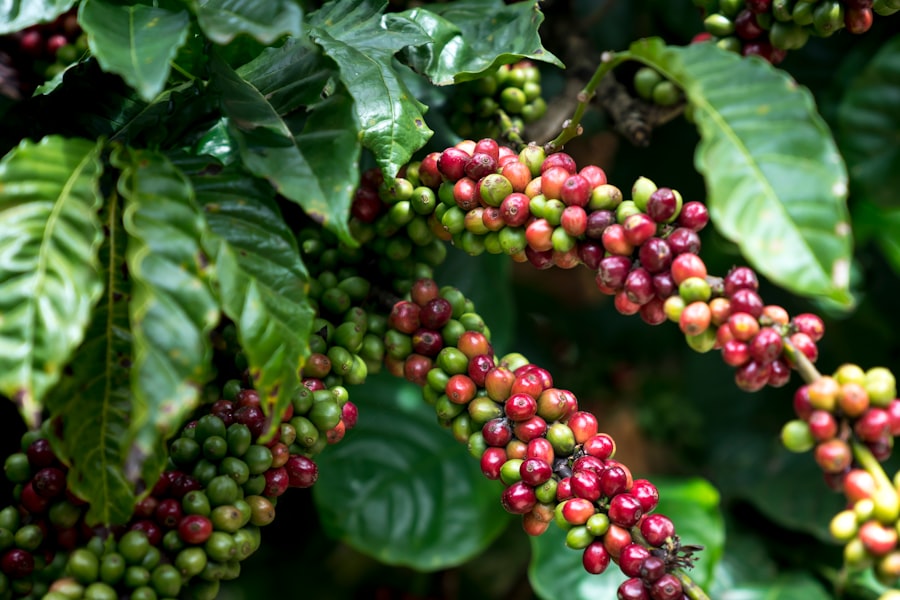
Roasting is an essential step in bringing out the unique flavors of Costa Rican coffee beans, requiring skill and precision to achieve the desired profile. In Costa Rica, many roasters take pride in their artisanal approach to roasting, often experimenting with different techniques to highlight specific flavor notes inherent in their beans. The roasting process involves carefully controlling temperature and time to develop the beans’ natural sugars while avoiding bitterness or over-roasting.
Local roasters often emphasize transparency in sourcing their beans directly from farmers or cooperatives, allowing them to build relationships with producers while ensuring quality control. This direct trade model not only supports small-scale farmers but also enables roasters to create unique blends that reflect the distinct characteristics of Costa Rican coffee. For instance, some roasters may choose to highlight beans from specific regions or processing methods, resulting in limited-edition offerings that showcase the diversity of flavors available within the country.
Coffee Tasting and Cupping Experiences in Costa Rica
Coffee tasting and cupping experiences have become increasingly popular among visitors to Costa Rica, offering an immersive way to explore the country’s rich coffee culture.
These experiences often include detailed explanations of the cupping process, allowing participants to develop their palates and gain a deeper appreciation for the complexities of specialty coffee.
During these sessions, participants are introduced to various tasting notes associated with different beans—ranging from fruity and floral to nutty or chocolatey—while learning how factors such as altitude, processing methods, and roast profiles influence flavor development. This hands-on approach not only enhances visitors’ understanding of Costa Rican coffee but also fosters a connection between consumers and producers by highlighting the craftsmanship involved in every cup.
The Growing Trend of Coffee Tourism in Costa Rica
Coffee tourism has emerged as a significant trend in Costa Rica, attracting visitors eager to explore the country’s lush landscapes while indulging in its rich coffee heritage. Tour operators offer a variety of experiences that range from guided tours of coffee plantations to immersive workshops on brewing techniques. These tours often provide insights into every aspect of coffee production—from planting and harvesting to processing and roasting—allowing visitors to appreciate the labor-intensive journey that each bean undergoes before reaching their cup.
Regions such as Monteverde and Tarrazú have become popular destinations for coffee tourism due to their picturesque landscapes and renowned coffee farms. Visitors can engage with local farmers, participate in hands-on activities like picking cherries or roasting beans, and enjoy tastings that showcase the unique flavors of each region’s offerings. This growing interest in coffee tourism not only benefits local economies but also fosters a greater appreciation for sustainable practices within the industry.
Costa Rica’s Impact on the Global Specialty Coffee Market
Costa Rica’s specialty coffee industry has made a significant impact on the global market by setting high standards for quality and sustainability. The country’s commitment to producing exceptional Arabica beans has garnered international recognition, leading to increased demand for its coffees among specialty roasters worldwide. As consumers become more discerning about their coffee choices, Costa Rican producers have positioned themselves as leaders in quality assurance through rigorous grading systems and certifications.
Moreover, Costa Rica’s emphasis on sustainability has resonated with environmentally conscious consumers who prioritize ethical sourcing practices. By promoting shade-grown coffee cultivation and supporting small-scale farmers through cooperatives, Costa Rica has become a model for other coffee-producing countries seeking to balance economic viability with environmental stewardship. This influence extends beyond its borders as other nations look to replicate Costa Rica’s success in developing a sustainable specialty coffee sector.
The Future of Costa Rica’s Specialty Coffee Industry
The future of Costa Rica’s specialty coffee industry appears promising as producers continue to innovate while addressing challenges such as climate change and market fluctuations. With rising temperatures posing threats to traditional growing regions, many farmers are exploring new cultivation techniques or diversifying their crops to adapt to changing conditions. Research institutions are also collaborating with producers to develop climate-resilient varieties that can withstand environmental stressors while maintaining quality.
Additionally, as consumer preferences evolve towards transparency and traceability in sourcing practices, Costa Rican producers are well-positioned to meet these demands through direct trade relationships with roasters. By emphasizing their commitment to sustainability and ethical practices, they can attract a loyal customer base willing to pay premium prices for high-quality coffees that align with their values. This focus on innovation combined with a dedication to preserving traditional methods will likely shape the future trajectory of Costa Rica’s specialty coffee industry.
Tips for Finding and Enjoying the Best Costa Rican Coffee at Home
To enjoy the best Costa Rican coffee at home, start by sourcing high-quality beans from reputable roasters or specialty shops that prioritize direct trade relationships with producers. Look for single-origin offerings from specific regions like Tarrazú or West Valley to experience distinct flavor profiles associated with those areas. Pay attention to roast dates; fresher beans will yield better flavor results when brewed.
When brewing at home, consider using methods such as pour-over or French press that allow you to control variables like water temperature and extraction time—key factors influencing flavor development. Experimenting with different grind sizes can also enhance your brewing experience; coarser grinds work well for French press while finer grinds are ideal for espresso machines or pour-over setups. Finally, take time to savor each cup mindfully—pay attention not only to aroma but also texture and aftertaste—as these elements contribute significantly to your overall enjoyment of Costa Rican coffee’s unique characteristics.
Engaging fully in this sensory experience will deepen your appreciation for one of nature’s most beloved beverages while supporting sustainable practices within this vibrant industry.
FAQs
What is specialty coffee?
Specialty coffee refers to high-quality coffee that is graded and cupped at a score of 80 points or above on a 100-point scale. It is typically grown in specific microclimates and processed with extra care to bring out its unique flavors and characteristics.
Does Costa Rica produce specialty coffee?
Yes, Costa Rica is known for producing high-quality specialty coffee. The country’s unique microclimates, volcanic soil, and high altitudes contribute to the production of exceptional coffee beans with distinct flavors and profiles.
What are some popular specialty coffee regions in Costa Rica?
Some popular specialty coffee regions in Costa Rica include the Central Valley, West Valley, Tarrazú, and Tres Ríos. Each region has its own microclimate and terroir, resulting in unique flavor profiles in the coffee beans.
What are some common flavor profiles of Costa Rican specialty coffee?
Costa Rican specialty coffee is known for its bright acidity, medium body, and complex flavor profiles. Common flavor notes include citrus, floral, chocolate, and nutty undertones, with a clean and balanced finish.
How is Costa Rican specialty coffee processed?
Costa Rican specialty coffee is typically processed using the washed method, which involves removing the cherry pulp from the coffee beans before they are dried. This process helps to highlight the natural flavors of the coffee beans and results in a clean and vibrant cup of coffee.