Specialty coffee has emerged as a significant segment within the broader coffee industry, characterized by its emphasis on quality, flavor, and unique attributes. The term “specialty coffee” refers to coffee that has been graded 80 points or above on a 100-point scale by a certified coffee taster, known as a Q Grader. This grading system evaluates various factors, including aroma, flavor, acidity, body, and aftertaste.
Specialty coffee is not merely about the beans themselves; it encompasses the entire journey from farm to cup, emphasizing sustainable practices, ethical sourcing, and meticulous attention to detail at every stage of production. The rise of specialty coffee can be attributed to a growing consumer awareness and appreciation for high-quality products. As coffee drinkers become more discerning, they seek out unique flavors and experiences that reflect the diverse origins of coffee beans.
This shift has led to an increased focus on single-origin coffees, where beans are sourced from a specific region or even a single farm. The narrative surrounding these coffees often highlights the unique terroir—the environmental conditions that affect the crop—thereby enhancing the overall experience of enjoying a cup of specialty coffee.
Key Takeaways
- Specialty coffee refers to high-quality coffee that is carefully sourced, roasted, and brewed to bring out its unique flavors and characteristics.
- The type and quality of coffee beans play a crucial role in determining the flavor and quality of specialty coffee.
- Coffee roasting is a critical step in the specialty coffee process, as it brings out the flavors and aromas of the beans.
- Recognizing specialty coffee in a cafe involves looking for factors such as the origin of the beans, the roasting process, and the brewing methods used.
- Specialty coffee differs from commercial coffee in terms of quality, flavor, and the attention to detail in sourcing, roasting, and brewing.
The Role of Coffee Beans in Specialty Coffee
The foundation of specialty coffee lies in the quality of the coffee beans themselves. Arabica and Robusta are the two primary species of coffee beans, with Arabica being the preferred choice for specialty coffee due to its complex flavor profile and lower caffeine content. Within the Arabica category, there are numerous varieties, each with distinct characteristics influenced by factors such as altitude, climate, and soil composition.
For instance, Ethiopian Yirgacheffe is renowned for its floral notes and bright acidity, while Colombian coffees are often celebrated for their balanced sweetness and nutty undertones.
Specialty coffee farmers often employ meticulous farming practices, including selective hand-picking of ripe cherries and careful processing methods such as washed or natural processing.
These practices ensure that only the best cherries are harvested and that the beans retain their unique flavors during processing. Furthermore, many specialty coffee producers are committed to sustainable farming practices that promote biodiversity and protect the environment, which adds an ethical dimension to the enjoyment of their products.
The Importance of Coffee Roasting in Specialty Coffee
Once the high-quality beans have been harvested and processed, the next critical step in the specialty coffee journey is roasting. Roasting transforms green coffee beans into the aromatic brown beans that consumers recognize. The roasting process is both an art and a science; it requires a deep understanding of how different variables—such as temperature, time, and airflow—affect the final flavor profile of the coffee.
Specialty coffee roasters often experiment with various roasting profiles to highlight specific characteristics of the beans, aiming to bring out their inherent flavors rather than masking them. Roasting can significantly influence the taste of coffee. Light roasts tend to preserve more of the original flavors of the bean, showcasing fruity or floral notes, while darker roasts may introduce chocolatey or smoky flavors due to caramelization and the development of oils on the bean’s surface.
A skilled roaster will carefully monitor the roasting process to achieve a balance that enhances the unique qualities of each batch. This attention to detail is what sets specialty coffee apart from mass-produced options, where roasting may be standardized to achieve uniformity rather than individuality.
How to Recognize Specialty Coffee in a Cafe
| Criteria | Indicators |
|---|---|
| Origin | Single origin or specific region |
| Roast Date | Recent roast date displayed |
| Flavor Notes | Detailed flavor descriptions |
| Brewing Method | Various brewing options available |
| Barista Knowledge | Baristas trained in specialty coffee |
Identifying specialty coffee in a café setting involves looking for specific indicators that reflect quality and care in sourcing and preparation. One of the most straightforward ways to recognize specialty coffee is by checking for certifications or designations that indicate high standards. Many specialty cafés will proudly display their partnerships with reputable roasters or highlight their use of single-origin beans.
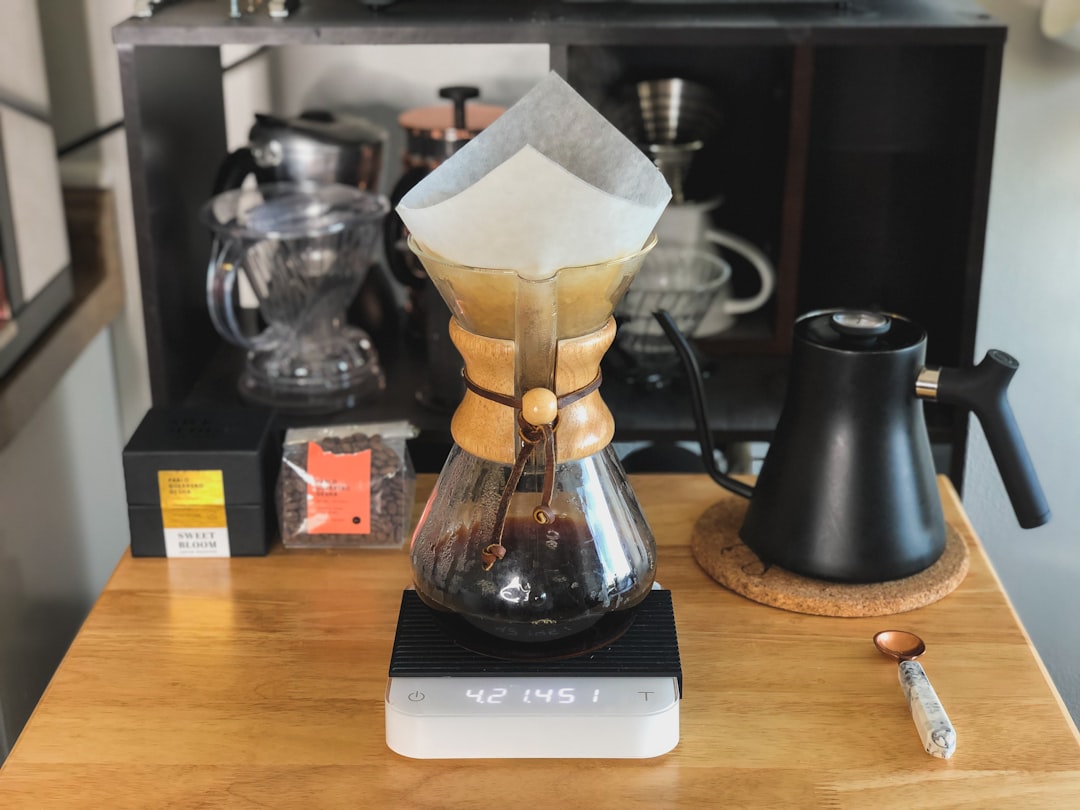
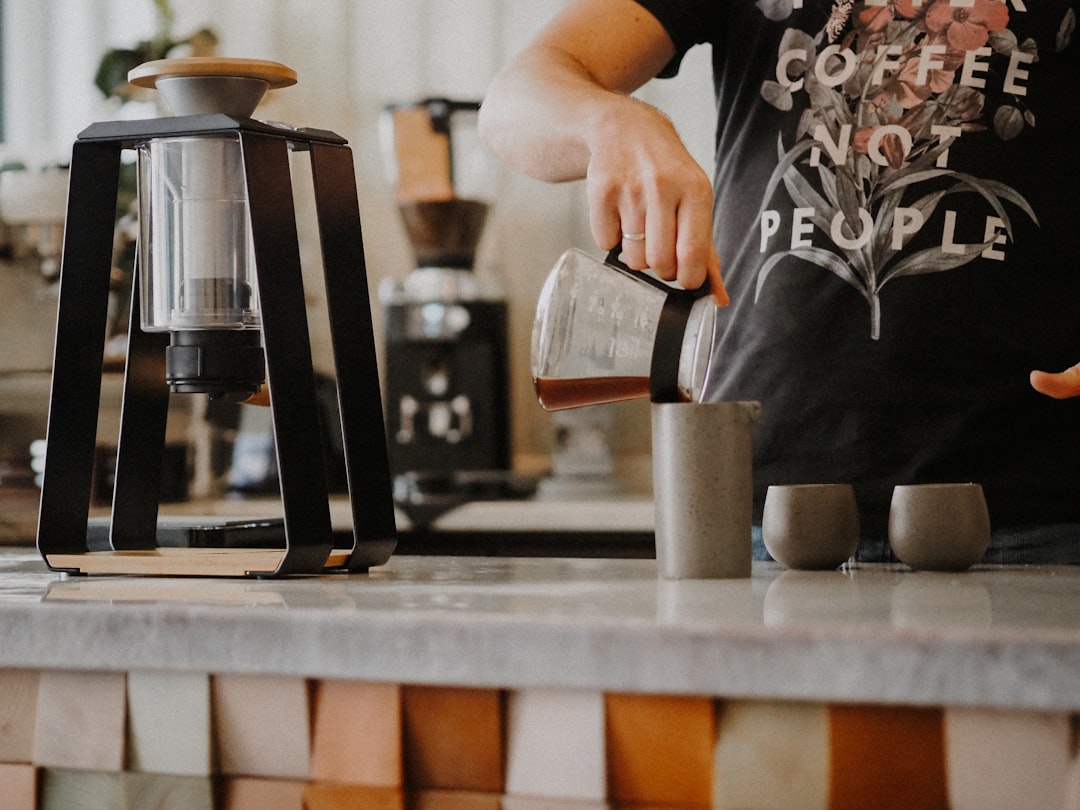
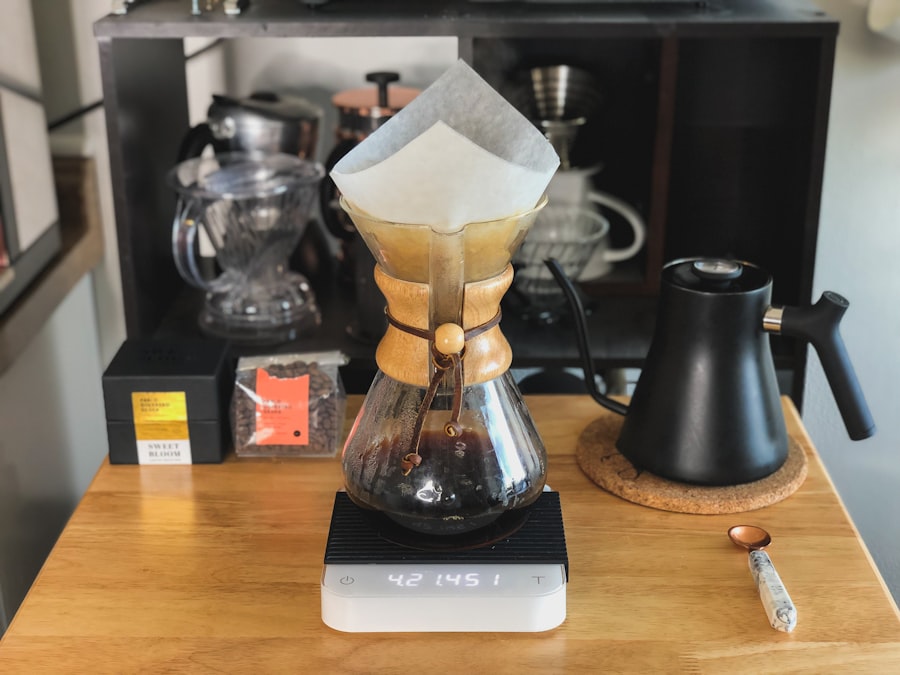
Additionally, menus may include detailed descriptions of each coffee’s origin, processing method, and tasting notes, providing insight into what makes each selection unique. Another key aspect to consider is the brewing method employed by the café. Specialty coffee shops often utilize manual brewing techniques such as pour-over, Chemex, or siphon brewing, which allow for greater control over extraction and can enhance flavor clarity.
Observing how baristas prepare drinks can also provide clues; they may take extra time to weigh coffee doses or monitor water temperature—practices that reflect a commitment to quality.
The Difference Between Specialty Coffee and Commercial Coffee
The distinction between specialty coffee and commercial coffee is stark and multifaceted. Commercial coffee is typically produced on a large scale with an emphasis on consistency and cost-effectiveness rather than quality. This often results in blends made from lower-grade beans that may lack distinct flavor profiles.
In contrast, specialty coffee prioritizes quality over quantity, focusing on unique flavors derived from specific regions or processing methods. The grading system used for specialty coffee ensures that only the highest-quality beans make it into this category. Moreover, commercial coffee often undergoes mass production processes that can compromise flavor integrity.
For example, commercial roasters may use dark roasting techniques to mask defects in lower-quality beans, resulting in a uniform but bland taste profile. Specialty coffee roasters, on the other hand, aim to highlight the natural flavors of their beans through careful roasting practices tailored to each batch’s unique characteristics. This commitment to quality not only enhances the drinking experience but also fosters a deeper connection between consumers and the origins of their coffee.
The Impact of Brewing Methods on Specialty Coffee

Brewing methods play a pivotal role in unlocking the full potential of specialty coffee. Each brewing technique has its own set of variables that can influence extraction rates and flavor profiles. For instance, methods like espresso brewing require precise measurements of time and pressure to achieve optimal extraction, while pour-over techniques allow for greater control over water flow and saturation time.
These nuances can significantly affect how flavors are expressed in the final cup. In addition to traditional methods like drip brewing or French press, newer techniques such as cold brew have gained popularity among specialty coffee enthusiasts. Cold brew offers a different flavor experience due to its extended steeping time in cold water, resulting in a smoother and less acidic cup compared to hot-brewed options.
Specialty cafés often experiment with various brewing methods to showcase different aspects of their coffees, allowing consumers to explore a range of flavors and textures that highlight the versatility of specialty beans.
The Relationship Between Origin and Specialty Coffee
The origin of coffee beans is intrinsically linked to their classification as specialty coffee. Different regions around the world produce beans with distinct flavor profiles influenced by local climate conditions, soil types, and cultivation practices. For example, coffees from Central America are often characterized by bright acidity and fruity notes due to their high altitudes and volcanic soils.
In contrast, coffees from Brazil may exhibit chocolatey or nutty flavors owing to their lower elevations and diverse growing conditions. Understanding origin also involves recognizing the cultural significance behind each region’s coffee production. Many specialty coffee producers engage in traditional farming practices passed down through generations, which not only contribute to flavor but also preserve local heritage.
This connection between origin and quality is essential for consumers who wish to appreciate not just the taste but also the story behind their cup of coffee.
The Role of Certification in Identifying Specialty Coffee
Certification plays a crucial role in helping consumers identify specialty coffee while ensuring ethical practices throughout the supply chain. Various organizations offer certifications that signify adherence to specific standards regarding quality, sustainability, and fair trade practices. For instance, Fair Trade certification ensures that farmers receive fair compensation for their labor while promoting environmentally sustainable farming methods.
Another notable certification is Rainforest Alliance, which focuses on biodiversity conservation and sustainable land management practices. These certifications provide consumers with confidence that their purchase supports ethical sourcing while also contributing to environmental sustainability. As awareness grows around these issues, many specialty coffee brands actively seek out certifications that align with their values, further enhancing their appeal among conscientious consumers.
How to Evaluate the Quality of Specialty Coffee
Evaluating specialty coffee involves a multi-faceted approach that encompasses both sensory analysis and technical assessment. When tasting specialty coffee, one should consider several key attributes: aroma, acidity, body, flavor complexity, and aftertaste. A well-rounded cup will exhibit balance among these elements; for instance, a bright acidity should complement rather than overpower other flavors.
In addition to sensory evaluation, technical aspects such as grind size and brewing temperature can significantly impact quality. A finer grind may enhance extraction but can also lead to over-extraction if brewed at too high a temperature. Conversely, coarser grinds may result in under-extraction if not brewed long enough.
Understanding these variables allows consumers to appreciate not only what they taste but also how different factors contribute to their overall experience.
The Sensory Experience of Specialty Coffee
The sensory experience of specialty coffee extends beyond mere taste; it encompasses aroma, texture, and even visual appeal. Aroma plays a vital role in how we perceive flavor; many flavor notes are actually detected through our sense of smell rather than taste alone. A freshly brewed cup of specialty coffee can evoke an array of scents—from fruity floral notes to rich chocolatey undertones—each contributing to an immersive experience.
Texture also plays an important role in how we perceive specialty coffee; mouthfeel can range from silky smooth to full-bodied depending on factors such as brewing method and bean origin. This tactile element adds another layer of complexity to the tasting experience. Additionally, visual aspects such as crema in espresso or clarity in pour-over can enhance enjoyment by providing cues about freshness and quality.
Supporting the Specialty Coffee Industry
Supporting the specialty coffee industry goes beyond simply purchasing high-quality beans; it involves fostering relationships with producers and advocating for sustainable practices within the broader market. Consumers can make informed choices by seeking out cafés that prioritize direct trade relationships with farmers or those that invest in community development initiatives within producing regions. Moreover, engaging with local roasters who emphasize transparency in sourcing can help build awareness around ethical consumption practices while promoting quality over quantity in the marketplace.
By choosing specialty coffee over commercial options, consumers contribute not only to their own enjoyment but also support an industry dedicated to excellence—one that values craftsmanship at every stage from farm to cup.
FAQs
What is specialty coffee?
Specialty coffee refers to high-quality coffee that is graded and sourced from specific regions known for producing exceptional coffee beans. It is typically grown under specific conditions and is carefully processed to maintain its unique flavors and characteristics.
How is specialty coffee different from regular coffee?
Specialty coffee is different from regular coffee in terms of quality, flavor, and sourcing. Specialty coffee is graded and sourced from specific regions known for producing exceptional coffee beans, while regular coffee may not undergo the same level of scrutiny and quality control.
How can I tell if my coffee is specialty?
You can tell if your coffee is specialty by looking for specific indicators such as the origin of the coffee beans, the grading and processing methods used, and the flavor profile. Specialty coffee is often labeled with information about its origin and may also include details about the specific farm or region where the beans were grown.
What are some common characteristics of specialty coffee?
Common characteristics of specialty coffee include unique flavor profiles, distinct aromas, and a high level of quality and consistency. Specialty coffee is often characterized by its complex and nuanced flavors, which can vary depending on the region and processing methods used.
Where can I find specialty coffee?
Specialty coffee can be found at specialty coffee shops, roasteries, and online retailers that specialize in sourcing and selling high-quality coffee beans. Many specialty coffee shops and roasteries also offer information about the origin and processing methods of their coffee beans, allowing consumers to make informed choices about their coffee purchases.