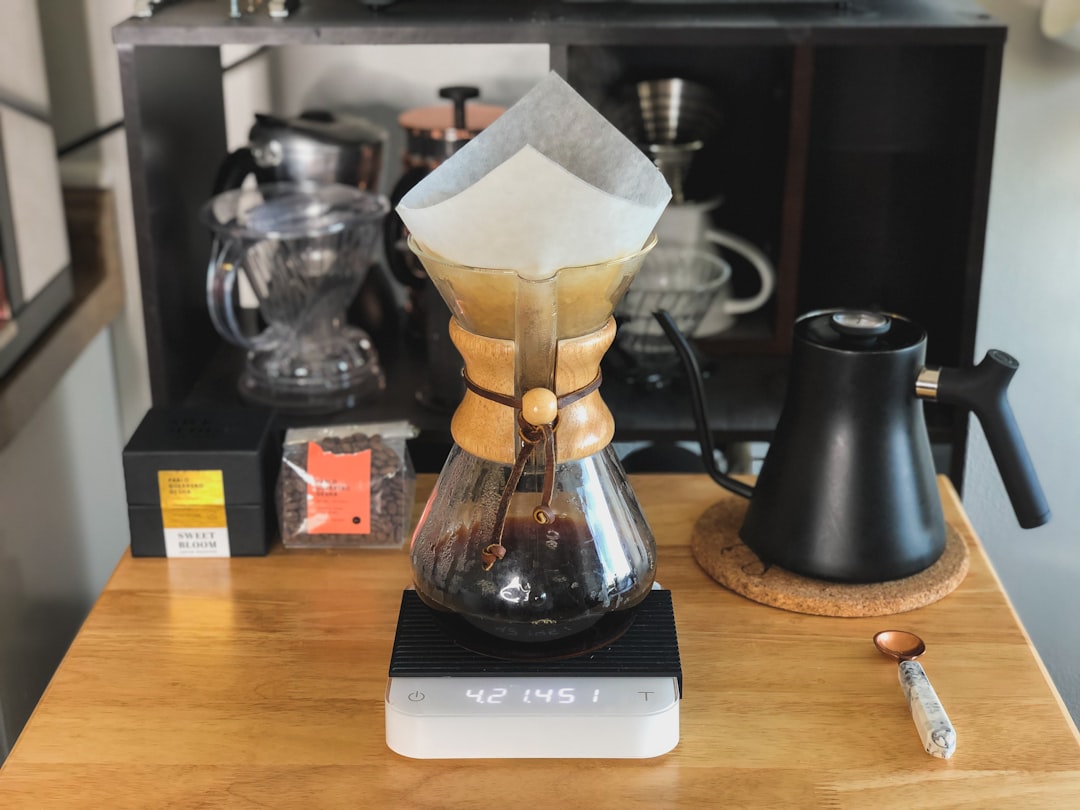
Cold brew coffee has surged in popularity over the past decade, captivating coffee enthusiasts and casual drinkers alike with its smooth, rich flavor and refreshing qualities. Unlike traditional brewing methods that rely on hot water to extract flavors from coffee grounds, cold brew is made by steeping coarsely ground coffee in cold or room temperature water for an extended period, typically 12 to 24 hours. This method results in a coffee concentrate that can be diluted with water or milk, creating a beverage that is less acidic and often sweeter than its hot-brewed counterparts.
The allure of cold brew lies not only in its unique taste but also in its versatility, making it an ideal base for various coffee drinks, from iced lattes to coffee cocktails. The rise of cold brew can be attributed to several factors, including the growing trend of iced beverages and the increasing demand for high-quality coffee experiences. As consumers become more discerning about their coffee choices, they seek out options that offer both flavor and convenience.
Cold brew fits this bill perfectly, as it can be prepared in large batches and stored in the refrigerator for easy access. Additionally, the emergence of ready-to-drink cold brew products in cafes and grocery stores has made it more accessible than ever, allowing even those who may not have the time or equipment to brew their own to enjoy this delightful beverage.
Key Takeaways
- Cold brew coffee is made by steeping coffee grounds in cold water for an extended period of time, resulting in a smooth and less acidic beverage.
- Specialty coffee refers to high-quality coffee that is sourced from specific regions, with a focus on unique flavors, sustainable practices, and ethical sourcing.
- The benefits of specialty coffee include superior taste, support for small-scale farmers, and a focus on environmental and social responsibility.
- Cold brew coffee made with specialty coffee offers a unique flavor profile, with notes of chocolate, fruit, and floral undertones.
- Quality and consistency in cold brew with specialty coffee are essential for ensuring a premium and satisfying beverage experience.
What is Specialty Coffee?
Specialty coffee refers to the highest quality coffee available, characterized by its unique flavors, meticulous cultivation, and careful processing. To be classified as specialty coffee, beans must score 80 points or higher on a 100-point scale established by the Specialty Coffee Association (SCA). This grading system evaluates various factors, including aroma, flavor, acidity, body, and aftertaste.
Specialty coffee is often sourced from specific regions known for their unique growing conditions, such as altitude, climate, and soil composition, which contribute to the distinct characteristics of the beans. The journey of specialty coffee begins at the farm level, where farmers employ sustainable practices to cultivate their crops. Many specialty coffee producers focus on single-origin beans, which are sourced from a specific geographic area or even a single farm.
This emphasis on origin allows consumers to appreciate the nuances of flavor that arise from different growing conditions and processing methods. The commitment to quality extends beyond the farm; roasters play a crucial role in developing the beans’ full potential through careful roasting techniques that highlight their unique attributes.
Benefits of Specialty Coffee
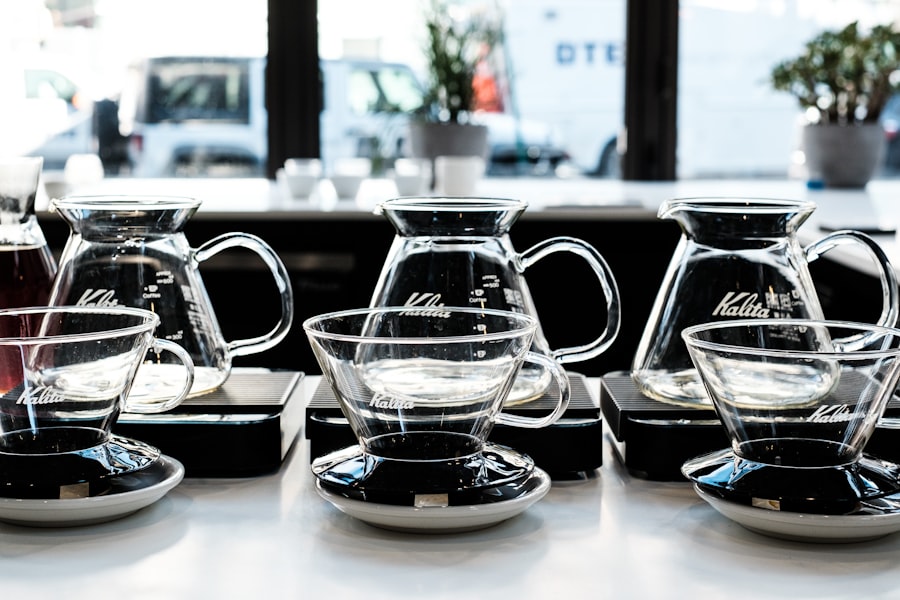
The benefits of specialty coffee extend beyond its superior taste; they encompass a range of factors that contribute to a more enjoyable and responsible coffee experience. One of the primary advantages is the emphasis on quality. Specialty coffee is often fresher than mass-produced options, as it is typically roasted in smaller batches and sold directly to consumers or specialty cafes.
This freshness translates into a more vibrant flavor profile, allowing drinkers to savor the intricate notes that define each bean. Moreover, specialty coffee often comes with a story—one that highlights the dedication of farmers and producers who prioritize sustainable practices and ethical sourcing. Many specialty coffee brands are committed to fair trade principles, ensuring that farmers receive a fair price for their labor while promoting environmentally friendly farming methods.
This connection between consumers and producers fosters a sense of community and responsibility, encouraging drinkers to make informed choices about their coffee consumption.
Cold Brew Coffee and Specialty Coffee
| Metrics | Cold Brew Coffee | Specialty Coffee |
|---|---|---|
| Flavor | Smooth and less acidic | Complex and rich |
| Caffeine Content | Higher due to longer brewing time | Varies by brewing method |
| Serving Temperature | Served cold or over ice | Usually served hot |
| Preparation Time | Longer steeping time | Shorter brewing time |
| Popular Varieties | Cold brew concentrate, nitro cold brew | Espresso, pour-over, French press |
The intersection of cold brew coffee and specialty coffee presents an exciting opportunity for both consumers and producers. As cold brew continues to gain traction in the market, many specialty coffee roasters have begun to explore how their high-quality beans can be utilized in this brewing method. The result is a growing selection of cold brew options that showcase the unique flavors and characteristics of specialty beans.
When specialty coffee is used for cold brew, it elevates the entire experience. The smoothness and low acidity of cold brew complement the intricate flavors found in specialty beans, allowing drinkers to appreciate the subtleties that might be lost in traditional brewing methods. For instance, a single-origin Ethiopian coffee with floral notes and bright acidity can shine through in a cold brew format, offering a refreshing alternative to hot brews while still delivering a complex flavor profile.
Flavor Profile of Specialty Coffee in Cold Brew
The flavor profile of specialty coffee when brewed as cold brew is distinctively different from that of hot-brewed coffee. Cold brewing tends to extract fewer bitter compounds due to the lower temperatures involved in the process. This results in a smoother cup with a naturally sweet taste that highlights the inherent flavors of the beans.
For example, a Guatemalan coffee known for its chocolatey undertones may present a rich cocoa flavor when brewed cold, while a Colombian bean might reveal fruity notes that are more pronounced than when brewed hot. Additionally, the extended steeping time allows for a more thorough extraction of flavors without the harshness often associated with hot brewing methods. This means that drinkers can experience a broader spectrum of tasting notes—ranging from fruity and floral to nutty and chocolatey—depending on the origin and processing method of the beans used.
The versatility of cold brew also allows for experimentation with different ratios of coffee to water, enabling consumers to tailor their beverage to their personal taste preferences.
Quality and Consistency in Cold Brew with Specialty Coffee
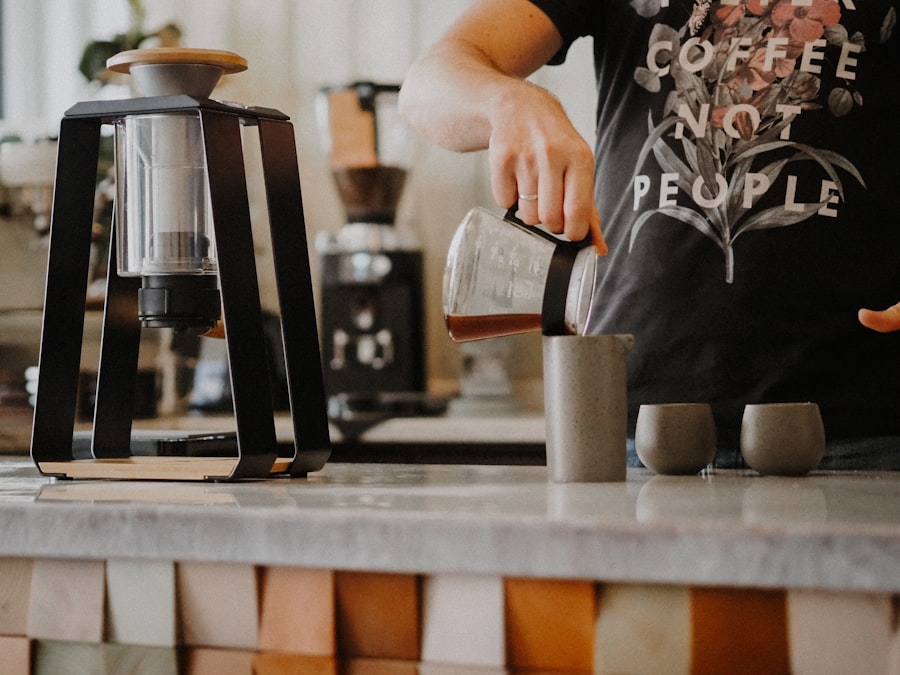
Quality and consistency are paramount when it comes to producing cold brew using specialty coffee. The meticulous attention given to sourcing high-quality beans must be matched by careful brewing practices to ensure that each batch delivers an exceptional experience. Specialty coffee roasters often provide detailed brewing instructions tailored specifically for their beans, emphasizing factors such as grind size, steeping time, and water temperature to achieve optimal results.
Consistency is particularly important for cafes and businesses that serve cold brew on a larger scale. By using specialty coffee beans known for their quality and flavor complexity, establishments can create signature cold brew offerings that stand out in a crowded market. Additionally, many roasters offer pre-packaged cold brew concentrates made from specialty beans, allowing businesses to maintain quality while simplifying the brewing process.
This approach not only ensures consistency across batches but also allows cafes to focus on delivering an exceptional customer experience.
Pricing and Accessibility of Specialty Coffee for Cold Brew
While specialty coffee often comes with a higher price tag compared to mass-produced options, many consumers are willing to invest in quality for their cold brew experiences. The cost reflects not only the superior quality of the beans but also the ethical sourcing practices and sustainable farming methods employed by producers. As awareness of these factors grows among consumers, there is an increasing demand for transparency regarding pricing and sourcing.
Accessibility has also improved significantly in recent years. Many specialty coffee roasters have embraced online sales platforms, allowing consumers to purchase high-quality beans directly from the source. This shift has made it easier for home brewers to experiment with cold brew using specialty coffee without having to rely solely on local cafes or specialty shops.
Furthermore, as more cafes begin to offer cold brew made from specialty beans, consumers can enjoy these premium beverages without breaking the bank.
Alternatives to Specialty Coffee for Cold Brew
While specialty coffee offers an unparalleled experience for cold brew enthusiasts, there are alternatives available for those seeking different flavor profiles or budget-friendly options. Some consumers may opt for blends or single-origin coffees that are not classified as specialty but still provide enjoyable flavors when brewed cold. These alternatives can be found at local grocery stores or through online retailers specializing in various coffee types.
Additionally, some brands have begun experimenting with flavored coffees or blends designed specifically for cold brewing. These options may include added flavors such as vanilla or caramel, appealing to those who prefer sweeter beverages. While these alternatives may not possess the same depth of flavor as specialty coffees, they can still provide a satisfying cold brew experience for those looking for something different or more affordable.
Consumer Preferences and Demand for Specialty Coffee in Cold Brew
Consumer preferences have shifted dramatically over recent years as more individuals seek out high-quality coffee experiences. The demand for specialty coffee in cold brew has grown alongside this trend, driven by an increasing awareness of flavor nuances and ethical sourcing practices. Many consumers are now willing to pay a premium for beverages that align with their values while also delivering exceptional taste.
This shift has prompted cafes and roasters alike to innovate their offerings continually. Many establishments now feature seasonal or limited-edition cold brews made from unique single-origin beans or experimental blends. This not only caters to consumer curiosity but also encourages exploration within the realm of cold brew coffee.
As more people discover the joys of specialty cold brews, it is likely that this trend will continue to expand.
Sustainability and Ethical Sourcing in Specialty Coffee for Cold Brew
Sustainability and ethical sourcing are critical components of the specialty coffee industry, particularly when it comes to cold brew production. Many specialty roasters prioritize relationships with farmers who employ environmentally friendly practices and adhere to fair trade principles. This commitment ensures that producers receive fair compensation while promoting sustainable farming methods that protect ecosystems and biodiversity.
As consumers become increasingly conscious of their purchasing decisions, they often seek out brands that align with their values regarding sustainability and ethical sourcing. This demand has led many specialty coffee companies to adopt transparent supply chains and provide information about their sourcing practices on packaging or websites. By choosing specialty coffees that prioritize these principles for cold brew preparation, consumers can enjoy their beverages while supporting responsible practices within the industry.
The Role of Specialty Coffee in Cold Brew
The role of specialty coffee in cold brew is significant as it elevates this popular beverage into an experience defined by quality and flavor complexity. As consumers continue to seek out high-quality options that align with their values regarding sustainability and ethical sourcing, specialty coffee stands out as an ideal choice for crafting exceptional cold brews. The marriage of these two trends not only enhances individual enjoyment but also fosters a deeper connection between consumers and producers within the ever-evolving world of coffee.
FAQs
What is specialty coffee?
Specialty coffee refers to high-quality coffee that is graded and sourced from specific regions known for producing exceptional coffee beans. These beans are often grown at higher elevations and are carefully processed to maintain their unique flavors and characteristics.
What is cold brew coffee?
Cold brew coffee is a method of brewing coffee using cold water over an extended period of time, typically 12-24 hours. This results in a smooth, low-acidic coffee concentrate that is often diluted with water or milk before serving.
Do I need specialty coffee for cold brew?
While specialty coffee is known for its exceptional quality and unique flavors, it is not a requirement for making cold brew. However, using specialty coffee beans can enhance the overall flavor profile of the cold brew and provide a more enjoyable drinking experience.
What are the benefits of using specialty coffee for cold brew?
Specialty coffee beans are often carefully sourced and roasted to highlight their natural flavors, which can result in a more complex and enjoyable cold brew experience. Additionally, using specialty coffee supports sustainable and ethical practices within the coffee industry.
Can I use regular coffee for cold brew?
Yes, you can use regular coffee for cold brew. While it may not provide the same depth of flavor and complexity as specialty coffee, it can still produce a satisfying cold brew concentrate. Experimenting with different types of coffee can help you find the flavor profile that best suits your preferences.