Coffee brewing is both an art and a science, requiring a delicate balance of various elements to achieve the perfect cup. At its core, brewing coffee involves extracting flavors from coffee grounds using water. This process can be influenced by several factors, including the type of coffee beans, grind size, water temperature, and brewing time.
Understanding these fundamentals is essential for anyone looking to elevate their coffee experience. The extraction process begins when hot water interacts with the coffee grounds, dissolving soluble compounds that contribute to flavor, aroma, and body. The brewing method chosen can significantly impact the final taste of the coffee.
For instance, methods like French press and espresso utilize different techniques to extract flavors, resulting in distinct profiles. The French press allows for a longer steeping time, which can lead to a fuller-bodied cup, while espresso relies on high pressure to extract concentrated flavors quickly. Each method has its own set of variables that can be adjusted to suit personal preferences, making the exploration of coffee brewing a rewarding journey for enthusiasts.
Key Takeaways
- Understanding the basics of coffee brewing is essential for achieving a perfect cup of coffee.
- Choosing the right coffee beans can greatly impact the flavor and aroma of your brew.
- Grinding techniques play a crucial role in extracting the best flavors from your coffee beans.
- Mastering water temperature and ratios is key to achieving the perfect balance in your coffee.
- Exploring different brewing methods can help you find the perfect technique for your taste preferences.
Choosing the Right Coffee Beans
Selecting the right coffee beans is a critical step in the brewing process that can dramatically influence the flavor profile of the final cup. Coffee beans come in two primary varieties: Arabica and Robusta. Arabica beans are known for their smooth, complex flavors and are often considered superior in quality.
They thrive at higher altitudes and are more susceptible to pests and diseases. In contrast, Robusta beans are hardier and have a stronger, more bitter taste, often used in espresso blends for added body and crema. Beyond the variety, the origin of the beans plays a significant role in flavor development.
Coffee grown in different regions exhibits unique characteristics due to variations in climate, soil composition, and altitude. For example, Ethiopian coffees are often fruity and floral, while Colombian coffees tend to be well-balanced with nutty undertones. Additionally, the processing method—washed, natural, or honey—can further enhance or alter these flavors.
Therefore, understanding the nuances of coffee bean selection is essential for crafting a brew that aligns with individual taste preferences.
Grinding Techniques for the Perfect Brew

The grind size of coffee beans is a crucial factor that directly affects extraction during brewing. Different brewing methods require specific grind sizes to optimize flavor extraction.
Conversely, espresso requires a fine grind to facilitate quick extraction under pressure. The uniformity of the grind is equally important; unevenly ground coffee can lead to over-extraction of some particles while under-extracting others, resulting in a muddled flavor profile.
Burr grinders crush the beans between two revolving surfaces, allowing for precise control over grind size. Blade grinders, on the other hand, chop the beans unevenly, making it challenging to achieve a consistent grind.
Experimenting with different grind sizes can also be an enlightening experience; adjusting the grind can help fine-tune the flavor profile of your brew, allowing for a more personalized coffee experience.
Mastering Water Temperature and Ratios
| Water Temperature | Ratios |
|---|---|
| Hot water | 1:15 |
| Cold water | 1:17 |
| Room temperature water | 1:16 |
Water temperature and coffee-to-water ratios are pivotal elements in the brewing process that can greatly influence extraction and flavor. The ideal water temperature for brewing coffee typically falls between 195°F to 205°F (90°C to 96°C). Water that is too hot can lead to over-extraction, resulting in bitter flavors, while water that is too cool may under-extract, producing a weak and sour cup.
Using a thermometer or an electric kettle with temperature control can help ensure that you’re brewing within this optimal range. The coffee-to-water ratio is another critical factor that varies depending on personal preference and brewing method. A common starting point is a ratio of 1:15 (one part coffee to fifteen parts water), but this can be adjusted based on taste preferences.
For instance, those who enjoy a stronger brew may opt for a 1:12 ratio, while those who prefer a milder cup might choose 1:18. Keeping track of these ratios and making adjustments based on your taste will help you refine your brewing technique over time.
Exploring Different Brewing Methods
The world of coffee brewing is rich with diverse methods, each offering unique flavors and experiences. Traditional methods like drip brewing and French press are widely popular due to their simplicity and accessibility. Drip coffee makers automate the brewing process, allowing for consistent results with minimal effort.
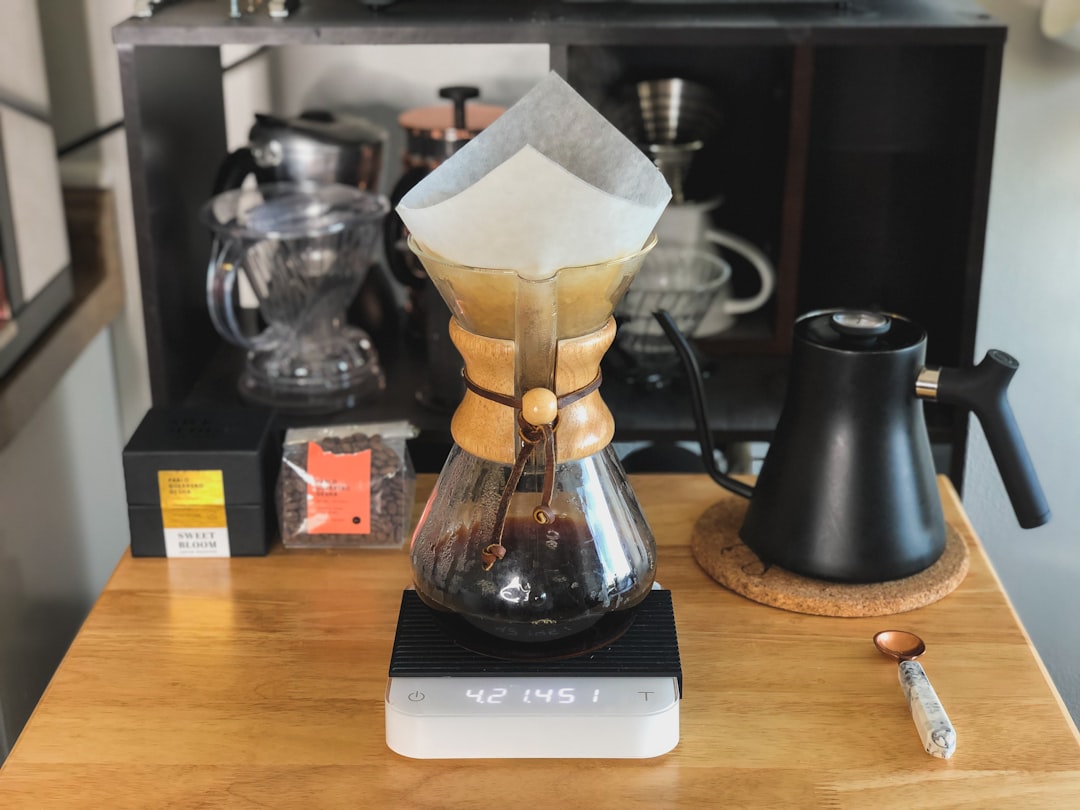
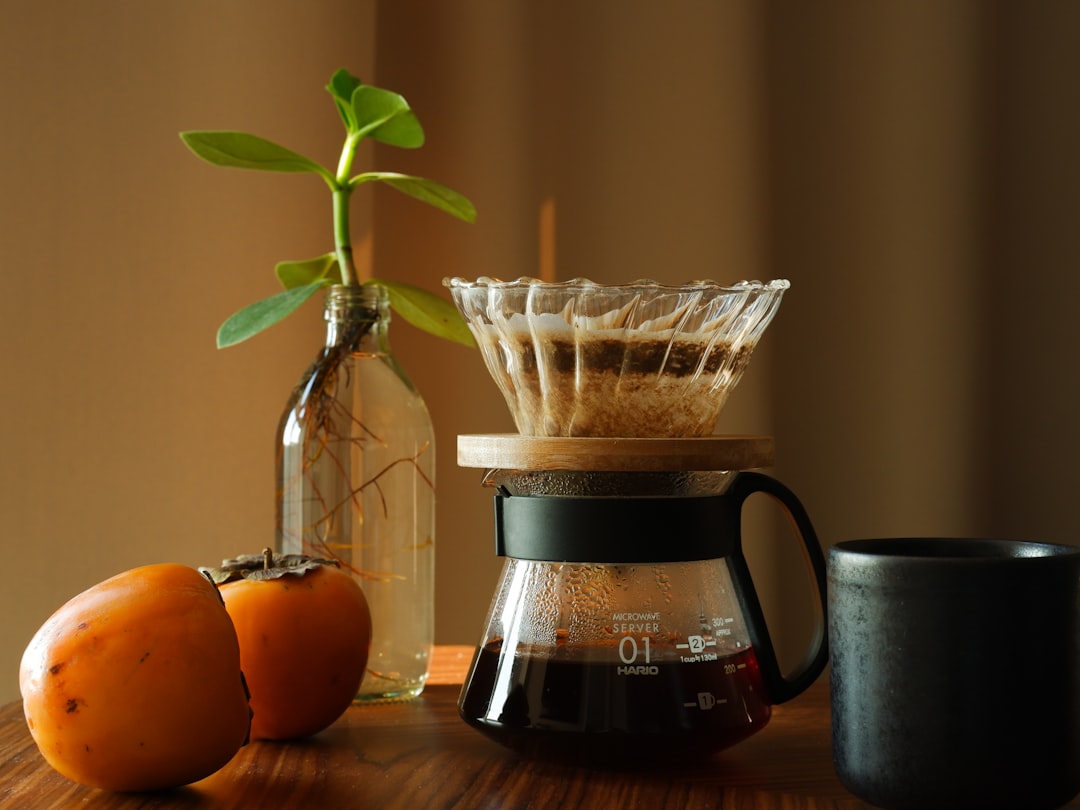
On the other hand, French press requires manual intervention but rewards users with a robust flavor profile due to its immersion brewing technique. More advanced methods such as pour-over and siphon brewing provide opportunities for experimentation and precision. Pour-over techniques like Chemex or Hario V60 allow for greater control over water flow and extraction time, enabling users to highlight specific flavor notes in their coffee.
Siphon brewing employs vacuum pressure to create an intricate visual spectacle while producing a clean and aromatic cup. Each method has its own set of variables—grind size, water temperature, and pouring technique—that can be adjusted to create a personalized coffee experience.
Perfecting the Art of Pour-Over Coffee
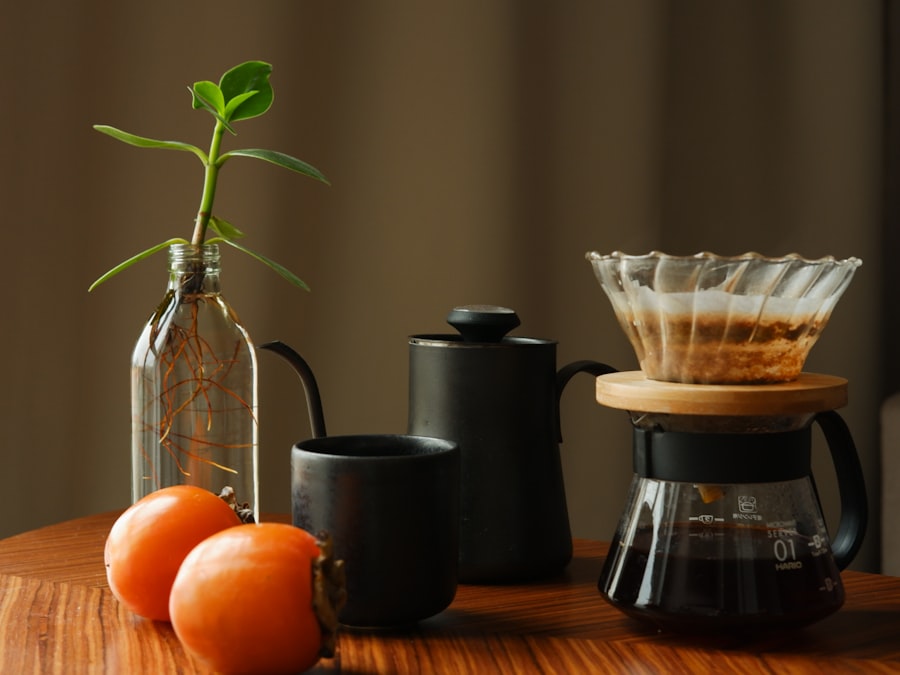
Pour-over coffee has gained popularity among enthusiasts for its ability to produce a clean and flavorful cup through meticulous control over the brewing process. The key to mastering pour-over lies in technique; achieving an even extraction requires attention to detail during pouring. Start by blooming the coffee grounds with a small amount of hot water before gradually adding more water in a circular motion.
This allows gases trapped in the coffee to escape and ensures even saturation. Timing is also crucial in pour-over brewing; aiming for a total brew time of around three to four minutes is ideal for most recipes. Adjusting your pouring speed and technique can help you achieve this target while also influencing flavor extraction.
For instance, pouring too quickly may lead to under-extraction, while pouring too slowly could result in over-extraction. Experimenting with different pouring techniques will not only enhance your skills but also deepen your appreciation for the nuances of flavor in each cup.
Understanding the Importance of Freshness
Freshness is paramount when it comes to coffee; it significantly impacts flavor and aroma. Coffee beans begin to lose their freshness shortly after roasting due to exposure to air, light, heat, and moisture. Ideally, coffee should be consumed within two weeks of roasting for optimal flavor; however, many commercial brands may sit on shelves for extended periods before reaching consumers.
Purchasing whole beans from local roasters or specialty shops can ensure you’re getting fresher products. Once you have your fresh beans, proper storage is essential to maintain their quality. Coffee should be stored in an airtight container away from light and moisture—preferably in a cool, dark place like a pantry or cupboard.
Avoid storing coffee in the refrigerator or freezer as temperature fluctuations can lead to condensation and spoilage. By prioritizing freshness in both selection and storage, you can significantly enhance your overall coffee experience.
Experimenting with Flavors and Add-Ins
Coffee offers an expansive canvas for experimentation with flavors and add-ins that can elevate your brew beyond its basic form. From flavored syrups to spices like cinnamon or nutmeg, there are countless ways to customize your cup according to personal preferences. Adding a splash of vanilla extract or a sprinkle of cocoa powder can introduce delightful new dimensions without overwhelming the original flavor profile.
For those looking to explore more adventurous combinations, consider incorporating ingredients like cardamom or even chili powder for an unexpected twist. Cold brew enthusiasts might enjoy infusing their brew with fruits such as orange or berries for refreshing summer beverages. The key is to start small; adding too much at once can mask the inherent flavors of the coffee itself.
By experimenting with different flavors and add-ins, you can discover unique combinations that resonate with your palate.
Mastering Milk Frothing for Lattes and Cappuccinos
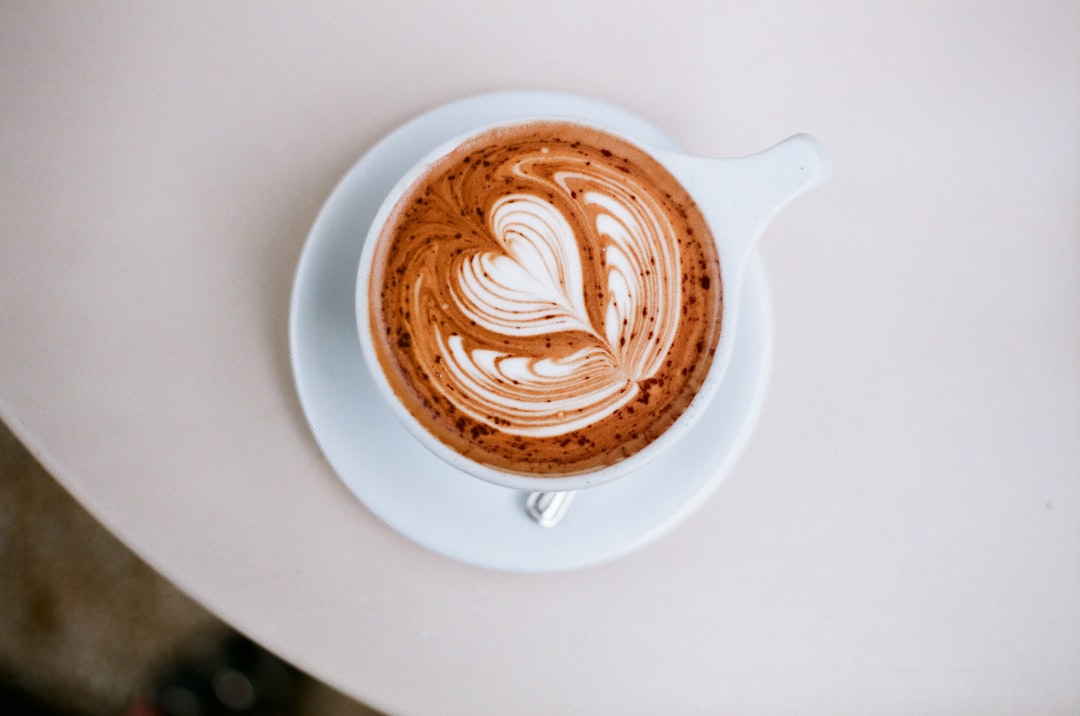
For many coffee lovers, milk-based drinks like lattes and cappuccinos are staples that offer creamy textures and rich flavors. Mastering milk frothing is essential for creating these beverages at home; it involves introducing air into milk to create microfoam that enhances both texture and taste. The ideal milk for frothing is whole milk due to its fat content; however, alternatives like oat or almond milk can also produce satisfying results when frothed correctly.
To froth milk effectively, start by using a steam wand or frother at an angle in a metal pitcher filled with cold milk. As you introduce steam into the milk, create a whirlpool effect by moving the pitcher slightly up and down; this helps incorporate air while heating the milk evenly. Aim for a temperature between 150°F to 155°F (65°C to 68°C) for optimal sweetness without scalding the milk.
With practice, you’ll be able to create velvety microfoam that elevates your lattes and cappuccinos into café-quality beverages.
Proper Storage and Maintenance of Coffee Equipment
Maintaining your coffee equipment is crucial for ensuring consistent performance and longevity. Regular cleaning prevents oil buildup from affecting flavor quality; this applies not only to brewing devices but also grinders and milk frothers. For drip machines or pour-over setups, descaling every few months helps remove mineral deposits that can alter water flow and temperature consistency.
Grinders should be cleaned periodically by running uncooked rice through them or using specialized cleaning tablets designed for this purpose. Milk frothers require thorough cleaning after each use; residual milk can spoil quickly if left unattended. Additionally, storing equipment properly—such as keeping grinders covered when not in use—can protect them from dust and moisture that may compromise performance over time.
Troubleshooting Common Brewing Mistakes
Even seasoned baristas encounter challenges during the brewing process; understanding common mistakes can help improve your skills over time. One frequent issue is over-extraction or under-extraction caused by incorrect grind size or brewing time. If your coffee tastes bitter or harsh, consider adjusting your grind size coarser or reducing steeping time; conversely, if it tastes sour or weak, try a finer grind or longer brew time.
Another common mistake involves water quality; using tap water with high mineral content can affect flavor negatively. Opting for filtered water ensures that impurities do not interfere with your brew’s taste profile. Lastly, pay attention to cleanliness; old oils or residues left on equipment can taint flavors significantly.
By identifying these pitfalls early on and making necessary adjustments, you’ll be well on your way to mastering the art of coffee brewing.
FAQs
What equipment do I need to make coffee drinks at home?
To make coffee drinks at home, you will need a coffee maker, a grinder, a milk frother, and a variety of coffee beans. You may also want to invest in a scale, a thermometer, and a tamper for more precise brewing.
What type of coffee beans should I use for making coffee drinks at home?
For making coffee drinks at home, it’s best to use freshly roasted whole coffee beans. You can choose from a variety of beans such as Arabica, Robusta, or blends, depending on your taste preferences.
What are some basic coffee drinks I can make at home?
Some basic coffee drinks you can make at home include espresso, cappuccino, latte, macchiato, and americano. These drinks can be made using a combination of espresso, steamed milk, and frothed milk.
How can I improve my coffee making skills at home?
To improve your coffee making skills at home, you can experiment with different brewing methods, coffee bean varieties, and milk frothing techniques. You can also attend workshops, watch tutorials, and practice regularly to refine your skills.
What are some common mistakes to avoid when making coffee drinks at home?
Some common mistakes to avoid when making coffee drinks at home include using stale coffee beans, not properly calibrating your equipment, and not properly frothing the milk. It’s also important to use the right water temperature and grind size for your brewing method.