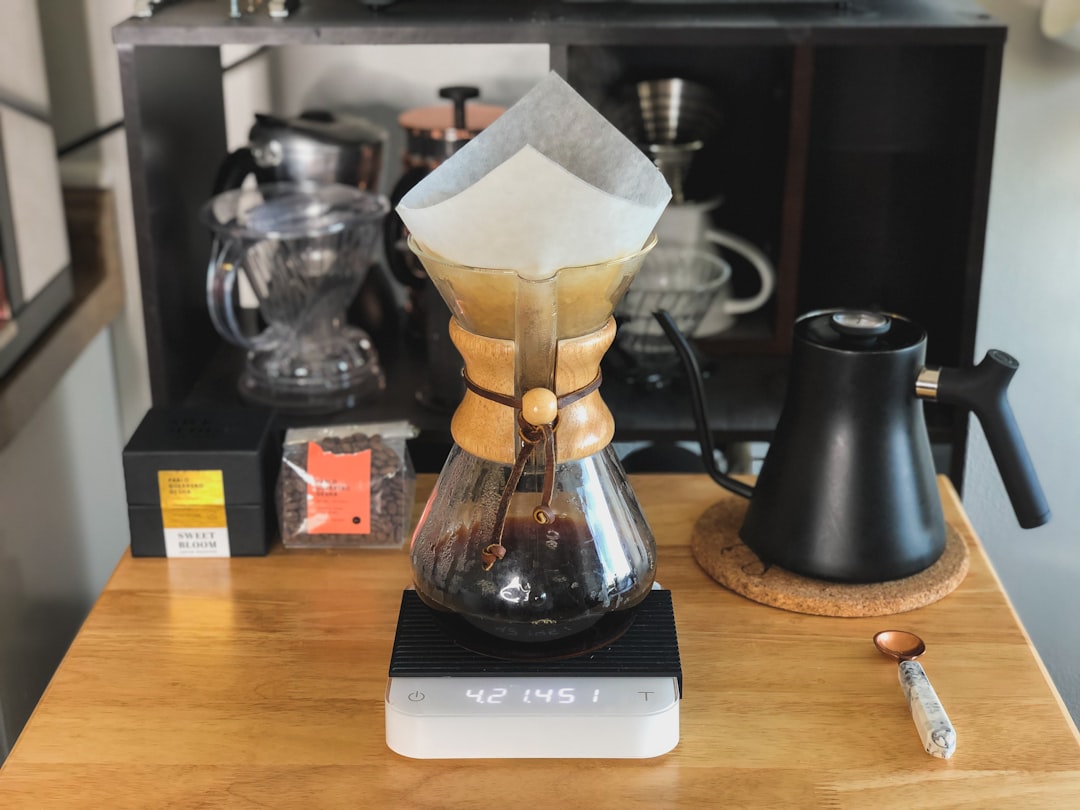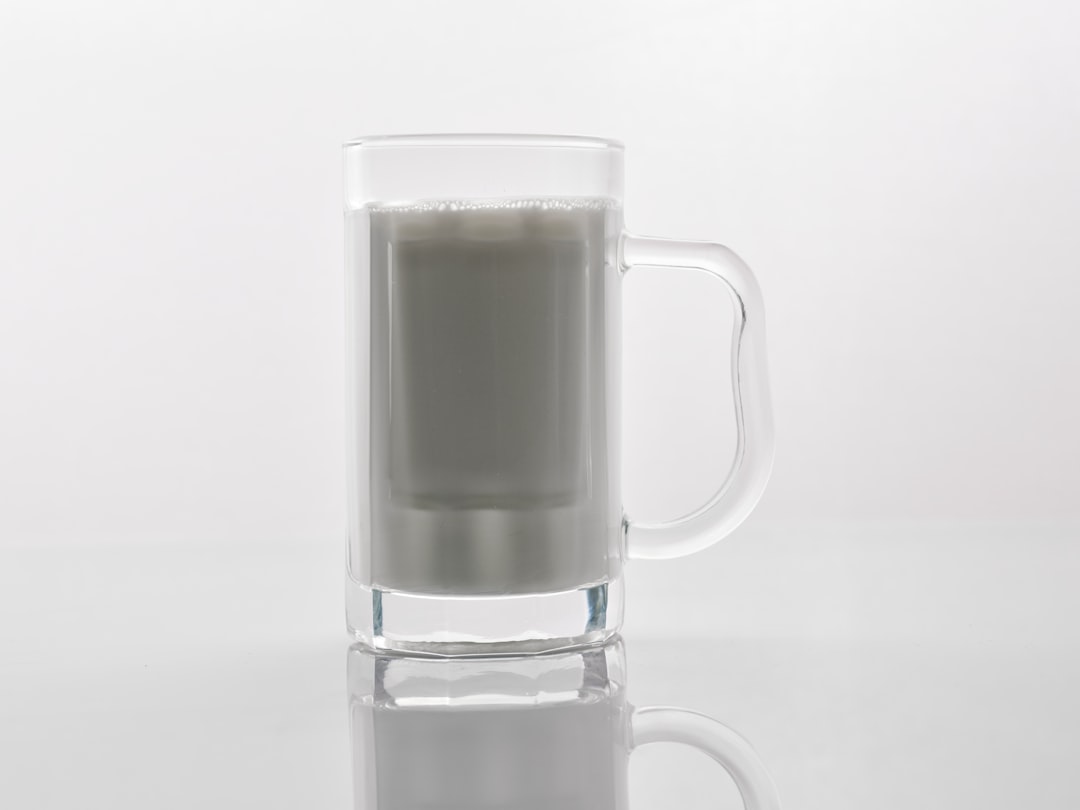
Milk frothing is an essential skill for any coffee enthusiast, particularly for those who enjoy espresso-based drinks like lattes, cappuccinos, and macchiatos. At its core, frothing milk involves introducing air into the milk, creating a light and airy texture that enhances the overall drinking experience. The process not only alters the milk’s consistency but also its flavor profile, making it sweeter and creamier.
This transformation occurs due to the proteins and fats in the milk interacting with the air, resulting in microfoam—a velvety layer of bubbles that sits atop your coffee. To achieve the perfect froth, one must understand the science behind it. When milk is heated and aerated, the proteins denature and stabilize the bubbles formed during frothing.
The ideal froth should be smooth and glossy, with tiny, uniform bubbles that create a luxurious mouthfeel. The balance between heat and aeration is crucial; too much heat can scald the milk, while insufficient aeration can lead to a lackluster texture. Mastering this balance is key to elevating your coffee experience.
Key Takeaways
- Understanding the basics of milk frothing is essential for creating creamy and velvety milk foam for your coffee beverages.
- Choosing the right milk for frothing can make a significant difference in the texture and flavor of the frothed milk.
- The importance of temperature and texture in milk frothing cannot be overstated, as it directly impacts the quality of the foam.
- Mastering different milk frothing techniques, such as steaming and frothing, can elevate your coffee-making skills and create a variety of textures for different beverages.
- Using the right equipment for milk frothing, such as a steam wand or a milk frother, is crucial for achieving the perfect foam consistency.
Choosing the Right Milk for Frothing
The type of milk you choose plays a significant role in the quality of your froth. Whole milk is often favored for its higher fat content, which contributes to a rich and creamy texture. The fat in whole milk helps to stabilize the foam, allowing it to hold its shape longer than lower-fat alternatives.
Skim milk, while lower in fat, can still produce a decent froth due to its higher protein content. It tends to create a lighter foam that may not be as creamy as whole milk but can still be enjoyable in certain beverages.
On the other hand, plant-based milks like oat and almond have gained popularity for their distinct flavors and textures. Oat milk, in particular, has been praised for its ability to froth well due to its creamy consistency and natural sweetness. However, not all plant-based milks froth equally; some may require specific brands or formulations to achieve optimal results.
The Importance of Temperature and Texture
Temperature is a critical factor in the frothing process. The ideal temperature for steaming milk is between 150°F and 155°F (65°C to 68°C). At this range, the milk reaches a sweet spot where it is hot enough to create a rich texture without scalding.
Scalded milk can develop an unpleasant taste and lose its ability to froth effectively. To avoid this, many baristas recommend using a thermometer or relying on touch—when the pitcher becomes too hot to hold comfortably, it’s time to stop steaming.
The goal is to create microfoam with a silky mouthfeel that integrates seamlessly with espresso. Achieving this texture requires practice and attention to detail.
A well-frothed milk should have a glossy appearance and a smooth consistency that allows it to pour beautifully over espresso. The right technique will yield a foam that clings to the surface of your drink without separating or collapsing.
Mastering Different Milk Frothing Techniques
| Technique | Texture | Temperature | Best for |
|---|---|---|---|
| Latte Art | Microfoam | 140-150°F | Latte, Cappuccino |
| Cappuccino | Frothy | 130-140°F | Cappuccino |
| Flat White | Velvety | 140-150°F | Flat White |
There are several techniques for frothing milk, each yielding different results depending on your desired outcome. The most common method is using a steam wand attached to an espresso machine. This technique involves submerging the steam wand just below the surface of the milk while simultaneously creating a whirlpool effect within the pitcher.
This motion helps incorporate air into the milk while heating it evenly. Another popular method is using a handheld frother or milk frothing pitcher. This technique is particularly useful for those who do not have access to an espresso machine.
By immersing the frother into cold or warm milk and moving it up and down rapidly, you can create foam without the need for steam. While this method may not produce the same quality of microfoam as a steam wand, it can still yield satisfactory results for home brewing.
Using the Right Equipment for Milk Frothing
The equipment you use can significantly impact your frothing experience. For those serious about their coffee craft, investing in a high-quality espresso machine with a powerful steam wand is essential. Machines from brands like Breville or Rancilio often come equipped with features designed specifically for frothing, such as adjustable steam pressure and temperature controls.
For those on a budget or looking for alternatives, manual frothers like French presses or handheld electric frothers can be effective as well. A French press can create decent foam by pumping the plunger up and down vigorously after heating the milk separately. Handheld electric frothers are compact and easy to use but may require more effort to achieve the same level of microfoam as a steam wand.
Tips for Creating Latte Art with Frothed Milk

Creating latte art is an exciting way to showcase your frothing skills and add an artistic touch to your coffee beverages. The key to successful latte art lies in achieving the right texture of microfoam—smooth and velvety rather than airy or bubbly. Once you have frothed your milk correctly, it’s time to practice pouring techniques.
One popular method for creating latte art is the “free pour” technique, where you pour the frothed milk directly into the espresso while controlling the flow and angle of your pour. Start by pouring from a height to allow the foam to break through the surface of the espresso, then lower your pitcher closer as you pour more steadily to create shapes like hearts or rosettas. It takes practice to master this technique, but with patience and experimentation, you can create stunning designs that elevate your coffee presentation.
Troubleshooting Common Milk Frothing Problems
Even experienced baristas encounter challenges when frothing milk. One common issue is producing large bubbles instead of fine microfoam. This often occurs when the steam wand is positioned incorrectly or if there isn’t enough air being introduced into the milk at the beginning of the frothing process.
To remedy this, ensure that you are angling the steam wand properly and creating a whirlpool effect in your pitcher. Another frequent problem is overheating the milk, which can lead to scalding and an unpleasant taste. If you notice that your milk has developed a burnt flavor or if it’s difficult to achieve a good froth, consider adjusting your steaming technique or using a thermometer to monitor temperatures more closely.
Additionally, if your foam collapses quickly after pouring, it may indicate that you need to improve your frothing technique or experiment with different types of milk.
Experimenting with Flavored Milk Froths
Flavored milk froths can add an exciting twist to traditional coffee beverages, allowing you to customize your drinks according to personal preferences or seasonal trends. Popular flavorings include vanilla syrup, caramel sauce, chocolate powder, or even spices like cinnamon and nutmeg. These additions can enhance both the aroma and taste of your frothed milk.
To incorporate flavors effectively, consider adding syrups or powders directly into the milk before frothing. This ensures that the flavors are well integrated into the foam rather than sitting on top of your drink. For instance, adding vanilla syrup before steaming will infuse your frothed milk with sweetness and aroma that complements your espresso beautifully.
Incorporating Milk Frothing into Different Coffee Recipes
Milk frothing is not limited to lattes and cappuccinos; it can enhance a variety of coffee recipes beyond traditional espresso drinks. For example, adding frothed milk to cold brew coffee creates a refreshing iced latte that’s perfect for warm weather. Similarly, frothed milk can elevate mocha drinks by adding creaminess that balances out chocolate flavors.
Additionally, consider experimenting with different coffee bases such as nitro coffee or affogato—where hot espresso is poured over ice cream—by adding frothed milk on top for an indulgent twist. The versatility of frothed milk allows for endless creativity in crafting unique coffee beverages that cater to diverse tastes.
Understanding the Role of Milk Frothing in Different Coffee Beverages
Milk frothing plays a pivotal role in defining various coffee beverages around the world. In Italy, cappuccinos are characterized by equal parts espresso, steamed milk, and frothed milk—creating a harmonious balance between strong coffee flavor and creamy texture. In contrast, lattes feature more steamed milk than foam, resulting in a smoother drink that highlights the espresso’s nuances.
In specialty coffee culture, drinks like flat whites have gained popularity due to their velvety microfoam that enhances both flavor and presentation. Understanding these distinctions allows baristas and home brewers alike to tailor their drinks according to personal preferences while respecting traditional recipes.
Practicing and Perfecting Your Milk Frothing Skills
Like any skill in culinary arts, mastering milk frothing requires consistent practice and dedication. Start by familiarizing yourself with different types of milk and experimenting with various techniques until you find what works best for you. Keep track of your progress by noting down successful methods or recipes that yield satisfying results.
Consider setting aside time each week specifically for practicing your frothing skills without pressure—this could involve trying out new techniques or simply refining your existing ones. Joining local coffee workshops or online communities can also provide valuable insights from fellow enthusiasts who share tips and tricks for achieving perfect microfoam every time. By immersing yourself in this craft and embracing experimentation along with structured practice sessions, you will gradually develop confidence in your abilities as a home barista capable of creating exceptional frothed milk beverages that impress both yourself and others.
FAQs
What is frothed milk?
Frothed milk is milk that has been aerated to create a light, creamy foam. It is commonly used in coffee drinks such as lattes, cappuccinos, and macchiatos.
Why do people froth milk for coffee drinks?
Frothed milk adds a creamy texture and a touch of sweetness to coffee drinks. It also enhances the overall flavor and presentation of the beverage.
What tools can be used to froth milk?
Milk frothers, handheld frothers, and espresso machines with steam wands are commonly used to froth milk for coffee drinks. Some people also use a French press or a mason jar to manually froth milk.
How do you froth milk with a milk frother?
To froth milk with a milk frother, simply pour cold milk into the frother, turn it on, and wait for the frother to heat and froth the milk. The process may vary depending on the specific type of milk frother being used.
How do you froth milk with a handheld frother?
To froth milk with a handheld frother, heat the milk in a microwave-safe container, then immerse the frother into the milk and turn it on. Move the frother up and down to create foam until the desired consistency is achieved.
How do you froth milk with an espresso machine?
To froth milk with an espresso machine, pour cold milk into a metal pitcher, insert the steam wand into the milk, and turn on the steam. Position the wand so that it creates a whirlpool effect in the milk, and continue steaming until the milk reaches the desired temperature and consistency.
How do you froth milk with a French press or mason jar?
To froth milk with a French press or mason jar, heat the milk in a microwave-safe container, then pour it into the French press or mason jar. Seal the lid and vigorously pump the plunger or shake the jar until the milk becomes frothy. Be cautious of the hot milk and potential for spills.