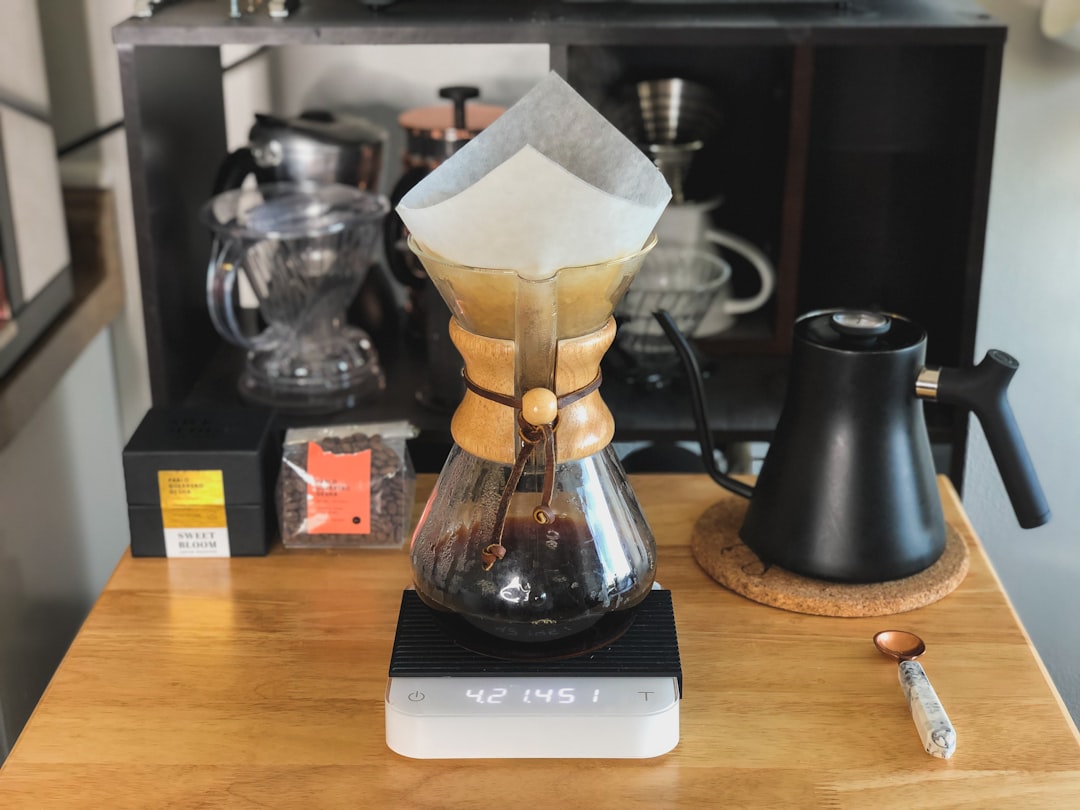
Specialty coffee has emerged as a significant segment within the broader coffee industry, characterized by its emphasis on quality, flavor, and unique origins. The term “specialty coffee” refers to coffee that has been graded at least 80 points on a 100-point scale by a certified coffee taster, known as a Q Grader. This grading system evaluates various factors, including aroma, flavor, acidity, body, and aftertaste.
The specialty coffee movement is not merely about the end product; it encompasses the entire supply chain, from the cultivation of coffee beans to the brewing methods employed in cafes. This holistic approach emphasizes transparency and traceability, allowing consumers to understand where their coffee comes from and the conditions under which it was produced.
As a result, specialty coffee has become synonymous with artisanal craftsmanship, where each cup tells a story of its origin, the farmers who cultivated it, and the meticulous processes involved in bringing it to market.
Key Takeaways
- Specialty coffee is a high-quality coffee that is sourced and processed with care and expertise.
- Defining characteristics of specialty coffee include unique flavor profiles, high-quality beans, and sustainable sourcing practices.
- Quality in specialty coffee can be identified through factors such as bean origin, processing methods, and cupping scores.
- Authentic specialty coffee can be sourced through direct trade relationships with farmers and reputable coffee roasters.
- Recognizing specialty coffee certifications such as Fair Trade and Rainforest Alliance can help consumers make informed purchasing decisions.
Defining Characteristics of Specialty Coffee
Emphasis on Single-Origin Beans
Specialty coffee is defined by more than just its high quality and grading. One of its most notable features is the emphasis on single-origin beans, sourced from specific regions or even individual farms. This focus on origin allows for a diverse range of flavors that reflect the unique terroir of each growing area.
Diverse Flavor Profiles
For instance, Ethiopian coffees are often celebrated for their floral and fruity notes, while Colombian coffees may exhibit a balanced profile with nutty undertones. This diversity is a key selling point for specialty coffee enthusiasts who appreciate the nuances that different regions impart to their brews.
Meticulous Attention to Detail
Another characteristic of specialty coffee is the meticulous attention to detail throughout the production process. From selective harvesting—where only ripe cherries are picked—to careful processing methods such as washed or natural fermentation, each step is designed to enhance the final flavor profile. Additionally, specialty coffee often involves small-batch roasting, allowing roasters to fine-tune their techniques and bring out the best in each bean. This level of care and precision distinguishes specialty coffee from commercial varieties, which may prioritize consistency over complexity.
Identifying Quality in Specialty Coffee
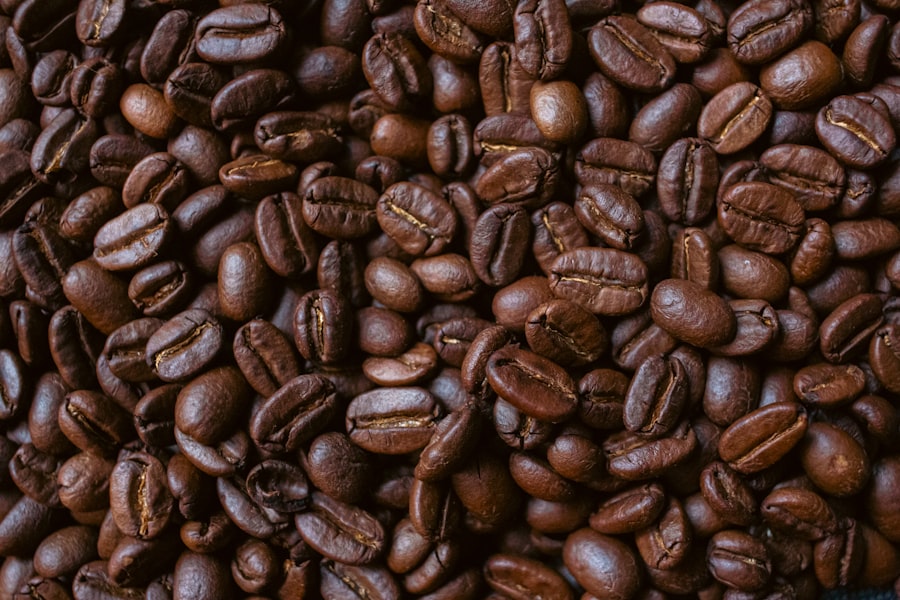
Identifying quality in specialty coffee requires an understanding of several key factors that contribute to its overall excellence. One of the primary indicators is the bean’s appearance; high-quality specialty beans are typically uniform in size and color, free from defects such as insect damage or mold. The aroma of freshly ground coffee also plays a crucial role in assessing quality; it should be vibrant and inviting, with distinct notes that hint at the flavors to come.
A lackluster aroma can indicate inferior beans or poor storage conditions. Once brewed, the taste of specialty coffee should be complex and well-balanced. Quality coffees often exhibit a range of flavors that evolve as they cool, revealing different notes at various temperatures.
For example, a well-executed pour-over might start with bright acidity and fruity notes that transition into deeper chocolate or caramel flavors as it cools. Additionally, mouthfeel is an essential aspect of quality; specialty coffees often have a rich, velvety texture that enhances the overall drinking experience. Evaluating these elements requires practice and familiarity with different flavor profiles, making it an engaging journey for coffee aficionados.
Sourcing Authentic Specialty Coffee
| Metrics | Data |
|---|---|
| Number of coffee farms visited | 25 |
| Percentage of direct trade relationships | 80% |
| Quality score of sourced coffee | 90 out of 100 |
| Percentage of organic certified coffee | 60% |
Sourcing authentic specialty coffee involves navigating a complex landscape of producers, importers, and roasters. One of the most effective ways to ensure authenticity is to establish direct relationships with farmers or cooperatives. By purchasing directly from producers, roasters can gain insight into the cultivation practices and processing methods used, ensuring that they align with the principles of specialty coffee.
This direct trade model not only supports farmers financially but also fosters a sense of community and collaboration within the industry. In addition to direct sourcing, it’s essential to consider the transparency of supply chains when seeking authentic specialty coffee. Many reputable roasters provide detailed information about their sourcing practices on their websites or packaging, including the origin of the beans, processing methods, and even stories about the farmers themselves.
This level of transparency allows consumers to make informed choices and supports ethical practices within the industry. Engaging with roasters who prioritize authenticity can lead to discovering unique coffees that reflect their origins while contributing positively to the livelihoods of those who produce them.
Recognizing Specialty Coffee Certifications
Specialty coffee certifications serve as important indicators of quality and ethical practices within the industry.
For instance, organic certification ensures that coffee is grown without synthetic pesticides or fertilizers, promoting environmental health and biodiversity.
This certification appeals to consumers who prioritize sustainability in their purchasing decisions. Fair Trade certification is another significant label in the specialty coffee realm. It guarantees that farmers receive fair compensation for their labor while adhering to specific social and environmental standards.
This certification not only supports economic stability for producers but also fosters community development initiatives in coffee-growing regions. Additionally, certifications like Rainforest Alliance or Bird-Friendly focus on sustainable farming practices that protect ecosystems and wildlife habitats. Recognizing these certifications can help consumers make choices that align with their values while supporting high-quality specialty coffee.
Evaluating Roasting Techniques
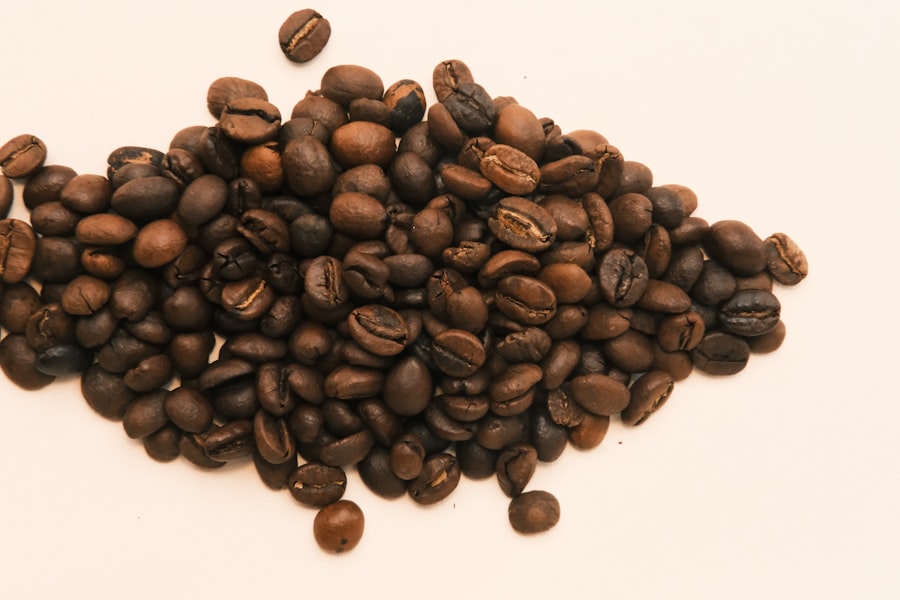
Roasting techniques play a pivotal role in shaping the flavor profile of specialty coffee. The roasting process transforms green beans into the aromatic brown beans that we brew into our favorite beverages. Different roasting styles can produce vastly different results; for example, light roasts tend to preserve more of the bean’s original flavors and acidity, while dark roasts often emphasize boldness and bitterness.
Understanding these nuances allows consumers to select coffees that align with their taste preferences. Moreover, roasting is both an art and a science; skilled roasters must carefully monitor variables such as temperature and time to achieve desired flavor outcomes. The Maillard reaction—a chemical reaction between amino acids and reducing sugars—occurs during roasting and contributes significantly to flavor development.
Roasters often experiment with various profiles to highlight specific characteristics of the beans they are working with. For instance, a roaster might choose a slower roast for a delicate Ethiopian Yirgacheffe to accentuate its floral notes while opting for a faster roast for a robust Brazilian bean to enhance its chocolatey undertones.
Assessing Flavor Profiles
Assessing flavor profiles in specialty coffee involves a nuanced understanding of taste and aroma characteristics that can vary widely among different beans. Flavor notes can be categorized into several broad categories: fruity, floral, nutty, chocolatey, spicy, and earthy, among others. Each category encompasses a range of specific flavors; for example, fruity notes might include citrus, berry, or stone fruit flavors, while nutty notes could range from almond to hazelnut.
To effectively assess flavor profiles, one must engage in sensory evaluation—a practice that involves tasting and smelling coffee with intention. This process often begins with evaluating the aroma before brewing; sniffing freshly ground beans can reveal hints of what to expect in the cup. Once brewed, tasting should be done mindfully; taking small sips allows one to discern acidity levels, sweetness, bitterness, and body.
Many enthusiasts use flavor wheels or charts to help identify specific notes they encounter during tasting sessions. This practice not only enhances appreciation for specialty coffee but also fosters a deeper connection between consumers and their brews.
Understanding the Importance of Direct Trade
Direct trade has gained traction as an essential model within the specialty coffee industry due to its emphasis on building relationships between producers and roasters. Unlike traditional trade models that often involve multiple intermediaries, direct trade allows roasters to purchase beans directly from farmers or cooperatives. This approach fosters transparency in pricing and ensures that producers receive fair compensation for their work.
The benefits of direct trade extend beyond financial considerations; it also promotes sustainable farming practices by encouraging farmers to invest in their land and communities. When roasters establish direct relationships with producers, they can collaborate on quality improvement initiatives and share knowledge about best practices in cultivation and processing. This partnership not only enhances the quality of the coffee but also empowers farmers by providing them with resources and support needed for long-term success.
Exploring Sustainable and Ethical Practices
Sustainability and ethical practices are increasingly important considerations within the specialty coffee sector as consumers become more aware of their impact on global communities and ecosystems. Sustainable practices encompass various aspects of coffee production, including environmentally friendly farming methods that minimize harm to soil health and biodiversity. For instance, shade-grown coffee promotes biodiversity by allowing native plants to thrive alongside coffee trees while providing habitat for wildlife.
Ethical practices go hand-in-hand with sustainability by ensuring fair treatment of workers throughout the supply chain. Many specialty coffee companies prioritize ethical sourcing by partnering with farms that adhere to fair labor standards and provide safe working conditions for their employees. Additionally, initiatives such as community development projects funded by premium prices paid for specialty coffee contribute positively to local economies in producing regions.
By supporting brands committed to sustainability and ethics, consumers can enjoy their favorite brews while contributing to positive change in the world.
Tips for Tasting and Comparing Specialty Coffees
Tasting and comparing specialty coffees can be an enjoyable experience that enhances one’s appreciation for this complex beverage. To begin this journey, it’s essential to create an environment conducive to tasting—ideally one that is quiet and free from distractions. Using clean glassware or cupping bowls allows for an unobstructed view of the coffee’s color while also facilitating aroma evaluation.
When tasting multiple coffees side by side, it’s helpful to take notes on each one’s aroma, flavor profile, acidity level, body, and aftertaste. This systematic approach enables tasters to identify preferences more clearly over time. Additionally, engaging in cupping sessions—where small amounts of ground coffee are steeped in hot water before being tasted—can provide valuable insights into different coffees’ characteristics without being influenced by brewing methods or equipment variations.
Making Informed Purchasing Decisions
Making informed purchasing decisions in the realm of specialty coffee involves considering various factors beyond just taste preferences. Consumers should seek out reputable roasters who prioritize transparency in their sourcing practices and provide detailed information about their coffees’ origins and processing methods. Reading reviews or engaging with online communities dedicated to specialty coffee can also offer valuable insights into different brands’ reputations.
Additionally, understanding certifications related to sustainability and ethical practices can guide purchasing choices toward brands committed to positive impact within the industry. By prioritizing quality over quantity—opting for smaller batches or limited releases—consumers can explore unique offerings while supporting artisanal craftsmanship in their coffee choices. Ultimately, informed purchasing decisions empower consumers not only to enjoy exceptional brews but also contribute positively to the global coffee community.
FAQs
What is specialty coffee?
Specialty coffee refers to high-quality coffee that is sourced from specific regions, carefully grown and harvested, and meticulously processed to maintain its unique flavors and characteristics. It is often produced in smaller quantities and is known for its exceptional taste and quality.
How can I identify authentic specialty coffee?
When buying specialty coffee, look for information about the coffee’s origin, processing method, and flavor profile. Authentic specialty coffee is often labeled with details about the specific farm or region where it was grown, as well as information about the processing method used. Additionally, reputable coffee roasters and sellers will provide detailed tasting notes and information about the coffee’s unique characteristics.
What should I look for in the packaging of specialty coffee?
Authentic specialty coffee is often packaged in a way that preserves its freshness and flavor. Look for coffee that is packaged in airtight bags with degassing valves, which allow carbon dioxide to escape without letting oxygen in. Additionally, the packaging should include information about the coffee’s origin, roast date, and flavor profile.
Are there any certifications or labels to look for when buying specialty coffee?
When buying specialty coffee, look for certifications such as Fair Trade, Rainforest Alliance, or Direct Trade, which indicate that the coffee has been sourced ethically and sustainably. Additionally, some specialty coffee may be labeled with designations such as “single origin” or “microlot,” which indicate that the coffee comes from a specific region or small batch.
Where can I buy authentic specialty coffee?
Authentic specialty coffee can be purchased from specialty coffee shops, roasters, and online retailers that specialize in high-quality, ethically sourced coffee. Look for sellers that provide detailed information about the coffee’s origin, processing, and flavor profile, and consider reaching out to the seller directly for more information about their sourcing and roasting practices.